Apartment Move-In Checklist
What to inspect and document when moving into your new rental
Last Updated: February 2026
Moving into a new apartment is exciting, but taking time to thoroughly inspect and document its condition is crucial for protecting your security deposit. Landlords withhold an average of $200-$500 from security deposits for damages—including pre-existing issues tenants failed to document at move-in.
This comprehensive apartment move-in checklist guides you through everything to inspect, document, and set up when moving into a rental. Whether it's your first apartment or your tenth, this checklist ensures you don't miss anything important.

Moving Guide Series
- ← The Ultimate Moving Checklist (Start Here)
- ← Moving Out of State Checklist
- You're reading: Apartment Move-In Checklist
- Expert Moving Tips →
Before You Move In
Complete these tasks before your move-in date to ensure a smooth transition and protect your interests from day one.
Review Your Lease Agreement
- ☐ Read the entire lease carefully—don't just skim
- ☐ Note the move-in/move-out dates and any grace periods
- ☐ Understand rent payment terms: due date, late fees, accepted payment methods
- ☐ Review pet policy if applicable (deposits, restrictions, monthly fees)
- ☐ Know the guest and subletting policies
- ☐ Understand maintenance request procedures
- ☐ Check lease-breaking terms and penalties
- ☐ Verify security deposit amount and conditions for return
Know Your Rights: Many states limit security deposits (typically 1-2 months' rent) and require landlords to return them within 14-60 days of move-out. Research your state's tenant rights before signing.
Arrange Renters Insurance
- ☐ Compare renters insurance quotes (typically $15-30/month)
- ☐ Choose appropriate coverage level based on your belongings' value
- ☐ Understand what's covered: theft, fire, water damage, liability
- ☐ Activate policy before move-in date
- ☐ Provide proof to landlord if required
Schedule Utilities
- ☐ Contact utility providers to start service on move-in date
- ☐ Set up electricity and gas
- ☐ Arrange internet installation (schedule early—appointments fill up)
- ☐ Confirm which utilities are included in rent (water, trash, etc.)
Coordinate with Landlord
- ☐ Confirm exact move-in time
- ☐ Ask about building access: elevator reservations, loading zones
- ☐ Get all keys, fobs, and access codes
- ☐ Request move-in inspection checklist if provided
- ☐ Get emergency contact information
Move-In Inspection: Protect Your Deposit
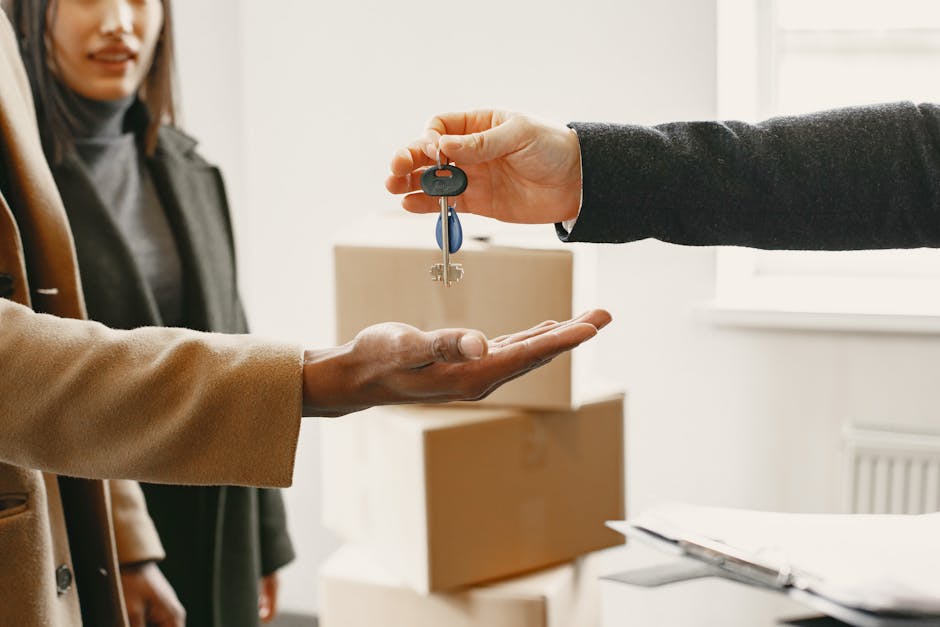
The move-in inspection is your most important task on moving day. Everything you document now protects you when you move out.
General Inspection Tips
- Do the inspection before moving anything in—empty apartments reveal more issues
- Bring a flashlight to check dark areas and under cabinets
- Take photos and videos with timestamps
- Test everything that can be tested: outlets, switches, faucets, appliances
- Note even minor damage: scratches, stains, dents, nail holes
- Request the landlord walk through with you if possible
What to Document
- ☐ Wall damage: holes, cracks, scuffs, stains
- ☐ Floor condition: scratches, stains, loose tiles, carpet wear
- ☐ Window condition: cracks, broken locks, screen damage
- ☐ Door condition: scratches, dings, lock function
- ☐ Appliance condition: dents, stains, missing parts
- ☐ Fixture condition: rust, stains, chips
- ☐ Blinds and curtains: broken slats, stains, missing pieces
- ☐ Cabinet and closet interiors: shelf damage, peeling, stains
Room-by-Room Inspection Checklist
Go through each room systematically, using this detailed checklist to ensure nothing is missed.
Living Room / Common Areas
- ☐ Walls: Check for holes, cracks, stains, scuff marks
- ☐ Ceiling: Look for water stains, cracks, peeling paint
- ☐ Flooring: Document scratches, stains, loose boards, carpet condition
- ☐ Windows: Open and close each one; check locks and screens
- ☐ Blinds/curtains: Test functionality; note damage
- ☐ Light fixtures: Test all switches; check for missing bulbs
- ☐ Electrical outlets: Test each with a phone charger or outlet tester
- ☐ Thermostat: Verify it works; check heating and cooling
- ☐ Doors: Check that all doors close and lock properly
Kitchen
- ☐ Refrigerator: Check interior, freezer, shelves, drawers; test ice maker if applicable
- ☐ Oven/stove: Test all burners and oven; check for cleanliness
- ☐ Microwave: Test functionality; check interior for damage
- ☐ Dishwasher: Run a cycle; check for leaks underneath
- ☐ Sink and faucet: Run hot and cold water; check for leaks; test disposal
- ☐ Cabinets and drawers: Open all; check for damage, pests, cleanliness
- ☐ Countertops: Look for chips, burns, stains
- ☐ Under sink: Check for leaks, water damage, mold
- ☐ Hood/exhaust fan: Test fan; check filter
- ☐ Floor: Check tile grout, linoleum condition
Bathroom(s)
- ☐ Toilet: Flush to test; check for leaks around base; inspect seat
- ☐ Sink and faucet: Test hot and cold water; check for leaks
- ☐ Shower/tub: Run water; check drain, tiles, grout, caulking
- ☐ Showerhead: Test water pressure; check for mineral buildup
- ☐ Mirror and medicine cabinet: Check for cracks; test cabinet doors
- ☐ Exhaust fan: Test that it works
- ☐ Towel bars and fixtures: Ensure they're secure
- ☐ Floor and tiles: Look for cracks, water damage, mold
- ☐ Under sink cabinet: Check for water damage, mold
Bedroom(s)
- ☐ Walls and ceiling: Check for damage, stains
- ☐ Flooring/carpet: Document any stains, wear patterns, damage
- ☐ Closet: Check doors, shelving, rods, interior walls
- ☐ Windows: Test opening, closing, locks, screens
- ☐ Light fixtures and outlets: Test all
- ☐ Smoke detector: Verify presence and test (should be in each bedroom)
Laundry Area (if applicable)
- ☐ Washer: Run a quick cycle; check for leaks, strange noises
- ☐ Dryer: Test heat settings; check lint trap; verify venting
- ☐ Hookups: If no appliances, check that hookups are functional
- ☐ Floor: Check for water damage around appliances
Entry and Exterior
- ☐ Front door: Test all locks including deadbolt; check weatherstripping
- ☐ Doorbell: Test if applicable
- ☐ Peephole: Verify it's present and clear
- ☐ Patio/balcony: Check door locks, floor condition, railing stability
- ☐ Parking space: Document condition; note assigned spot number
- ☐ Storage unit: If included, inspect and document condition
Pro Tip: Take a video walkthrough narrating everything you see. Videos with audio provide clearer evidence than photos alone and capture the overall condition more comprehensively.
Documenting Apartment Condition
Proper documentation is your insurance policy for your security deposit. Here's how to do it right.
Written Documentation
- ☐ Complete the landlord's move-in inspection form if provided
- ☐ Create your own detailed list with specific descriptions
- ☐ Date everything—use today's date on all documents
- ☐ Be specific: "3-inch scratch on living room hardwood near window" not "floor damage"
- ☐ Get landlord signature if possible
- ☐ Keep copies of everything—digital and physical
Photo and Video Documentation
- ☐ Enable timestamps on your phone camera
- ☐ Take wide shots of each room
- ☐ Take close-ups of all damage
- ☐ Photograph inside all appliances
- ☐ Document all wall surfaces
- ☐ Record a walkthrough video with narration
- ☐ Back up photos/videos to cloud storage immediately
- ☐ Email copies to yourself for additional timestamp proof
Submit to Landlord
- ☐ Submit move-in inspection report within required timeframe (typically 3-7 days)
- ☐ Send via email to create a paper trail
- ☐ Request written confirmation of receipt
- ☐ Keep copies of all correspondence
Setting Up Utilities and Services
Get all your services up and running so your apartment is fully functional from day one.
Essential Utilities
- ☐ Electricity: Confirm service is active; note meter reading
- ☐ Gas: If applicable, verify service and pilot lights
- ☐ Water: Usually included in rent; confirm with landlord
- ☐ Trash and recycling: Learn pickup days and procedures
- ☐ Internet: Confirm installation appointment; set up router
Optional Services
- ☐ Cable/streaming TV: Set up preferred services
- ☐ Smart home devices: Connect to WiFi
- ☐ Package locker access: Register if building has one
- ☐ Gym/amenity access: Get access cards or codes
Address Updates
- ☐ USPS change of address: File online at usps.com
- ☐ Update driver's license within state deadline
- ☐ Notify employer of new address
- ☐ Update bank and credit cards
- ☐ Update voter registration
- ☐ Notify insurance companies

First Apartment Essentials Checklist
If this is your first apartment, you'll need to stock up on basics. Prioritize these essentials.
Immediate Needs (Day 1)
- ☐ Toilet paper—seriously, don't forget this
- ☐ Hand soap and dish soap
- ☐ Paper towels
- ☐ Trash bags
- ☐ Basic cleaning supplies: all-purpose cleaner, sponge
- ☐ Lightbulbs—check what types you need
- ☐ Phone charger and extension cord
Kitchen Basics
- ☐ Pots and pans: Start with one of each in different sizes
- ☐ Basic utensils: spatula, wooden spoon, ladle
- ☐ Plates, bowls, cups, silverware: Service for 4 is a good start
- ☐ Cutting board and knives
- ☐ Can opener
- ☐ Measuring cups and spoons
- ☐ Mixing bowls
- ☐ Coffee maker or kettle
Bathroom Essentials
- ☐ Towels: Bath towels, hand towels, washcloths
- ☐ Shower curtain and rings (if not provided)
- ☐ Bath mat
- ☐ Toilet brush and plunger
- ☐ Wastebasket
Bedroom Necessities
- ☐ Mattress and bed frame
- ☐ Sheets, pillows, pillowcases
- ☐ Blankets or comforter
- ☐ Hangers
- ☐ Lamp or lighting
Cleaning Supplies
- ☐ Vacuum or broom and dustpan
- ☐ Mop and bucket
- ☐ All-purpose cleaner
- ☐ Glass cleaner
- ☐ Bathroom cleaner
- ☐ Sponges and scrub brushes
- ☐ Laundry detergent
Tools and Safety
- ☐ Basic toolkit: hammer, screwdrivers, pliers, wrench
- ☐ Tape measure
- ☐ Flashlight
- ☐ Batteries
- ☐ First aid kit
- ☐ Fire extinguisher (small kitchen-rated one)
Safety Checks and Security
Your safety in your new home is paramount. Complete these checks immediately.
Smoke and Carbon Monoxide Detectors
- ☐ Verify smoke detectors are in each bedroom, hallway, and common area
- ☐ Test each detector using the test button
- ☐ Check CO detector near bedrooms and gas appliances
- ☐ Replace batteries if beeping or uncertain of age
- ☐ Report missing detectors to landlord immediately
Fire Safety
- ☐ Locate fire exits on your floor
- ☐ Know the evacuation plan
- ☐ Locate fire extinguisher (building should have them)
- ☐ Consider purchasing a small extinguisher for kitchen
- ☐ Identify meeting point outside in case of fire
Security Measures
- ☐ Test all door locks: main entry, deadbolt, chain/bar
- ☐ Check window locks on all accessible windows
- ☐ Consider additional security: door reinforcement bar, window locks
- ☐ Know how to contact building security if applicable
- ☐ Program emergency contacts into your phone
- ☐ Get to know neighbors—community is security
Emergency Preparedness
- ☐ Locate circuit breaker/fuse box
- ☐ Find water shut-off valve
- ☐ Know gas shut-off location if applicable
- ☐ Save maintenance emergency number
- ☐ Know nearest hospital and urgent care
Frequently Asked Questions
How long do I have to report pre-existing damage to my landlord?
Most leases require you to report pre-existing damage within 3-7 days of move-in. Check your lease for the specific deadline. Submit your report in writing (email is best) with photos, and keep a copy. If no deadline is specified, submit within 48 hours to be safe.
What should I do if I find pests in my new apartment?
Document the evidence immediately with photos and notify your landlord in writing right away. In most states, landlords are legally required to provide pest-free housing. Request pest control treatment and document all communications. If the infestation existed before move-in, you may have grounds to break the lease or negotiate rent reduction.
Is renters insurance required?
Many landlords require renters insurance as a condition of the lease. Even if not required, it's highly recommended. Renters insurance typically costs just $15-30 per month and covers your belongings against theft, fire, and water damage, plus provides liability protection if someone is injured in your apartment.
Can I paint or make changes to my apartment?
Generally, you need written permission from your landlord for any modifications, including painting. Some landlords allow painting if you agree to repaint to the original color before moving out. Always get approval in writing and clarify expectations for restoration. Unauthorized changes can result in deposit deductions.
What if something breaks after I move in—is it my responsibility?
It depends on what broke and why. Normal wear and tear and appliance failures are typically the landlord's responsibility. Damage caused by your negligence or misuse is your responsibility. Report all issues promptly in writing, and keep records. When in doubt, submit a maintenance request—it's better to document than to assume.
How do I get my full security deposit back?
To maximize your deposit return: 1) Document everything at move-in, 2) Report maintenance issues promptly, 3) Keep the apartment clean, 4) Avoid or repair damage beyond normal wear, 5) Clean thoroughly before move-out, 6) Do a move-out walkthrough with the landlord, and 7) Document the apartment's condition when you leave.
Related Moving Guides
The Ultimate Moving Checklist
Complete 8-week timeline for any move, with packing tips and cost breakdown.
Moving Out of State Checklist
Everything you need for an interstate relocation.
Expert Moving Tips
Pro strategies for packing, organizing, and stress-free moving.
Find a Real Estate Agent
Ready to buy instead of rent? Connect with local agents.
Ready to Stop Renting?
When you're ready to make the leap from renting to owning, a great real estate agent makes all the difference. Our matching service connects you with experienced local agents who can guide you through the home buying process.
Find Your Agent →