Appraisal Contingency
Your essential protection against overpaying for a home
Last Updated: February 2026
The appraisal contingency is one of the most critical protections in your home purchase contract. This appraisal contingency clause ensures you're not locked into paying more than a property is worth—at least according to an independent professional appraiser. For home buyers looking to buy a home in today's competitive market, understanding how appraisal contingencies work can make or break your real estate transaction.
In today's dynamic real estate market, where bidding wars and multiple offers can push prices well above the agreed-upon sale price, understanding your appraisal contingency options is essential. This comprehensive guide explains how the contingency works, when the buyer and seller should negotiate, and the real risks of waiving appraisal protection.

What Is an Appraisal Contingency?
An appraisal contingency is a contractual clause that makes your home purchase conditional on the property appraising at or above a specified value—typically the purchase price. The appraisal contingency ensures that if the appraisal value falls short of expectations, you gain the right to renegotiate, request a price reduction, or withdraw from the contract without forfeiting your earnest money deposit. In today's competitive real estate market, understanding the appraisal amount and how it affects your transaction is crucial.
Why the Appraisal Contingency Matters
Mortgage lenders won't lend more than a property is worth. When you finance a home purchase, the lender orders an independent appraisal to verify the property's market value. If the appraisal comes in below your offer price, several problems arise:
- Financing gap: The lender will only approve a loan based on the appraised value, not your offer price
- Cash requirement: You must cover the difference between appraised value and purchase price with cash
- Equity concerns: You'd be starting homeownership with negative equity (owing more than the home is worth)
- Financial risk: Market corrections could leave you underwater on your mortgage
The appraisal contingency protects you from these scenarios by giving you the option to walk away from the deal if the appraised value of the property doesn't support the price.
What the Contingency Protects
- Your right to renegotiate if appraisal is low
- Your earnest money deposit if you walk away
- Your ability to secure proper financing
- Your long-term financial security
How the Appraisal Contingency Works
Understanding the mechanics of this contingency helps you use it effectively:
Step 1: Include the Contingency in Your Offer
Your real estate agent includes the appraisal contingency in your purchase offer. Standard contingency language specifies:
- The contingency period (number of days)
- The minimum acceptable appraised value (usually the purchase price)
- Your rights if the appraisal falls short
- The process for removing or invoking the contingency
Step 2: Lender Orders the Appraisal
After you're under contract and have applied for your mortgage, the lender will require an appraisal from a licensed, independent appraiser. You typically pay the cost of the appraisal upfront (usually $400-$700), and it's scheduled within a few days. This is separate from financing contingencies, which protect your ability to get the loan amount itself. When making an offer to buy, budget for this expense.
Step 3: Appraiser Evaluates the Property
The appraiser visits the property, examines its condition, measures square footage, notes features and upgrades, and compares it to recently sold comparable properties ("comps") in the area. This process typically takes 30-60 minutes on-site.
Step 4: Appraisal Report Is Delivered
The appraiser submits their report to the lender, usually within 3-7 business days. The report includes the appraiser's opinion of value, comparable sales used, photos, and notes about the property's condition.
Step 5: You Respond Based on Results
If the appraisal meets or exceeds the purchase price, you proceed normally. If it comes in low, you have options (detailed below) that must be exercised within your contingency period.

Appraisal Contingency Timeline
Timing is crucial with appraisal contingencies. Here's what to expect:
| Timeline | Activity | Typical Duration |
|---|---|---|
| Day 1-3 | Mortgage application submitted | 1-3 days |
| Day 3-5 | Lender orders appraisal | 1-2 days |
| Day 5-10 | Appraisal scheduled and completed | 3-7 days |
| Day 10-14 | Appraisal report delivered | 3-5 days |
| Day 14-21 | Buyer responds/negotiates if needed | Up to contingency deadline |
Standard Contingency Periods
- 14-21 days: Most common in standard market conditions
- 17 days: California Association of Realtors standard form default
- 7-10 days: Competitive markets may require shorter periods
- Tied to mortgage contingency: Often runs concurrent with your financing and loan approval timeline
Pro Tip: Don't wait until the last day of your contingency period to act. If appraisal issues arise, you need time to negotiate or dispute. Build in buffer time.
What Happens When Appraisal Comes in Low
When the appraisal comes in lower than the agreed-upon purchase price, it isn't the end of your deal—it's the beginning of a negotiation. If the appraisal comes back below expectations, appraisal contingencies protect you by providing several options:
Option 1: Renegotiate the Purchase Price
Ask the seller to lower the price to match the appraised value. This is often the most practical solution, especially if:
- The market has cooled since your offer was accepted
- The seller is motivated to close
- The appraisal gap is significant
- The property has been on the market for a while
Option 2: Split the Difference
Many deals save themselves through compromise. You agree to pay some amount above appraised value (in cash), and the seller reduces the price. For example:
- Purchase price: $350,000
- Appraised value: $340,000
- Gap: $10,000
- Compromise: Seller reduces price to $345,000, you bring $5,000 extra cash
Option 3: Pay the Difference in Cash
If you really want the home and have the resources, you can cover the entire appraisal gap with cash. When the appraisal is lower than expected, your lender will finance based on the appraised value, and you pay the rest out of pocket at closing. This may require a larger down payment than originally planned.
Option 4: Dispute the Appraisal
If you believe the appraisal is inaccurate, you can request a Reconsideration of Value (ROV). Provide evidence of:
- Comparable sales the appraiser missed
- Factual errors (wrong square footage, missing features)
- Recent improvements not reflected in the report
- Market conditions not properly considered
Option 5: Walk Away
With an appraisal contingency, you can walk away from the sale and receive your earnest money back. This is your safety net to get out of the contract if the numbers don't work, especially when the property appraises for less than expected.
For detailed strategies on each option, see our complete guide: What to Do If Home Appraisal Comes in Low.
Understanding Appraisal Gap Coverage
In competitive markets, buyers sometimes include appraisal gap coverage (also called an appraisal gap guarantee or appraisal gap clause) to strengthen their offers while maintaining some protection.
How Appraisal Gap Coverage Works
With appraisal gap coverage, you commit to paying a specified amount above the appraised value:
Example: $15,000 Appraisal Gap Coverage
- Purchase price: $400,000
- Appraisal comes in at: $385,000
- Gap: $15,000
- Your commitment: Pay up to $15,000 above appraised value
- Result: You proceed at $400,000, bringing $15,000 extra cash
If the gap exceeds your coverage amount, you can still negotiate or walk away:
Example: Gap Exceeds Coverage
- Purchase price: $400,000
- Your coverage: $15,000
- Appraisal comes in at: $375,000
- Gap: $25,000
- Result: You're only committed to $15,000; can renegotiate or cancel for the remaining $10,000
When to Use Appraisal Gap Coverage
- Multiple offer situations: Makes your offer more competitive than those with full appraisal contingencies
- Rapidly appreciating markets: When recent comps may not reflect current values
- Unique properties: When finding good comparables is difficult
- Strong desire for a specific home: When you're willing to pay a premium
Setting Your Coverage Amount
Consider these factors when determining how much gap coverage to offer:
- Available cash: Only commit what you can actually bring to closing
- Market conditions: How competitive is the market? How often does the appraisal come in lower than expected?
- Offer price vs. comps: How much above recent sales is your offer?
- Your risk tolerance: How much are you willing to pay above "market value"?
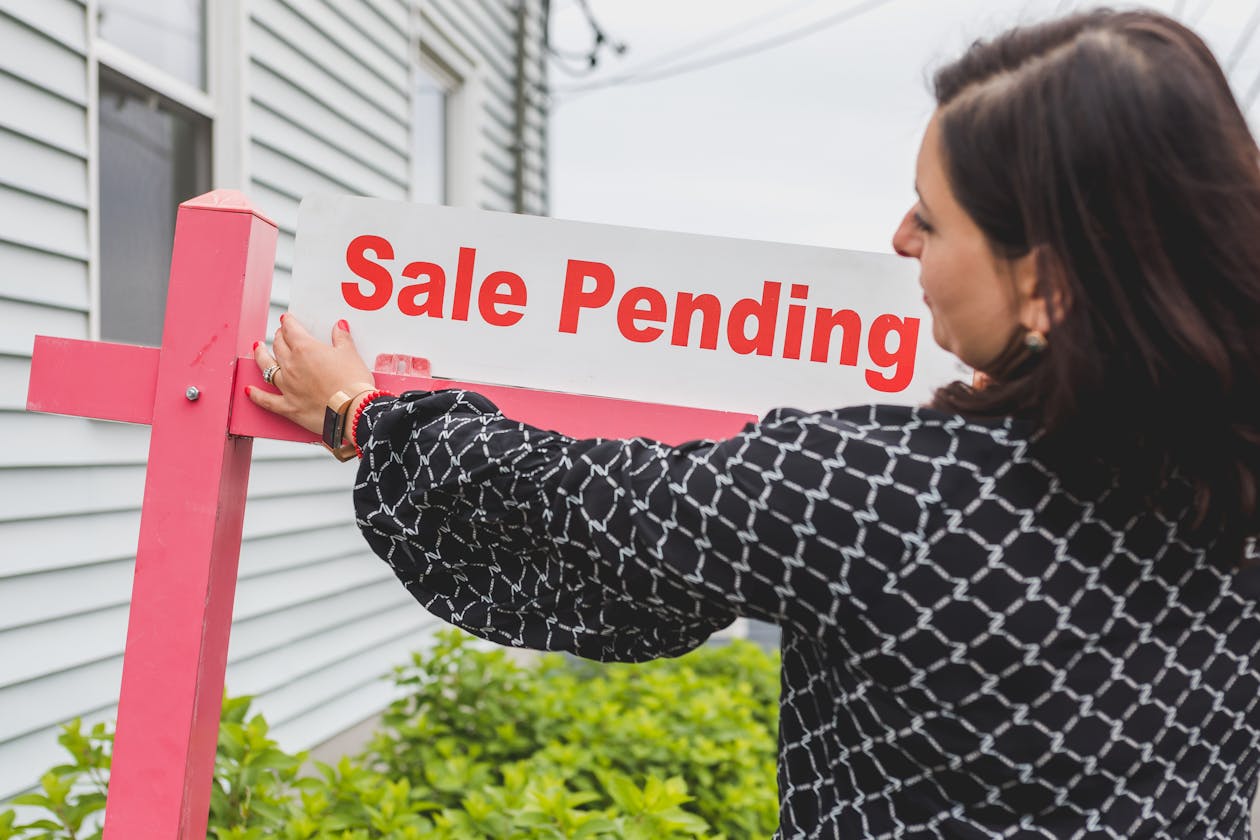
Should You Waive the Appraisal Contingency?
Should you waive an appraisal contingency entirely? It's becoming more common in competitive markets, but before deciding to go without an appraisal contingency, understand the serious risks involved. When the appraisal doesn't meet expectations, buyers without this protection face difficult choices.
Risks of Waiving
- Full financial commitment: You must pay the purchase price regardless of appraised value
- Potentially significant cash requirement: Appraisal gaps can be $20,000, $50,000, or more
- Immediate negative equity: You'll owe more than the home is worth from day one
- No negotiating leverage: Seller has no incentive to adjust price
- Possible deal failure: If you can't fund the gap, you lose your earnest money
When Waiving Might Make Sense
Consider waiving the appraisal contingency only when:
- You're paying cash: No lender requirements to worry about
- You have substantial reserves: Enough cash to cover a large gap plus closing costs and reserves
- You're making a small down payment: The appraisal gap relative to your total cash outlay is manageable
- You've done your research: Comparable sales support your offer price
- The property is unique: Fair market value is subjective, and you believe in the value
Warning: Never waive the appraisal contingency unless you have confirmed, liquid assets to cover a worst-case gap. Hope is not a strategy.
Alternatives to Waiving Completely
Instead of full waiver, consider these middle-ground approaches:
- Appraisal gap coverage: Commit to a specific dollar amount (as discussed above)
- Percentage-based coverage: Agree to cover gaps up to 3-5% of purchase price
- Floor provision: Waive contingency only if appraisal exceeds a minimum threshold
- Pre-offer appraisal: Get an appraisal before making your offer (unusual but possible)
Negotiating Strategies for Appraisal Issues
Effective negotiation can save deals when appraisals fall short:
For Buyers
- Understand the seller's motivation: How badly do they need to sell? Are they buying another home contingent on this sale?
- Know your walk-away point: Decide the maximum you'll pay above appraised value before negotiations begin
- Present facts, not emotions: The appraisal is an independent assessment—use it as objective evidence
- Offer creative solutions: Maybe the seller covers some closing costs instead of reducing price
- Be prepared to walk: Your willingness to leave gives you negotiating power
Common Negotiation Outcomes
- Price reduction to appraised value: Most favorable for buyers
- Split the difference: Both parties compromise—most common resolution
- Seller credits: Price stays same, but seller contributes to closing costs
- Buyer covers gap: When buyer wants the home badly enough
- Deal cancellation: When parties can't agree
Strengthening Your Position
Before negotiating, gather supporting information:
- Review the appraisal report thoroughly for any errors
- Research additional comparable sales
- Document any market changes since your offer
- Understand how long the property has been listed
- Know if there were other interested buyers
Appraisal Contingency vs. Other Contingencies
The appraisal contingency is one of several types of contingencies that protect buyers when making an offer on a home:
| Contingency | Purpose | Typical Period |
|---|---|---|
| Appraisal | Protects if home appraises below purchase price | 14-21 days |
| Financing | Allows exit if mortgage not approved | 21-30 days |
| Inspection | Allows exit based on inspection findings | 7-14 days |
| Title | Ensures clear title can be transferred | Until closing |
| Home Sale | Makes purchase dependent on selling current home | 30-60 days |
In competitive markets, buyers often waive contingencies to strengthen offers. If you must waive something, the appraisal contingency (with some gap coverage) is often the first to go. The inspection contingency should rarely be waived due to the risk of unknown property defects.
Frequently Asked Questions
What if the seller won't negotiate on a low appraisal?
If the seller refuses to budge and you have an appraisal contingency, you can walk away with your earnest money. Alternatively, if you still want the home, you must pay the gap in cash. Consider whether the home is worth the extra cost to you personally, regardless of what an appraiser says.
Can I get a second appraisal if I disagree with the first?
You can request a second appraisal through your lender, but it's not guaranteed and you'll pay for it. Lenders typically only order second appraisals if there's clear evidence of errors in the first. A formal Reconsideration of Value (ROV) with supporting comps is usually the better first step.
Does the appraisal contingency apply to cash purchases?
Not automatically. Cash buyers don't need lender-ordered appraisals, so there's no built-in trigger. However, cash buyers can still include an appraisal contingency in their contract if they want this protection. Some cash buyers order independent appraisals for their own due diligence.
What if the appraisal comes in higher than the purchase price?
This is good news! Your contingency is satisfied (the home appraised at or above the purchase price), and you have instant equity. The seller doesn't get more money—you simply proceed at your agreed price. Resist the urge to tell the seller about the high appraisal.
How much cash should I have ready for an appraisal gap?
A good rule of thumb: have at least 5% of the purchase price in additional liquid funds beyond your down payment and closing costs. In very competitive markets or when offering significantly above asking, budget 10% or more.
Can I remove my appraisal contingency early?
Yes, you can remove (waive) your contingency at any time by signing an appraisal addendum or contingency removal form. Once removed, you're committed to proceed regardless of appraisal results. Only remove early if you've received a satisfactory appraisal or are prepared for any outcome.
What happens if the appraisal isn't completed by my contingency deadline?
Request an extension in writing before your deadline expires. Most sellers will grant reasonable extensions for appraisal delays, as they're often outside your control. If you don't request an extension and the deadline passes, you may have waived your contingency rights.
Key Takeaways
- The appraisal contingency protects you from overpaying by giving you exit options when a home appraises below purchase price
- Appraisal gap coverage offers a middle ground—you commit to a specific amount while preserving some protection
- Never waive the contingency unless you have confirmed liquid assets to cover worst-case scenarios
- Most low appraisal situations resolve through negotiation—be prepared with facts and a walk-away point
- Work with an experienced agent who can help you structure offers and navigate appraisal challenges
Find an Agent Who Protects Your Interests
A great buyer's agent helps you navigate appraisal contingencies and negotiate effectively when challenges arise.
Find a Local Agent