15 Best Small Towns to Buy a House in 2026
Affordable homes, growing economies, and high quality of life in towns most buyers overlook.
Larger cities get all the attention. But in 2026, the smartest homebuyers are looking at small towns. With the national median home price sitting near $420,000 and mortgage rates hovering around 6.5%, affordability is pushing buyers toward communities where their dollar stretches further. The housing market in popular small towns across America offers homes at nearly half the national price, lower property taxes, and amenities that metro areas struggle to match. More buyers than ever want to move to a small town where property values are stable and the pace of life is slower. Small-town living offers open space, a rural setting within reach of major cities, and a lower cost of living than metro areas in the U.S. that have priced out the middle class.
We analyzed data from the U.S. Census Bureau, Zillow, Redfin, the Bureau of Labor Statistics, and C2ER's Cost of Living Index to rank the 15 best small towns to buy a house in 2026. Each town was evaluated on median home price, cost of living index, population growth trends, job market strength, healthcare access, and overall livability. Every town on this list has a population under 100,000 and a median home price under $320,000.
Whether you are a first-time buyer, a remote worker, a growing family, or a retiree seeking a quieter pace, these are the best small towns to live in for affordable homeownership. Several are among the fastest-growing small cities in the country. A knowledgeable local real estate agent can help you find a home in a small town and navigate the unique dynamics of these markets. Below you will find homes for sale price ranges, cost breakdowns, and everything you need to decide where to buy.
Quick Comparison: All 15 Towns at a Glance
| # | Town | State | Median Home Price | Cost of Living | Population | Best For |
|---|---|---|---|---|---|---|
| 1 | Hickory | NC | $245,000 | 12% below avg | 43,490 | Remote workers |
| 2 | Georgetown | TX | $310,000 | 4% below avg | 75,420 | Families |
| 3 | Summerville | SC | $290,000 | 8% below avg | 53,643 | Families |
| 4 | Ankeny | IA | $303,000 | 10% below avg | 73,578 | Young professionals |
| 5 | Cookeville | TN | $195,000 | 14% below avg | 35,000 | Retirees |
| 6 | Fairhope | AL | $285,000 | 9% below avg | 22,460 | Retirees |
| 7 | New Braunfels | TX | $295,000 | 5% below avg | 98,857 | Families |
| 8 | Morristown | TN | $178,000 | 12% below avg | 30,983 | Budget buyers |
| 9 | St. George | UT | $315,000 | 3% below avg | 99,628 | Outdoor enthusiasts |
| 10 | Apex | NC | $310,000 | 2% below avg | 68,839 | Families |
| 11 | Dublin | GA | $152,000 | 13% below avg | 16,023 | Budget buyers |
| 12 | Rapid City | SD | $275,000 | 7% below avg | 78,000 | Retirees |
| 13 | Bowling Green | KY | $210,000 | 11% below avg | 78,557 | Young professionals |
| 14 | Davenport | FL | $265,000 | 6% below avg | 41,000 | First-time buyers |
| 15 | Fort Wayne | IN | $195,000 | 15% below avg | 95,000 | Budget buyers |
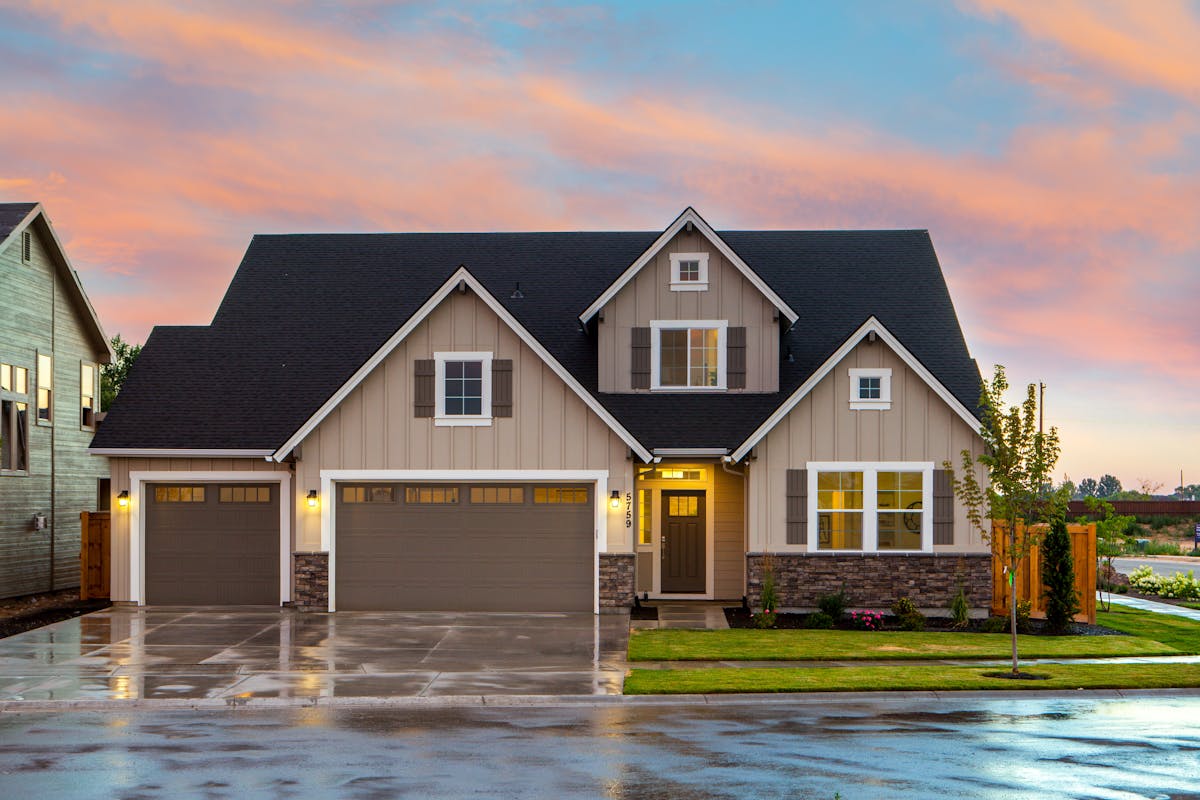
Small towns offer charm, affordability, and space that big cities cannot match.
1 Hickory, North Carolina
Hickory sits in the foothills of the Blue Ridge Mountains and has become one of the best small towns in America for new residents relocating from major cities. Once known for furniture manufacturing, Hickory now attracts tech companies, healthcare employers, and remote workers seeking affordable mountain living. The metro area was named one of the most affordable in the country by U.S. News.
Housing prices run about 42% below the national median. A three-bedroom home with a mountain view can cost less than a one-bedroom apartment in Charlotte. Downtown Hickory has undergone a major revitalization with new restaurants, breweries, and a city walk project connecting the arts district to local parks. Property taxes in Catawba County average around 0.75%, well below the national average.
The local economy is diversifying into fiber optic manufacturing, data centers, and healthcare. Frye Regional Medical Center and Catawba Valley Medical Center provide strong healthcare access. Commuters can reach Charlotte in about 75 minutes via I-40. A local real estate agent in Hickory can help you find starter homes or investment properties in this fast-growing market.
2 Georgetown, Texas
Georgetown is one of the fastest-growing small towns in Texas and made national headlines as the fastest-growing small city in the United States. Located just 30 miles north of Austin, it grew by more than 14% in a single recent year. Families and retirees are flocking here for affordable homes, no state income tax, and a beautifully preserved historic town square.
The Sun City retirement community has attracted thousands of active adults age 55 and older. Young families love the top-rated Georgetown Independent School District. Downtown features boutique shops, local restaurants, and weekly farmers markets. Homes in Georgetown cost about 26% less than the national median despite being within commuting distance of Austin's booming tech job market.
New master-planned communities are still being built, keeping inventory more accessible than in Austin proper. Property tax rates in Williamson County run around 1.8%, which is moderate for Texas. Buyers should act quickly in Georgetown because homes sell within 20 days on average. Working with a local real estate agent is essential in this competitive market.
3 Summerville, South Carolina
Known as "Flowertown in the Pines," Summerville is a family-friendly town that sits just 25 miles from downtown Charleston. Each town offers something different, and Summerville delivers Southern charm without the Charleston price tag. Homes here cost about 31% less than the national median. Azalea-lined streets, historic homes, and a vibrant Main Street make it one of the most picturesque small towns in the Southeast.
Summerville's population has nearly doubled in the past 15 years as Charleston's growth spills outward. Dorchester District 2 schools rank among the best in South Carolina. Major employers include Volvo Cars, Boeing, and the Medical University of South Carolina, all within a short commute. The town has no city property tax, though county and school district taxes apply.
New construction ranges from $250,000 starter homes to $400,000 custom builds in master-planned communities like Nexton. First-time buyers will find more options here than in Charleston. Inventory moves fast, so connecting with a real estate agent in Summerville early gives you a competitive edge.
4 Ankeny, Iowa
Ankeny is the fastest-growing city in Iowa and a consistent top-25 finisher in U.S. News Best Places to Live rankings. Located just north of Des Moines, Ankeny combines suburban convenience with small-town community. The Ankeny Community School District is rated among the best in the state, drawing families from across the metro.
The median household income here exceeds $103,000, well above the national average. John Deere, Casey's General Stores, and DMACC employ thousands locally. The Prairie Trail mixed-use development offers walkable retail, dining, and housing. Property taxes in Polk County average around 1.5%, and Iowa's flat income tax rate recently dropped to 3.9%.
New construction is plentiful. Buyers can find four-bedroom homes starting around $280,000. The High Trestle Trail, a 25-mile biking and walking path, anchors outdoor recreation. Des Moines International Airport sits just 15 minutes south. A real estate agent in the Des Moines metro can help you navigate Ankeny's fast-moving new-build market.
5 Cookeville, Tennessee
Cookeville sits on the Cumberland Plateau, roughly halfway between Nashville and Knoxville on I-40. Tennessee has no state income tax, making it a magnet for retirees and remote workers watching their bottom line. Cookeville's median home price of $195,000 is less than half the national average.
Tennessee Tech University anchors the local economy and brings cultural events, outdoor activities, and a young workforce. The town is also home to a growing arts community. Cookeville Regional Medical Center provides solid healthcare access. The town boasts four championship disc golf courses, waterfalls within a 30-minute drive, and a growing downtown restaurant scene.
Housing inventory includes everything from $130,000 starter homes to $300,000 properties on acreage. Putnam County property tax rates average about 0.53%, among the lowest in the state. Cookeville represents one of the best value plays on this entire list for buyers who want space, nature, and a low cost of living.
6 Fairhope, Alabama
Fairhope perches on the eastern shore of Mobile Bay with oak-lined streets, art galleries, and sunsets that regularly make national "best of" lists. It frequently ranks among the top retirement destinations in the South. Alabama has no state tax on Social Security income, and overall property taxes are among the lowest in the nation.
The town draws affluent retirees and remote workers from across the country. Downtown Fairhope is walkable and features independent bookstores, farm-to-table restaurants, and weekly arts markets. The public pier on Mobile Bay is a community gathering spot. Thomas Hospital provides local healthcare, and larger facilities in Mobile are just 30 minutes away.
Homes range from $200,000 cottages to waterfront properties above $500,000. The sweet spot for most buyers is the $250,000 to $350,000 range in established neighborhoods. Baldwin County property tax rates average just 0.33%. Fairhope's charm comes at a price of growing popularity, so inventory can be tight. Working with a local real estate agent is key.
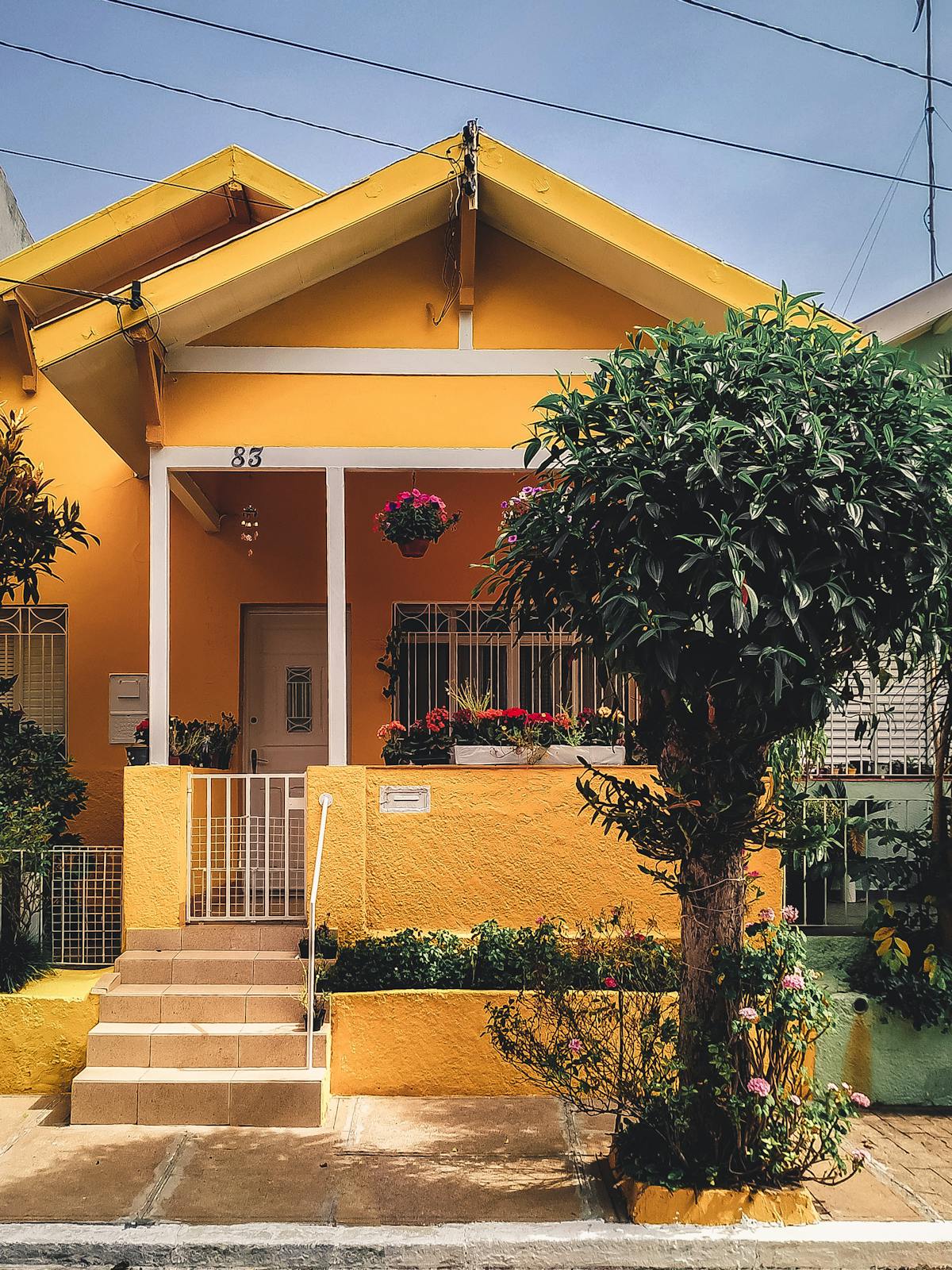
Small-town neighborhoods offer space, community, and home prices well below metro areas.
7 New Braunfels, Texas
New Braunfels ranks among the fastest-growing cities in Texas. Tucked between San Antonio and Austin on I-35, it grew from 57,000 to nearly 99,000 residents in a decade. German heritage, two crystal-clear rivers, and no state income tax create a lifestyle that is hard to beat at this price point.
Schlitterbahn waterpark and Gruene Historic District draw millions of tourists annually, supporting a strong local economy. Major employers include CHRISTUS Santa Rosa Hospital, the Comal Independent School District, and a growing tech workforce commuting to Austin or San Antonio. Grocery and utility costs run about 7% below the national average.
Home prices range from $220,000 for older homes to $400,000-plus for new construction in communities like Vintage Oaks. Property taxes in Comal County average about 1.7%. First-time buyers should explore areas east of I-35 for the best value. The market moves fast, with homes averaging just 25 days on market.
8 Morristown, Tennessee
Morristown is one of the most affordable towns in the entire Southeast. At $178,000, the median home price is less than half the national average. The town sits in the Lakeway Area of East Tennessee, surrounded by Cherokee Lake and Douglas Lake. Both offer over 400 miles of combined shoreline for fishing, boating, and kayaking.
Tennessee's zero state income tax applies here, and Hamblen County property taxes are among the lowest in the state. Housing and transportation costs run 23% and 16% below the national average, respectively. The town serves as a regional hub for employment, shopping, and healthcare across eight surrounding counties.
Panther Creek State Park provides 1,435 acres of hiking, mountain biking, and camping. The historic downtown hosts a summer concert series and craft festivals. Morristown is an especially strong fit for retirees and budget-conscious first-time buyers who want lakeside living without the premium price tag.
9 St. George, Utah
St. George sits in Utah's red rock country with 300-plus days of sunshine per year. It has been one of the fastest-growing metro areas in America for two decades running. Zion National Park is 45 minutes away. Snow Canyon State Park sits right at the city's edge. Outdoor recreation here is world-class.
The economy is driven by healthcare (Intermountain St. George Regional Hospital), education (Utah Tech University), and tourism. This rural town turned thriving small city draws retirees who love the mild winters and active lifestyle. It escapes the hustle and bustle of Las Vegas while keeping it within a two-hour drive. Families appreciate the strong schools and low crime rates. Utah's flat 4.55% state income tax keeps the overall tax burden moderate.
Homes in St. George range from $260,000 condos to $500,000-plus single-family homes in newer developments. Washington County property taxes average about 0.55%. The market has cooled slightly from its 2022 peak, creating a window for buyers. An experienced real estate agent can help you find value as prices stabilize.
10 Apex, North Carolina
Apex earned the nickname "The Peak of Good Living" and consistently ranks among the best places to live in America. Located in the Research Triangle region of North Carolina, it offers proximity to Raleigh, Durham, and Chapel Hill without the urban premium. Wake County schools rank among the top in the state.
The Research Triangle's tech-heavy job market includes employers like Apple, Epic Games, Cisco, and dozens of biotech firms. Apex's historic downtown has a 1867 train station, local breweries, and a walkable grid of independent shops. The median household income is strong, supporting steady home value appreciation.
Homes in Apex range from $275,000 townhomes to $450,000 single-family properties. Property taxes in Wake County average about 0.85%. The town continues to grow, with new neighborhoods and schools being added each year. Buyers who want Research Triangle jobs with a small-town feel will find Apex hard to beat.
11 Dublin, Georgia
Dublin is the most affordable town on this entire list. At $152,000, the median home price is 64% below the national average. Located halfway between Atlanta and Savannah, Dublin hosts three college campuses, a Veterans Administration Medical Center, and two nationally recognized historic districts.
Housing costs run 25.5% below the national average. Georgia offers generous tax breaks for retirees, with up to $65,000 in retirement income excluded for those 65 and older. The town's cost of living is nearly 13% below the U.S. average across all categories. Renters save too, with rents about 14% below the national average.
Dublin is best suited for retirees, remote workers, and budget buyers who prioritize affordability above all else. The poverty rate is higher than average, and job opportunities are more limited than larger towns on this list. But for buyers who work remotely or are on a fixed income, Dublin offers housing value that is nearly impossible to find elsewhere.
12 Rapid City, South Dakota
Rapid City is the gateway to the Black Hills, Mount Rushmore, and Badlands National Park. South Dakota has no state income tax, no state inheritance tax, and some of the lowest property taxes in the country. For retirees and tax-conscious buyers, it is one of the most financially advantageous places to buy a home.
The economy is anchored by Ellsworth Air Force Base, Monument Health hospital system, tourism, and a growing tech sector. The unemployment rate consistently runs below the national average. Downtown Rapid City features the City of Presidents walking tour, local art galleries, and a thriving restaurant scene.
Homes range from $200,000 ranch-style properties to $350,000 newer builds. Pennington County property taxes average about 1.1%. The Black Hills region offers year-round outdoor recreation including hiking, mountain biking, fishing, and skiing at Terry Peak. Rapid City is ideal for buyers who want natural beauty, low taxes, and genuine small-town community.
13 Bowling Green, Kentucky
Bowling Green is a great place to buy a home and a wonderful place for families. It is home to many employers and Western Kentucky University. The Corvette Assembly Plant and National Corvette Museum put it on the map, but the local economy has diversified into healthcare, manufacturing, and education. The cost of living runs 11% below the national average.
At $210,000, the median home price is exactly half the national average. The city sits along I-65 between Nashville (60 miles south) and Louisville (110 miles north), making it a commutable option for workers in either metro. Lost River Cave, Mammoth Cave National Park, and Barren River Lake provide outdoor recreation within easy reach.
Young professionals and families benefit from affordable starter homes in the $150,000 to $250,000 range. Western Kentucky University brings cultural events, college sports, and a steady rental market for investors. Warren County property taxes average about 0.75%. Bowling Green is an underrated gem for buyers seeking value in the upper South.
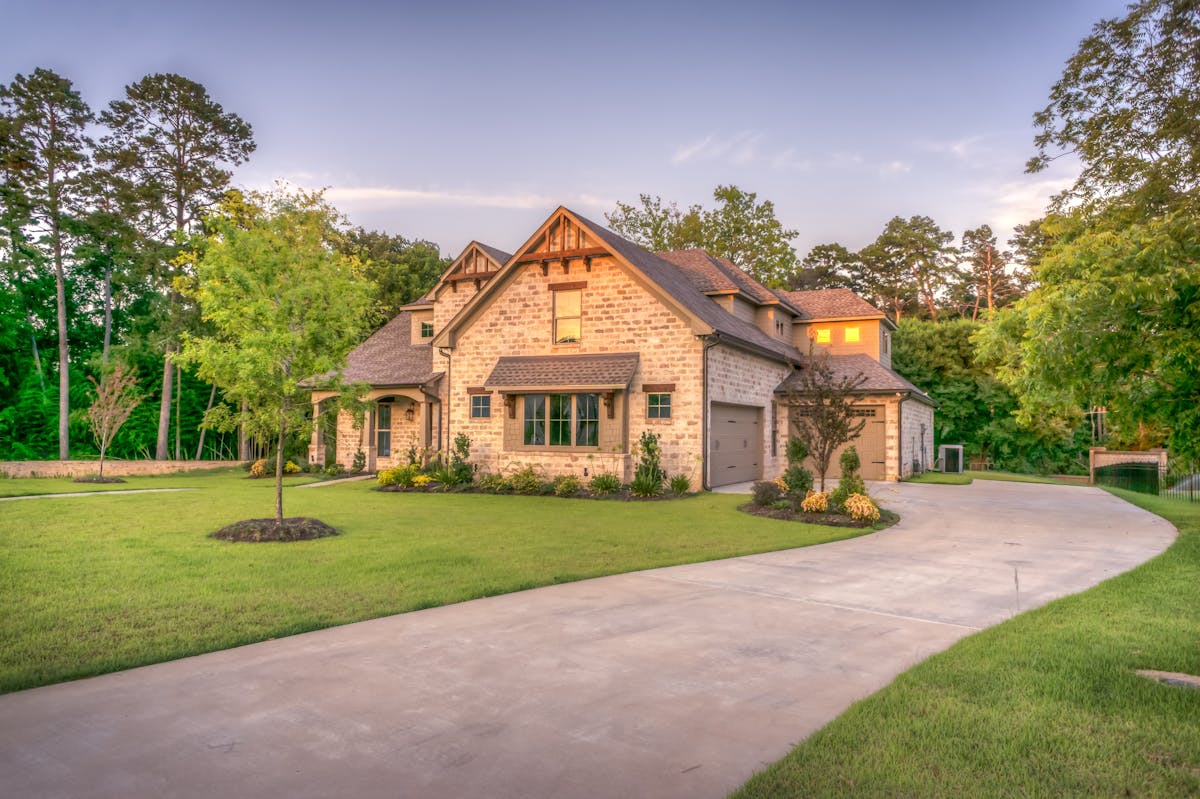
Homes in small towns often come with larger lots and lower price tags than metro areas.
14 Davenport, Florida
Davenport is a hidden gem in Central Florida. Located just south of Orlando and minutes from Walt Disney World, it offers new-construction homes at prices that would be impossible in the Orlando metro core. Florida has no state income tax, and Polk County property taxes are moderate by Florida standards.
The town has exploded from a quiet citrus community into a rapidly growing suburb attracting families, retirees, and real estate investors. New homes in single-family communities offer modern four-bedroom layouts starting around $250,000. Every amenity a family needs is within a short drive. Short-term rental potential adds another layer of appeal for investors looking to offset their mortgage.
Healthcare access includes AdventHealth Davenport and proximity to Orlando's major hospital systems. The Polk Parkway and I-4 provide easy commute access to Orlando, Tampa, and Lakeland. First-time buyers and families relocating from high-cost states will find Davenport especially attractive.
15 Fort Wayne, Indiana
Fort Wayne wraps up our list as one of the most affordable mid-size cities in the Midwest. A $195,000 median home price combined with a cost of living 15% below the national average gives buyers exceptional purchasing power. The city has invested heavily in its downtown riverfront, Promenade Park, and Electric Works innovation campus.
Major employers include Parkview Health, Lutheran Health Network, General Motors, and Sweetwater Sound (the world's largest online music retailer). Indiana's flat 3.05% state income tax is among the lowest in the country. Allen County property taxes average around 0.85%, and homestead exemptions further reduce the burden for primary residents.
Neighborhoods like Aboite Township and Southwest Allen County offer highly rated schools and homes in the $180,000 to $280,000 range. Fort Wayne's food scene has earned national recognition, and the Fort Wayne TinCaps minor league baseball team draws families downtown. For pure value and quality of life, Fort Wayne delivers.
Affordability Scorecard: How Each Town Compares
Each town scored on a 10-point scale across five categories. Higher is better. Scores based on Census, BLS, and C2ER data.
| Town | Home Price | Cost of Living | Job Market | Growth | Quality of Life | Total /50 |
|---|---|---|---|---|---|---|
| Hickory, NC | 9 | 8 | 7 | 8 | 8 | 40 |
| Georgetown, TX | 7 | 7 | 9 | 10 | 9 | 42 |
| Summerville, SC | 7 | 8 | 8 | 9 | 8 | 40 |
| Ankeny, IA | 7 | 8 | 9 | 9 | 8 | 41 |
| Cookeville, TN | 10 | 9 | 6 | 7 | 7 | 39 |
| Fairhope, AL | 7 | 8 | 6 | 8 | 9 | 38 |
| New Braunfels, TX | 7 | 7 | 8 | 10 | 9 | 41 |
| Morristown, TN | 10 | 9 | 6 | 5 | 7 | 37 |
| St. George, UT | 6 | 7 | 8 | 9 | 10 | 40 |
| Apex, NC | 7 | 7 | 9 | 9 | 9 | 41 |
| Dublin, GA | 10 | 9 | 4 | 4 | 5 | 32 |
| Rapid City, SD | 8 | 8 | 7 | 7 | 9 | 39 |
| Bowling Green, KY | 9 | 8 | 7 | 7 | 7 | 38 |
| Davenport, FL | 8 | 7 | 7 | 9 | 7 | 38 |
| Fort Wayne, IN | 10 | 9 | 7 | 6 | 7 | 39 |
What to Look for When Buying in a Small Town
Small town living plays by different rules than metro markets. Whether you want to live in a small town permanently or find a small town for a vacation home, here is what experienced buyers evaluate before making an offer. If you are looking to live in a rural small town, a coastal community, or a mountain retreat, the same principles apply. Each nearby town can offer the best combination of affordability and lifestyle depending on what you need.
Check internet infrastructure. Remote workers should verify fiber or high-speed broadband availability before committing. Many small towns are investing in fiber networks, but coverage can vary block by block. Ask your real estate agent about connectivity in specific neighborhoods.
Evaluate healthcare access. Towns with a regional hospital score higher for families and retirees. Check drive times to the nearest emergency room and specialist facilities. Several towns on our list, including Cookeville, St. George, and Bowling Green, have strong regional medical centers.
Research population trends. The fastest-growing small towns signal a healthy economy and rising property values. Shrinking populations can mean declining services, closing schools, and stagnant appreciation. Every town on this list has either stable or growing population trends.
Understand property taxes. Tax rates vary dramatically between counties. A $250,000 home in Fairhope, Alabama, might owe $825 in annual property taxes. The same home in Georgetown, Texas, could owe $4,500. Factor property taxes into your total monthly housing cost, not just the mortgage payment.
Visit before you buy. Spend at least a long weekend in any town before making an offer. Walk the downtown, visit the grocery stores, check restaurant options, and talk to residents. What looks perfect online may not match your lifestyle in person. Settling into a new town is a major commitment.
Ready to Find Your Small-Town Home?
Local expertise matters most in small markets. Connect with a real estate agent who knows the neighborhoods, schools, and hidden inventory in your target town.
Find a Local Real Estate AgentSmall-Town Homebuyer Checklist
Use this checklist before buying a home in any small town. Print it or save it for your home search.
Our Methodology
We evaluated over 200 small towns across the United States using data from the following sources.
Home prices were pulled from Zillow's Home Value Index and Redfin median sale prices for Q4 2025. Cost of living data comes from C2ER's Cost of Living Index 2025 Annual Average. Population and income figures are from the U.S. Census Bureau American Community Survey. Unemployment rates come from the Bureau of Labor Statistics. Property tax rates were sourced from county tax assessor records and Tax Foundation state comparisons.
Towns were filtered to populations under 100,000 and median home prices under $320,000. Each was scored on five dimensions: home price affordability, cost of living, job market strength, population growth trajectory, and overall quality of life (healthcare, recreation, schools, walkability). The final ranking balances affordability with livability because the cheapest town is not always the best place to live.
Frequently Asked Questions
What is the best small town to buy a house in 2026?
Hickory, North Carolina ranks as the best small town to buy a house in 2026. It has a median home price around $245,000, a cost of living 12% below the national average, and strong job growth driven by tech and healthcare expansion. Remote workers and retirees are both drawn to its Blue Ridge Mountain setting and revitalized downtown.
What makes a small town good for buying a house?
The best small towns for homebuyers combine affordable home prices (typically under $300,000), a cost of living below the national average, low property taxes, strong job growth or remote-work friendliness, good schools, low crime rates, and access to healthcare. Population growth is another strong indicator because rising demand supports long-term home value appreciation.
Are small towns a good investment for real estate?
Many small towns offer excellent real estate investment potential. Towns with population growth above 5% per decade, diversifying economies, and median home prices well below the national average of $420,000 can deliver strong appreciation. Small towns near major metros or with tourism appeal often see the best returns. A local real estate agent can help you identify which neighborhoods offer the strongest investment fundamentals.
How do I find a real estate agent in a small town?
Start by searching for agents who specialize in your target area. Local expertise matters more in small towns because inventory is limited and market knowledge is critical. Use a free agent-matching service to connect with experienced agents in any small town across the country. Look for agents with strong reviews and recent transaction history in the area.
What are the downsides of buying a house in a small town?
Small towns can have limited healthcare facilities, fewer job opportunities, longer commutes to metro areas, and smaller school districts. Resale can also be slower in towns with low population density. Limited inventory means fewer homes to choose from, and some small towns lack high-speed internet, which matters for remote workers. Always visit before buying and research infrastructure improvements planned for the area.
Should I buy a house in a small town or a city?
It depends on your priorities. Small towns offer lower home prices, less competition, more space, and a quieter lifestyle. Cities offer more jobs, entertainment, healthcare access, and faster home appreciation. Many buyers find the best balance in small towns within 30 to 60 minutes of a major metro, giving them affordable housing with access to city amenities when needed.
Start Your Small-Town Home Search Today
Small-town markets move fast and inventory is limited. A local real estate agent gives you first access to new listings and the negotiation expertise to land the right home at the right price.
Find Your Agent Now