
Mortgage Fraud Just Hit 1 in 118 Applications, Here's What Real Estate Agents Need to Know
Mortgage fraud increased 8.2% YoY in Q3 2025. Learn the 7-point verification protocol that catches sophisticated scams before closing.
Richard Kastl

One in four homebuyers receive suspicious messages during their transaction. One in twenty actually lose money, sometimes their entire down payment, to sophisticated scammers posing as trusted professionals. First-time homebuyers are three times more likely to fall victim than repeat buyers, according to CertifID’s 2025 State of Wire Fraud Report. The FBI documented over $173 million in real estate fraud losses in 2024 alone. According to the National Association of Realtors, wire fraud remains one of the fastest-growing crimes targeting real estate transactions.
Wire fraud is targeting every aspect of real estate transactions, but first-time home buyers face the highest risk. When buying a home, wire fraud is targeting your closing costs, down payment, and even your mortgage funds. Understanding mortgage wire fraud and other fraud schemes that threaten the closing process is essential fraud prevention. Many home buyers are unaware of wire fraud risks until it’s too late, educating yourself about how wire fraud happens protects your investment.
Wire fraud in real estate is one of the biggest financial threats facing home buyers today. This type of fraud is one of the most devastating because victims who have wired money to a scammer rarely get the money back. The federal trade commission, along with the FBI and national association of realtors®, identifies wire fraud in real estate as one of the biggest sources of consumer losses in property transactions. Fraud is one of the fastest-growing crimes targeting real estate, and attempts to get the money back after sending payments via wire to criminals usually fail. This type of fraud has grown exponentially, with the dangers of wire fraud affecting buyers and sellers across all 50 states.
In this guide, you’ll learn exactly how this type of fraud works, why fraud in real estate targets first-time buyers, and the specific protection strategies that your real estate agent, the coalition to stop real estate wire fraud in real estate, and the federal trade commission recommend. Understanding the dangers of wire fraud helps protect buyers and sellers from devastating financial losses.

Mortgage wire fraud represents one of the most devastating forms of fraud in real estate transactions. Unlike other scams, mortgage wire fraud targets the largest single payment in most people’s lives, the funds needed to buy a home. When scammers succeed with mortgage wire fraud, victims lose not just money but their ability to complete the purchase, their credit standing, and often years of savings.
The national association of realtors® has documented that mortgage wire fraud attempts have increased 37% since 2023, with average losses exceeding $47,000 per incident. Wire fraud is targeting the vulnerable moments in the closing process when home buyers must quickly wire money to complete their purchase. The sophistication of mortgage wire fraud schemes continues to evolve, making fraud prevention education critical for anyone buying a home.
Real estate pros report that mortgage wire fraud typically strikes during the final days before closing, when buyers are focused on completing their purchase and less vigilant about security protocols. The wire transfer scam begins when fraudsters intercept or spoof communications between the home buyer, their broker, lender, and title company. By impersonating trusted parties, these criminals trick buyers into sending closing costs and down payments to fraudulent accounts.
A wire fraud scam targeting real estate transactions is a highly coordinated criminal operation. Wire fraud is targeting real estate specifically because transactions involve large sums of financial information exchanged rapidly between multiple parties. The wire transfer scam exploits the complexity of buying a home to insert fraudulent payment instructions at critical moments.
Here’s how a typical wire fraud scam unfolds:
The Setup Phase: Criminals monitor public property records, social media, and real estate websites to identify targets. They look for indicators that someone is buying a home, new listing activity, mortgage applications visible in public records, or social media posts about house hunting. First-time home buyers are preferred targets because they’re unfamiliar with the closing process and standard fraud prevention protocols.
The Information Gathering: Through data breaches, phishing, or social engineering, scammers collect financial information about the transaction. They gather details about the transaction that criminals can use to their advantage. Scammers learn the buyer’s name, property address, estimated closing date, closing costs, and the identities of the broker, lender, and title company involved, details about the transaction they can use to their advantage when impersonating trusted parties. This financial information and details about the transaction allow them to create convincing fraudulent communications. Details about the transaction gathered through downloading files from emails (if they’ve compromised an account) or public records give criminals information to use to their advantage in their fraud schemes. Never open attachments or risk downloading files from emails unless you’ve verified the sender’s phone number or email independently.
The Attack: Days or hours before the scheduled closing, the wire fraud scam activates. The home buyer receives an email that appears to come from their title company, lender, or broker. The message explains that wiring instructions have changed due to a “banking update,” “security protocol,” or “system upgrade.” It provides detailed instructions to wire money to an account controlled by the criminals.
The Critical Moment: The victim, trusting the apparent source and focused on completing the closing process, follows the instructions and wires their closing costs and down payment, often $30,000 to $150,000, to the fraudulent account. Within minutes or hours, the money is transferred again, moved offshore, or converted to cryptocurrency. By the time the victim arrives for closing and discovers the fraud in real estate transaction, recovery is nearly impossible.

Consider Sarah’s story. A first-time home buyer in Colorado, Sarah received an email from what appeared to be her title company with wiring instructions for her $45,000 down payment. The email looked legitimate, professional letterhead, correct closing details, urgent but not panicked tone. She was hours away from following the instructions when something made her pause and call her broker.
If Sarah had wired that money without verification, here’s what would have happened:
This isn’t hypothetical. The FBI documented over $173 million in real estate fraud losses in 2024 alone. The average victim loses between $30,000 and $50,000. And first-time home buyers, unfamiliar with the closing process and trusting by nature, are the preferred targets. As highlighted in Fortune’s coverage of the housing market affordability crisis, first-time homebuyers are particularly vulnerable to predatory schemes during transactions.
Understanding the closing process is essential fraud prevention. Wire fraud is targeting specific points in the closing process when home buyers must transfer large sums quickly. The closing process typically unfolds over 30-45 days, with the highest wire fraud scam risk occurring in the final week.
Early Closing Process (Days 1-20): The closing process begins when your offer is accepted. During this phase, you’ll work with your mortgage lender to finalize financing, complete inspections, and gather required documentation. Fraud prevention should start here, establish secure communication channels with your broker, lender, and title company. Verify all email addresses and phone numbers, and agree on protocols for sharing financial information.
Mid-Closing Process (Days 21-35): The mortgage underwriting completes, the title company conducts its search, and you receive preliminary closing costs estimates. This is when scammers begin intensive reconnaissance. They know the closing process is advancing and start positioning for the wire fraud scam. Fraud prevention measures should intensify, be especially alert to any emails requesting financial information or updating contact details.
Final Closing Process (Days 36-45): This is when mortgage wire fraud typically strikes. You’ll receive your final Closing Disclosure showing exact closing costs three days before closing. Legitimate wiring instructions should come during this window, but so do fraudulent ones. Wire fraud is targeting this precise moment when you’re authorized to wire money and are expecting wiring instructions.
Real estate pros emphasize that the closing process never requires instant action on wiring instructions. If someone tells you to wire money “immediately” or “within hours,” that urgency itself is a wire fraud scam indicator. The legitimate closing process allows time for verification.
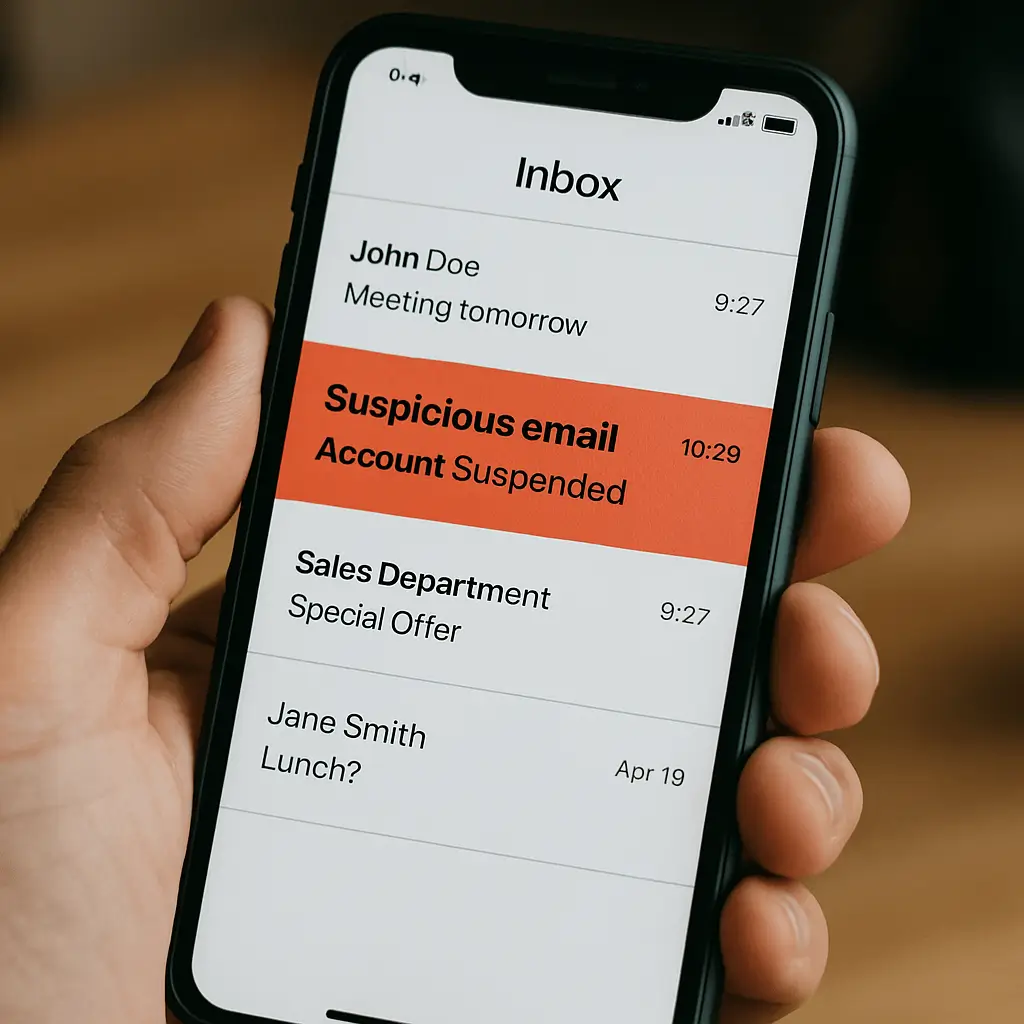
Wire fraud is targeting first-time home buyers at triple the rate of experienced buyers, making it a growing threat in residential real estate. Understanding why this growing threat specifically targets inexperienced buyers helps explain effective fraud prevention strategies. When buying a home for the first time, buyers lack the pattern recognition that protects repeat buyers from fraud schemes and other scams targeting real estate transactions. These scams targeting first-time home buyers exploit their unfamiliarity with the closing process and industry norms.
The vulnerability factors:
1. Unfamiliarity with the Closing Process First-time home buyers don’t know what to expect during the closing process. They don’t question instructions that seem official or timelines that feel rushed. When told to wire money by their broker or title company, they comply without verification. Experienced investors immediately recognize when instructions don’t align with how the closing process normally works, but first-time buyers have no baseline for comparison.
2. Trust in Authority Figures and Financial Information Sharing When an email comes from someone claiming to represent a title company or broker, first-time buyers assume it’s genuine and share financial information freely. Mortgage wire fraud exploits this trust. The wire transfer scam succeeds because scammers impersonate trusted professionals. The email addresses look right, the formatting appears correct, and the sender references specific closing costs and mortgage details they’ve gleaned from public records or data breaches.
3. Pressure and Urgency in the Closing Process Scammers engineer artificial time pressure: “We need you to wire money by end of business today” or “This closing happens tomorrow, send closing costs now.” First-time home buyers, anxious about completing their purchase and unfamiliar with the closing process, respond quickly without proper fraud prevention verification. Real estate pros know that legitimate closing process steps don’t require emergency action, but first-time buyers don’t have this experience.
4. Limited Networks with Brokers and Real Estate Pros Repeat buyers often have established relationships with brokers, agents, and title companies they’ve worked with before. First-time home buyers are meeting these real estate pros for the first time, so they have no baseline to recognize an imposter. When a wire fraud scam involves impersonating their broker or lender, first-time buyers can’t spot inconsistencies that would alert experienced buyers.
5. Inexperience with Financial Information Protection First-time home buyers often don’t realize how much financial information they’ve shared during the mortgage application and how that information can be exploited. They don’t understand that their financial information, income, savings, employment details, has been transmitted across multiple platforms during buying a home, creating opportunities for interception. Fraud prevention requires protecting financial information throughout the transaction, but first-time buyers often don’t realize the risk until it’s too late.
6. The Psychology of “You’re Almost There” By the time wiring instructions arrive, first-time home buyers have already committed emotionally and financially. They’ve passed inspections, secured their mortgage, calculated their closing costs, and are visualizing themselves in their new home. This psychological state makes them less cautious about a wire fraud scam. They want to complete buying a home so badly that they overlook fraud prevention protocols that might delay closing.

The wire fraud scam attack typically follows this sequence, with wire fraud is targeting every step of the closing process:
Stage 1: Reconnaissance and Information Gathering Scammers identify targets by monitoring public property records, new listings, and social media. They identify first-time home buyers through real estate websites, MLS activity, or data breaches from real estate platforms. They gather transaction details, buyer names, property addresses, estimated closing dates, mortgage amounts, and projected closing costs. This intelligence-gathering phase is what makes mortgage wire fraud so effective, criminals know more about your transaction than you realize.
Stage 2: Email Compromise or Spoofing
The scammer either hacks into an actual title company or broker email account, or creates a fraudulent email address that looks nearly identical to the real one. Criminals forge the person’s email address they’re impersonating, your real estate agent, title company, or broker, with subtle variations. They forge the person’s email domain so messages appear legitimate: closingatitle.com instead of [email protected], or replacing an “l” with a “1”. By compromising email accounts or using sophisticated tools to forge the person’s email communications, they can monitor actual correspondence and time their wire fraud scam perfectly to intercept legitimate wiring instructions from your real estate agent or title company.
Stage 3: The Malicious Message Days before the scheduled closing, the home buyer receives an urgent email appearing to come from their title company or broker. It includes real transaction details, property address, buyer name, closing costs amounts, mortgage information, and states that wire instructions have changed due to a “security update,” “banking change,” or “system upgrade.” The email includes wire transfer information, an account number and routing number that belong to the scammer, not the title company. The message is calibrated to create urgency without panic, appearing professional and routine.
Stage 4: The Transfer The home buyer, believing the instruction is legitimate and wanting to complete buying a home, follows instructions to wire money, often their down payment and closing costs totaling $30,000–$150,000+, to the fraudulent account. This transfer of funds happens electronically, sent via wire to the criminal’s account. The transfer of funds via wire is nearly instantaneous and difficult to reverse. Within minutes of initiating the transfer of funds, the money is moved to another account and begins disappearing into the criminal network. The mortgage wire fraud succeeds because the buyer trusted the apparent source and didn’t implement fraud prevention verification before authorizing the transfer of funds via wire.
Stage 5: Discovery and Failed Wire Recall The home buyer shows up to closing and learns the truth: no funds were received. The title company and broker have no record of those wire instructions. Attempts at wire recall, the process banks use to recover fraudulent wire transfers, almost always fail because the funds have already been moved multiple times. The wire recall process can take days or weeks to complete, and by then the money is untraceable. The fraud in real estate transaction has succeeded, and recovery becomes nearly impossible.
Stage 6: The Aftermath The home buyer must report the mortgage wire fraud to their bank, the FBI, local law enforcement, and their title company. The broker and real estate pros involved in the transaction file reports with the national association of realtors® and industry fraud prevention groups. The home buyer’s ability to complete buying a home is now in jeopardy, they must prove to lenders and sellers that they were victims of fraud in real estate, not financially irresponsible. Even with insurance, recovery of funds can take 12-24 months, if it happens at all.
The coalition to stop real estate wire fraud in real estate brings together title companies, the national association of realtors®, lenders, and technology providers to combat mortgage wire fraud. The coalition to stop real estate fraud educates real estate pros and consumers about fraud prevention and develops industry standards for secure communication during the closing process.
What the Coalition to Stop Real Estate Wire Fraud Recommends:
The coalition to stop real estate wire fraud in real estate recommends these specific fraud prevention measures for anyone buying a home. Realtor® associations have developed wire fraud awareness programs, and many associations have developed wire fraud notices they provide to all clients. Some associations have developed wire fraud prevention materials that explain how wire fraud happens and teach clients to always verify wire instructions. Training clients to always verify wire transfer details has become standard practice among ethical real estate pros. Responsible associations have developed wire fraud education requiring agents to discuss risks with every home buyer.
1. Never Trust Wire Instructions Via Email Alone and Always Verify Either in Person or By Phone The coalition to stop real estate fraud emphasizes that real estate pros should never send wire instructions via unsecured email. If you receive wire instructions via email, this should trigger immediate verification either in person or by phone. The safest approach is verifying instructions either in person at the title office or by phone to a known number. Verify wire instructions via a secure channel, either in person at the title company office or by calling directly using a known phone number. Never act on wire instructions via email alone. Always confirm instructions either in person or through verified phone calls. Call your title company or broker directly using a known phone number, not one provided in the email, to confirm the instructions before you wire money. Whenever possible, verify either in person or through multiple phone calls to ensure you’re not unaware of wire fraud attempts targeting your transaction.
2. Implement Multi-Factor Verification for Financial Information The coalition to stop real estate mortgage wire fraud recommends that all financial information and wiring instructions be verified through multiple channels. If your title company emails wiring instructions, call them directly to confirm. If your broker texts closing costs details, verify by phone. This redundancy catches wire fraud scams before money transfers.
3. Use Secure Communication Platforms The coalition to stop real estate fraud advocates for encrypted communication platforms specifically designed for the closing process. These platforms verify identities and create audit trails that prevent wire transfer scams. Ask your broker and title company if they use CertifID, SecureCloseWire, or similar platforms endorsed by the coalition to stop real estate fraud.
4. Educate All Parties About Wire Fraud in Real Estate The coalition to stop real estate mortgage wire fraud stresses that fraud prevention requires everyone in the transaction, the home buyer, broker, lender, title company, to understand how wire fraud in real estate works. Real estate pros should discuss fraud prevention with clients during the first meeting, not wait until the closing process begins.
5. Establish Wire Recall Procedures The coalition to stop real estate fraud recommends that all parties understand wire recall procedures before the closing process begins. Know your bank’s wire recall contact and procedures. If you suspect mortgage wire fraud, immediate wire recall action might recover funds before they’re moved. The coalition to stop real estate fraud provides resources on effective wire recall protocols at their website.
The good news: you can recognize mortgage wire fraud and other wire fraud scams before losing money. Legitimate transaction professionals follow specific protocols that fraudsters either don’t know or can’t replicate. Effective fraud prevention means recognizing these warning signs:
Red Flag #1: Wiring Instructions Sent via Email Legitimate title companies and brokers almost never send instructions to wire money via email alone. It’s their highest-risk transaction detail in the entire closing process. Instead, they verify wiring instructions by phone or through secure platforms. If you receive instructions to wire money for closing costs via email, this is your primary wire fraud scam warning. Call the title company directly using the phone number from their website or your closing documents, not a number provided in the email.
Red Flag #2: A Sudden Change in Wiring Instructions Mortgage wire fraud scammers typically insert themselves late in the closing process when the home buyer is focused and ready to close. If you receive new wiring instructions for your closing costs days or hours before closing, verify them directly with your title company and broker by phone before you wire money. Legitimate changes to wiring instructions during the closing process are rare and always communicated through multiple channels.
Red Flag #3: Pressure to Wire Money Quickly Legitimate closing process procedures have established timelines. They don’t demand you wire money “by end of business today” or “immediately.” If someone is pressuring you to wire money quickly for closing costs or any aspect of buying a home, pause. That pressure is a major wire fraud scam warning sign. Real estate pros know the closing process allows time for verification, and rushed timelines are how fraud in real estate succeeds.
Red Flag #4: Requests for Additional Financial Information If someone claiming to be your title company or broker emails requesting financial information you’ve already provided, that’s suspicious. Legitimate professionals don’t repeatedly ask for financial information already in their files. This tactic is used in mortgage wire fraud to gather intelligence or verify they have the right target.
Red Flag #5: Slight Differences in Email Address or Phone Number Wire transfer scam perpetrators count on you not reading the email address or phone number carefully. They create a fake email address or phone number that looks nearly identical to the real one. They might provide a phone number that looks legitimate but routes to their operation instead of your title company. Compare the sender’s email address or phone number character-by-character with legitimate correspondence you’ve received from your broker, mortgage lender, and title company. Look for subtle tricks: missing dots, substituted numbers for letters (like “1” instead of “l”), a phone number that looks right but has one digit changed, or slightly different domain names in the email address or phone number. This attention to detail is critical fraud prevention during the closing process. Professional real estate pros use best practices like providing verified contact information early in the transaction so you can spot fraudulent email address or phone number variations.
Red Flag #6: Unprofessional Language or Unusual Requests Even sophisticated mortgage wire fraud schemes sometimes contain telltale signs. Slightly odd phrasing, grammatical errors unusual for professional real estate pros, or requests that don’t align with the closing process you’ve experienced so far. If something feels off about the tone or content, trust that instinct and verify before you wire money.
1. Always Verify Wire Instructions Through Multiple Channels
This is the single most effective fraud prevention measure against mortgage wire fraud. The golden rule: always verify wire instructions you receive. Always verify wire instructions by calling the source directly using a known, trusted phone number, never the number provided in an email. The federal trade commission and realtor® associations have developed wire verification best practices that emphasize this critical step. Realtor® associations have developed wire instruction verification protocols specifically because of how common this type of fraud has become.
When you receive wiring instructions for closing costs or any instruction to wire money, always verify wire instructions independently. Don’t call the phone number in the email. Instead:
This takes five minutes and stops 99% of wire fraud scams. Scammers can create fake emails, but they can’t intercept your outbound phone call to a legitimate company’s known number. This simple fraud prevention step protects your closing costs and down payment investment.
2. Use a Title Company That Offers Wire Fraud Protection
Some title companies now offer verification services like CertifID or SecureCloseWire, which authenticate wire instructions through a secure verification process recommended by the coalition to stop real estate fraud. Ask your broker and title company if they offer this during buying a home. If they do, use it. The small fee is worth absolute protection against mortgage wire fraud and wire transfer scams. These platforms prevent fraud in real estate by creating secure channels that criminals cannot penetrate.
3. Set Up a “Call Verification” Protocol with Your Closing Team
Before the closing process intensifies, email your agent, broker, lender, and title company and propose this fraud prevention protocol: “I will verify all instructions to wire money by calling you directly on your official business phone number. If I receive wiring instructions for closing costs via email, I will not act on them until I’ve made this verification call.” Get written confirmation that they agree to this protocol when buying a home. It creates accountability and documentation that protects everyone from mortgage wire fraud.
4. Use a Separate Email for Your Real Estate Transaction
Create an email address specifically for buying a home. Share it only with your agent, broker, lender, and title company. This reduces the chance that scammers can identify you through real estate-related data breaches. Don’t use your primary email if possible. This targeted approach to protecting financial information adds a layer of fraud prevention throughout the closing process.
5. Establish a Second Verification Person
Have your spouse, parent, or trusted friend verify instructions to wire money independently. If they call the title company’s number and reach the same closing process coordinator with matching information about your closing costs, it’s legitimate. Wire transfer scam perpetrators typically can’t maintain multiple fake identities across multiple verification channels. This double-verification fraud prevention approach catches wire fraud in real estate before it succeeds.
6. Request ACH Transfer Instead of Wire Transfer
Ask your title company if your closing costs and down payment can be transferred via ACH (Automated Clearing House) instead of a wire transfer. ACH is slower (2–3 days) but reversible if fraud in real estate occurs. Wire transfers are nearly irreversible, making wire recall extremely difficult. If the recipient balks at ACH for buying a home purposes, that’s suspicious, legitimate real estate pros understand ACH is safer for fraud prevention.
7. Delay the Wire if Anything Feels Off
You have leverage as the home buyer. If something doesn’t feel right about instructions to wire money, it’s better to delay closing by one day and verify everything thoroughly than to wire $50,000 based on a nagging doubt. The title company and broker can wait 24 hours for proper fraud prevention verification. The closing process can accommodate brief delays. Scammers’ fraudulent accounts get flagged and closed quickly, so delaying when mortgage wire fraud is suspected often causes the scheme to collapse.
8. Monitor Your Email and Financial Information Actively
Watch for emails that look almost but not quite legitimate throughout the closing process. Wire fraud scam operators are sophisticated, but they occasionally make mistakes. A misspelled domain name, grammar errors, or formatting inconsistencies can signal mortgage wire fraud. Be especially alert to any emails that reference your financial information, closing costs, or mortgage details. When in doubt during buying a home, call your broker directly for clarification rather than responding to suspicious emails.
If you receive suspicious wiring instructions or suspect mortgage wire fraud:
1. Don’t Wire Anything
Stop immediately. Don’t send a penny to the account until you’ve completed proper fraud prevention verification. It’s better to delay the closing process than to become a wire fraud scam victim.
2. Call Your Title Company and Broker Directly
Use their official numbers from your documents or their websites. Tell them what email you received about closing costs or mortgage payments and ask if it came from them. They’ll either confirm it’s legitimate or immediately alert you to fraud in real estate targeting your transaction.
3. Report the Wire Transfer Scam to the FBI
Go to ic3.gov (Internet Crime Complaint Center) and file a report about the wire fraud scam. Include all details about the suspicious email, requested account information, and claimed closing costs amounts. This helps law enforcement track fraud in real estate patterns and may prevent others from becoming victims. The FBI coordinates with the coalition to stop real estate fraud to identify criminal networks.
4. Alert Your Real Estate Pros
Your broker and agent should know about mortgage wire fraud attempts targeting their clients. They can alert other home buyers in their practice and add the incident to industry fraud awareness networks. The national association of realtors® tracks these reports to understand how wire fraud is targeting different markets and transaction types.
5. If Money Was Already Wired, Act Immediately for Wire Recall
If you’ve fallen victim to this type of fraud, immediate action is critical. Contact your bank or wire transfer service provider within minutes if possible. When you contact your bank or wire service, tell them you’ve been a victim of mortgage wire fraud and need to immediately request a wire recall. Contact your bank or wire institution’s fraud department and request a wire recall with extreme urgency. If the receiving bank is legitimate, they may be able to freeze the funds when you request a wire recall. Wire recall success depends on speed, banks can sometimes recover wired funds if you contact your bank or wire service within hours. The coalition to stop real estate fraud provides wire recall guidance and contact information for major banks.
Also file a police report immediately and report the fraud scheme to the fbi’s internet crime complaint center. The fbi’s internet crime complaint center (IC3) at ic3.gov tracks these fraud schemes nationally. Report to the fbi’s internet crime complaint center even if recovery seems unlikely, your report helps law enforcement identify patterns. Document everything about the wire fraud scam, emails, phone calls, instructions to wire money, as this evidence is critical for wire recall efforts and potential prosecution. The federal trade commission also accepts fraud reports that help protect other buyers and sellers. Notify your real estate agent, broker, title company, and everyone involved in your closing process. They may have insurance or relationships with law enforcement that can assist when you request a wire recall and seek recovery.
6. Contact the National Association of Realtors® Fraud Hotline
The national association of realtors® operates a fraud reporting hotline specifically for fraud in real estate incidents. They can connect you with resources, document the mortgage wire fraud attempt for industry tracking, and potentially connect you with other victims of the same criminal network. The national association of realtors® works with the coalition to stop real estate fraud to combat these schemes industry-wide.
Brokers and real estate pros play a critical role in protecting home buyers from mortgage wire fraud. Ethical brokers and agents incorporate fraud prevention education into their services from the first client meeting. Here’s what responsible real estate pros do to protect clients buying a home:
Proactive Education About Wire Fraud in Real Estate: Real estate pros discuss wire fraud in real estate risks before the closing process begins, not after. They explain how mortgage wire fraud works, show examples of wire fraud scam emails, and establish verification protocols for instructions to wire money. This proactive approach to fraud prevention dramatically reduces victim rates among their clients.
Secure Communication Practices: Responsible brokers and real estate pros use secure communication platforms for sharing financial information and closing process details. They never send wiring instructions or account numbers via unsecured email. When discussing closing costs or mortgage details, they use encrypted email, secure client portals, or phone calls, never plain-text email that can be intercepted by wire fraud scam operators.
Multiple Verification Channels: Real estate pros establish protocols where any instruction to wire money is confirmed through at least two channels. If the title company emails wiring instructions for closing costs, the broker calls the home buyer to verify they received it and reminds them to call the title company directly to confirm. This redundancy catches mortgage wire fraud before it succeeds.
Fraud Prevention Resources: Professional brokers and real estate pros provide clients with resources from the coalition to stop real estate fraud, the national association of realtors®, and the FBI. They share real stories of mortgage wire fraud, current wire fraud scam tactics in the local market, and emergency contacts for wire recall if fraud in real estate occurs.
Closing Process Security: During the closing process, vigilant real estate pros remind clients multiple times about fraud prevention. They call before the closing process final week to review security protocols. They verify that their client received wiring instructions through official channels. They encourage clients to bring a trusted advisor to review closing costs and verify all account numbers before executing transfers. This attentive approach to the closing process creates multiple checkpoints where mortgage wire fraud can be detected.
Financial information protection is fundamental fraud prevention when buying a home. Your mortgage application requires sharing detailed financial information, income, assets, debts, employment history, bank accounts. This sensitive data flows through multiple parties during the closing process, creating interception opportunities for mortgage wire fraud schemes.
Best Practices for Financial Information Security:
Limit Financial Information Sharing: Only share financial information through secure channels with verified recipients. When your lender or broker requests documents, confirm their identity before uploading financial information to any portal. Don’t email financial information like bank statements, tax returns, or W-2s unless the email is encrypted.
Monitor Financial Information Access: Track who has access to your financial information during buying a home. Keep a list of everyone who should legitimately have your mortgage application data, your lender, broker, title company, underwriter. If someone you don’t recognize requests financial information, verify their identity with your broker before providing anything.
Secure Your Devices: Mortgage wire fraud operators sometimes gain access to financial information through compromised personal devices. Use strong passwords, enable two-factor authentication, keep software updated, and avoid accessing financial information on public Wi-Fi when reviewing closing costs or mortgage documents during the closing process.
Review Credit Reports: Before and during buying a home, check your credit reports for unauthorized inquiries or new accounts. Identity theft often precedes mortgage wire fraud, criminals use stolen financial information to impersonate you or gain access to your closing process details. Early detection prevents larger fraud in real estate losses.
Secure Email Practices: Create a dedicated email for buying a home that uses a strong, unique password and two-factor authentication. Don’t use this email for other purposes, reducing the chance that financial information is compromised through unrelated data breaches. Configure the email to flag messages from external domains, helping you spot wire fraud scam attempts that spoof internal communications.
Wire fraud is targeting first-time home buyers at record rates, but it’s also highly preventable. The difference between victims and protected buyers comes down to consistent fraud prevention practices during the closing process. Mortgage wire fraud, wire transfer scams, and other fraud in real estate schemes all rely on one thing: victims who trust without verifying.
Before you wire money for closing costs or any part of buying a home, call your title company’s official number and confirm the wiring instructions. That’s it. One five-minute phone call eliminates virtually all mortgage wire fraud risk. One verification conversation with your broker stops the wire fraud scam before it costs you tens of thousands of dollars.
The coalition to stop real estate fraud, the national association of realtors®, and real estate pros across the country emphasize that fraud prevention is not optional, it’s essential. Don’t let embarrassment about seeming paranoid prevent you from protecting your financial information and savings. Legitimate real estate pros respect and encourage thorough verification of instructions to wire money.
You’ve worked hard to save your down payment. You’ve navigated the complexities of mortgage approval and the stresses of the closing process. You’ve found the right home and are days away from ownership. Don’t let a sophisticated wire fraud scam take it all in the final hours because you didn’t take five minutes to verify instructions.
Stay vigilant about fraud prevention. Verify everything before you wire money. Protect your financial information. Work with brokers and real estate pros who prioritize security. Follow the guidance from the coalition to stop real estate wire fraud in real estate. And if something doesn’t feel right, initiate wire recall procedures immediately.
Wire fraud is targeting home buyers, but informed, careful buyers defeat these schemes every day. Be one of them. Welcome to homeownership, the secure way.

Richard Kastl has been a real estate investor since 2018 and is an entrepreneur with expertise as a web developer, digital marketer, copywriter, conversion optimizer, AI enthusiast, and overall talent stacker. He combines his technical skills with real estate knowledge to provide valuable insights and help people make informed decisions in their property journey.
Mortgage fraud increased 8.2% YoY in Q3 2025. Learn the 7-point verification protocol that catches sophisticated scams before closing.

Discover the new ALTA title insurance endorsements (2025) protecting homeowners from fraud. Learn how to educate clients and differentiate your business.

26% of home buyers face wire fraud during closing. Learn the 5-step verification protocol that stops scammers before they drain your down payment.