12 Cheapest States to Buy a House in 2026
Real data on median home prices, property taxes, and cost of living to help you find the most affordable place to become a homeowner.
The national median home price hit $416,900 in late 2025. Rising housing prices and high interest rates put homeownership out of reach for millions. But buying a house is still very achievable in the right market. A dozen affordable states still offer median prices well below $300,000.
We compared home prices by state, property tax rates, insurance costs, and cost of living indexes across all 50 states. The result is this data-driven ranking of the 12 cheapest states to buy a house in 2026. Housing affordability depends on more than sticker price. Mortgage rates, property taxes, and insurance all affect your true monthly cost. Each state below includes real numbers from the U.S. Census Bureau, NAR, and the Council for Community and Economic Research.
Whether you want to buy a home for your family, invest in rental property, or find affordable places to retire, these affordable states to buy a house offer the best value in America. Many are also among the most affordable places to buy a home for first-time buyers using FHA or USDA loans.
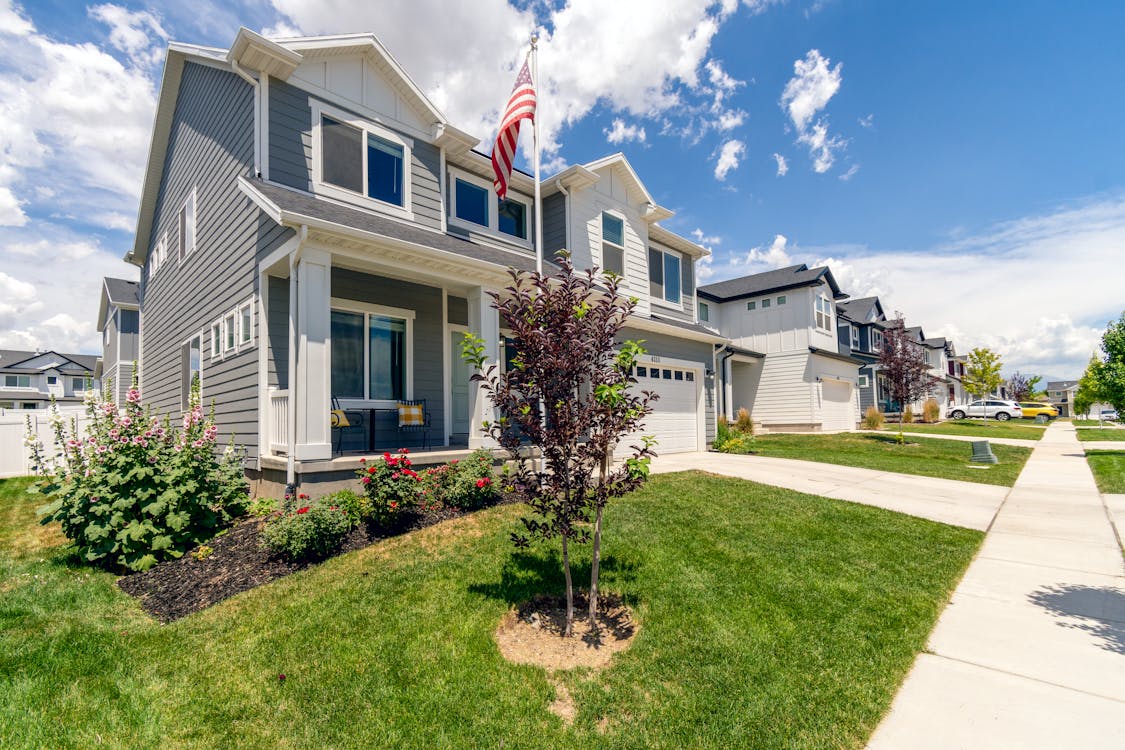
1 West Virginia — Most Affordable State Overall
West Virginia ranks as the cheapest state to buy a house. The cost of living sits 15.9% below the national average. Monthly mortgage payments average just $871 on the median-priced home.
Property taxes are remarkably low at an effective rate of 0.54%. Compare that to New Jersey, where homeowners pay over $9,500 annually. The Mountain State's college towns like Morgantown and the capital city of Charleston offer urban amenities at rural prices. West Virginia has the lowest cost of living of any state. It ranks as one of the cheapest states and most affordable places to live in the entire country. Remote workers and retirees find it especially attractive.
Best for: Remote workers, retirees, and first-time buyers seeking maximum value.
2 Mississippi — Lowest Monthly Mortgage Payments
The Magnolia State offers the lowest median monthly mortgage payment in America at just $790. The cost of living runs 12.1% below the national average. Property taxes average $1,189 annually with an effective rate of 0.74%.
The Gulf Coast cities of Biloxi and Gulfport provide beach access and tourism jobs. College towns like Oxford (Ole Miss) and Starkville (Mississippi State) blend affordability with cultural amenities. Homeowners insurance averages $3,380 per year due to hurricane risk along the coast. Inland properties tend to carry lower premiums.
3 Arkansas — Where Home Prices Are Dropping
Arkansas is one of the few states where home prices actually dropped recently (-0.54% quarter-over-quarter). The cost of living sits 11.3% below the national average. Monthly mortgage payments average a very manageable $821.
Bentonville serves as Walmart's headquarters, attracting white-collar jobs. Little Rock offers healthcare and government employment. Fayetteville brings college-town energy near the University of Arkansas. Property taxes stay low at $1,003 annually. Insurance runs higher at $3,958 per year due to tornado risk, so factor that into your budget.
Find an Agent in Any of These States
A local real estate agent knows which neighborhoods offer the best value. Get matched with a top-rated agent for free.
Find My Agent4 Alabama — Lowest Property Taxes in America
Alabama boasts the lowest effective property tax rate on this list at just 0.38%. That translates to about $62 per month on the median-priced home. In New Jersey, the same home would cost over $500 monthly in property taxes alone.
Huntsville has become a technology hub near NASA's Marshall Space Flight Center. Birmingham offers healthcare and banking jobs. Mobile provides Gulf Coast living at affordable prices. The housing cost of living index is 30% below the national average. Overall housing costs remain remarkably stable year over year.
5 Indiana — Best Price-to-Income Ratio
Indiana offers the best price-to-income ratio among affordable states. Homes cost roughly 4 times the median household income. That ratio makes mortgage qualification easier and monthly payments more sustainable long term.
Indianapolis anchors the state's economy with healthcare, logistics, and technology jobs. Fort Wayne, Bloomington, and Carmel consistently rank among the best Midwestern cities for families. Indiana made Rocket Mortgage's cheapest states list for the second consecutive year. The state also offers strong down payment assistance programs.
6 Ohio — Diverse Cities, Low Insurance Costs
Ohio's housing costs are 48% below the national average in cities like Akron. The state offers an impressive variety of affordable metro areas. Cleveland, Columbus, Cincinnati, and Akron each provide distinct lifestyles at budget-friendly prices.
Akron stands out with median home prices near $101,000. Columbus has a booming tech sector and was recently named one of America's fastest-growing cities. Ohio also benefits from lower homeowners insurance premiums compared to Southern states. The combination of affordable housing and diverse job markets makes it a top pick for buyers in 2026.
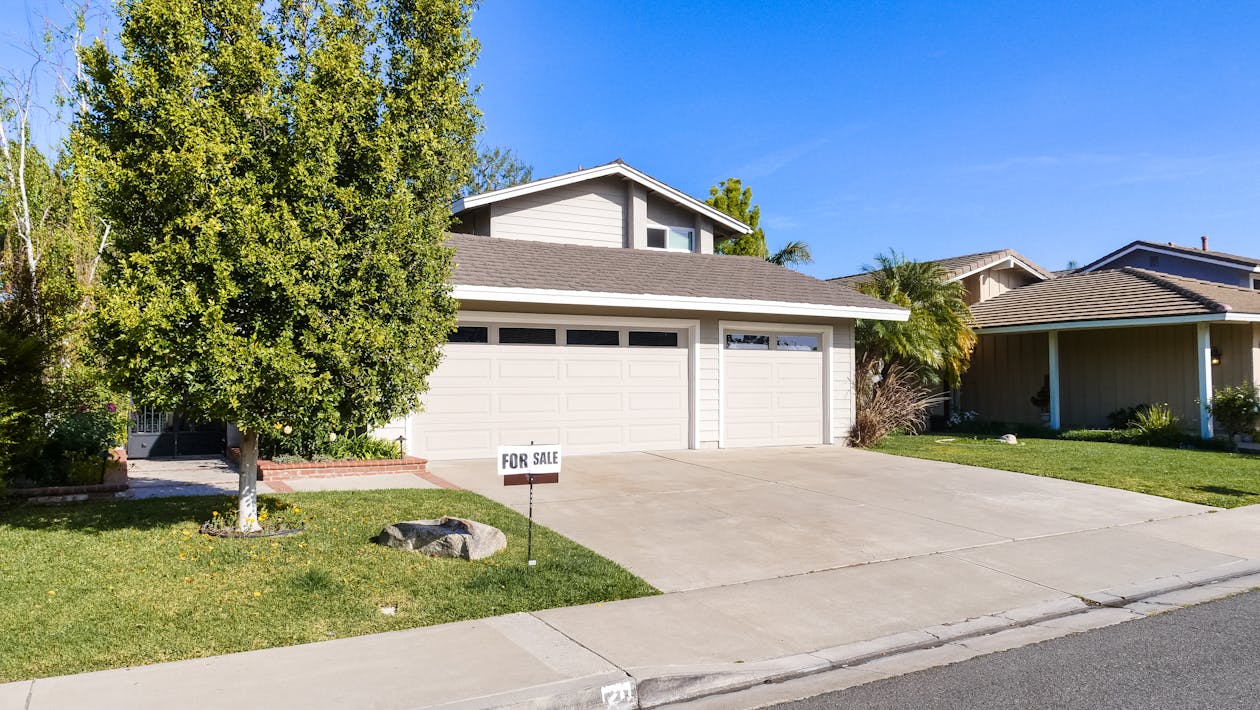
7 Louisiana — Vibrant Culture Meets Affordability
The Pelican State pairs a cost of living 7.8% below the national average with unmatched cultural richness. Property taxes are low at 0.55% effective rate ($1,146 annually). The median household income of $60,023 supports comfortable mortgage payments of $956 per month.
Baton Rouge offers state government and LSU-related employment. Shreveport and Lafayette provide affordable alternatives to New Orleans. Homeowners insurance averages higher here due to hurricane risk. Buying inland reduces premiums significantly. Louisiana's unique culture, food scene, and community spirit make it more than just a budget pick.
8 Oklahoma — Most Affordable Large City
Oklahoma City earned the title of most affordable large city in the U.S. for 2026. You get big-city amenities with a cost of living 12.6% below average. The metro area population exceeds 1.4 million, supporting a diverse job market across energy, aerospace, and healthcare sectors.
Tulsa runs a "Tulsa Remote" program that pays remote workers $10,000 to relocate. Smaller cities like Norman (University of Oklahoma) and Stillwater (Oklahoma State) add college-town options. Oklahoma's no-state-income-tax-on-retirement-income policy also appeals to retirees planning their next chapter.
Moving to a New State?
An experienced real estate agent in your target state can save you thousands. Check our out-of-state moving checklist before you go.
Get Matched With a Local Agent9 Kentucky — Affordable Living With Natural Beauty
The Bluegrass State's median home price of $246,000 sits well below the national median. Kentucky's cost of living runs about 12% below the U.S. average. Louisville and Lexington anchor the state's economy with healthcare, education, and logistics jobs.
Bowling Green has emerged as a manufacturing hub. Covington, just across the river from Cincinnati, offers urban living at Kentucky prices. The state's rolling hills, horse country, and Appalachian trails appeal to outdoor enthusiasts. Kentucky's first-time home buyer programs also help new buyers with down payment and closing cost assistance.
10 Kansas — Underrated Midwest Value
Kansas flies under the radar as an affordable housing market. The median home price is $242,000 with a cost of living index of 88.5. The price-to-income ratio is strong thanks to a median household income above $68,000.
Wichita anchors the state's aerospace industry (home to Spirit AeroSystems and Textron Aviation). Overland Park and Olathe (suburbs of Kansas City) consistently rank among America's best places to raise a family. Lawrence (University of Kansas) offers a vibrant college-town atmosphere. Kansas buyers benefit from lower closing costs compared to coastal states.
11 Iowa — Strong Schools, Stable Market
Iowa offers a median home price of $230,000 paired with one of the strongest public school systems in the nation. The state consistently ranks in the top 10 nationally for education quality, making it ideal for families.
Des Moines anchors the state with a booming insurance and financial services sector. Iowa City and Ames offer college-town living near the University of Iowa and Iowa State University. The median household income of $72,429 creates an excellent affordability ratio. Iowa's stable housing market has avoided the boom-bust cycles seen in Sun Belt states.
12 Missouri — Two Major Metros, One Affordable State
Missouri gives you access to two major metro areas — Kansas City and St. Louis — at a fraction of what comparable cities cost on the coasts. The median home price of $252,000 is roughly 40% below the national median.
Kansas City has a growing tech scene and was named a top-10 affordable metro for young professionals. St. Louis offers world-class healthcare at Barnes-Jewish Hospital and Washington University. Springfield and Columbia add mid-size city options. Missouri also has lower property tax rates than most neighboring states, keeping total housing costs competitive.
All 12 States Ranked: Comparison at a Glance
| State | Median Price | Property Tax | COL Index |
|---|---|---|---|
| West Virginia | $225,506 | $835/yr | 84.1 |
| Iowa | $230,000 | $1,564/yr | 88.8 |
| Ohio | $231,798 | $1,862/yr | 89.5 |
| Mississippi | $235,408 | $1,189/yr | 87.9 |
| Arkansas | $239,654 | $1,003/yr | 88.7 |
| Kansas | $242,000 | $1,678/yr | 88.5 |
| Kentucky | $246,000 | $1,320/yr | 88.0 |
| Oklahoma | $248,000 | $1,278/yr | 87.4 |
| Louisiana | $249,857 | $1,146/yr | 92.2 |
| Missouri | $252,000 | $1,456/yr | 89.0 |
| Indiana | $255,311 | $1,371/yr | 89.4 |
| Alabama | $284,090 | $738/yr | 88.0 |
Sources: U.S. Census Bureau (2023 ACS 5-year estimates), NAR, Council for Community and Economic Research, Zillow Home Value Index (Dec. 2025).
These were also among the 10 cheapest states to buy a house in 2024 and 2025. Home values in Midwest states have grown modestly compared to coastal markets. That means lower home prices remain sustainable. Buyers looking for homes for sale in these states will find that their monthly income stretches further thanks to lower cost of living. Use a home affordability calculator to estimate how much you can spend on a home, factoring in taxes and insurance. Knowing the minimum down payment needed to buy helps you plan your budget.
How to Pick the Right Affordable State for You
The cheapest sticker price does not always equal the best value. Home affordability depends on several factors beyond just the listing price. Consider these before choosing the best places to buy your next home.
Job market strength matters. Indiana, Ohio, and Oklahoma offer diversified economies with low cost of living. West Virginia and Mississippi have more limited employment outside major cities. If you work remotely, any affordable place on this list works well.
Insurance costs vary dramatically. Southern states exposed to hurricanes and tornadoes carry higher premiums. Ohio and Iowa tend to have the lowest homeowners insurance costs among the top 10 states for affordability. Check our home prices by state guide for full cost breakdowns.
Watch current mortgage rates. Even in the cheapest states, high interest rates increase your monthly payment. Locking in a good rate matters as much as finding a low-priced home. Getting pre-approved for a mortgage before house hunting gives you a clear budget.
Avoid states with higher costs. For context, the most expensive states to buy a home include Hawaii, California, Massachusetts, and Washington. States like Mississippi and West Virginia cost a fraction of what you would spend on a home in those markets. Buying within affordable states instead of expensive ones can save you $200,000 or more. Arkansas is one of the few states where prices dropped recently, offering even more value.
A local real estate agent makes the difference. An agent who knows the area can identify undervalued neighborhoods, negotiate below asking price, and flag hidden problems. This is especially critical when buying a house in an unfamiliar state. Learn how to find the right agent for your situation.
Ready to Buy in an Affordable State?
Get matched with a top-performing real estate agent who knows the local market. Our service is free with no obligation.
Find My AgentFrequently Asked Questions
What is the cheapest state to buy a house in 2026?
West Virginia is the cheapest state to buy a house in 2026. The median home price is $225,506, and annual property taxes average just $835. The cost of living sits about 16% below the national average.
Which states have the lowest property taxes for homeowners?
Alabama has the lowest effective property tax rate at 0.38%, with median annual taxes of $738. West Virginia follows at 0.54% ($835 annually). Arkansas has an effective rate of 0.57% ($1,003 annually).
Can I afford to buy a house with a low income?
Yes. Many affordable states offer strong income-to-mortgage ratios. Programs like FHA loans (3.5% down), USDA loans (zero down in rural areas), and state-specific down payment assistance make homeownership accessible on modest incomes.
Are cheap states good for real estate investment?
Affordable states can be excellent for real estate investment. Lower entry costs mean smaller down payments and lower carrying costs. States like Ohio and Indiana offer growing job markets with strong rental demand.
What hidden costs should I watch for?
Homeowners insurance varies dramatically. States prone to tornadoes or hurricanes may have premiums above $3,000 annually. Also factor in property taxes, closing costs by state, and commute costs if jobs are concentrated in certain areas.
Should I use a real estate agent when buying in an affordable state?
Absolutely. A local real estate agent knows which neighborhoods offer the best value and where to avoid. They can negotiate better prices, identify homes below market value, and guide you through state-specific closing requirements. Find an agent near you to get started.
More Helpful Home Buying Resources
Planning your home purchase? If you are looking for the cheapest areas in affordable states to buy homes, these guides can help you save money and avoid costly mistakes. Each state on this list is more affordable than most states in America, which was also true when people rushed to buy a house in 2025.