Conventional Loan Guide
Your complete guide to fixed-rate conventional mortgage loans
Last Updated: January 2026
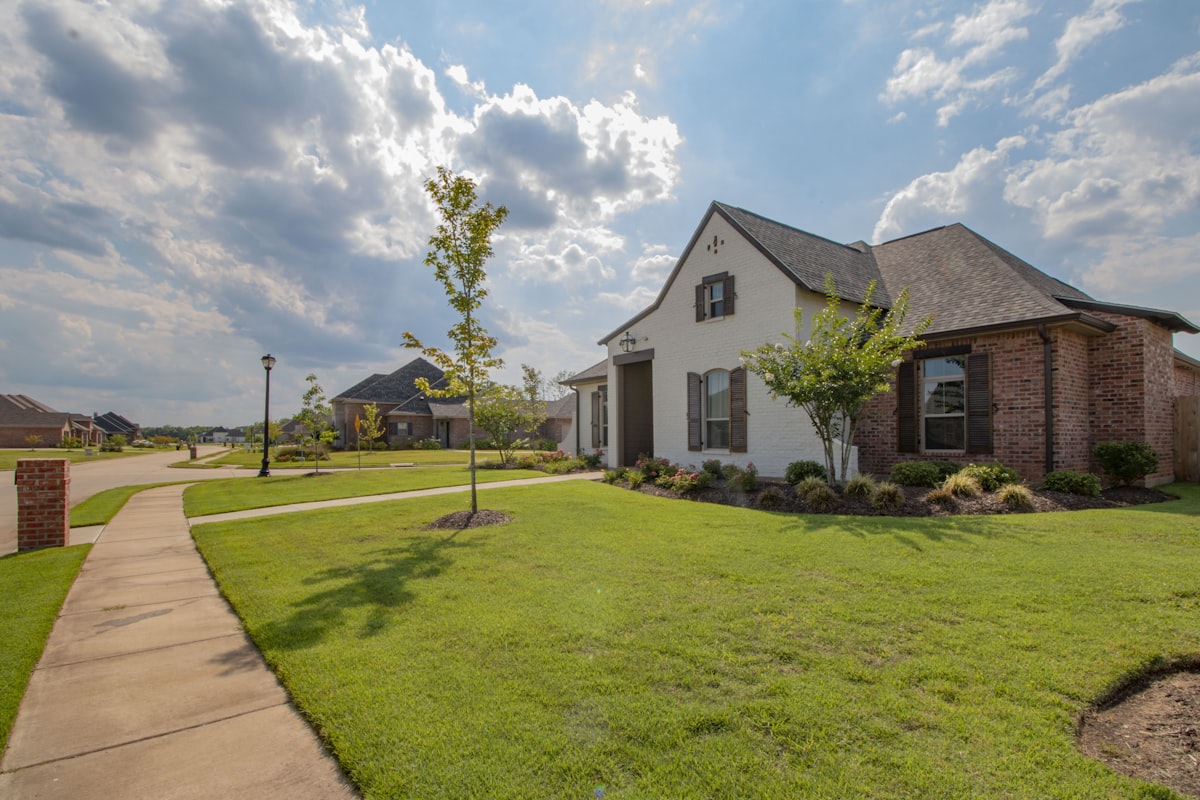
A conventional loan is a mortgage that isn't backed by a government agency like the Federal Housing Administration (FHA), the Department of Veterans Affairs (VA), or the USDA. Instead, conventional loans are originated by private lenders such as banks, credit unions, and mortgage companies, then typically sold to Fannie Mae and Freddie Mac.
In 2026, conventional loans remain the most popular mortgage option for homebuyers, accounting for approximately 75% of all mortgage originations. Whether you're a first-time homebuyer or a seasoned real estate investor, understanding how a conventional mortgage loan works can help you find the right mortgage and save thousands over the life of the loan.
📚 Related Guides in This Series
What Is a Conventional Loan?
A conventional loan is a type of mortgage that conforms to guidelines set by Fannie Mae and Freddie Mac, the two government-sponsored enterprises that purchase and guarantee residential mortgages. Because these loans aren't insured by the Federal Housing Administration or other government agencies, lenders typically require borrowers to meet stricter credit and financial requirements.
Key Characteristics of Conventional Mortgage Loans
Private Mortgage Insurance (PMI): Unlike government-backed loans, conventional loans require private mortgage insurance when the down payment is less than 20%. You can pay private mortgage insurance monthly until you reach 20% equity, then request its removal.
Flexible Property Types: A conventional home loan can finance primary residences, second homes, and investment properties, making this loan type attractive for real estate investors.
Loan Limits: The conforming loan limit for 2026 is $806,500 for most areas. High-cost areas have limits up to $1,209,750. Loans exceeding these limits are jumbo loans.
Fixed and Adjustable Rates: Borrowers can choose between a fixed-rate mortgage (where the interest rate stays constant) or an adjustable-rate mortgage (ARM) with lower initial rates that adjust periodically.
Types of Conventional Loans

Understanding the different types of conventional loans helps you find the best loan for your situation.
Fixed-Rate Conventional Mortgages
The most common type of mortgage, a conventional fixed-rate mortgage locks your interest rate for the entire loan term:
- 30-Year Fixed-Rate Mortgage: The traditional choice offering lower monthly payments spread over 30 years
- 15-Year Fixed-Rate Mortgage: Builds equity faster with interest rates typically 0.5-0.75% lower than 30-year options
- 20-Year and 25-Year Options: Intermediate terms balancing monthly payment and interest savings
Adjustable-Rate Mortgages (ARMs)
ARMs feature an initial fixed-rate period followed by periodic rate adjustments:
- 5/1 ARM: Fixed rate for five years, then adjusts annually
- 7/1 ARM: Seven years of fixed payments before annual adjustments
- 10/1 ARM: A decade of fixed payments with lower initial rates than 30-year fixed mortgages
Low Down Payment Conventional Loan Programs
HomeReady® (Fannie Mae): A loan program for low-to-moderate income borrowers allowing down payments as low as 3% with reduced PMI costs.
Home Possible® (Freddie Mac): Similar to HomeReady with flexible underwriting criteria and reduced private mortgage insurance.
Conventional 97: Requires just 3% down for first-time homebuyers, making conventional loans competitive with FHA loan options.
Conventional Loan Requirements
To qualify for a conventional loan, you'll need to meet specific credit and financial requirements.

Credit Score Requirements
Your credit score significantly impacts approval and your interest rate:
- 620: Minimum credit score for most conventional loans
- 680+: Required for competitive mortgage rates
- 740+: Qualifies for the best interest rates and loan terms
A higher credit score can lower your interest rate by 0.5-1.0%, potentially saving thousands over the life of the loan.
Down Payment Requirements
The minimum down payment depends on your situation:
- 3%: First-time buyers using Conventional 97, HomeReady, or Home Possible
- 5%: Standard minimum for repeat buyers
- 20%: Eliminates the PMI requirement entirely
You can make a down payment from savings, gift funds from family, employer assistance, or down payment assistance programs.
Debt-to-Income Ratio (DTI)
Lenders calculate your DTI by dividing monthly debt payments by gross monthly income:
- Front-End Ratio: Maximum 28-31% for housing expenses
- Back-End Ratio: Maximum 36-45% for total monthly debt
Conventional Loan Interest Rates and Mortgage Rates

Your interest rate significantly impacts your monthly payment, principal and interest costs, and the total amount paid over the life of the loan.
Factors Affecting Your Mortgage Rate
Credit Score: Borrowers with 760+ scores receive a lower interest rate, often 0.5-1.0% lower than those with 620 scores. A higher credit score means lower interest costs over your loan term.
Down Payment: Larger down payments reduce lender risk, resulting in better mortgage rates and lower interest over time.
Loan Amount: Very small loans, conforming conventional loans, and jumbo loans each have different rate structures.
Loan Term: Shorter terms like 15-year fixed-rate loans typically offer a lower interest rate than 30-year options, reducing total interest paid over the life of the loan.
Current Mortgage Rates (2026)
| Loan Type | Average Rate |
|---|---|
| 30-Year Fixed | 6.50% |
| 15-Year Fixed | 5.75% |
| 5/1 ARM | 5.50% |
| 7/1 ARM | 5.75% |
Rates assume 20% down and 740+ credit score
Getting a Lower Interest Rate
To secure a lower interest rate on your conventional mortgage loan:
- Improve Your Credit Score: A credit score of 620 is the minimum, but aim for 740+. Even a 20-point increase can lower your rate.
- Increase Your Down Payment: More equity means lower risk for the mortgage lender
- Shop Multiple Lenders: Compare mortgage rates from at least 3-5 lenders, every mortgage lender offers different rates
- Consider Points: Buying discount points can lower your interest rate and monthly payment
- Choose a Shorter Term: 15-year fixed-rate loans offer lower interest than 30-year options
- Refinance Later: If rates drop, you can refinance to a lower rate
Conforming Conventional Loans vs Non-Conforming Loans
A conforming conventional loan meets the underwriting guidelines set by Fannie Mae and Freddie Mac, including loan limits and credit requirements. These loans can be sold to the secondary market, which typically means better mortgage rates.
Non-conforming loans (jumbo loans) exceed conforming loan limits or don't meet Fannie Mae/Freddie Mac criteria. They typically have:
- Higher interest rates
- Larger down payment requirements
- Stricter credit standards
For most homebuyers, a conforming conventional loan offers the best combination of rates and terms.
Private Mortgage Insurance (PMI) Explained
When your down payment is less than 20%, conventional loans require private mortgage insurance to protect the lender.
PMI Costs and Payment Options
PMI typically costs 0.3% to 1.5% of the loan amount annually, depending on your credit score and loan-to-value ratio. Payment options include:
- Monthly PMI: Added to your monthly mortgage payment
- Single-Premium PMI: Paid upfront at closing
- Lender-Paid PMI: Built into a slightly higher interest rate
How to Remove PMI
Unlike FHA mortgage insurance that lasts the life of the loan, you can remove PMI from conventional loans:
- Automatic Termination: At 78% loan-to-value based on original value
- Borrower Request: At 80% loan-to-value with good payment history
- New Appraisal: When home appreciation reaches 80% LTV
Conventional Loan vs FHA Loan vs VA Loan
When choosing between a conventional loan, FHA loan, or VA loan, consider these key differences:
| Feature | Conventional Loan | FHA Loan | VA Loan |
|---|---|---|---|
| Minimum Credit Score | 620 | 500-580 | No minimum |
| Minimum Down Payment | 3% | 3.5% | 0% |
| Mortgage Insurance | Removable at 20% | Permanent | Funding fee only |
| Property Types | All types | Primary only | Primary only |
| Eligibility | Anyone | Anyone | Veterans only |
Choose a conventional loan if: You have good credit (680+), want to remove mortgage insurance eventually, or are buying investment property. Conventional loans don't require military service and offer the most flexibility.
How to Qualify for a Conventional Loan
Follow these steps to get a conventional loan:
Step 1: Check Your Credit
Review your credit reports and score. Pay down credit card balances and dispute any errors to improve your credit score.
Step 2: Calculate Your Budget
Determine how much house you can afford based on your income, monthly debt payments, and available down payment. Use a mortgage calculator to estimate your monthly payment.
Step 3: Get Pre-Approved
Submit a loan application with income documentation, asset statements, and employment verification. A pre-approval letter shows sellers you're a serious, qualified buyer.
Step 4: Find Your Home
Work with a real estate agent to find a home within your budget. Once under contract, your lender will order an appraisal to confirm the property's value.
Step 5: Complete Underwriting
An underwriter reviews your complete file and makes the credit decision. You may need to provide additional documentation before final approval.
Step 6: Close on Your Loan
Review your Closing Disclosure, sign loan documents, pay closing costs, and receive your keys!
Advantages of a Conventional Loan
A conventional loan offers several benefits over a loan that's backed by the government:
- Removable PMI: Unlike FHA loans, PMI can be eliminated at 20% equity
- Lower Total Insurance Costs: For borrowers with good credit and larger down payments
- Flexible Property Types: Finance primary residences, second homes, and investment properties
- No Upfront Insurance Premium: Unlike FHA's 1.75% upfront MIP
- Higher Loan Limits: More purchasing power in most markets
- Competitive Interest Rates: Especially for borrowers with excellent credit
- Refinance Options: Easy to refinance into a new conventional loan when rates drop
When to Refinance a Conventional Loan
You may want to refinance your conventional loan if:
- Interest rates have dropped significantly
- Your credit score has improved
- You want to remove PMI earlier
- You want to change your loan term
- You need cash for home improvements (cash-out refinance)
A good rule of thumb: refinance when you can lower your rate by 0.5-0.75% and will stay in the home long enough to recoup closing costs.

Conventional Loan FAQs
What exactly is a conventional loan?
A conventional loan is a mortgage that isn't backed by a government agency like FHA, VA, or USDA. Instead, conventional mortgages are offered by private lenders and typically sold to Fannie Mae and Freddie Mac. Conventional loans have specific credit score requirements and can be used for primary residences, second homes, and investment properties.
Do you have to put 20% down on a conventional loan?
No, you don't have to put 20% down on a conventional loan. First-time homebuyers can get a conventional loan with as little as 3% down using programs like Conventional 97, HomeReady, or Home Possible. However, putting less than 20% down requires paying private mortgage insurance until you reach 20% equity.
What salary do you need for a $400,000 mortgage?
For a $400,000 conventional mortgage with 20% down ($320,000 loan), you'd typically need an annual salary of approximately $95,000-$110,000, depending on your other monthly debt payments, interest rate, property taxes, and insurance. Lenders generally want your total monthly debt payments (including the mortgage) to be no more than 43% of your gross monthly income.
Is it better to accept a conventional loan or FHA loan?
Whether a conventional loan or FHA loan is better depends on your financial situation. Conventional loans are typically better if you have a credit score above 680 and at least 5% down, since you can eventually remove mortgage insurance. FHA loans may be better if you have lower credit scores (580-679) or need more flexible DTI requirements. For borrowers with excellent credit, conventional loans often have lower total costs over the life of the loan.
What is the minimum credit score for a conventional loan?
The minimum credit score for a conventional loan is typically 620, though some lenders may require 640 or higher. For the best interest rates and terms, aim for a credit score of 740 or above. Each 20-point increase can lower your rate by 0.125-0.25%.
Summary: What Is a Conventional Loan?
A conventional loan is a mortgage loan not backed by a government agency. Instead, conventional loans are offered by private lenders and conform to guidelines set by Fannie Mae and Freddie Mac. Key features include:
- Loan Amount: Up to $806,500 for conforming loans (2026)
- Credit Score: Minimum 620, with 740+ for best mortgage rates
- Down Payment: As low as 3% for qualified first-time buyers
- Mortgage Insurance: Required with less than 20% down, but removable
- Interest Rate: Based on credit score, loan term, and market conditions
- Loan Type: Fixed-rate mortgage or adjustable-rate mortgage options
- Property Types: Primary residence, second home, or investment properties
Whether you're looking to buy your first home or refinance an existing mortgage, a conventional loan offers competitive rates and flexible terms for qualified borrowers.
📚 Continue Learning
Conventional Loan FAQs
What is a conventional loan?
A conventional loan is a mortgage not insured or guaranteed by the federal government. It follows guidelines set by Fannie Mae and Freddie Mac and is offered by private lenders including banks, credit unions, and mortgage companies. About 80% of all home loans are conventional mortgages.
What is the minimum down payment for a conventional loan?
First-time homebuyers can put as little as 3% down through Conventional 97, HomeReady, or Home Possible programs. Repeat buyers need at least 5%. Putting 20% down eliminates private mortgage insurance entirely.
What credit score do I need for a conventional loan?
Most lenders require a minimum 620 credit score. Scores of 740 or higher get the best rates. Borrowers between 620 and 679 may face higher rates and larger down payment requirements.
How is a conventional loan different from an FHA loan?
Conventional loans need higher credit scores (620 vs 580 for FHA) but offer cancellable PMI, no upfront mortgage insurance, and more property type options including investment properties and second homes.
What are the 2026 conventional loan limits?
The 2026 conforming loan limit is $806,500 in most counties. High-cost areas can go up to $1,209,750. Loans above these amounts are jumbo loans with stricter qualification requirements.
Ready to Start Your Home Buying Journey?
Get matched with a pre-vetted real estate agent who can guide you through the mortgage process.
Find My Agent →