Do You Need a Real Estate Agent to Buy a House?
Understand when professional representation protects your investment and when buying solo makes sense.
Buying a house is the largest financial decision most people ever make. Before you start searching for your dream home, you face a fundamental question: do you actually need a real estate agent to buy a house?
The short answer is no. You are not legally required to have a real estate agent represent you when you buy a home. However, the more important question is whether buying a home without professional help is wise. The home buying process involves complex negotiations, legal contracts, and market knowledge that can cost you thousands of dollars if handled incorrectly.
Home buyers and sellers both benefit from understanding their options. Whether you want to work with a real estate agent to buy a home or find a home on your own, this guide breaks down exactly what a buyer's agent does, when you need an agent, and the rare situations where buying a house without one might work. Sellers may also want to understand how buyer representation affects their home sale.
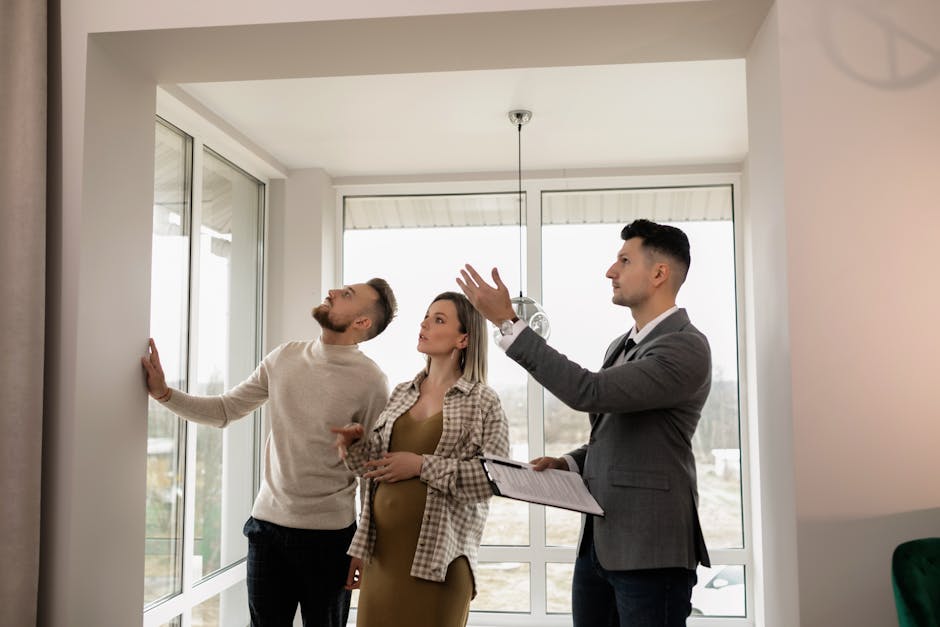
What Does a Buyer's Agent Actually Do?
A buyer's agent represents your interests throughout the entire home purchase. They work exclusively for you, not the seller. Understanding the value of using a real estate agent helps you decide whether to hire one. A licensed agent brings market expertise, contract knowledge, and negotiation skills to every transaction.
Your agent searches the MLS and off-market listings for properties matching your criteria. They schedule showings, attend open houses with you, and point out potential issues you might miss. They pull comparable sales data to determine whether a home is priced fairly.
Once you find a property, your agent writes the purchase offer, structures contingencies to protect you, and negotiates with the listing agent on price and terms. An agent can provide expert guidance on inspection results, manage the appraisal process, and review every disclosure document before you sign.
Throughout closing, they track deadlines, ensure all conditions are met, and troubleshoot problems that arise. A skilled agent handles dozens of moving parts so you can focus on making informed decisions.
Pro Tip
A buyer's agent has a fiduciary duty to act in your best interest. The listing agent represents the seller. Without your own agent, nobody at the negotiating table is looking out for you.
How Buyer's Agent Compensation Works in 2026
Recent changes in the real estate industry have transformed how buyer's agents get paid. Understanding the current landscape is essential before deciding whether to work with one.
Previously, the seller typically paid both the listing agent and the buyer's agent through real estate commissions built into the sale price. The buyer rarely wrote a separate check for agent services. This made hiring a buyer's agent essentially free for people looking to purchase a home.
Following the 2024 NAR settlement, buyer's agent compensation is now negotiable and must be agreed upon in writing before an agent shows you homes. Sellers may still choose to offer compensation as part of the home sale, but it is no longer guaranteed. Many buyers who purchase their home with agent representation now negotiate these fees directly.
Common Arrangements
Percentage of purchase price (2% to 3% agent commission), flat fee for services, hourly consultation rate, or seller-paid concessions. Buyers may pay their agent directly or negotiate seller coverage.
What to Know
You must sign a buyer broker agreement before touring homes. Negotiate the terms. Many sellers still offer buyer agent compensation.
6 Reasons You Should Use a Real Estate Agent
Most home buyers benefit significantly from professional representation. Here are the situations where hiring a real estate agent provides the greatest value.
1. You Are a First-Time Home Buyer
The home buying process involves dozens of steps, deadlines, and legal requirements that first-time buyers have never encountered. An experienced agent walks you through mortgage pre-approval, property searches, offer strategy, and closing procedures. Their guidance prevents costly mistakes that come from inexperience.
2. You Are Buying in a Competitive Market
In a hot real estate market with multiple offers, bidding wars, and homes selling above asking price, an agent's negotiation skills become invaluable. A house may receive dozens of offers within days. They know how to structure competitive bids, when to include an escalation clause, and what terms sellers prioritize beyond just price. Buyers who try to buy without the help of an agent in competitive markets often lose out to represented buyers.
3. You Need Local Market Expertise
A local real estate agent understands neighborhood values, school districts, zoning changes, and upcoming developments that affect property values. They know which streets flood, which areas are appreciating fastest, and what price per square foot is reasonable. This knowledge is nearly impossible to replicate with online research alone.
4. You Want Protection During Negotiations
Without representation, you negotiate directly with the seller's agent. That agent has a legal obligation to get the best deal for the seller, not you. Your own agent advocates for your interests, pushes back on unfavorable terms, and identifies red flags in home inspection reports that warrant renegotiation. They also ensure every contingency in your contract is properly structured to protect your earnest money.
5. You Are Buying a Complex Property
Foreclosures, short sales, new construction, condos with HOA restrictions, and properties with title issues all require specialized knowledge. An agent experienced with these transaction types navigates the additional paperwork, timelines, and potential pitfalls that standard purchases do not involve.
6. You Have Limited Time
The home search alone takes substantial time. Scheduling showings, researching neighborhoods, and managing transaction paperwork demand hours every week. An agent handles these tasks efficiently because it is their full-time profession. They can preview properties on your behalf and only schedule viewings for homes that genuinely match your needs.

When You Might Buy Without an Agent
While most buyers benefit from representation, buying a home without an agent is possible in certain situations. Purchasing without a real estate agent is possible when you have experience buying or selling real estate. These scenarios typically involve buyers who understand the transaction process deeply. You will still need an attorney to review contracts and handle legal requirements.
Buying from a Family Member or Friend
When the buyer and seller already have a relationship and agreed-upon price, the transaction is more straightforward. A real estate attorney can handle contract preparation and closing for a fraction of what agent representation costs.
Purchasing at Auction
Real estate auctions follow different rules. Properties sell as-is with no contingencies. You can hire a real estate attorney instead of an agent to review auction terms and handle closing paperwork. While an agent can help you research properties before auction day, their traditional role during the offer and negotiation phase does not apply. Some buyers avoid paying a real estate commission altogether by bidding directly.
You Have Real Estate Experience
Licensed real estate professionals, investors with multiple transactions under their belt, and real estate attorneys understand the process well enough to represent themselves. If you have successfully purchased several properties and understand contracts, contingencies, and local regulations, self-representation carries less risk.
Buying New Construction Directly from a Builder
Some buyers work directly with a builder's sales office when purchasing new construction. Keep in mind that the builder's representative works for the builder, not you. Even in this scenario, many buyers benefit from having their own agent review the builder's contract, which often favors the builder on warranty terms and change order pricing.
Important: Even when buying without an agent, always hire a real estate attorney to review contracts. Legal fees typically run $500 to $1,500 and protect you from contract terms that could cost thousands.
Risks of Buying a House Without a Real Estate Agent
Going without representation exposes you to several risks that can significantly impact your finances and the success of your purchase.
Overpaying for the Property
Without access to comprehensive comparable sales data and market analysis, you may offer more than a property is worth. Real estate agents pull detailed comps from the MLS that Zillow and Redfin estimates cannot match. According to the National Association of Realtors, unrepresented buyers pay more on average than those who work with agents. An agent will represent your financial interests and identify issues with the home or its pricing before you commit.
Missing Critical Contract Protections
Purchase contracts contain contingencies that protect buyers. Without agent guidance, you may waive important protections like inspection contingencies, appraisal contingencies, or financing clauses. Missing these protections could mean losing your earnest money deposit or being forced to close on a property with serious defects.
Negotiation Disadvantage
The listing agent or selling agent is a trained professional who negotiates real estate deals every week. As a buyer without representation, you negotiate against someone with significantly more experience. Consider using a real estate agent to level the playing field. This imbalance often results in less favorable terms on price, repairs, closing costs, and possession dates. An agent may be able to negotiate savings that far exceed real estate agent commissions.
Legal and Disclosure Issues
Every state has different disclosure requirements, contract laws, and buyer protections. Missing a required disclosure, misunderstanding contract language, or failing to meet a deadline can have serious legal and financial consequences. An agent ensures compliance with all local and state requirements.
Buyer's Agent vs. No Agent: Side-by-Side Comparison
| Factor | With Agent | Without Agent |
|---|---|---|
| Property Search | MLS access, off-market listings, curated matches | Public listing sites only |
| Pricing Analysis | Detailed comps with professional insight | Online estimates with limited accuracy |
| Negotiations | Professional negotiator on your side | You negotiate against a professional |
| Contract Review | Agent reviews all documents for issues | You must hire an attorney separately |
| Inspection Process | Agent coordinates and advises on findings | You manage inspectors and interpret reports |
| Time Investment | Agent handles research and logistics | Significant personal time required |
| Cost | Negotiable fee, often seller-paid | No agent fee, but attorney costs apply |
How to Find the Right Buyer's Agent
If you decide to work with an agent, choosing the right one matters significantly. Not all agents offer the same level of service, local knowledge, or negotiation ability. Hiring an agent who understands your market and communication preferences can make the difference between a smooth transaction and a stressful experience.
Start with Referrals and Research
Ask friends, family, and coworkers who recently completed a real estate transaction for agent or broker recommendations. Many real estate agents specialize in specific neighborhoods or property types. Check online reviews on Google and Zillow for agents who consistently receive positive feedback about communication, negotiation results, and client advocacy.
Interview Multiple Agents
Talk to at least three agents before making a decision. Ask about their experience in your target neighborhoods, transaction volume over the past year, and typical buyer profile. A good agent welcomes these conversations and provides clear, specific answers. Review our complete list of questions to ask a real estate agent before scheduling interviews.
Evaluate Their Communication Style
Your agent should match your preferred communication method and frequency. Some buyers want daily text updates. Others prefer weekly email summaries. An agent may also suggest a communication schedule based on where you are in the process. Discuss expectations upfront and confirm they align with how the agent operates. Watch for red flags when hiring a real estate agent like slow response times or vague answers during the interview process.
Review the Buyer Broker Agreement
Before committing, carefully review the buyer broker agreement. Understand the commission structure, duration of the agreement, and any exclusivity clauses. A trustworthy agent explains every term and negotiates fair conditions.
Steps to Buy a House Without an Agent
If you decide to buy without representation, follow these steps carefully to protect yourself throughout the transaction.
Get pre-approved for a home loan before starting your search. A pre-approval letter shows sellers you are a serious, qualified buyer. Compare rates from multiple lenders to ensure competitive terms. Address any problems with the home loan application early to avoid delays later.
Research the market thoroughly. Study recent sales in your target neighborhoods using county records, MLS-linked sites, and public data. Understand price trends, average days on market, and the difference between list prices and actual sale prices.
Hire a real estate attorney. An attorney reviews the purchase and sale agreement, ensures legal compliance, and protects your interests during the transaction. This is non-negotiable when buying a home without a real estate agent representing you.
Schedule your own inspections. Hire a licensed home inspector and attend the inspection. Review the report carefully and determine what repairs or credits to request. You may also need specialized inspections for termites, radon, sewer lines, or structural issues.
Manage deadlines and contingencies. Track every contractual deadline for inspections, financing, appraisals, and closing. Missing a single deadline could cost you your earnest money or your right to negotiate repairs.
Special Considerations for First-Time Buyers
If this is your first home purchase, an agent provides value that goes well beyond finding listings. The learning curve for first-time buyers is steep, and mistakes during your first transaction can be especially costly.
Your agent explains first-time buyer programs and down payment assistance options you may qualify for. You'll need guidance on mortgage pre-approval, and a good agent to buy a home connects you with reputable lenders, title companies, and home inspectors. They walk you through each step of the home buying process so nothing catches you off guard.
First-time buyers often underestimate the emotional intensity of competitive offers, failed inspections, and appraisal gaps. An experienced agent provides steady guidance through these stressful moments and prevents impulsive decisions that buyers later regret.
Key Insight: According to the National Association of Realtors, 90% of first-time buyers use a real estate agent. The complexity of your first purchase makes professional guidance especially valuable. Check our first-time home buyer checklist to understand everything involved.
Ready to Find Your Buyer's Agent?
Get matched with a top-performing real estate agent who specializes in your target area. Our matching service is free with no obligation.
Find My AgentThe Bottom Line: Should You Hire a Real Estate Agent?
For the vast majority of home buyers, working with a real estate agent is the smart choice. Buying a home without professional guidance means navigating complex legal documents, market analysis, and negotiations entirely on your own. The financial stakes are too high and the process too complex for most people when they buy the house of their dreams.
Whether you need a real estate agent depends on your experience and situation. If you have significant real estate experience, are buying from someone you know, or are purchasing a straightforward property in a buyer's market, going without an agent can work. Even then, a real estate attorney should review every document you sign before you buy a home. If you are hoping to buy your first property, professional representation is strongly recommended.
The question is not whether you can buy a house without a real estate agent. You absolutely can. You do not need one to buy a house. The real question is whether the potential savings justify the additional risk, time commitment, and stress. For most buyers, especially first-time home buyers, the answer is clear: hire a qualified real estate agent to help you find a home and close the deal.
Ready to find an agent? Start by learning how to find a real estate agent in your area. Ask the right questions before hiring and watch for red flags during the interview process. The right agent makes your home purchase smoother, safer, and often more affordable.