FHA Loan Limits 2026
Maximum FHA mortgage amounts by state and county for single-family and multi-unit properties
Last Updated: February 2026
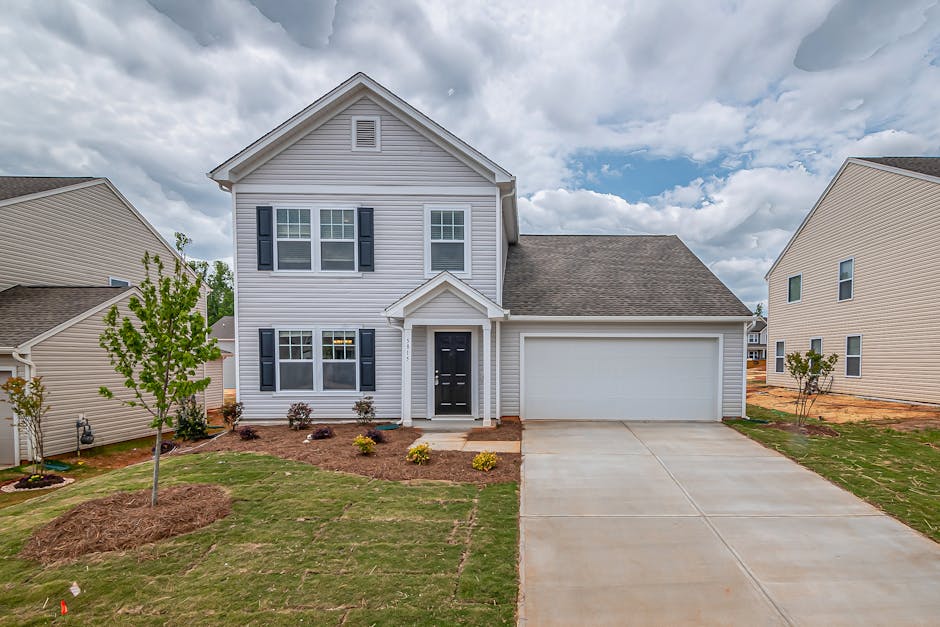
FHA loan limits determine the maximum FHA loan amount you can borrow using an FHA-insured home loan backed by the Federal Housing Administration. These FHA lending limits are set annually by the U.S. Department of Housing and Urban Development (HUD) and vary by county based on local housing costs. For 2026, the FHA loan limit floor is $541,287 for a single-family home in most of the country, while the ceiling in high-cost areas reaches $1,249,125.
Understanding the 2026 loan limits is essential for homebuyers because the maximum FHA loan you can get affects which homes you can afford. The FHA loan program sets different FHA lending limits for each county, and FHA home loan limits range from the floor to the ceiling depending on local median home prices. If the home price exceeds your county's FHA loan limit (after accounting for your down payment), you will need to either find a less expensive home, make a larger down payment, or use a different mortgage loan program. FHA mortgage insurance applies regardless of loan size within these limits.
2026 FHA Loan Limits Overview
HUD announced the 2026 FHA loan limits in December 2025, effective for FHA case numbers assigned on or after January 1, 2026. Here are the national floor and ceiling limits:
2026 FHA Loan Limits by Property Type
| Property Type | Floor (Low-Cost Areas) | Ceiling (High-Cost Areas) |
|---|---|---|
| 1-Unit (Single Family) | $541,287 | $1,249,125 |
| 2-Unit (Duplex) | $692,910 | $1,599,375 |
| 3-Unit (Triplex) | $837,716 | $1,933,275 |
| 4-Unit (Four-Plex) | $1,041,234 | $2,402,400 |
The floor represents the minimum FHA loan limit available anywhere in the country — the lowest maximum loan amount set by the FHA lending program. The ceiling is the maximum FHA loan amount in the highest-cost markets. FHA loan limits range widely, and most counties fall somewhere between these two figures based on local median home prices. The FHA home loan limits are set in coordination with Fannie Mae and Freddie Mac conforming limits to ensure the mortgage loan market remains stable.
Special Exception Areas
Alaska, Hawaii, Guam, and the U.S. Virgin Islands have higher FHA loan limits due to elevated construction costs. In these areas, the ceiling limits are 150% of the standard ceiling:
| Property Type | Special Exception Ceiling |
|---|---|
| 1-Unit | $1,873,688 |
| 2-Unit | $2,399,063 |
| 3-Unit | $2,899,913 |
| 4-Unit | $3,603,600 |
How FHA Loan Limits Are Calculated
Understanding how HUD determines FHA loan limits helps you anticipate changes and plan your home purchase.
The Conforming Loan Limit Connection
FHA loan limits are directly tied to the baseline conforming loan limit set by the Federal Housing Finance Agency (FHFA) for conventional mortgages — also known as the conventional loan limit. If you're considering an FHA loan, understanding how the conforming loan limit values affect FHA limits set for your area is essential. For 2026, the national conforming loan limit is $832,750 for a single-family home. The maximum loan limits for FHA loans don't exceed 150% of this amount.
The FHA uses this conforming limit to calculate its floor and ceiling:
- FHA Floor = 65% of the conforming loan limit = $832,750 × 0.65 = $541,288 (rounded to $541,287)
- FHA Ceiling = 150% of the conforming loan limit = $832,750 × 1.50 = $1,249,125 (the loan limit for one-unit properties in the highest-cost areas)
County-Level Determination
For each county in the United States, HUD calculates the FHA loan limit based on the area's median home price:
- HUD determines the median home price in each Metropolitan Statistical Area (MSA) or county
- The FHA loan limit is set at 115% of the area median home price
- The limit cannot fall below the floor ($541,287) or exceed the ceiling ($1,249,125)
This means:
- In areas where the median home price is $400,000 or below, the FHA limit is the floor ($541,287)
- In areas where 115% of the median price falls between the floor and ceiling, the FHA limit equals that calculated amount
- In areas where 115% of the median exceeds the ceiling, the FHA limit is capped at the ceiling ($1,249,125)
Annual Adjustments
FHA loan limits are reviewed and adjusted every year based on changes in national home prices. Recent limit history shows consistent increases:
| Year | 1-Unit Floor | 1-Unit Ceiling | Conforming Limit |
|---|---|---|---|
| 2023 | $472,030 | $1,089,300 | $726,200 |
| 2024 | $498,257 | $1,149,825 | $766,550 |
| 2025 | $524,225 | $1,209,750 | $806,500 |
| 2026 | $541,287 | $1,249,125 | $832,750 |
2026 FHA Loan Limits by State
FHA loan limits vary significantly from state to state. Below are the ranges for each state, showing the lowest and highest county limits within each state:
High-Cost States (Ceiling or Near-Ceiling Limits)
These states have at least one county at or near the FHA ceiling limit of $1,249,125:
| State | Lowest County Limit | Highest County Limit | Notable High-Cost Areas |
|---|---|---|---|
| California | $541,287 | $1,249,125 | San Francisco, Los Angeles, San Diego, San Jose |
| New York | $541,287 | $1,249,125 | New York City (all boroughs), Long Island |
| Massachusetts | $541,287 | $1,249,125 | Boston metro, Nantucket, Martha's Vineyard |
| New Jersey | $541,287 | $1,249,125 | Bergen, Essex, Hudson, Passaic counties |
| Washington | $541,287 | $1,013,750 | Seattle, San Juan Islands |
| Colorado | $541,287 | $1,012,000 | Denver, Boulder, Eagle County (Vail) |
| Connecticut | $541,287 | $1,249,125 | Fairfield County (Stamford, Greenwich) |
| Virginia | $541,287 | $1,249,125 | Northern Virginia (Arlington, Fairfax, Loudoun) |
| Maryland | $541,287 | $1,249,125 | Montgomery, Howard, Calvert counties |
| Hawaii | $1,017,750 | $1,249,125 | Honolulu, Maui |
Floor-Limit States
In these states, most or all counties are at the FHA floor limit of $541,287:
| State | FHA Limit (Most Counties) |
|---|---|
| Alabama | $541,287 |
| Arkansas | $541,287 |
| Indiana | $541,287 |
| Iowa | $541,287 |
| Kansas | $541,287 |
| Kentucky | $541,287 |
| Louisiana | $541,287 |
| Michigan | $541,287 |
| Mississippi | $541,287 |
| Missouri | $541,287 |
| Nebraska | $541,287 |
| New Mexico | $541,287 |
| North Dakota | $541,287 |
| Ohio | $541,287 |
| Oklahoma | $541,287 |
| South Carolina | $541,287 |
| South Dakota | $541,287 |
| West Virginia | $541,287 |
Even in floor-limit states, the $541,287 limit is generous enough to purchase a home well above the median price in most local markets.
States with Mixed Limits
These states have a mix of floor and above-floor counties:
| State | Range | Higher-Limit Areas |
|---|---|---|
| Texas | $541,287 - $571,550 | Austin, Dallas-Fort Worth metros |
| Florida | $541,287 - $874,000 | Monroe County (Florida Keys), Miami metro |
| Georgia | $541,287 - $580,150 | Atlanta metro |
| North Carolina | $541,287 - $586,500 | Charlotte, Raleigh-Durham |
| Tennessee | $541,287 - $615,000 | Nashville metro |
| Arizona | $541,287 - $615,000 | Phoenix, Scottsdale |
| Oregon | $541,287 - $737,000 | Portland metro, Bend |
| Utah | $541,287 - $802,200 | Salt Lake City, Park City (Summit County) |
| Nevada | $541,287 - $615,000 | Las Vegas, Reno |
| Idaho | $541,287 - $684,250 | Boise, Blaine County (Sun Valley) |
How to Look Up Your County's FHA Loan Limit
To find the exact FHA loan limit for the county where you want to buy:
Method 1: HUD's Official Loan Limit Tool
- Visit the HUD FHA Mortgage Limits page at entp.hud.gov/idapp/html/hicostlook.cfm
- Select your state from the dropdown
- Select your county
- Choose the year (2026)
- Click "Send" to view the limits for 1-4 unit properties
Method 2: Ask Your Lender
Any FHA-approved lender can instantly tell you the FHA loan limit for any county. When you get pre-approved, the lender will automatically factor in the local limit.
Method 3: Check FHFA's Website
The Federal Housing Finance Agency at fhfa.gov publishes conforming loan limits by county, which can be used to calculate FHA limits (65% for the floor, capped at 150% for the ceiling).
FHA Loan Limits for Multi-Unit Properties

One of the lesser-known benefits of FHA loans is the ability to purchase multi-unit properties with a low down payment. FHA loan limits increase for properties with more units:
Why Multi-Unit FHA Limits Matter
Buying a multi-unit property with an FHA loan is one of the most powerful wealth-building strategies available to homebuyers. Here is how it works:
- Purchase a 2-4 unit property using an FHA loan with just 3.5% down
- Live in one unit as your primary residence (FHA requirement)
- Rent out the other units to generate income
- Use rental income to help cover the mortgage payment
For example, if you purchase a duplex for $600,000 with an FHA loan:
- Down payment: $21,000 (3.5%)
- Monthly mortgage (P&I + MIP + taxes + insurance): ~$4,200
- Rental income from second unit: ~$1,800-$2,200/month
- Your effective housing cost: ~$2,000-$2,400/month
This "house hacking" approach means the rental income from your tenants covers a significant portion of your mortgage, dramatically reducing your actual living expenses.
Multi-Unit FHA Loan Limits Comparison
| Units | Floor (2026) | Ceiling (2026) | 3.5% Down Payment (Floor) |
|---|---|---|---|
| 1 Unit | $541,287 | $1,249,125 | $18,945 |
| 2 Units | $692,910 | $1,599,375 | $24,252 |
| 3 Units | $837,716 | $1,933,275 | $29,320 |
| 4 Units | $1,041,234 | $2,402,400 | $36,443 |
Qualifying for Multi-Unit FHA Loans
Multi-unit FHA loans have additional qualification requirements:
- Self-sufficiency test (3-4 units): For 3 and 4 unit properties, the rental income from all units must be sufficient to cover the total mortgage payment. This means the property must be able to "pay for itself" from rents alone.
- Rental income counting: 75% of projected rents from non-owner-occupied units can count toward your qualifying income
- Cash reserves: Lenders typically require 3-6 months of mortgage payments in reserves for multi-unit purchases
- Property condition: All units must meet FHA minimum property standards, not just the unit you will occupy
What Happens If the Home Price Exceeds FHA Limits?
If the home you want costs more than your county's FHA loan limit, you have several options:
Option 1: Make a Larger Down Payment
The FHA loan limit applies to the loan amount, not the purchase price. If a home costs $600,000 and your county's FHA limit is $541,287, you can make a down payment large enough to bring the loan amount within the limit:
- Purchase price: $600,000
- FHA loan limit: $541,287
- Required down payment: $58,713 (9.8%)
This approach works when the gap between the purchase price and FHA limit is manageable.
Option 2: Use a Conventional Loan
The 2026 conforming loan limit for conventional loans is $832,750 — significantly higher than most FHA county limits. If you have a credit score of 620+ and can handle a 3-5% down payment, a conventional loan may accommodate a higher purchase price.
Option 3: Explore Jumbo Loans
For homes that exceed both FHA and conventional conforming limits, jumbo loans are available. These typically require:
- Credit score of 700+
- Down payment of 10-20%
- Lower debt-to-income ratios
- Significant cash reserves
Option 4: Look in a Higher-Limit County
FHA limits vary by county. A neighboring county may have a higher limit, and in many metro areas, the higher limit applies to the entire MSA. Check whether the home falls within a higher-limit zone before assuming the floor applies.
FHA Loan Limits vs Conforming Loan Limits
It is important to understand the difference between FHA limits and conventional conforming limits:
| Feature | FHA Loan Limits | Conforming Loan Limits |
|---|---|---|
| 2026 1-Unit Floor | $541,287 | $832,750 |
| 2026 1-Unit Ceiling | $1,249,125 | $1,249,125 |
| Set By | HUD / FHA | FHFA |
| Applies To | FHA-insured mortgages | Fannie Mae / Freddie Mac conventional loans |
| Basis | 65% - 150% of conforming limit | National median home price changes |
| County Variation | Yes, based on area median prices | Yes, based on area median prices |
In high-cost areas, both FHA and conforming limits may reach the same ceiling ($1,249,125). But in most markets, the conventional conforming limit is higher than the FHA limit, giving conventional borrowers more purchasing power.
How FHA Loan Limits Affect Your Home Search

Calculating Your Maximum Purchase Price
Your maximum purchase price with an FHA loan depends on the FHA limit and your down payment:
Maximum Purchase Price = FHA Loan Limit ÷ (1 - Down Payment Percentage)
Examples with 3.5% down payment:
| FHA County Limit | Max Purchase Price (3.5% Down) | Down Payment |
|---|---|---|
| $541,287 | $560,920 | $19,632 |
| $700,000 | $725,389 | $25,389 |
| $900,000 | $932,642 | $32,642 |
| $1,249,125 | $1,294,430 | $45,305 |
When FHA Limits Might Not Be Enough
In some high-cost markets, even the FHA ceiling may not stretch far enough. If you are shopping in areas like San Francisco, New York City, or Boston where median prices frequently exceed $1 million, you may need to:
- Consider a conventional loan with a higher conforming limit
- Look at homes below the FHA ceiling price range
- Explore condos or smaller properties within FHA limits
- Move to a nearby, more affordable market
FHA Loan Limit Changes: What to Expect
FHA loan limits have increased every year since 2017, driven by rising national home prices. Looking ahead:
- Continued increases likely: As long as national home prices continue to rise, FHA limits will follow
- Tied to FHFA decisions: If the FHFA raises the conforming loan limit, FHA limits automatically increase
- Regional shifts: As home prices change in specific metros, individual county limits may rise or (rarely) decrease
- Announced in November/December: New limits for the upcoming year are typically announced in late fall
FHA Loan Limits for First-Time vs Repeat Buyers
Unlike some state-level down payment assistance programs, FHA loan limits do not differ based on whether you are a first-time or repeat buyer. The same county limits apply to all FHA borrowers regardless of prior homeownership status.
However, your buyer status can affect other aspects of the FHA loan:
- First-time buyers: May qualify for additional down payment assistance programs that stack with FHA financing, effectively reducing the cash needed to purchase within the FHA limit
- Repeat buyers: Must generally sell or refinance their existing FHA loan before obtaining a new one, since FHA typically allows only one FHA loan per borrower at a time (exceptions exist for relocation, growing families, and co-borrowers leaving a joint loan)
- Investors using owner-occupancy: Can purchase multi-unit properties up to the multi-unit FHA limits, live in one unit, and rent the rest — available to both first-time and repeat buyers
Tips for Buying at or Near the FHA Loan Limit
If you are shopping for a home at or near your county's FHA loan limit, keep these strategies in mind:
- Get pre-approved early: Know your exact FHA loan limit and maximum purchase price before touring homes to avoid falling in love with a property you cannot finance
- Factor in the UFMIP: The 1.75% upfront MIP is financed into the loan, so your total loan balance will be slightly above your base loan amount — but this is permitted even if it exceeds the published limit
- Consider neighboring counties: Metro-area FHA limits often apply across an entire MSA, meaning suburbs in a different county may share the same higher limit as the city center
- Negotiate the purchase price: If a home is listed slightly above your maximum, negotiating even a small price reduction can bring it within FHA limits
- Increase your down payment: Even a few extra percentage points of down payment can accommodate a higher-priced home within the FHA loan limit
- Check for upcoming limit increases: If you are buying in November or December, the new year's FHA limits are typically announced by then — waiting a few weeks for higher limits could open up more purchasing power
- Combine with seller concessions: Use the seller's 6% closing cost concession to free up more cash for a larger down payment, enabling a higher purchase price within FHA limits
FHA Loan Limits FAQs
Does the FHA loan limit include the UFMIP?
Yes and no. The FHA loan limit applies to the base loan amount (purchase price minus down payment). The upfront mortgage insurance premium (UFMIP) of 1.75% can be financed on top of the base loan amount, even if this pushes the total slightly above the county limit. So the actual financed amount may exceed the published FHA limit by the UFMIP amount.
Can I get a higher FHA limit if I put more money down?
No. The FHA loan limit is a cap on the loan amount, regardless of your down payment. However, a larger down payment reduces the loan amount you need, which can bring the loan within the limit even when the purchase price is higher.
What if my county's FHA limit changed after I started shopping?
FHA limits are based on the date your FHA case number is assigned, not when you start shopping or when you close. If new limits take effect on January 1, your loan uses the limits in effect when the case number is assigned.
Do FHA loan limits apply to refinancing?
For FHA Streamline Refinances, the loan limit is based on the original loan amount plus the UFMIP. For FHA cash-out refinances, the current county loan limit applies to the new loan amount.
Are FHA loan limits different for manufactured homes?
FHA loan limits for manufactured homes on permanent foundations are the same as for site-built homes. However, manufactured homes not on permanent foundations (Title I loans) have separate, lower limits: $69,678 for the home alone and $92,904 for the home and lot combined.
What is the FHA loan limit for condos?
FHA loan limits for condos are the same as for single-family homes in the same county. The 1-unit limit applies to condominiums. The condo must be FHA-approved or receive a single-unit approval.
Summary: 2026 FHA Loan Limits
Key facts about FHA loan limits for 2026:
- Floor (low-cost areas): $541,287 for a single-family home
- Ceiling (high-cost areas): $1,249,125 for a single-family home
- Multi-unit limits: Up to $2,402,400 for a 4-unit property in high-cost areas
- Updated annually: Based on changes in the national conforming loan limit
- Varies by county: Look up your specific county on HUD's website
- Applies to loan amount: Not the purchase price — larger down payments allow higher purchase prices
- UFMIP can exceed limit: The 1.75% upfront MIP can be financed above the base loan limit
Whether you are buying a single-family starter home or a multi-unit investment property, understanding your local FHA loan limit is a critical first step in the homebuying process.
Ready to Start Your FHA Loan Application?
Connect with a local real estate agent who can guide you through FHA financing in your area.
Find My Agent →Frequently Asked Questions
What is the FHA loan limit for 2026?
The 2026 FHA loan limit floor is $541,287 for a single-family home in most U.S. counties. In high-cost areas, the ceiling reaches $1,249,125. Your specific county limit falls between these amounts based on local median home prices. Multi-unit properties have higher limits: up to $693,200 (floor) for a duplex and $1,599,400 (ceiling) for a four-plex.
How do I find the FHA loan limit for my county?
Visit the HUD FHA Mortgage Limits page at entp.hud.gov/idapp/html/hicostlook.cfm. Enter your state and county to see the exact FHA loan limit for single-family through four-unit properties in your area. Your lender or real estate agent can also look this up for you.
What happens if a home costs more than the FHA loan limit?
If the home price exceeds your county's FHA loan limit (after your down payment), you have three options: find a less expensive home, make a larger down payment to bring the loan amount below the limit, or use a different loan program such as a conventional or jumbo loan. An experienced agent can help you explore alternatives.
Do FHA loan limits change every year?
Yes. HUD adjusts FHA loan limits annually based on changes in median home prices. The limits typically increase when home prices rise. The Federal Housing Finance Agency (FHFA) publishes new conforming loan limits each November, and FHA limits are set as a percentage of those conforming limits.
Can I finance the FHA upfront mortgage insurance premium above the loan limit?
Yes. The 1.75% upfront mortgage insurance premium (UFMIP) can be financed on top of the base FHA loan amount, even if that pushes the total loan above the county's FHA loan limit. This is one of the few exceptions to the FHA loan limit cap.
Are FHA loan limits different for multi-unit properties?
Yes. FHA loan limits increase with the number of units. For 2026, the floor limits are: $541,287 (1-unit), $693,200 (2-unit), $837,700 (3-unit), and $1,041,050 (4-unit). High-cost area ceilings are proportionally higher. This makes FHA loans attractive for house-hacking with multi-family properties.