Final Walkthrough Before Closing: Your Complete Guide
Protect your investment with a thorough final walkthrough. Know exactly what to check before you sign closing documents.
The final walk-through before closing is the buyer's last chance to inspect the property before you close on your new home. Final walk-throughs happen just days before closing day. This step ensures the home's condition matches what you agreed to buy. Skipping the walk-through or rushing through it can cost thousands of dollars.
A final walk-through is not a home inspection. It confirms the seller met all obligations from the purchase agreement. Home buyers verify agreed-upon repairs are finished. You check that no new damage exists. Your real estate agent should guide you through every room, closet, and system in the house before you close on a house.
Whether you are buying a home for the first time or have been through real estate transactions before, the final walk-through checklist in this guide covers everything you need. It is your chance to make sure everything is in working order. From inspecting the home room by room to knowing your rights if something goes wrong, this guide helps you confirm that the home's condition meets your expectations. Look in the closets, test every system, and check the outside of the home.

In This Guide
What Is a Final Walk-Through?
The final walk-through is a pre-closing inspection that gives the buyer one last look at the property. It is a standard part of the home buying process. Almost every real estate transaction includes this step. Your purchase agreement likely guarantees your right to one. Final walk-throughs protect home buyers from costly surprises.
This final walk-through inspection differs from a home inspection. The home inspection evaluates the condition of the property early in the process. The final walk-through confirms the home is in the condition you expect right before you close on a house. Think of it as your verification step before closing on a home.
During the walk-through, you confirm several things. The seller agreed to fix specific issues and you verify those repairs are complete. Appliances in the home and fixtures included in the sale remain in place. The property has no new damage since your last visit. All major systems function properly. You walk through the home to make sure the seller has not left behind personal property or left the home in poor condition. You also verify the seller has fully moved out of the home.
Key Point
The final walk-through is not a negotiation tool for new issues. It exists to verify everything is in order and the seller has met the terms of your purchase agreement.
When to Schedule Your Final Walk-Through
Schedule your final walk-through 24 to 48 hours before closing. This timing gives you enough time to address issues. It also ensures the property reflects its current condition. Scheduling too early means changes could happen between your visit and closing day.
Your real estate agent coordinates the walk-through with the seller's real estate agent. In most cases, the seller has already moved out and agreed to leave the home in broom-clean condition. If the seller requested a rent-back agreement, the walk-through may happen differently. Discuss timing specifics with your buyer's agent early in the process.
Many experienced home buyers schedule the walk-through on the day before closing. This gives you a full business day to negotiate solutions if problems surface. Scheduling the morning of closing works but leaves little time to delay the closing if needed. Your agent can help you pick the right timing based on your specific situation.
Best Practice
Schedule the day before closing or 24 to 48 hours before. This gives you a buffer to delay the closing if you discover serious issues.
Avoid
Scheduling more than a week before closing. Conditions can change and damage can occur.
Complete Final Walk-Through Checklist
Use this room-by-room final walk-through checklist when inspecting the home. Check each item carefully. Do not rush through any area. Your real estate agent can help you stay organized and thorough while you walk through the property.
Kitchen
Bathrooms
Living Areas and Bedrooms
HVAC, Electrical, and Plumbing Systems
Exterior and Garage
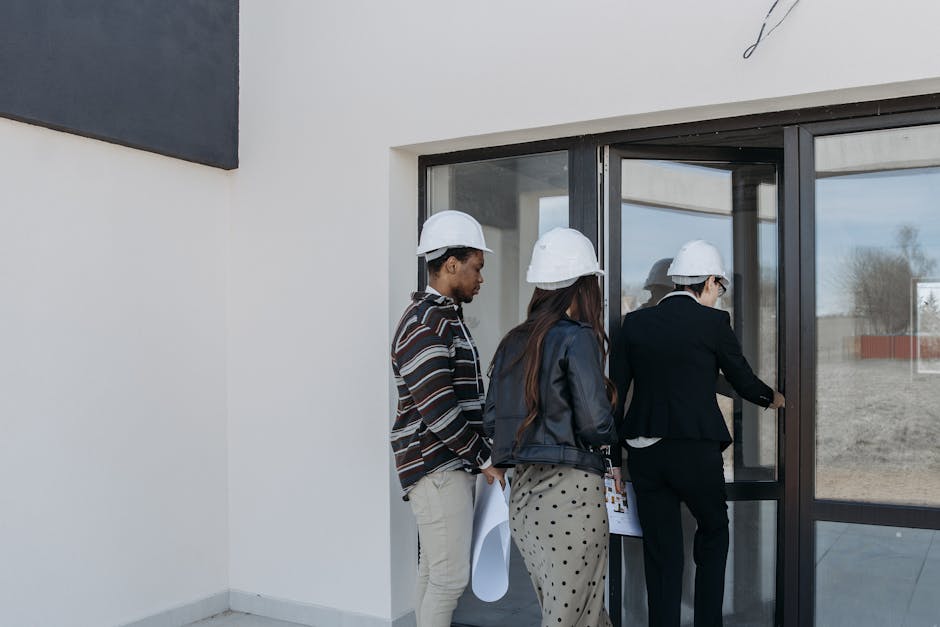
What to Bring to Your Final Walkthrough
Preparation makes all the difference. Arrive with the right documents and tools. Your real estate agent will bring their own copies. Having yours keeps you organized and confident.
Documents
Tools and Supplies
Common Issues Found During Final Walkthroughs
Most final walkthroughs go smoothly. However, problems do surface. The National Association of Realtors reports that roughly 5% of closings experience delays. Knowing common issues helps you spot them quickly.
Incomplete or Poor-Quality Repairs
Sellers sometimes cut corners on negotiated repairs. Compare the work against your repair addendum. Ask the seller for receipts from licensed contractors. Sloppy fixes can hide bigger problems that surface after you take possession of the home.
Missing Appliances or Fixtures
The purchase agreement specifies which items stay with the home. Sellers occasionally remove light fixtures, window treatments, or appliances they were supposed to leave. Verify everything against your contract.
New Damage from Moving Out
Moving heavy furniture can damage walls, floors, and door frames. Look for scratches, dents, holes in drywall, and damaged flooring. These issues often appear in hallways and stairways.
Trash and Debris Left Behind
Sellers should leave the property in broom-clean condition. Excessive trash, items the seller chose to leave behind, or construction debris left in the garage or yard is a common complaint. You should not have to pay to remove items the seller should have taken.
Utilities Shut Off Prematurely
If the seller turns off utilities before the walkthrough, you cannot test HVAC, plumbing, or electrical systems. Confirm with your agent that utilities remain on through closing day.
What Happens If You Find Problems
If you find issues during the final walk-through, do not panic. The good news is that you have options. Your real estate agent will help you navigate each situation based on the severity of the problem. Address every issue before closing when possible.
Minor issues like a dirty oven or small nail holes rarely justify delaying closing. These are normal wear items. However, significant problems require action before you sign the closing documents. Contact the seller before closing to resolve major concerns.
Delay Closing
If the seller failed to complete major repairs or left the property in unacceptable condition, you can request a delay. This gives the seller time to fulfill their obligations from the purchase agreement.
Negotiate a Credit at Closing or Seller Concession
Instead of delaying, the seller may offer a credit at closing. This reduces your closing costs by the estimated repair amount. Your agent can negotiate the credit as part of the final settlement so you can still close on schedule.
Escrow Holdback
Funds can be held in escrow until the seller completes repairs after closing. This protects both parties. The seller receives their money once a contractor verifies the work is done.
Walk Away from the Deal
In extreme cases, the buyer may choose to walk away. This depends on contract terms and the severity of the issues. Consult your real estate agent and attorney before making this decision. Your earnest money may be at stake.
Tips From Top Real Estate Agents
Experienced real estate agents have walked through thousands of homes. They attend the final walkthrough with their clients and know exactly what to look for. Their advice can save you time, money, and stress when buying a home.
Take Your Time
Never rush the walkthrough. Plan at least 45 minutes. Turn on every appliance. Open every door. Test every faucet. The 30 extra minutes you spend now can prevent months of frustration after closing.
Document Everything
Take photos and videos of every room. If you find an issue, document it immediately. Timestamp your photos. This evidence strengthens your negotiating position if problems arise before closing.
Check Behind Furniture Marks
Once the seller moves out, previously hidden damage becomes visible. Look at walls behind where large pieces of furniture sat. Check carpet under area rug locations. Water stains and damage often hide in these spots.
Verify Repair Receipts
Request receipts and contractor information for all negotiated repairs. Licensed contractors should provide documentation. DIY repairs by the seller may not meet code requirements or warranties.
Do Not Skip the Walkthrough
Some buyers feel pressured to skip the walkthrough to speed up closing. This is a mistake. Once you sign the closing documents, resolving property condition issues becomes significantly harder and more expensive.
What to Do After Your Walk-Through
After completing your final walk-through, communicate any concerns to your real estate agent immediately. If everything looks good, you are ready to proceed with closing on a home. Your agent will confirm with the closing attorney or title company that you are prepared to sign the closing documents.
If you found issues, your agent contacts the listing agent right away. Most problems have solutions that keep the transaction on track. The seller may agree to make repairs before closing day. A credit at closing can cover the cost of fixes you handle yourself after move-in. In some cases, an escrow holdback protects your interests while allowing the deal to close.
Document everything in writing. Email your agent a summary of what you found. Include photos with timestamps. Written records protect you if disputes arise later. Your lender may also need to know about significant issues before approving the final loan documents.
Final Walkthrough vs Home Inspection
Buyers sometimes confuse the final walkthrough with the home inspection. These serve different purposes at different stages of the home buying process.
| Feature | Final Walkthrough | Home Inspection |
|---|---|---|
| When | 24 to 48 hours before closing | During the inspection contingency period |
| Purpose | Verify condition and repairs | Evaluate property condition |
| Who Conducts It | Buyer and their agent | Licensed home inspector |
| Cost | Free | $300 to $500 on average |
| Duration | 30 to 60 minutes | 2 to 4 hours |
| Negotiation Power | Limited to contract terms | Broad negotiation opportunity |
Mistakes Home Buyers Make During Final Walk-Throughs
Even prepared buyers make mistakes during their final walk-through. Avoid these common pitfalls that can lead to problems after you close on a house.
Many first-time home buyers feel awkward thoroughly inspecting the home. They rush through rooms or skip areas like the basement, attic, or crawl space. Remember, you are about to spend hundreds of thousands of dollars. Taking your time is not just acceptable, it is expected.
Another mistake is bringing too many people. Friends and family mean well, but they create distractions. Limit your walk-through group to you, your partner if applicable, and your real estate agent. Stay focused on inspecting the home rather than discussing furniture placement.
Some buyers forget to check that the seller agreed to leave specific items like the washer, dryer, or window treatments. Your purchase contract lists what stays and what goes. Verify every item on that list during the walk-through. If the seller removed something that should have stayed, address it before closing.
Final Walkthrough for New Construction Homes
New construction walkthroughs require extra attention. The builder should provide a punch list review where you document every unfinished item. Paint touch-ups, cabinet adjustments, and trim work are common punch list items.
Check that all selections match your contract. Verify countertop materials, flooring type, cabinet hardware, and fixture finishes. Builders sometimes substitute materials. Your real estate agent can help you cross-reference everything against the original specifications.
Test every system thoroughly. New homes can have plumbing connections that leak. HVAC systems may need calibration. Electrical outlets sometimes lack proper wiring. A professional home inspector familiar with new construction adds valuable protection. Consider scheduling a separate inspection before the walkthrough.
Builder Tip: Most builders offer a one-year warranty. Document everything during the walkthrough so you have a baseline for future warranty claims. Take photos of all surfaces, fixtures, and finishes.
Your Rights as a Buyer
Most purchase agreements include a clause granting the buyer the right to a final walkthrough. This is a contractual right. The seller must provide reasonable access to the property before closing.
Your buyer broker agreement outlines your agent's responsibilities during this process. A good real estate agent advocates for your interests. They ensure the seller has met every obligation in the contract.
If the seller refuses access or creates obstacles, contact your attorney immediately. Blocking a walkthrough is a red flag. Your agent should escalate the matter to the seller's agent and brokerage. In most states, unreasonable refusal can be considered a breach of contract.
Frequently Asked Questions
What is a final walkthrough before closing on a house?
A final walkthrough is the buyer's last opportunity to inspect the property before closing day. It typically happens 24 to 48 hours before the closing date. The purpose is to verify the home is in the agreed-upon condition, all negotiated repairs are complete, and no new damage has occurred since the home inspection.
Can you fail a final walkthrough?
A final walkthrough is not a pass or fail inspection. However, if you discover significant issues such as missing appliances, incomplete repairs, or new damage, you can delay closing until the seller resolves them. Your real estate agent can negotiate solutions, request seller concessions, or hold funds in escrow for unresolved problems.
How long does a final walkthrough take?
A typical final walkthrough takes 30 minutes to one hour. Larger properties or homes with extensive repair agreements may take longer. Bring your inspection report and purchase agreement so you can check every item systematically without rushing through the process.
What should I bring to a final walkthrough?
Bring your home inspection report, the purchase agreement, a list of agreed-upon repairs, a phone charger to test outlets, a camera for documentation, and a flashlight. Having these items ensures you can verify every detail and document any concerns before closing day.
Can a buyer back out after the final walkthrough?
A buyer can potentially delay or cancel closing if the final walkthrough reveals serious problems that violate the purchase agreement. Common reasons include the seller failing to complete agreed-upon repairs, removing fixtures included in the sale, or new significant damage to the property. Consult your real estate agent and attorney about your specific contract terms.
Who attends the final walkthrough?
The buyer and their real estate agent attend the final walkthrough. The seller and their agent are typically not present. In some cases, the buyer may also bring a home inspector if there were significant repair requests. The walkthrough is the buyer's opportunity to inspect the property privately before taking ownership.
Related Guides
Need an Agent for Your Final Walkthrough?
A skilled real estate agent ensures nothing gets missed during the final walkthrough. We connect you with top-performing local agents who protect your interests.
Find My AgentClosing with Confidence
The final walkthrough before closing is your last line of defense as a buyer. Taking this step seriously protects your investment and gives you peace of mind on closing day. Walk through every room. Test every system. Check every repair. Your future self will thank you.
Working with an experienced real estate agent makes the final walkthrough more effective. They know what to look for. They spot issues you might miss. Most importantly, they know how to resolve problems quickly so your closing stays on track. Find the right agent and make your home buying experience a success.