Home Appraisal Cost: How Much Does It Cost in 2026?
A complete guide to home appraisal fees, what affects pricing, and how to save money on your property appraisal.
How much does a home appraisal cost? A home appraisal is a critical step in the home buying process. Whether you are a home buyer purchasing your first property, refinancing an existing mortgage, or selling a home, understanding how much is a home appraisal helps you budget and avoid surprises at closing. Home appraisals are an important part of every real estate transaction.
Average home appraisal costs range between $300 and $500 for a standard single-family home. The cost will vary depending on your location, property type, and how much it costs to get an appraisal in your area. The average price nationwide falls between $350 and $400. In this guide, we break down what drives appraisal costs typically, what to expect during the process, and home appraisal tips to keep expenses manageable.
Home appraisals are typically required by mortgage lenders before approving a loan. A home appraisal and how much it reveals about value can make or break a deal. The home appraisal determines how much your home is worth and whether the property value supports the loan amount. Whether you are buying, selling or refinancing a home, understanding appraisal costs protects your investment and ensures a smooth closing.
What Is a Home Appraisal?
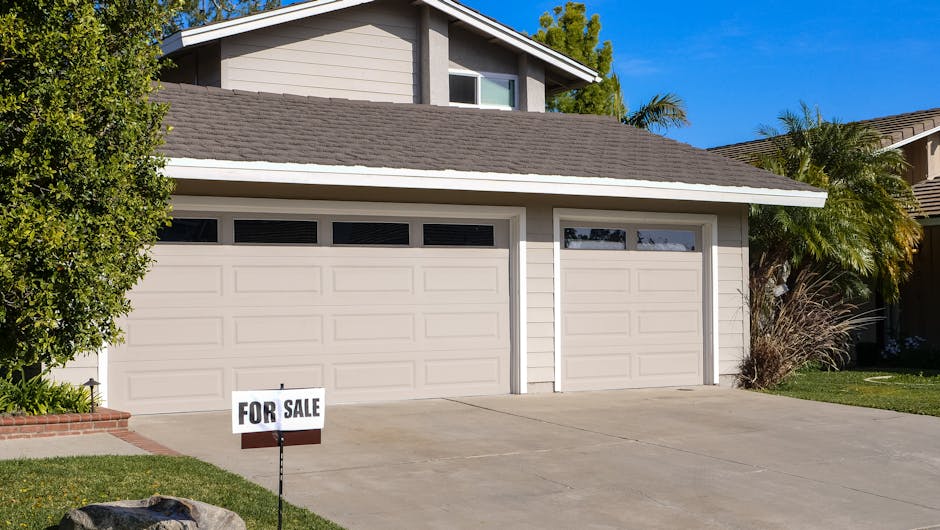
A home appraisal is a professional assessment of a property's fair market value. A licensed or certified appraiser will visit the home in person, evaluate the condition of the home, and compare it with recent home sales of comparable properties in the area. The appraiser then provides a written home appraisal report that states the appraised value of a home.
Mortgage lenders require a home appraisal to ensure the property is worth at least as much as the loan amount. The appraisal is typically ordered after a home purchase agreement is signed. This protects both the lender and the home buyer from overpaying. A home appraisal isn't just about the value of a home. It also verifies the condition of the home meets the lender's minimum standards.
During the appraisal process, home appraisers look at the home's square footage, number of bedrooms and bathrooms, overall condition, upgrades, lot size, and location of the home. They also review comparable sales data and recent sales in the area to determine a fair value. The home appraisal typically takes 30 minutes to a few hours on site, with the full report delivered within 3 to 10 business days.
Average Home Appraisal Cost in 2026
The average home appraisal cost in 2026 ranges from $300 to $500 for a typical single-family home. Most homeowners and buyers can expect to pay around $350 to $400 as the national average. However, the total cost varies significantly depending on several factors including appraisal type, property size, and cost of living in your state. Some home appraisals cost more to appraise than others based on complexity and location.
| Property Type | Average Cost | Range |
|---|---|---|
| Single-Family Home | $350–$400 | $300–$500 |
| Condo or Townhouse | $300–$375 | $250–$450 |
| Multi-Family (2–4 units) | $500–$700 | $400–$900 |
| Luxury or High-Value Property | $500–$800 | $400–$1,000+ |
| Rural or Unique Property | $400–$600 | $350–$800 |
| FHA Appraisal | $400–$500 | $350–$550 |
Note: Appraisal costs are typically higher in states with higher costs of living such as California, New York, and New Jersey. Rural areas may also cost more due to limited comparable sales data.
Factors That Affect Home Appraisal Costs
Several factors influence how much you will pay for a home appraisal. Understanding these factors helps you anticipate the final cost and avoid unexpected charges during the home buying process.
Location
Appraisal fees vary by state and region. Urban areas with many comparable sales may cost less than rural locations where the appraiser must travel farther and work harder to find comps.
Property Size
Larger homes with more square footage take longer to inspect and evaluate. A 3,000 square foot home costs more to appraise than a 1,200 square foot property.
Property Type
Single-family homes are less expensive to appraise than multi-family properties, investment properties, or commercial real estate. Condos may have lower fees due to standardized unit layouts.
Loan Type
FHA appraisals and VA appraisals have additional requirements that increase costs. These government-backed loan appraisals must meet stricter property condition standards.
Turnaround Time
Rush appraisals cost more. If you need results within 24 to 48 hours, expect to pay a premium fee of $75 to $200 above the standard rate.
Market Conditions
During busy spring and summer months, appraiser demand increases. Higher demand often leads to higher appraisal fees and longer wait times for scheduling.
Home Appraisal Cost by State
Home appraisal fees vary widely across the United States. States with higher costs of living and elevated home values tend to charge more for appraisal services. Below is a sampling of average appraisal costs by state for a standard single-family home.
| State | Average Cost | State | Average Cost |
|---|---|---|---|
| California | $400–$550 | Texas | $300–$425 |
| New York | $400–$550 | Florida | $300–$450 |
| New Jersey | $425–$575 | Ohio | $275–$375 |
| Washington | $400–$575 | Georgia | $275–$375 |
| Colorado | $375–$500 | Kentucky | $275–$350 |
| Illinois | $325–$450 | North Carolina | $300–$400 |
Keep in mind: These are average ranges for conventional loan appraisals. FHA appraisal costs and VA appraisal costs may be $50 to $100 higher in most states due to additional requirements.
Who Pays for the Home Appraisal?
In most real estate transactions, the buyer pays for the appraisal. The mortgage lender will order the appraisal as part of the loan approval process, and the buyer is responsible for the cost. The appraisal is usually paid upfront when the lender places the order or included as part of the closing costs. The buyer pays for the appraisal whether the home purchase closes or not.
There are some situations where the seller may agree to pay for the appraisal. During buyer's market conditions, the seller might offer to cover the appraisal fee as a concession to attract more offers. In a short sale, the bank holding the mortgage may also have specific requirements about who covers the appraisal cost. It is wise to discuss who is responsible for the cost with your real estate agent before getting a home under contract.
When buying a home
The buyer pays the appraisal fee as part of the mortgage process. Expect to pay the fee when you receive the loan estimate from your lender.
When refinancing
The homeowner requesting the refinance pays for the appraisal. Some lenders roll this cost into the new loan balance.
Types of Home Appraisals and Their Costs
Not all home appraisals are the same. Each type of appraisal affects both the cost and the process differently. Here are the most common types of home appraisals and what each one involves. Understanding which appraisal may be required for your situation and why you need an appraisal helps you plan ahead.
Full Interior and Exterior Appraisal
The most comprehensive type. The appraiser visits the property, inspects the interior and exterior, takes measurements, and photographs the home. This is the standard appraisal for most mortgage loans.
Drive-By or Exterior-Only Appraisal
Also called a drive-by appraisal, the appraiser evaluates the property from the outside without entering the home. Used for some refinance transactions where the lender has an existing interior record. Relies heavily on public records and comparable sales.
Desktop Appraisal
The appraiser completes the valuation without visiting the property. They use MLS data, tax records, aerial imagery, and comparable sales to estimate value. Some lenders accept this for certain refinance applications.
FHA Appraisal
Required for FHA loans. Includes all elements of a full appraisal plus additional health and safety inspections mandated by FHA guidelines. The appraiser must verify the property meets minimum property requirements.
VA Appraisal
Required for VA loans. Similar to FHA appraisals with additional minimum property requirements established by the Department of Veterans Affairs. VA appraisal fees vary by region.
Home Appraisal vs Home Inspection
Buyers often confuse a home appraisal with a home inspection. While both occur during the home buying process, they serve very different purposes and involve different professionals.
| Feature | Home Appraisal | Home Inspection |
|---|---|---|
| Purpose | Determines market value | Evaluates physical condition |
| Required by lender? | Yes, for most loans | No, but strongly recommended |
| Cost | $300–$500 | $300–$500 |
| Performed by | Licensed appraiser | Licensed home inspector |
| Focuses on | Value, comps, market data | Structural, electrical, plumbing |
Important: Both an appraisal and an inspection are recommended when buying a home. The appraisal protects your financial investment while the home inspection protects you from hidden defects.
What Happens During the Home Appraisal Process
Understanding the appraisal process helps you prepare and ensures a smooth experience. Here is what to expect from start to finish when your lender orders a home appraisal.
Lender Orders the Appraisal
After your mortgage application is submitted, the lender orders an appraisal through an appraisal management company (AMC). Federal regulations require lenders to use independent appraisers to prevent conflicts of interest.
Appraiser Schedules the Visit
The assigned appraiser contacts the homeowner or real estate agent to schedule an on-site inspection. This typically happens within a few days of the order being placed.
On-Site Property Inspection
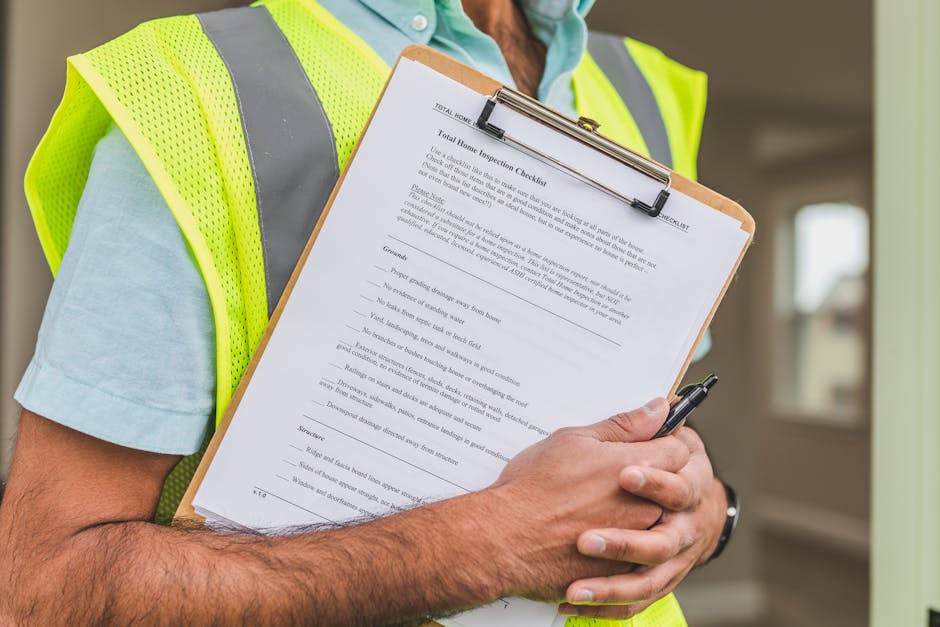
The appraiser visits the property to inspect the interior and exterior condition. They measure the square footage, note the number of rooms, evaluate the overall condition, and photograph the home. This visit usually takes 30 minutes to a few hours.
Comparable Sales Analysis
The appraiser researches recent comparable sales in the neighborhood. They look for similar properties that sold within the past 6 months and within a reasonable distance from the subject property.
Appraisal Report Delivered
The appraiser compiles their findings into a formal appraisal report. This document includes the estimated property value, comparable sales data, photographs, and a description of the property's condition. The report is sent to the lender within 3 to 10 business days.
What to Do If the Appraisal Comes in Low
A low home appraisal, also known as a low appraisal, can complicate a real estate transaction. When the appraisal comes back below the purchase price, the lender will only approve a loan based on the lower appraisal value. The lender needs to verify the home is worth enough to secure the loan. This creates a gap between what the home you want to buy costs and what the lender will finance.
Here are your options when an appraisal comes in low during the home buying process.
Negotiate a Lower Purchase Price
Ask the seller to reduce the sale price to match the appraised value. This is the most common solution and protects both parties.
Cover the Difference in Cash
The buyer can pay the difference between the appraised value and the purchase price out of pocket. This requires additional cash beyond the down payment.
Request a Reconsideration of Value
If you believe the appraisal missed relevant comparable sales or contains errors, you can submit additional data to the lender and request a review of the original appraisal.
Order a Second Appraisal
You may request a second appraisal at your own expense. A different appraiser may find additional comparable sales or assess the property differently.
Use an Appraisal Contingency
If your purchase contract includes an appraisal contingency, you may have the option to walk away from the deal and receive your earnest money back.
How to Save Money on Home Appraisal Costs
While you cannot skip the appraisal altogether when getting a mortgage in most cases, there are practical ways to manage and potentially reduce your home appraisal costs. Some lenders may allow you to proceed without an appraisal in certain refinance situations, but for a home purchase, the appraisal is almost always required.
Shop Around for Lenders
Different lenders use different appraisal management companies with varying fee structures. Compare appraisal fees when shopping for a mortgage to find the best overall deal.
Ask About Appraisal Waivers
Some lenders and loan programs offer appraisal waivers for properties with strong data profiles and borrowers with excellent credit. Fannie Mae and Freddie Mac both have programs that may waive the appraisal requirement.
Prepare the Property
A clean, well-maintained home makes the appraiser's job easier and faster. Provide a list of home improvements, upgrades, and renovations with costs to support a higher valuation. Having this information about the home readily available helps.
Negotiate Seller Concessions
Ask the seller to cover the appraisal fee as part of seller concessions. This is more common in buyer's markets or when the property has been listed for an extended period.
Avoid Rush Fees
Plan your timeline to avoid needing a rush appraisal. Standard turnaround times are less expensive. Build enough time into your closing timeline for the appraisal to be completed at the normal rate.
When Do You Need a Home Appraisal?
A home appraisal is required or recommended in several common real estate situations. Knowing when you need one helps you plan for the cost ahead of time.
Purchasing a Home
Most mortgage lenders require an appraisal before approving a home loan. The lender needs to verify that the property's value supports the loan amount.
Refinancing a Mortgage
When refinancing your existing home loan, the lender typically requires a new appraisal to confirm the current market value of your property.
Applying for a Home Equity Loan
Lenders offering home equity loans or HELOCs may require an appraisal to determine the amount of equity available in your home.
Removing PMI
If your home has increased in value, an appraisal can help you demonstrate enough equity to remove private mortgage insurance from your monthly payment.
Estate Planning or Divorce
Private appraisals help establish fair market value for dividing assets during divorce proceedings or managing estate settlements.
Property Tax Appeal
An independent appraisal can support your case if you believe your property tax assessment is too high compared to actual market value.
Tips for a Successful Home Appraisal
Whether you are the buyer or the seller, there are steps you can take to help the appraisal go smoothly and support the best possible outcome.
For Sellers
Complete minor repairs before the appraisal visit
Prepare a list of recent home improvements with costs
Clean and declutter the home for a good first impression
Ensure all areas of the home are accessible for inspection
Provide comparable sales data from your real estate agent
For Buyers
Include an appraisal contingency in your offer
Review the appraisal report carefully when received
Ask your real estate agent to provide comps to the appraiser
Budget for the appraisal fee in your overall closing costs
Understand your options if the appraisal comes in low
Can You Attend the Appraisal?
You may wonder whether you can attend the appraisal in person. The answer depends on your role in the transaction. As a buyer, you generally cannot attend the appraisal unless the seller and the appraiser both agree. As a seller or homeowner, you have every right to be present when the appraiser visits.
If you do attend the appraisal, stay out of the way and let the appraiser work. You can offer helpful information like a list of home improvements, details about homes in the area that recently sold, or information about the home that may not be obvious. However, avoid pressuring the appraiser or following them room to room.
The Appraisal Institute recommends that homeowners be available to answer questions but allow the appraiser to conduct an independent evaluation. A good appraisal starts with cooperation. Having documentation ready about upgrades, permits, and comparable homes in the area can support the process. Even if you choose not to attend, you can leave helpful information about the home for the appraiser to review.
Keep in mind that an appraisal isn't a pass-or-fail test. The appraisal determines the fair market value based on objective data and professional judgment. Whether you get a good appraisal or a low one, the report reflects current market conditions and the actual condition of the home. You can request an appraisal anyway for personal use, even without a lender requirement, to understand what your home is worth before listing it for sale.
Need Help Navigating the Appraisal Process?
A knowledgeable real estate agent can guide you through the appraisal process, help you prepare your property, and advise you on next steps if the appraised value is unexpected.
Find a Real Estate AgentUnderstanding Home Appraisal Costs Protects Your Investment
Home appraisals serve as a critical safeguard in any real estate transaction. While the cost typically ranges from $300 to $500, the protection home appraisals provide is worth far more. The appraisal ensures you are not overpaying for a property and gives your lender confidence in the loan they are approving.
By understanding the factors that affect appraisal costs, you can budget appropriately and avoid surprises. Whether you are a first-time buyer working through the home buying process or a homeowner looking to refinance, the appraisal is one expense that serves your financial interests.
Work with an experienced real estate agent who understands your local market. The right agent can help you prepare for the appraisal, provide comparable sales data to the appraiser, and guide you through any challenges that arise. A well-prepared appraisal process saves time and reduces stress during one of the most important financial decisions of your life.
For more guidance on closing costs and what to expect during the buying process, explore our complete library of real estate resources. Understanding each step empowers you to make confident, informed decisions.