Home Appraisal vs Home Inspection: Key Differences Every Buyer Should Know
Two essential steps in the home buying process that protect your investment in very different ways.
Buying a home involves many steps that protect your investment. Two of the most important are the home inspection and appraisal. While both involve a professional visiting the property, they serve completely different purposes. So what's the difference? Understanding the key differences between a home appraisal and a home inspection vs the other is essential for every home buyer.
The appraisal determines the market value of a home to confirm the property is worth the mortgage amount. The inspection protects the buyer by revealing hidden problems with the home you're buying. When purchasing a home, you need both home appraisals and home inspections to make informed decisions and avoid costly surprises during your home buying process.

What Is a Home Appraisal?
A home appraisal is a professional assessment of a property's fair market value. A licensed real estate appraiser conducts the appraisal process on behalf of the mortgage lender. The difference between a home appraisal and inspection starts with purpose. The lender uses the appraiser's assessment of a home to ensure the home is worth at least the amount they are lending.
The appraiser considers the property's size, condition, location, and features. They also compare the home to similar properties that recently sold in the same area. These comparable sales, often called "comps," determine the value for the home. The final appraisal report includes photographs, market data, and a professional opinion of the value of a home.
Most mortgage lenders require an appraisal to ensure the loan is justified. This applies to conventional, FHA appraisal requirements, and VA home loan programs. Without an appraisal, the bank has no independent verification that the property is worth the mortgage amount. Some lenders use an appraisal waiver for low-risk transactions, but cash buyers are not required to get an appraisal at all.
Key Point
The appraiser works for the lender, not the buyer or seller. Their goal is to protect the financial institution's investment by ensuring the property value supports the loan.
What Is a Home Inspection?
A home inspection is a thorough examination of a property's physical condition. A licensed home inspector evaluates the structure, systems, and components of the house. The goal is to identify existing problems and potential safety hazards.
Unlike the appraisal, the home buyer should hire a home inspector who works for their interests. A professional home inspector produces a detailed report covering everything from the foundation to the roof. This report gives the buyer a clear picture of what repairs or maintenance the home may need.
While a home inspection is optional in most states, a home inspection is one of the smartest investments when you buy a home. The home inspector's job is to find every potential problem. The average inspection costs a few hundred dollars, but when the home inspection uncovers major issues, it can save you tens of thousands. According to the American Society of Home Inspectors, 86% of home inspections reveal at least one item that needs attention. Getting an inspection done early in the process gives you time to make informed decisions.
Important
Waiving the home inspection to make your offer more competitive can backfire. Hidden structural damage, mold, or outdated electrical systems can cost $10,000 to $50,000 or more to repair.
Home Appraisal vs Home Inspection: Side-by-Side Comparison
| Feature | Home Appraisal | Home Inspection |
|---|---|---|
| Purpose | Determines market value | Evaluates physical condition |
| Who orders it | Mortgage lender | Buyer |
| Who pays | Buyer (at closing) | Buyer (upfront) |
| Required? | Yes (for financed purchases) | No (but highly recommended) |
| Typical cost | $300 – $600 | $300 – $500 |
| Duration | 30 minutes – 1 hour | 2 – 4 hours |
| Report delivered | Within 1 – 2 weeks | Within 24 – 48 hours |
| Professional | Licensed appraiser | Licensed home inspector |
| Protects | The lender | The buyer |
| Can affect the deal? | Yes (low value = loan issues) | Yes (major issues = renegotiation) |
Cost Comparison: Appraisal vs Inspection
Both the appraisal and inspection add to your total closing costs. Understanding what you will pay helps you budget for the full cost of buying a home.
Home Appraisal Costs
- Single-family home: $300 – $500
- Multi-family property: $600 – $1,500
- FHA/VA appraisal: $400 – $700
- Rush appraisal: Add $100 – $200
Home Inspection Costs
- Standard inspection: $300 – $500
- Radon testing: $100 – $200 extra
- Termite/pest inspection: $75 – $150 extra
- Sewer scope: $100 – $300 extra
Combined, you should budget $600 to $1,100 for both an appraisal and a standard home inspection. For older homes or properties with known issues, add-on inspections like mold testing, sewer scoping, or structural evaluations can push the total higher. Learn more about what to expect with our detailed guide on home appraisal costs and home inspection costs.
When Each Happens During the Home Buying Process
The timing of each evaluation follows a specific order in the transaction timeline. Knowing when to expect each step helps you plan ahead.
Offer Accepted
The due diligence period begins. Clock starts ticking on your contingency deadlines.
Home Inspection (Days 3–10)
Buyer schedules the inspection immediately. Takes 2 to 4 hours on-site. Report delivered within 24 to 48 hours.
Repair Negotiations (Days 7–14)
If the inspection reveals issues, buyer and seller negotiate repairs or credits before the inspection contingency deadline.
Home Appraisal (Days 14–21)
Lender orders the appraisal. Appraiser visits the property for 30 to 60 minutes. Report arrives within 1 to 2 weeks.
Closing (Days 30–45)
Both the appraisal and inspection are complete. Final walkthrough happens, then you close on the house.
What Appraisers Look For
The appraiser focuses on factors that affect the home's market value. Their evaluation includes both the property itself and external market conditions. Here is what the appraiser examines during their visit.
Property Features
- Square footage and room count
- Number of bedrooms and bathrooms
- Garage, basement, and attic space
- Lot size and landscaping
- Recent upgrades and renovations
Location and Market Data
- Comparable recent sales (comps)
- Neighborhood quality and trends
- School district ratings
- Proximity to amenities
- Current market conditions
General Condition
- Overall structural integrity
- Roof age and condition
- Foundation visible issues
- Interior and exterior finishes
- Functional utility systems
Red Flags for Lenders
- Health and safety hazards
- Unpermitted additions
- Environmental concerns
- Structural deficiencies
- Non-conforming property uses
What Home Inspectors Look For
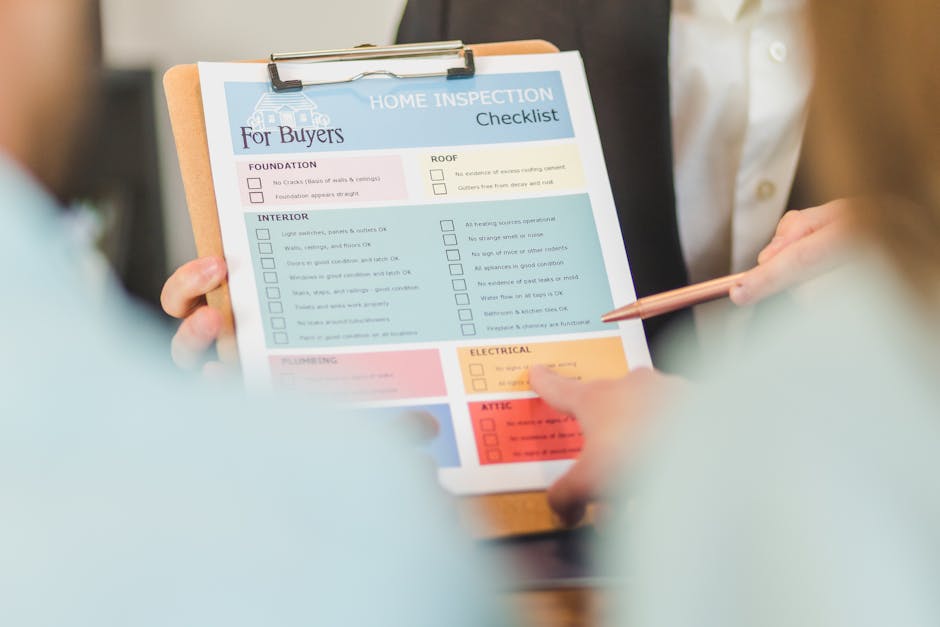
The inspector digs much deeper into the home's condition than the appraiser. A standard home inspection checklist covers every major system and structural component. The inspection report typically includes photos and severity ratings for each finding.
Structural Systems
- Foundation cracks and settling
- Roof shingles, flashing, and gutters
- Walls, ceilings, and floors
- Windows and doors
- Attic insulation and ventilation
Mechanical Systems
- HVAC system and ductwork
- Electrical panel and wiring
- Plumbing pipes and water heater
- Appliances included in the sale
- Smoke and carbon monoxide detectors
A standard inspection does not include specialized tests for mold, asbestos, lead paint, or pests. These require separate specialty inspections. Your real estate agent can recommend whether additional testing makes sense based on the home's age, location, and visible conditions. Read more about what happens after a home inspection.
What Happens When the Appraisal Comes in Low
A low appraisal means the appraiser valued the home below the agreed purchase price. This creates a gap between what the lender will finance and what the seller expects to receive. The buyer may need to negotiate with the seller to find a solution. It is one of the most common roadblocks in real estate transactions.
When this happens, buyers and sellers typically have four options to move forward.
Negotiate a Lower Price
Ask the seller to reduce the price to match the appraised value. This is the most common resolution.
Cover the Gap
The buyer pays the difference between the appraised value and the purchase price out of pocket.
Request a Second Appraisal
If you believe the appraisal was inaccurate, your lender may allow a second opinion. This adds time and cost.
Walk Away
If the contract includes an appraisal contingency, the buyer can cancel without penalty.
What Happens When the Inspection Finds Problems
Almost every home inspection reveals some issues. The question is whether those issues are deal breakers or normal wear and tear. Minor findings like a dripping faucet or missing caulk are expected. Major problems like a cracked foundation or outdated electrical panel carry serious financial consequences.
When the inspection uncovers significant issues, the buyer has several options depending on the terms of the home inspection contingency.
Request Repairs
Ask the seller to fix specific problems before closing. Common repair requests include roof leaks, plumbing issues, and electrical hazards.
Negotiate a Credit
Instead of repairs, ask the seller for a credit at closing. This gives the buyer cash to handle repairs on their own timeline. Sometimes called seller concessions.
Accept As-Is
If the issues are minor, the buyer may choose to proceed without requesting repairs. This is more common in competitive markets. Learn what it means when a home is listed as-is in real estate.
Cancel the Contract
If the inspection reveals deal-breaking problems, the buyer can walk away with their earnest money returned (if a contingency is in place).
Do You Need Both a Home Appraisal and Home Inspection?
The short answer is yes. Each evaluation protects a different party and covers different aspects of the property. Skipping either one creates risk.
The appraisal is typically non-negotiable for financed purchases. Your mortgage lender will require it as part of the loan approval process. The inspection cost is a small price to pay compared to the potential expense of uncovered problems.
Risks of Skipping the Inspection
- Undiscovered foundation damage ($5,000 – $30,000)
- Hidden mold contamination ($2,000 – $15,000)
- Faulty electrical wiring ($3,000 – $10,000)
- Roof replacement surprise ($8,000 – $25,000)
- Plumbing failures ($1,000 – $15,000)
Benefits of Getting Both
- Full picture of value and condition
- Stronger negotiating position
- Protection for both lender and buyer
- Informed decision with no surprises
- Documentation for future reference
Even cash buyers who are not required to get an appraisal should seriously consider both home inspections and home appraisals. Spending $600 to $1,100 upfront could save you from a purchase that needs $50,000 in unexpected repairs or one where you overpay by $20,000. Both evaluations serve a critical purpose when purchasing a home.

How Your Real Estate Agent Helps With Both Processes
A skilled real estate agent guides you through both the appraisal and inspection processes. Their experience can make the difference between a smooth closing and a failed transaction. Here is how your agent adds value at each stage.
During the Inspection
Your agent can recommend trusted inspectors, attend the inspection with you, help you understand the report findings, and advise which repair requests are reasonable in the current market. They know which issues are negotiation points and which are cosmetic concerns that sellers typically reject.
During the Appraisal
Your agent can provide the appraiser with comparable sales data, information about recent improvements, and neighborhood details that support the home's value. If the appraisal comes in low, your agent handles the negotiation with the seller's side to find a resolution.
Coordinating the Timeline
Your agent manages the deadlines for both contingencies. Missing a deadline could mean losing your right to negotiate or cancel. An experienced agent ensures each step happens in the right order and within the contract timeframes.
Common Myths About Appraisals and Inspections
Myth: "The appraisal replaces the inspection."
Reality: The appraiser checks value, not condition. They will note obvious defects, but they do not crawl into attics, test electrical outlets, or check for water damage behind walls. These are completely different evaluations.
Myth: "A clean inspection means the appraisal will be high."
Reality: A house can be in excellent condition but still appraise below the purchase price. Value depends on market comparables, not just the home's physical state. Location and recent sales activity matter more than a perfect inspection report.
Myth: "Sellers should hide problems from the inspector."
Reality: Concealing known defects can violate seller disclosure laws. If hidden problems surface after closing, the seller could face legal liability. Transparency builds trust and leads to smoother transactions.
Myth: "New construction homes don't need an inspection."
Reality: New homes can have construction defects, improper installations, and code violations. A 2023 study by the National Association of Home Builders found that 15% of new homes had at least one significant defect. Always get an inspection regardless of the home's age.
Myth: "You can negotiate the appraisal fee."
Reality: Appraisal fees are set by the appraisal management company, not the lender. Federal regulations after the 2008 financial crisis established independence requirements that prevent lenders from influencing appraiser selection or fees.
Buyer's Due Diligence Quick Reference
Use this quick reference to stay organized during both your appraisal and inspection. Keep track of deadlines, costs, and key contacts.
Frequently Asked Questions
Is a home appraisal the same as a home inspection?
No. An appraisal determines the fair market value of a property for the lender. An inspection evaluates the physical condition of the home for the buyer. The appraiser is hired by the lender, and the inspector is hired by the buyer. They serve completely different purposes.
Do I need both a home appraisal and a home inspection?
If you are financing with a mortgage, the appraisal is required by your lender. The inspection is technically optional but strongly recommended. Skipping it could mean missing costly problems like foundation damage, roof issues, or faulty wiring.
How much does a home appraisal cost compared to an inspection?
An appraisal typically costs $300 to $600. An inspection usually costs $300 to $500. The exact price depends on location, property size, and complexity. Both are paid by the buyer in most transactions.
What happens if the appraisal comes in low?
The lender will only approve a loan for the appraised amount. Options include negotiating a lower price, paying the difference out of pocket, requesting a second appraisal, or walking away with an appraisal contingency.
Can a home inspection affect the appraisal?
The inspection report is not shared with the appraiser, so it does not directly affect the value. However, if major issues are visible during the appraiser's visit, those problems could independently lower the appraised value.
Who pays for the appraisal and the inspection?
The buyer pays for both in most real estate transactions. The appraisal fee is typically included in closing costs. The inspection fee is paid upfront before closing. Sellers may sometimes agree to cover costs as part of negotiations.
Should the inspection happen before or after the appraisal?
The inspection usually comes first. Most buyers schedule it within 3 to 10 days after the offer is accepted. The appraisal is ordered by the lender and happens 2 to 3 weeks into the process. This order allows you to address any issues found during inspection before the appraisal takes place.
Navigate Your Home Purchase With Confidence
A great real estate agent will guide you through both the appraisal and inspection process. Get matched with an experienced agent who knows your local market.
Find My AgentRelated Resources
Continue learning about the home buying process with these helpful guides. Whether you are preparing for a home sale or buying your first property, each guide covers a critical step in your journey to homeownership.
- How Much Does a Home Appraisal Cost?
- How Much Does a Home Inspection Cost?
- Complete Home Inspection Checklist
- Understanding the Home Inspection Contingency
- What Is an Appraisal Contingency?
- What to Do About a Low Home Appraisal
- What Happens After a Home Inspection?
- How to Prepare for a Home Inspection
- What to Expect at Closing
- The Complete Home Buying Process