The Complete Home Buying Process
Your step by step guide to purchasing a home with confidence in 2025.
Buying a home is one of the most significant financial decisions you will ever make. The home buying process involves multiple steps, important deadlines, and careful decision making. Understanding each phase helps you move forward with confidence and avoid costly surprises.
Whether you are a first-time homebuyer or purchasing your next property, this step-by-step guide breaks down every stage of the journey. From evaluating your finances to collecting the keys on closing day, every homebuyer will know exactly what to expect. A well prepared buyer makes smarter decisions and stronger offers when shopping for a home.
The real estate market in 2025 continues to evolve. Interest rates, housing inventory, and local demand shape the landscape. Being preapproved for a mortgage before you start looking gives you a meaningful edge. Once you are ready to buy, understanding each type of mortgage and how much you can afford narrows the range of homes you should consider. Let us guide you through the process step by step.

What You Will Learn
1 Evaluate Your Financial Readiness
The homebuying process starts long before you tour your first home. Your financial health determines what you can afford and what home loan options are available. Take time to honestly evaluate where you stand before diving into the market. Every first-time buyer benefits from understanding these steps of the homebuying journey.
Calculate Your Budget
A common guideline suggests spending no more than 28% of gross monthly income on housing costs. This includes your mortgage payment, property taxes, homeowners insurance, and any HOA fees. Lenders use this ratio when evaluating your application.
Look at your full financial picture. Add up monthly debts including car payments, student loans, and credit cards. Your total debt to income ratio should stay below 43% for most conventional loans. Some loan programs allow higher ratios but staying below this threshold gives you more options.
Build Your Down Payment
The amount you need for a down payment depends on the loan type. Conventional loans require as little as 3% down. FHA loans need 3.5% with a credit score of 580 or higher. VA loans and USDA loans offer zero down payment options for qualified borrowers.
Putting down 20% eliminates the need for private mortgage insurance. PMI typically costs 0.5% to 1% of the loan amount annually. Even if you cannot put down 20% today, remember that PMI drops off once you reach 20% equity in your home.
Plan for Additional Costs
Beyond the down payment, budget for closing costs that typically range from 2% to 5% of the purchase price. You will also need funds for the home inspection, appraisal, moving expenses, and an emergency reserve. Financial experts recommend keeping 3 to 6 months of expenses saved after purchasing.
Pro Tip
Create a dedicated savings account for your home purchase. Automate monthly transfers so your down payment fund grows steadily without effort.
2 Check and Improve Your Credit Score
Your credit score plays a central role in the home buying process. It affects your mortgage interest rate, loan terms, and approval odds. Before applying for pre-approval, check your credit reports from all three major bureaus: Equifax, Experian, and TransUnion.
Understanding Credit Score Requirements
Different loan programs have different minimum credit score requirements. Conventional loans typically require a 620 minimum. FHA loans accept scores as low as 580. VA loans have no official minimum but most lenders want 620 or above. The higher your score, the lower your interest rate will be.
A difference of even 20 points can change your interest rate significantly. On a $300,000 mortgage, a 0.25% rate reduction saves roughly $15,000 over the life of a 30 year loan. That makes credit improvement one of the best investments you can make before buying.
Steps to Boost Your Credit
Pay all bills on time for at least six months before applying. Pay down credit card balances to below 30% of your limits. Avoid opening new credit accounts or making large purchases. Dispute any errors you find on your credit reports immediately.
Do not close old credit accounts even if you no longer use them. The length of your credit history matters. Keeping old accounts open with zero balances helps your overall credit utilization ratio and strengthens your credit profile.
3 Get Pre-Approved for a Mortgage
Getting a mortgage loan pre-approval is one of the most important steps in the home buying process. A pre-approval letter from mortgage lenders shows sellers you are a serious and qualified buyer. It also tells you exactly how much house you can afford based on your actual financial situation.
Pre-Approval vs Pre-Qualification
Many buyers confuse pre-approval with pre-qualification. Pre-qualification is a quick estimate based on self reported information. Pre-approval involves a thorough review of your income, assets, debts, and credit history. Sellers and their agents take pre-approval letters far more seriously.
What You Need for Pre-Approval
Gather your documents before meeting with a lender. You will need recent pay stubs covering at least 30 days. Provide W-2 forms or tax returns from the past two years. Bank statements showing your savings and down payment funds are required. Self employed buyers need additional documentation including profit and loss statements.
Shop multiple mortgage lenders to compare rates and terms. Getting quotes from at least three lenders can save you thousands over the life of your home loan. Credit inquiries for mortgage shopping within a 45 day window count as a single inquiry on your credit report.
Understanding Your Pre-Approval Letter
Your pre-approval letter states the maximum amount you are approved to borrow. Remember that the maximum is not necessarily what you should spend. Factor in your lifestyle, savings goals, and comfort level with monthly payments. A good real estate agent helps you find properties within a budget that makes sense for your complete financial picture.
Key Insight: In competitive markets, sellers often reject offers from buyers without pre-approval. Getting this step done first gives you a significant advantage over other buyers.
4 Find a Real Estate Agent
Working with a knowledgeable real estate agent transforms the home buying process. A buyer's agent represents your interests, provides market expertise, and handles complex negotiations. Their guidance is especially valuable for first time buyers navigating unfamiliar territory.
Why a Buyer's Agent Matters
A skilled buyer's agent knows the local market intimately. They understand pricing trends, neighborhood dynamics, and which areas offer the best value. They can spot potential problems with a property that untrained eyes would miss. Their negotiation skills often save buyers thousands of dollars.
Your agent manages the mountain of paperwork involved in a real estate transaction. They coordinate with the seller's agent, lender, title company, and inspector. This coordination keeps the process moving forward smoothly and on schedule.
How to Choose the Right Agent
Interview at least three agents before choosing one. Ask about their experience in your target neighborhoods and price range. Look at their recent transaction history and client reviews. Ask the right questions to find someone who fits your needs.
Watch for red flags like poor communication, lack of availability, or pressure tactics. A good agent listens to your priorities and adapts their approach. They educate you through the process rather than rushing you toward decisions.
Understanding the Buyer Broker Agreement
Before working together, your agent will present a buyer broker agreement. This document outlines the terms of your working relationship including compensation. Read it carefully and ask questions about anything you do not understand. Recent industry changes have made these agreements more common and important.
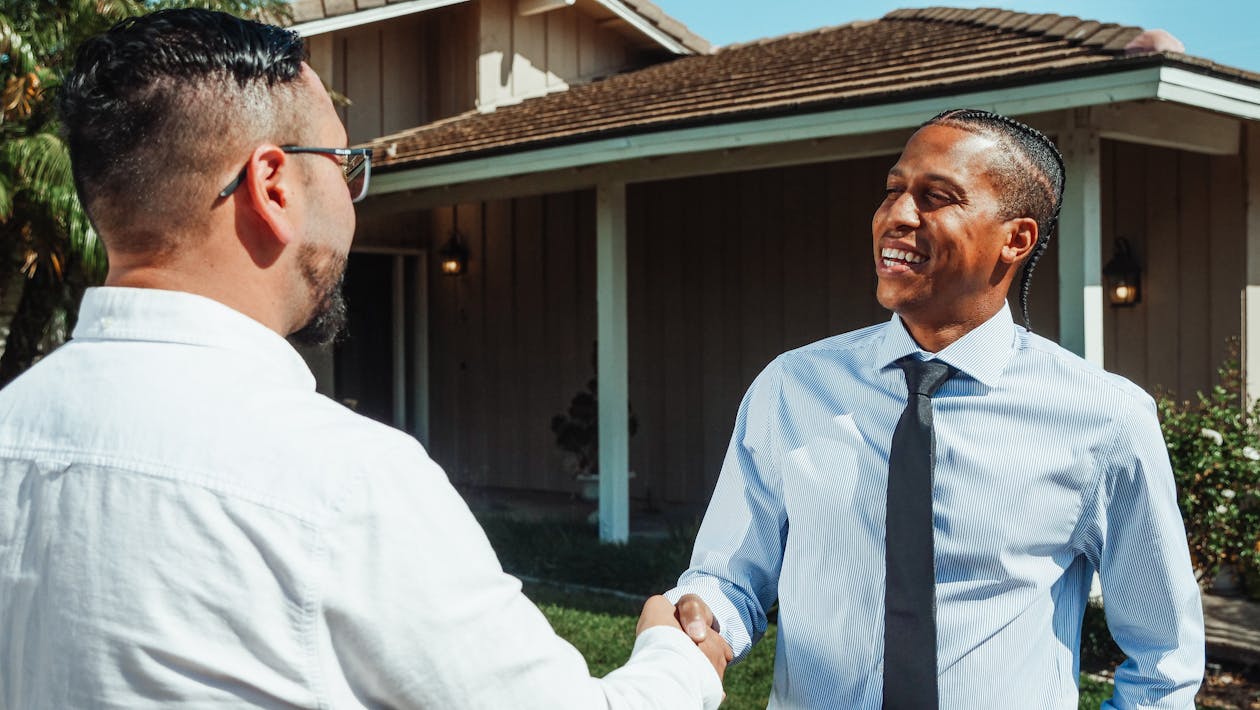
5 Start Your Home Search
Now comes the exciting part of the home buying process. With pre-approval in hand and an agent by your side, you are ready to start searching for your new home. This phase requires patience, clear priorities, and realistic expectations.
Define Your Must-Haves
Create a prioritized list of features before touring homes. Separate needs from wants to stay focused. Consider bedroom and bathroom count, square footage, lot size, and garage requirements. Think about commute times, school districts, and proximity to amenities.
Be open to compromise on cosmetic features. Fresh paint, new flooring, and updated fixtures are easy to change later. Structural issues, location, and lot size cannot be changed. Focus your energy on the elements that truly matter long term.
Using Online Tools Effectively
Start your search online to narrow down neighborhoods and price ranges. Websites and apps show listing photos, virtual tours, and property details. However, online listings only tell part of the story. In-person tours reveal details that photos cannot capture.
Your real estate agent has access to the MLS which provides the most accurate and up to date listing information. They often know about properties before they hit the public market. This early access can be the difference between getting your dream home and missing out.
Touring Properties
Most buyers tour 5 to 10 homes before making an offer. Take notes and photos during each visit. Pay attention to the condition of the roof, foundation, windows, and major systems. Notice the neighborhood at different times of day.
Ask your agent about the history of each property. How long has it been on the market? Have there been price reductions? Were there previous offers that fell through? This information helps you craft a stronger offer when you find the right home.
6 Make an Offer on a House
When you find the right home, it is time to act. Your real estate agent will prepare a purchase offer that outlines your proposed terms. A strong offer in the home buying process requires strategy, market knowledge, and smart negotiation.
Determining Your Offer Price
Your agent will run a comparative market analysis to determine a fair offer price. This analysis examines recent sales of similar homes in the area. Consider how long the home has been listed and the overall market conditions. In a competitive market, you may need to offer at or above asking price.
Avoid emotional decisions about pricing. Let the data guide your offer. A home that has been on the market for months may warrant an offer below asking price. A newly listed home in a hot market may require a stronger offer to compete.
Contingencies and Terms
Your offer will include contingencies that protect you as the buyer. Common contingencies include home inspection, appraisal, and financing. An inspection contingency allows you to negotiate repairs or walk away if major issues are found. An appraisal contingency protects you if the home appraises below your offer price.
Include your pre-approval letter, proposed closing date, and earnest money amount with your offer. Earnest money typically ranges from 1% to 3% of the purchase price. It demonstrates your commitment and is applied toward your down payment at closing.
Negotiating the Deal
The seller may accept, reject, or counter your offer. Once your offer has been accepted, the closing timeline begins. Negotiations involve price, closing date, repairs, and included items like appliances. Your agent will negotiate with the seller on your behalf. Stay flexible on minor points while protecting your key interests.
In multiple offer situations, an escalation clause can strengthen your position. This clause automatically increases your offer up to a specified maximum if competing bids come in. Your agent will advise whether this strategy makes sense for your situation.
Important: Once both parties sign the purchase agreement, you are under contract. This begins the countdown to closing day and triggers important deadlines for inspections, appraisal, and financing.
7 Schedule a Home Inspection
The home inspection is a critical safeguard in the home buying process. A licensed inspector examines the property's structure, systems, and components. Their findings help you make an informed decision about moving forward with the purchase.
What Inspectors Look For
A licensed home inspector examines the roof, foundation, electrical system, plumbing, HVAC, windows, and doors. The inspector checks for water damage, pest infestations, mold, and structural issues. The full home inspection checklist is extensive and thorough.
Inspections typically take 2 to 4 hours depending on the size of the home. Attend the inspection if possible. Walking through with the inspector helps you understand the home's condition firsthand. Ask questions about anything that concerns you.
Understanding the Inspection Report
The inspector provides a detailed report with photographs and descriptions of every issue found. Not every item is a dealbreaker. Minor maintenance items are normal in any home. Focus on major structural, safety, and system issues that affect the home's value or livability.
The cost of a home inspection typically ranges from $300 to $500. This small investment can save you from purchasing a property with hidden problems worth tens of thousands of dollars. Never skip the inspection to save money or speed up the process.
Negotiating After the Inspection
If the inspection reveals significant issues, you have options. Request that the seller make repairs before closing. Ask for a credit toward closing costs to cover repair expenses. Renegotiate the purchase price based on the findings. In serious cases, you can exercise your inspection contingency and walk away.
Your real estate agent helps you decide which approach makes the most sense. They know what is reasonable to request in your local market. A skilled agent can negotiate inspection items without jeopardizing the deal.
8 Secure Your Financing
With an accepted offer and satisfactory inspection, it is time to finalize your mortgage. Your lender begins the formal underwriting process. This stage of the home buying process involves document verification, the appraisal, and final loan approval.
The Underwriting Process
Underwriting is the lender's deep dive into your financial qualifications. They verify your income, employment, assets, and credit history. They also review the property to ensure it meets their lending standards. Respond quickly to any requests for additional documentation.
During underwriting, avoid making financial changes. Do not switch jobs, make large purchases, or open new credit accounts. Even moving money between accounts can trigger questions from your lender. Funds in your escrow account must stay accessible. A higher interest rate could result from changes to your credit profile. Keep your financial life as stable as possible until closing is complete.
The Home Appraisal
Your lender orders an appraisal process to confirm the home appraised value supports the loan amount. A licensed appraiser visits the property and compares it to recent sales of similar homes. Learn more about how long a home appraisal takes and what to expect.
If the appraisal comes in lower than expected, you have several options. Renegotiate the purchase price with the seller. Make up the difference with a larger down payment. Challenge the appraisal with additional comparable sales data. Your agent guides you through the best approach.
Choosing Your Loan Type
Finalize your mortgage type based on your situation. Conventional loans work well for buyers with strong credit and 5% or more to put down. FHA loans serve buyers with lower credit scores or smaller down payments. VA loans provide exceptional terms for military service members. USDA loans help buyers in eligible rural areas.
9 Prepare for Closing Day
The days before closing involve final preparations to ensure a smooth transfer of homeownership. This part of the home buying process includes reviewing documents, securing an insurance policy, and completing your final walk-through.
Review Your Closing Disclosure
Federal law requires your lender to provide a Closing Disclosure at least three business days before closing. This document details every cost associated with your mortgage. Compare it carefully to your original Loan Estimate. Ask your lender about any discrepancies or fees you do not understand.
The Closing Disclosure shows your final interest rate, monthly mortgage payment, closing costs, and cash needed at closing. Verify that closing costs match what was agreed upon. Understanding what to expect at closing eliminates surprises on the big day. Once your offer is accepted, these final steps move quickly.
Get Homeowners Insurance
Your lender requires proof of homeowners insurance before closing. Shop for policies from at least three insurance providers. Coverage should protect the full replacement value of the home. Consider flood insurance if the property is in a flood zone.
Complete the Final Walkthrough
Schedule your final walkthrough 24 to 48 hours before closing. Verify that the seller completed all agreed upon repairs. Confirm that all included items like appliances and fixtures remain in the home. Check that no new damage has occurred since your last visit.
Test lights, faucets, toilets, and appliances during the walkthrough. Open and close all windows and doors. Run the HVAC system. This is your last chance to identify issues before ownership transfers to you.
10 Close on Your New Home
Closing day is the final step of the home buying process. This is when ownership officially transfers from the seller to you. The closing meeting typically takes 1 to 2 hours and involves signing a stack of legal documents.
What to Bring to Closing
Bring a valid government issued photo ID. You will need a certified or cashier's check for your down payment and closing costs unless you arranged a wire transfer. Bring your proof of homeowners insurance. Your real estate agent and lender will confirm the exact amount needed in advance.
Signing the Documents
You will sign the mortgage note, deed of trust, and numerous other documents. The closing agent or attorney explains each document before you sign. Take your time and ask questions about anything unclear. This is a legal transaction and you should understand every document.
After signing, the closing agent records the deed with your local county office. The title officially transfers to your name. Your lender funds the loan and the seller receives their payment. Then comes the best part: you receive the keys to your new home.
After Closing
Keep all closing documents in a safe place. You will need them for tax purposes and future reference. Change the locks on all exterior doors for security. Set up utilities, update your address, and begin your moving checklist. Congratulations on becoming a homeowner!
Home Buying Process Timeline
Common Home Buying Mistakes to Avoid
Skipping Pre-Approval
Shopping without pre-approval wastes time and weakens your position when you find the right home.
Maxing Out Your Budget
Just because you qualify for a certain amount does not mean you should spend it all. Leave room for life.
Waiving the Inspection
Skipping the home inspection can lead to discovering costly hidden problems after closing.
Making Big Purchases During Escrow
Buying a car or furniture before closing can derail your mortgage approval at the last minute.
Deep Dive Into Key Steps
Mortgage Pre-Approval Guide
Everything you need to know about getting pre-approved, from required documents to comparing lenders.
House Hunting Tips
Expert strategies for finding the right home, evaluating neighborhoods, and making smart decisions.
What to Expect at Closing
A complete walkthrough of closing day including documents, costs, and what happens after you sign.
Ready to Start Your Home Buying Journey?
Connect with a top performing real estate agent who will guide you through every step of the home buying process. Our matching service is free with no obligation.
Find My AgentFrequently Asked Questions About the Home Buying Process
How long does the home buying process take?
The typical home buying process takes 3 to 6 months from start to finish. Getting pre-approved for a mortgage takes about 1 to 3 days. House hunting varies widely depending on market conditions. Once you have an accepted offer, closing usually takes 30 to 45 days.
What credit score do I need to buy a house?
Most conventional loans require a minimum credit score of 620. FHA loans allow scores as low as 580 with a 3.5% down payment. VA loans have no official minimum score but most lenders prefer 620 or higher. A higher credit score typically gets you better interest rates and loan terms.
How much money do I need to buy a house?
The total upfront cost depends on your loan type and purchase price. Conventional loans require 3% to 20% down. FHA loans require 3.5% down. VA and USDA loans offer zero down payment options. You will also need 2% to 5% of the purchase price for closing costs plus funds for moving expenses.
Do I need a real estate agent to buy a house?
While not legally required, working with a real estate agent provides significant advantages. Agents have access to MLS listings, market expertise, and negotiation skills that protect your interests. Most buyer agents are compensated through the transaction so there is typically no direct cost to the buyer.
What are the steps to buying a house for the first time?
The main steps include checking your finances and credit score, getting pre-approved for a mortgage, hiring a real estate agent, searching for homes, making an offer, completing inspections and appraisal, securing final loan approval, and closing on the property. Each step typically takes days to weeks depending on the market.
Can I buy a house with no money down?
Yes, certain loan programs offer zero down payment options. VA loans are available to eligible military service members and veterans. USDA loans serve buyers in eligible rural areas. First time home buyer programs in many states also offer down payment assistance. Even with no down payment, you still need funds for closing costs.
What happens if my offer is rejected?
If your offer is rejected, you can submit a new higher offer, look at other properties, or ask your agent for feedback on why the seller declined. Rejections are common and not a reason to get discouraged. Your agent helps you refine your approach and find the right opportunity.
How much are closing costs?
Closing costs typically range from 2% to 5% of the purchase price. On a $300,000 home that means $6,000 to $15,000. Costs include loan origination fees, title insurance, appraisal fees, attorney fees, and prepaid items like property taxes and homeowners insurance.
Your Home Buying Process Starts Today
The home buying process is a significant undertaking that rewards preparation and patience. Every step from evaluating your finances to signing the closing documents serves an important purpose. Understanding the complete process helps you make confident decisions at every turn.
Start by assessing your financial readiness today. Check your credit score, calculate your budget, and begin saving for your down payment. When you are ready, get pre-approved and connect with a qualified real estate agent who can help you find your perfect home and guide your journey to homeownership.
Remember that buying a home is not just a financial transaction. It is a milestone that represents stability, security, and new possibilities. With the right preparation and the right team supporting you, the home buying process becomes an exciting and manageable experience.
For more guidance throughout your journey, explore our comprehensive resources on the first time home buyer checklist, finding a real estate agent, and understanding real estate commissions.