Home Inspection: Complete Guide
Everything you need to know about the home inspection process when buying a house
Last Updated: February 2026
A home inspection is one of the most critical steps in the home buying process. Whether you're a first-time buyer or a seasoned real estate investor, understanding what happens during a home inspection can save you thousands of dollars and protect you from buying a property with hidden problems. For home buyers, this comprehensive guide covers everything from what inspectors examine to how to use your inspection report to negotiate repairs or a better price—giving you invaluable peace of mind before making one of life's biggest purchases.
The home inspection process gives you an objective, professional assessment of a property's condition before you finalize your purchase. From evaluating the home's foundation to checking the electrical system and HVAC, a qualified home inspector identifies issues that could cost you money down the road. Understanding this process empowers you to make informed decisions about one of the largest purchases of your life.
What Is a Home Inspection?
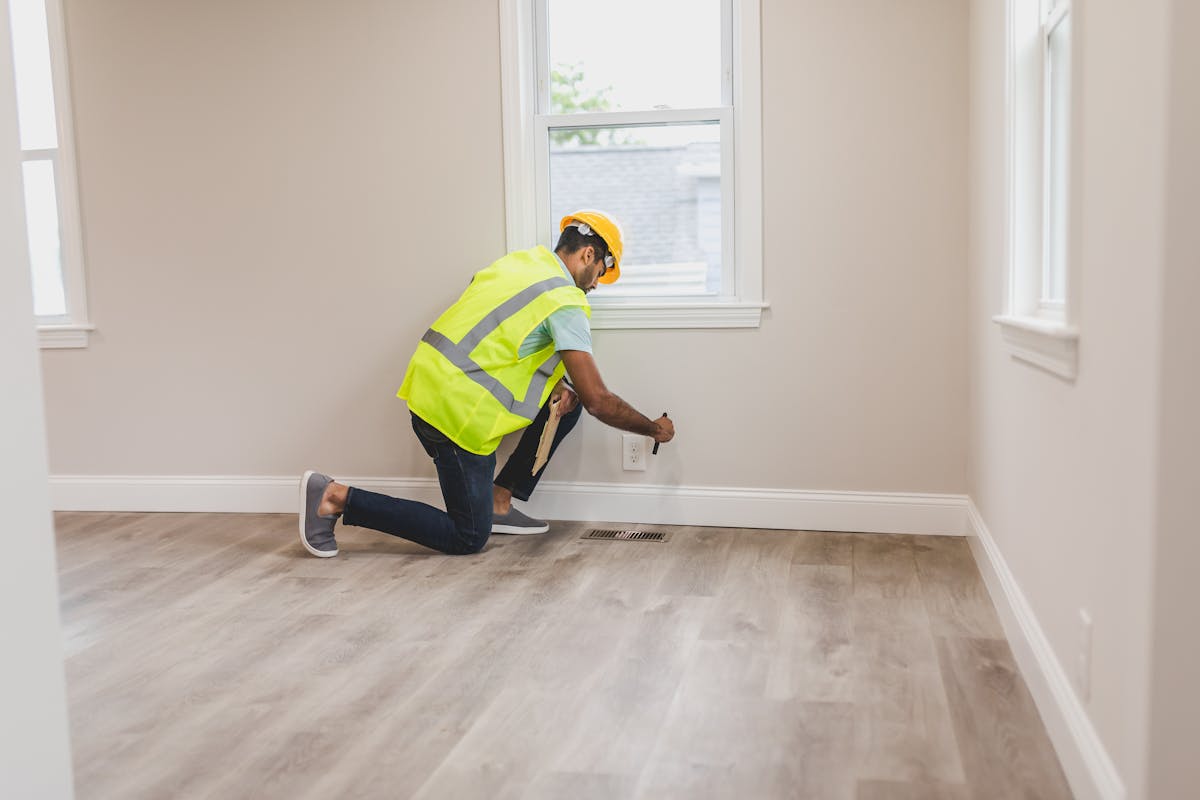
A home inspection is a thorough visual examination of a residential property—often called a property inspection—conducted by a licensed home inspector. The home inspector's job is to evaluate the home's visible and accessible systems and components to identify defects, safety concerns, and potential problems. A professional home inspection gives buyers an objective assessment of the condition of a home before finalizing the purchase.
During a standard home inspection, the inspector examines:
- Structural components including the foundation, framing, and load-bearing walls
- Roof and attic including shingles, flashing, ventilation, and insulation
- Exterior elements like siding, windows, doors, and grading
- Plumbing systems including pipes, fixtures, water heaters, and drains
- Electrical systems including the panel, wiring, outlets, and fixtures
- HVAC systems including heating, air conditioning, and ductwork
- Interior components like walls, ceilings, floors, stairs, and railings
- Appliances that are permanently installed in the home
It's important to understand what a home inspection is NOT. Inspectors provide a general assessment of readily accessible areas—they don't move furniture, dig up lawns, or tear apart walls. They won't check every outlet or guarantee that systems will work indefinitely. The inspection is a snapshot of the home's condition on that specific day.
Important: A home inspection is different from an appraisal. Learn the key differences in our home appraisal vs home inspection guide. The appraisal determines the home's market value for the lender. The inspection evaluates the home's physical condition for the buyer. Both are important but serve very different purposes.
Why Are Home Inspections Important?
A home inspection protects what may be the largest investment you'll ever make. Here's why every home buyer should get an inspection, even in competitive markets:
Uncover Hidden Problems
Even beautiful, well-maintained homes can have serious underlying issues invisible to the untrained eye. A professional inspector knows where to look and what signs indicate problems. They might discover:
- Foundation cracks hidden behind finished basement walls
- Roof damage not visible from the ground
- Outdated or dangerous electrical wiring
- Plumbing issues behind walls or under floors
- Evidence of past water damage or mold
- HVAC systems near the end of their lifespan
- Code violations from unpermitted work
Negotiate Repairs or Price Reductions
The inspection report gives you leverage to negotiate with the seller. Depending on what's found, you can:
- Request the seller make repairs before closing
- Ask for a price reduction to cover repair costs
- Request a credit at closing for needed work
- Walk away if issues are too significant (with inspection contingencies from your inspection contingency)
Budget for Future Maintenance
Even if everything checks out, the inspection tells you about the age and condition of major systems. Knowing that the roof has 5 years of life left or the water heater is 12 years old helps you plan and budget for future replacements.
Learn About Your New Home
Attending the inspection is an educational opportunity. You'll learn where the main water shut-off is located, how to change furnace filters, which circuit breakers control which areas, and other practical knowledge about operating and maintaining your new home. As a future homeowner, this hands-on education is invaluable—a home inspection could reveal maintenance habits that extend the life of expensive systems.
The Home Inspection Process: What to Expect
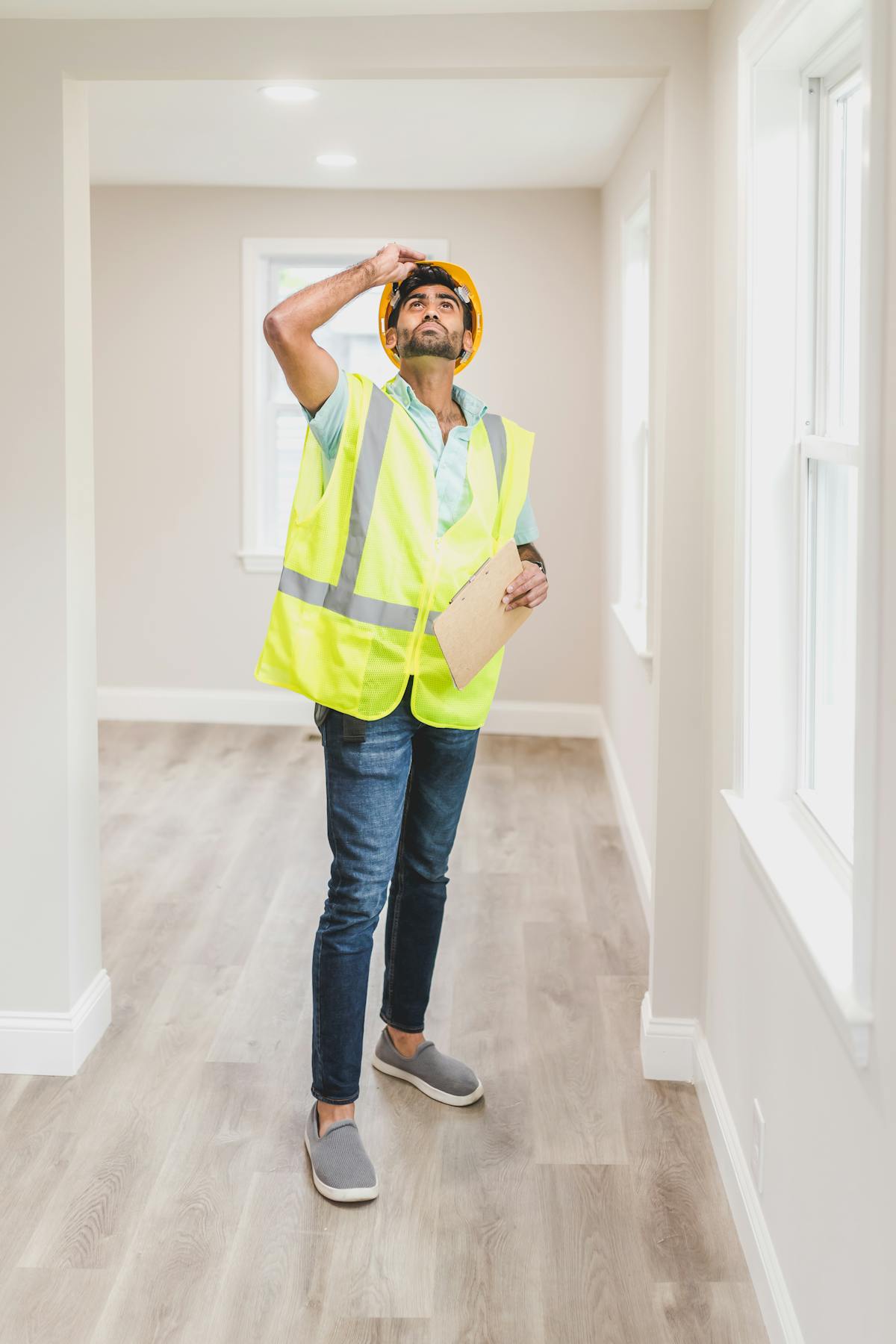
Understanding the home inspection process helps you prepare and get the most value from this critical step. Here's what happens from start to finish:
Step 1: Schedule the Inspection
After your offer is accepted, you typically have 7-14 days to complete your home inspection (depending on your contract terms). Your real estate agent may recommend inspectors, but you should also consider getting quotes from 2-3 inspectors. When scheduling:
- Book the inspection as early as possible in your contingency window
- Confirm the inspector is licensed and insured
- Ask about their experience and certifications
- Discuss any specialty inspections you might need
- Coordinate with the listing agent for property access
Step 2: The Day of the Inspection
A standard home inspection takes 2-4 hours depending on the property's size and condition. Plan to arrive at the beginning or join partway through to walk through with the inspector. Here's what typically happens:
Exterior examination (30-60 minutes):
- Walking the perimeter, checking siding and trim
- Examining windows, doors, and seals
- Inspecting the roof (from ladder or with drone)
- Evaluating drainage and grading around the foundation
- Checking decks, patios, and walkways
- Examining the garage and driveway
Interior examination (1.5-3 hours):
- Testing electrical outlets, switches, and fixtures
- Running water in all sinks, showers, and tubs
- Flushing toilets and checking for leaks
- Operating the HVAC system
- Checking appliances
- Examining walls, ceilings, and floors for damage
- Inspecting the attic and crawl spaces
- Evaluating the basement or foundation
Step 3: The Walk-Through and Q&A
At the end of the inspection, the inspector will walk you through their findings. This is your chance to:
- See issues firsthand
- Ask questions about severity and repair costs
- Learn how to maintain various systems
- Understand which issues are minor vs. major concerns
- Get recommendations for follow-up inspections if needed
Step 4: Receive the Inspection Report
Most inspectors deliver the home inspection report within 24-48 hours. The report typically includes:
- Detailed descriptions of all findings
- Photos documenting issues
- Summary of major concerns
- Recommendations for repairs or further evaluation
- Information about the home's systems and their condition
What Do Home Inspectors Check?
A home inspector follows a comprehensive checklist covering all major systems and components. Here's a detailed breakdown of what gets examined:
Roof and Attic
The roof protects everything below it, making it one of the most important inspection areas:
- Shingles or roofing material: Looking for missing, damaged, or curling shingles
- Flashing: Metal pieces around chimneys, vents, and valleys that prevent leaks
- Gutters and downspouts: Proper drainage and attachment
- Ventilation: Adequate attic airflow to prevent moisture problems
- Insulation: Type, depth, and condition
- Signs of leaks: Water stains, mold, or damaged decking
- Estimated remaining lifespan: Based on age and condition
Foundation and Structure
Structural issues are among the most expensive to repair, so inspectors look carefully at:
- Foundation type: Slab, crawl space, or basement
- Cracks: Distinguishing between normal settling and concerning structural cracks
- Water intrusion: Signs of moisture, efflorescence, or flooding
- Framing: Visible structural members for damage or modification
- Floor levelness: Signs of settling or structural movement
- Wall alignment: Bowing, leaning, or cracking
Electrical System
Electrical problems are both a safety hazard and expensive to fix:
- Service panel: Size, condition, and proper installation
- Wiring type: Copper, aluminum, knob-and-tube, or other
- GFCI protection: Required in kitchens, bathrooms, garages, and outdoors
- Outlets and switches: Testing for proper function and grounding
- Circuit breakers: Proper sizing and labeling
- Visible wiring: Looking for amateur work or hazards
Plumbing System
Water damage causes billions of dollars in home damage annually:
- Supply pipes: Material, condition, and signs of leaks
- Drain pipes: Material and proper drainage
- Water heater: Age, condition, and safety features
- Fixtures: Faucets, toilets, showers, and sinks
- Water pressure: Testing flow throughout the house
- Shut-off valves: Location and function
- Sewer/septic: Basic function (detailed inspection may be separate)
HVAC Systems
Heating and cooling systems are expensive to replace:
- Furnace or boiler: Age, condition, and operation
- Air conditioning: Compressor, refrigerant lines, and operation
- Ductwork: Condition and insulation
- Thermostats: Function and programming
- Filters: Cleanliness and proper size
- Ventilation: Bathroom fans, kitchen exhaust, and fresh air
Types of Home Inspections
Beyond the standard general home inspection, several specialty inspections address specific concerns:
General Home Inspection
The standard inspection covers all major systems and components as described above. This is what most people mean when they say "home inspection" and is recommended for every purchase. Cost: $300-$500 for most homes.
Termite/Pest Inspection (WDI/WDO)
A wood-destroying insect inspection looks for termites, carpenter ants, powder post beetles, and other pests that damage wood structures. Often required by lenders, especially in high-risk areas. Cost: $75-$150 standalone, often discounted when bundled.
Radon Testing
Radon is a radioactive gas that can accumulate in homes and cause lung cancer. Testing is recommended for all homes, especially those with basements. The EPA recommends mitigation if levels exceed 4 pCi/L. Cost: $125-$200.
Mold Inspection
If there's visible mold or a musty smell, a mold inspection identifies the type and extent of contamination. Air and surface samples are collected and analyzed. Cost: $300-$600.
Sewer Scope Inspection
A camera inspection of the sewer line reveals blockages, root intrusion, cracks, and bellies. Highly recommended for older homes with mature trees. Cost: $125-$300.
Chimney Inspection
A Level 2 chimney inspection is recommended when buying a home with a fireplace. Inspectors check the flue, liner, cap, and structure. Cost: $150-$500.
Pool/Spa Inspection
Specialized inspection of pool equipment, plumbing, electrical, and structure. General inspectors often exclude pools. Cost: $125-$250.
Septic System Inspection
For homes not on municipal sewer, a septic inspection evaluates the tank, drain field, and components. Cost: $200-$500.
Well Water Testing
Tests water quality for bacteria, nitrates, and other contaminants. Required by many lenders for homes with private wells. Cost: $100-$300.
Understanding Your Home Inspection Report
The inspection report can be overwhelming—often 30-50 pages long with dozens of findings. Here's how to interpret it effectively:
Report Structure
Most reports are organized by system or area (roof, electrical, plumbing, etc.) and categorize findings by severity:
- Safety hazards: Immediate concerns that could cause injury (exposed wiring, missing railings, etc.)
- Major defects: Significant issues requiring expensive repairs or affecting habitability
- Minor defects: Small issues that should be addressed but aren't urgent
- Maintenance items: Routine upkeep recommendations
- Recommendations: Suggestions for further evaluation by specialists
What to Focus On
Don't panic over a long report—every home has issues. Focus your attention on:
- Safety hazards: These must be addressed regardless of who pays
- Major systems: Roof, foundation, electrical, plumbing, HVAC
- Water issues: Current leaks or evidence of past water damage
- Big-ticket items: Systems near end of life needing replacement
- Items requiring specialist evaluation: Follow up on these promptly
What NOT to Worry About
These common findings are typically minor:
- Missing caulk around tubs or windows
- Loose doorknobs or cabinet hardware
- Minor cosmetic cracks in walls
- Worn weatherstripping
- Dirty furnace filters
- Minor grading improvements needed

Negotiating After the Home Inspection
The inspection report gives you information—but what you do with it depends on your contract, the market, and your priorities. Here are your options:
Option 1: Request Repairs
You can ask the seller to fix specific issues before closing. This works best for:
- Safety hazards
- Code violations
- Items requiring licensed contractors
- Issues where you want to verify the repair was done correctly
Pros: Work is done before you move in; seller uses their contractors and pays directly.
Cons: Sellers may use the cheapest contractor; you can't control quality; repairs may be rushed.
Option 2: Request a Price Reduction
Instead of repairs, ask for a lower purchase price to account for needed work:
- Good for issues you'd rather handle yourself
- Allows you to choose your own contractors
- Better for cosmetic issues or upgrades
- May be easier for sellers to agree to
Option 3: Request a Credit at Closing
The seller contributes money at closing that you can use toward repairs or closing costs:
- Provides immediate cash for repairs
- May allow a larger credit than price reduction (due to loan limits)
- Good when repairs can wait until after closing
Option 4: Accept the Property As-Is
In competitive markets or with minor issues, you may decide not to negotiate:
- Keeps the transaction simple
- Shows good faith to the seller
- May be necessary in multiple-offer situations
- Appropriate when issues are minor and expected
Option 5: Walk Away
If the home inspection contingency allows, you can cancel the purchase:
- Appropriate for major unexpected issues
- When repair costs exceed your budget
- If the seller refuses reasonable requests
- When you've lost confidence in the property
Tips for Successful Negotiation
- Be reasonable: Focus on significant issues, not every minor finding
- Get repair estimates: Know the actual costs before negotiating
- Prioritize: Decide what matters most and be willing to compromise
- Consider the market: Buyers have more leverage in slow markets
- Work through your agent: Let professionals handle the negotiation
- Put it in writing: All agreements should be documented in contract amendments
Common Home Inspection Issues
Certain problems appear frequently in home inspection reports. Here are the most common findings and what they typically mean:
Roofing Issues
Roof problems are among the most common findings:
- Missing or damaged shingles: Usually minor repairs ($150-$500)
- Aging roof: Plan for replacement in coming years ($8,000-$15,000+)
- Poor flashing: Leak risk, often repairable ($200-$600)
- Inadequate ventilation: Can cause moisture and heat problems
Electrical Problems
Electrical issues range from minor to serious:
- Ungrounded outlets: Common in older homes, safety concern
- Missing GFCI protection: Required in wet areas, easy fix ($150-$300)
- Outdated panels: Federal Pacific and Zinsco panels are concerns
- Aluminum wiring: Requires special connections and monitoring
- Overloaded circuits: Fire hazard, may need panel upgrade
Plumbing Concerns
Water causes more insurance claims than any other issue:
- Slow drains: May indicate clogs or sewer line problems
- Polybutylene pipes: Prone to failure, often requires replacement
- Old water heater: Plan for replacement after 10-12 years
- Low water pressure: Could indicate pipe corrosion or leaks
- Active leaks: Need immediate attention
Foundation and Structural
Structural issues can be the most expensive:
- Hairline cracks: Usually cosmetic, monitor for changes
- Stair-step cracks: May indicate settlement, needs evaluation
- Horizontal cracks: Serious concern, structural engineer needed
- Water in basement: Common issue, solutions vary in cost
- Uneven floors: May indicate foundation movement
HVAC Issues
Heating and cooling systems have limited lifespans:
- Old equipment: Furnaces last 15-20 years, AC units 10-15 years
- Dirty filters: Easy maintenance issue
- Poor airflow: May need duct cleaning or sealing
- Temperature variance: Could indicate system problems
- Carbon monoxide risk: Cracked heat exchangers are dangerous
When to Walk Away from a Home Purchase
Not every problem is worth solving. Consider walking away if you find:
Deal Breakers
- Major structural damage: Foundation failures, significant settling, or structural rot
- Extensive mold: Especially in walls, HVAC systems, or large areas
- Environmental hazards: Asbestos, lead paint, or contaminated soil requiring remediation
- Water damage throughout: Indicating ongoing problems or flood risk
- Unpermitted major work: Additions, electrical, or plumbing done without permits
- Multiple major system failures: When everything needs replacement
Red Flags That Warrant Serious Consideration
- Seller unwilling to negotiate on legitimate concerns
- Evidence of cover-ups (fresh paint over water stains, etc.)
- Repair costs that exceed your budget or the home's value
- Problems that will affect your ability to get insurance
- Issues that could pose ongoing health risks
Remember: Walking away is always an option with an inspection contingency. Losing your earnest money is cheaper than buying a money pit. Trust your instincts—if something feels wrong, it probably is.
How to Find a Qualified Home Inspector
The quality of your inspection depends heavily on the inspector you choose. Here's how to find a good one:
Qualifications to Look For
- State license: Required in most states; verify it's current
- Professional certifications: ASHI (American Society of Home Inspectors), InterNACHI, or similar
- Errors and omissions insurance: Protects you if something is missed
- Experience: Look for inspectors with several years and hundreds of inspections
- Continuing education: Good inspectors stay current on codes and techniques
Questions to Ask Before Hiring
- How long have you been inspecting homes?
- How many inspections have you performed?
- What certifications do you hold?
- Do you carry E&O insurance?
- What does your inspection include?
- Can I attend the inspection?
- When will I receive the report?
- What's included in the report?
- Do you offer specialty inspections (radon, mold, etc.)?
Where to Find Inspectors
- ASHI: The American Society of Home Inspectors maintains a directory of certified home inspectors at homeinspector.org
- InterNACHI: The International Association of Certified Home Inspectors lists members at nachi.org
- Your real estate agent: Often has trusted recommendations for local inspectors
- Friends and family: Personal referrals from recent home buyers
Pro tip: Don't just go with the cheapest option. A thorough inspector who catches problems is worth more than one who rushes and misses issues. The inspection fee is a tiny fraction of your home purchase.
Home Inspection Tips for Buyers
- Attend the inspection: This is the best way to learn about your future home
- Ask questions: No question is too basic—inspectors expect them
- Take notes and photos: Supplement the report with your own documentation
- Don't be alarmed by the report length: Even great homes have findings
- Focus on safety and big-ticket items: Don't sweat the small stuff
- Get specialist inspections when recommended: The extra cost is worth it
- Use findings strategically: Negotiate smartly based on actual repair costs
- Keep emotions in check: This is a business decision, not just emotional
Home Inspection Tips for Sellers
If you're selling a home, here's how to prepare for the buyer's inspection:
- Consider a pre-listing inspection: Find and fix problems before listing
- Provide access: Clear paths to the attic, basement, crawl space, and electrical panel
- Replace filters: Clean furnace filters and range hood filters
- Fix obvious issues: Dripping faucets, stuck windows, burnt-out bulbs
- Provide documentation: Receipts for repairs, warranties, and maintenance records
- Leave the house: Buyers and inspectors work better without you there
Frequently Asked Questions About Home Inspections
How long does a home inspection take?
A typical home inspection takes 2-4 hours depending on the size and condition of the property. Larger homes, older homes, and properties with more issues take longer to inspect thoroughly.
Who pays for the home inspection?
The buyer pays for the home inspection in most transactions. It's ordered after the purchase agreement is signed and is part of the buyer's due diligence. Some sellers opt for pre-listing inspections, which they pay for themselves.
Can I do my own home inspection?
While you can walk through a home yourself, a professional home inspector has the training, experience, and tools to identify problems you'd likely miss. For such an important purchase, professional inspection is strongly recommended.
What happens if the inspection finds problems?
If problems are found, you can negotiate with the seller for repairs, price reductions, or credits. With an inspection contingency, you can also walk away from the purchase if issues are too significant.
Should I get a home inspection on new construction?
Yes! New homes can have defects too—sometimes more than older homes due to rushed construction. A third-party inspection catches issues before your warranty expires and before you close.
What's the difference between a home inspection and an appraisal?
A home inspection evaluates the property's physical condition for the buyer. An appraisal determines the home's market value for the lender. Both are important but serve different purposes. If you receive a low home appraisal, it can affect your financing—learn what options you have.
Can a home fail an inspection?
Homes don't technically "pass" or "fail" inspections. The inspection report describes the property's condition—it's up to you to decide if the issues are acceptable. However, significant problems may cause you to walk away or renegotiate.
How soon after offer acceptance should I schedule the inspection?
Schedule your inspection as soon as possible after your offer is accepted—ideally within the first few days. This gives you maximum time to review the report, get specialist inspections if needed, and negotiate with the seller before your contingency deadline.
Final Thoughts: Protect Your Investment
A home inspection is one of the smartest investments you'll make in the home buying process. For a few hundred dollars, you gain invaluable knowledge about the property's condition, potential problems, and future maintenance needs. Whether the inspection reveals minor issues or major red flags when buying a house, you'll be equipped to make an informed decision about your purchase.
Remember: the goal of the inspection isn't to find a "perfect" home—those don't exist. When you buy a home, it's about understanding what you're purchasing and ensuring there are no deal-breaking surprises. Take the time to find a qualified inspector who can properly conduct a home inspection, attend the inspection, ask questions, and use the findings strategically in your negotiations.
Armed with your inspection report, you can move forward with confidence, whether that means negotiating repairs, adjusting your offer, or walking away to find a better fit. Either way, the inspection protects you from buying blind and potentially costly mistakes.
Ready to Find an Expert Agent?
A great real estate agent can recommend trusted home inspectors and help you navigate inspection negotiations.
Find a Local Agent