Home Inspection Checklist
Everything home inspectors check when evaluating a property
Last Updated: February 2026
Knowing what home inspectors check helps you understand what to expect from this critical step in the home buying process. This comprehensive home inspection checklist covers every system and component that a qualified inspector will evaluate. Whether you're a buyer preparing for your inspection or a seller getting ready to list, this guide shows you exactly what's examined.
A thorough home inspection follows a systematic process, examining everything from the roof to the foundation. Professional inspectors use standardized checklists to ensure nothing is missed. Understanding this checklist helps you follow along during the inspection, ask informed questions, and interpret your inspection report effectively.
Part of the Home Inspection Guide
Roof and Attic Inspection Checklist
The roof is one of the most expensive systems to replace, making it a focal point of any inspection. Inspectors evaluate both the exterior roofing materials and the attic space below.
Exterior Roof Components
- Roofing material condition: Checking shingles, tiles, or metal panels for damage, wear, curling, or missing pieces
- Roof age: Estimating remaining lifespan based on material type and condition
- Flashing: Examining metal pieces around chimneys, vents, skylights, and valleys for proper sealing
- Gutters and downspouts: Checking attachment, slope, condition, and proper drainage away from foundation
- Fascia and soffits: Looking for rot, damage, or pest entry points
- Chimney: Examining cap, flashing, and visible structure (detailed inspection separate)
- Roof penetrations: Checking seals around vents, pipes, and skylights
- Debris and moss: Noting any buildup that could trap moisture
Attic Inspection
- Access: Noting ease of entry and any obstructions
- Insulation: Type, depth, condition, and coverage
- Ventilation: Adequate intake and exhaust to prevent moisture and heat buildup
- Roof decking: Looking for water stains, rot, or daylight visible through boards
- Rafters and trusses: Checking for structural integrity, modifications, or damage
- Signs of leaks: Water stains, mold, or damaged materials
- Pest evidence: Droppings, nests, or damage from animals or insects
- Electrical and HVAC: Any systems running through the attic
Red flag: Multiple layers of roofing, sagging roof lines, or extensive water staining in the attic indicate significant issues that may require expensive repairs.
Foundation and Structural Inspection Checklist
The foundation supports everything above it. Structural problems are among the most expensive to repair, so inspectors examine these areas carefully.
Foundation Components
- Foundation type: Identifying slab, crawl space, basement, or pier and beam
- Visible cracks: Documenting size, pattern, and location of any cracks
- Settlement signs: Uneven floors, sticking doors, or wall cracks
- Water intrusion: Stains, efflorescence (white mineral deposits), or active moisture
- Drainage: Proper grading away from the foundation
- Foundation walls: Bowing, leaning, or horizontal cracks (serious concern)
- Anchor bolts: Proper attachment of framing to foundation
Structural Framing
- Floor joists: Size, spacing, and condition; looking for sagging or damage
- Support beams: Adequate support and condition
- Posts and columns: Proper bearing and connection
- Wall framing: Where visible, checking for modifications or damage
- Ceiling joists: Proper support and condition
- Signs of rot: Especially at areas exposed to moisture
- Pest damage: Termite tubes, carpenter ant damage, or other wood-destroying insects
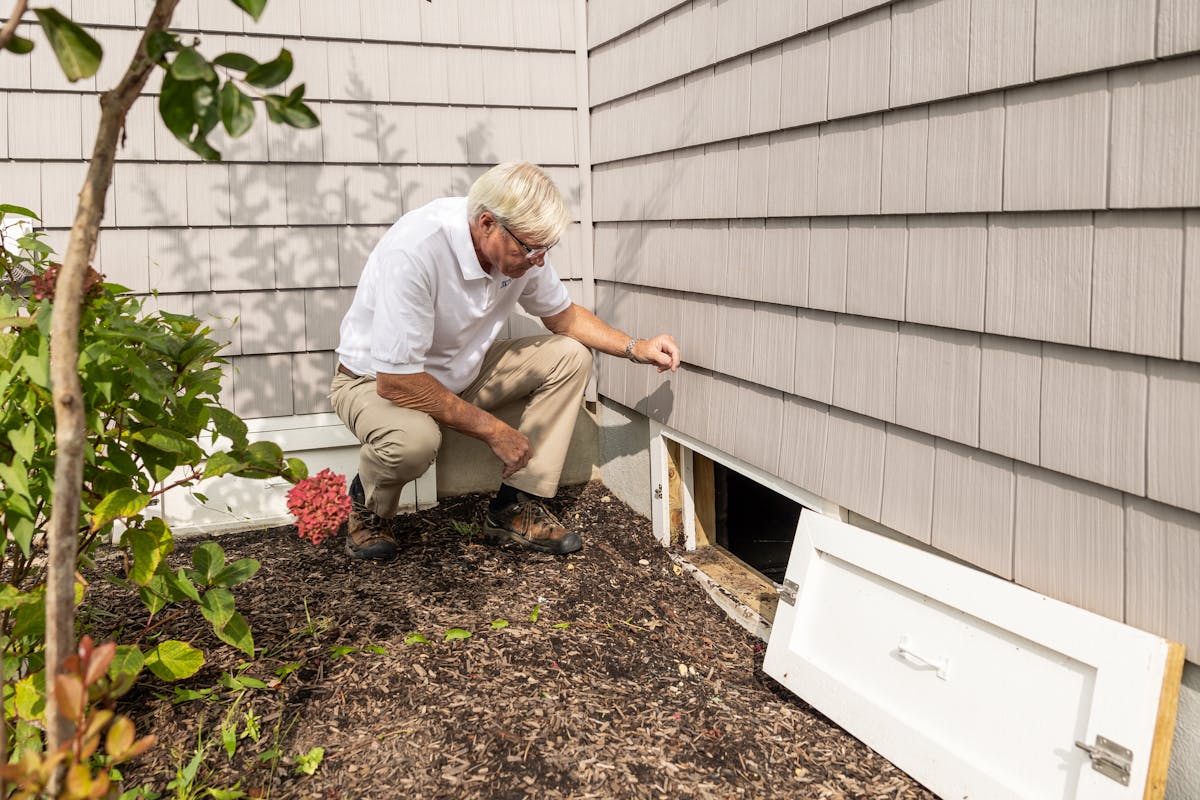
Basement/Crawl Space
- Moisture levels: Standing water, dampness, or humidity
- Vapor barriers: Presence and condition in crawl spaces
- Sump pump: Presence and function if applicable
- Floor drains: Condition and function
- Mold or mildew: Visual signs (detailed testing separate)
- Ventilation: Adequate airflow to prevent moisture problems
Electrical System Inspection Checklist
The electrical system is both a safety concern and an expensive upgrade if problems exist. Inspectors evaluate the entire system from the service entrance to individual outlets.
Service Entrance and Panel
- Service size: Amperage (typically 100, 150, or 200 amps for modern homes)
- Panel type and condition: Noting any recalled or problematic brands (Federal Pacific, Zinsco)
- Breaker function: Testing that breakers trip and reset properly
- Labeling: Clear identification of circuits
- Double-tapped breakers: Two wires on a single-pole breaker (safety issue)
- Proper sizing: Wires matched to breaker capacity
- Grounding and bonding: Proper connection to ground
- Clearance: Required working space around panel
Wiring
- Wiring type: Copper, aluminum, or older knob-and-tube
- Visible wiring condition: Damaged insulation, improper connections
- Junction boxes: Properly covered and accessible
- Wire runs: Checking for amateur or unsafe installations
- Splices: Properly made and contained in junction boxes
Outlets and Switches
- GFCI protection: Required in kitchens, bathrooms, garages, outdoors, and near water
- AFCI protection: Required in bedrooms and living areas (newer construction)
- Grounding: Testing outlets for proper three-prong grounding
- Reversed polarity: Hot and neutral wires correctly connected
- Open grounds: Three-prong outlets without actual ground connection
- Function: Testing representative outlets and switches
- Cover plates: Missing or damaged plates (safety and cosmetic)
Lighting and Fixtures
- Function: Testing light fixtures and ceiling fans
- Fixture security: Properly mounted and supported
- Bathroom exhaust fans: Function and venting to exterior
- Smoke detectors: Presence, location, and function
- Carbon monoxide detectors: Required near sleeping areas and fuel-burning appliances
Plumbing System Inspection Checklist
The plumbing system includes water supply, drain/waste/vent, and water heating. Water damage is one of the most common insurance claims, making this a critical inspection area.
Water Supply
- Main shut-off: Location, accessibility, and function
- Pipe material: Copper, PEX, CPVC, galvanized, or polybutylene
- Pipe condition: Looking for corrosion, leaks, or improper connections
- Water pressure: Testing at multiple fixtures
- Individual shut-offs: Valves at sinks, toilets, and appliances
- Water source: Municipal or well (well testing separate)
Drain, Waste, and Vent (DWV)
- Drain function: Testing all sinks, tubs, and showers for proper drainage
- Pipe material: PVC, ABS, cast iron, or older materials
- Signs of leaks: Water stains, moisture, or active drips
- P-traps: Present and properly configured at all fixtures
- Vent pipes: Proper termination through roof
- Cleanouts: Accessible for maintenance
- Main drain condition: (sewer scope inspection recommended for detailed evaluation)
Water Heater
- Age: Typically 10-15 year lifespan for tank heaters
- Type: Tank, tankless, gas, or electric
- Capacity: Adequate for home size
- Temperature setting: Recommended 120°F to prevent scalding
- Pressure relief valve: Present and properly piped to drain
- Venting: Proper draft and termination (gas units)
- Drip pan: Present under tank if located in living space
- Sediment: Signs of buildup affecting efficiency
Fixtures
- Faucets: Function, leaks, and water flow
- Toilets: Flush, fill, and base seal
- Showers and tubs: Function, caulking, and tile condition
- Sinks: Drain stoppers, sprayers, and cabinet condition below
- Dishwasher: Connection, drain, and air gap if present
- Washing machine hookups: Valves and drain
HVAC System Inspection Checklist
The heating, ventilation, and air conditioning systems control comfort and are expensive to replace. Inspectors evaluate operation, age, and safety.
Heating System
- System type: Furnace, boiler, heat pump, or other
- Fuel source: Gas, electric, oil, or propane
- Age: Date of manufacture (15-25 year typical lifespan)
- Operation: Testing heating function
- Heat exchanger: Visual inspection for cracks (serious safety concern)
- Venting: Proper exhaust of combustion gases
- Gas connections: Proper connections and shut-off valve
- Filter: Condition and accessibility
- Blower: Function and condition
Cooling System
- System type: Central AC, heat pump, or other
- Age: Date of manufacture (10-15 year typical lifespan)
- Operation: Testing cooling function (weather permitting)
- Temperature differential: Measuring air temperature at supply and return
- Condenser unit: Condition, clearance, and level
- Refrigerant lines: Insulation and condition
- Condensate drain: Proper drainage
- Evaporator coil: Access and cleanliness if visible
Distribution System
- Ductwork: Material, condition, and connections
- Duct insulation: Presence and condition in unconditioned spaces
- Registers and returns: Adequate number and placement
- Airflow: Testing at registers throughout the home
- Duct sealing: Looking for disconnected or leaking joints
Ventilation
- Bathroom exhaust fans: Function and exterior venting
- Kitchen exhaust: Range hood function and venting
- Dryer vent: Proper material and exterior termination
- Fresh air intake: If present in HVAC system
- Whole-house ventilation: ERV or HRV if present
Exterior Inspection Checklist
The exterior protects the home from weather and pests. Inspectors walk the entire perimeter examining multiple systems.
Siding and Exterior Walls
- Siding material: Vinyl, wood, fiber cement, brick, stucco, or other
- Condition: Damage, rot, cracks, or missing pieces
- Paint condition: Peeling, blistering, or needed repainting
- Caulking: Around windows, doors, and penetrations
- Trim: Condition of fascia, soffits, and decorative elements
- Clearance: Proper distance between siding and ground
Windows and Doors
- Operation: Opening, closing, and locking
- Seals: Weather stripping and caulking condition
- Glass: Cracks, fogging (failed seals), or damage
- Screens: Presence and condition
- Flashing: Proper installation to prevent water intrusion
- Security: Deadbolts and locks function
Grading and Drainage
- Ground slope: Grading away from foundation (6 inches drop in first 10 feet)
- Downspout extensions: Directing water away from foundation
- Window wells: Drainage and condition
- Drainage systems: French drains or swales if present
- Standing water areas: Low spots that hold water
Driveways and Walkways
- Surface condition: Cracks, heaving, or settlement
- Trip hazards: Uneven surfaces or raised sections
- Drainage: Proper slope away from structures
- Retaining walls: Condition and stability
Decks and Porches
- Structural condition: Posts, beams, joists, and decking
- Ledger board: Attachment to house and flashing
- Railings: Height, spacing, and stability
- Stairs: Rise, run, and handrail
- Fasteners: Looking for corrosion or improper hardware
- Wood condition: Rot, insect damage, or weathering
Interior Inspection Checklist
The interior inspection covers walls, ceilings, floors, and built-in features throughout the living spaces.
Walls and Ceilings
- Surface condition: Cracks, stains, or damage
- Water stains: Evidence of past or current leaks
- Nail pops: Fasteners pushing through drywall
- Texture consistency: Patched areas that may indicate repairs
- Plumb and level: Walls straight and corners square
- Crown molding and trim: Condition and gaps
Floors
- Level: Checking for slopes or unevenness
- Squeaks: Noting excessive floor noise
- Material condition: Hardwood, tile, carpet, or vinyl
- Tile grout: Missing, cracked, or deteriorated
- Transitions: Between different floor materials
- Subfloor: Soft spots or water damage
Stairs and Railings
- Railing stability: Secure attachment and height
- Baluster spacing: No more than 4 inches (child safety)
- Tread and riser consistency: Uniform dimensions
- Handrail: Graspable and continuous
- Headroom: Adequate clearance above stairs
Kitchen
- Countertops: Condition and sealing
- Cabinets: Function, condition, and hardware
- Appliances: Operation of built-in units
- Ventilation: Range hood exhaust
- GFCI outlets: Required within 6 feet of sink
- Plumbing: Sink, faucet, and disposal
Bathrooms
- Ventilation: Exhaust fan presence and function
- Caulking: Around tubs, showers, and toilets
- Tile condition: Loose, cracked, or missing grout
- Fixtures: Sinks, toilets, and tub/shower
- GFCI protection: Required for all outlets
- Water damage: Floor softness, discoloration, or mold
Garage Inspection Checklist
- Floor condition: Cracks, settling, or slope to drain
- Fire separation: Fire-rated wall and self-closing door to house
- Door operation: Manual and automatic opener function
- Auto-reverse: Testing safety sensors and auto-stop
- Vehicle door seal: Weather stripping at bottom
- Electrical: Outlets, lighting, and GFCI if required
- Ventilation: If containing water heater or furnace
- Storage: Noting anything attached affecting structure
Appliances Inspection Checklist
Inspectors test permanently installed appliances for basic function. Note that appliance lifespans vary and failures may occur even after passing inspection.
- Refrigerator: Cooling and ice maker (if built-in)
- Dishwasher: Run through cycle, check for leaks
- Range/Oven: Burners, oven, and broiler function
- Microwave: If built-in or over-range
- Garbage disposal: Operation and leaks
- Range hood: Fan and lighting
- Washer/dryer: Hookups and connections (units may not be tested)
What Home Inspectors Do NOT Check
Understanding the limitations of home inspections is just as important as knowing what's covered. Standard inspections exclude:
Areas Not Inspected
- Concealed spaces: Behind walls, under floors, or above ceilings
- Inaccessible areas: Blocked by stored items or safety hazards
- Underground utilities: Buried pipes, tanks, or cables
- Locked rooms: Areas the inspector cannot access
Specialty Inspections Required
- Termites and pests: Requires licensed pest inspector
- Radon: Requires specific testing equipment
- Mold: Requires sampling and lab analysis
- Lead paint: Requires certified testing
- Asbestos: Requires laboratory testing
- Pools and spas: Requires pool specialist
- Septic systems: Requires septic professional
- Wells: Requires water testing
- Sewer lines: Requires camera scope inspection
- Chimneys: Detailed inspection requires chimney sweep
Not Evaluated
- Cosmetic issues: Paint quality, decor, or style
- Code compliance: Inspectors note concerns but don't enforce codes
- Property boundaries: Requires survey
- Environmental hazards: Beyond visual observation
- Future problems: Inspections are point-in-time evaluations
Downloadable Home Inspection Checklist
Use this checklist to follow along during your inspection or prepare your home for sale:
Quick Reference Inspection Checklist
Exterior
- ☐ Roof condition and age
- ☐ Gutters and downspouts
- ☐ Siding and trim
- ☐ Windows and doors
- ☐ Foundation visible areas
- ☐ Grading and drainage
- ☐ Decks and porches
- ☐ Driveway and walkways
Electrical
- ☐ Main panel capacity
- ☐ Breaker/fuse condition
- ☐ GFCI outlets (wet areas)
- ☐ Outlet and switch function
- ☐ Smoke/CO detectors
Plumbing
- ☐ Water pressure
- ☐ Drain function
- ☐ Water heater age/condition
- ☐ Visible pipe condition
- ☐ Fixture operation
HVAC
- ☐ Heating system age/function
- ☐ Cooling system age/function
- ☐ Filter condition
- ☐ Ductwork condition
- ☐ Thermostat function
Structure
- ☐ Foundation cracks
- ☐ Floor levelness
- ☐ Attic structure and insulation
- ☐ Basement/crawl space
- ☐ Visible framing
Interior
- ☐ Walls and ceilings
- ☐ Floors
- ☐ Stairs and railings
- ☐ Windows and doors
- ☐ Kitchen appliances
- ☐ Bathroom ventilation
Questions to Ask Your Home Inspector
Make the most of your inspection by asking these questions:
- What are the most serious issues you found?
- Are there any safety concerns I should address immediately?
- Which items are normal wear and which are concerning?
- What's the approximate age and remaining life of major systems?
- Do you recommend any specialist inspections?
- What maintenance should I prioritize after moving in?
- Is there anything unusual about this home's construction?
- What would you want to know if you were buying this house?
Need an Agent Who Knows Inspections?
A great buyer's agent helps you find qualified inspectors and navigate inspection negotiations.
Find a Local Agent