The Complete Home Staging Guide for Sellers
Everything you need to know about staging your home to sell faster and for top dollar in today's market.
Home staging transforms a lived-in property into a move-in-ready showpiece that attracts buyers and drives up offers. Whether you plan to sell a starter home or a luxury estate, staging plays a critical role in how quickly your property sells and how much you earn at closing.
According to the National Association of Realtors, 81% of buyer's agents confirm that staging makes it easier for buyers to picture themselves in a home. Staged homes spend fewer days on the market and consistently sell closer to or above asking price. This comprehensive guide covers everything from basic staging principles to advanced techniques used by professional home stagers.
We created this pillar guide to walk you through the full home staging process. For deeper coverage, explore our detailed articles on home staging tips, how to stage a house to sell, and home staging cost.
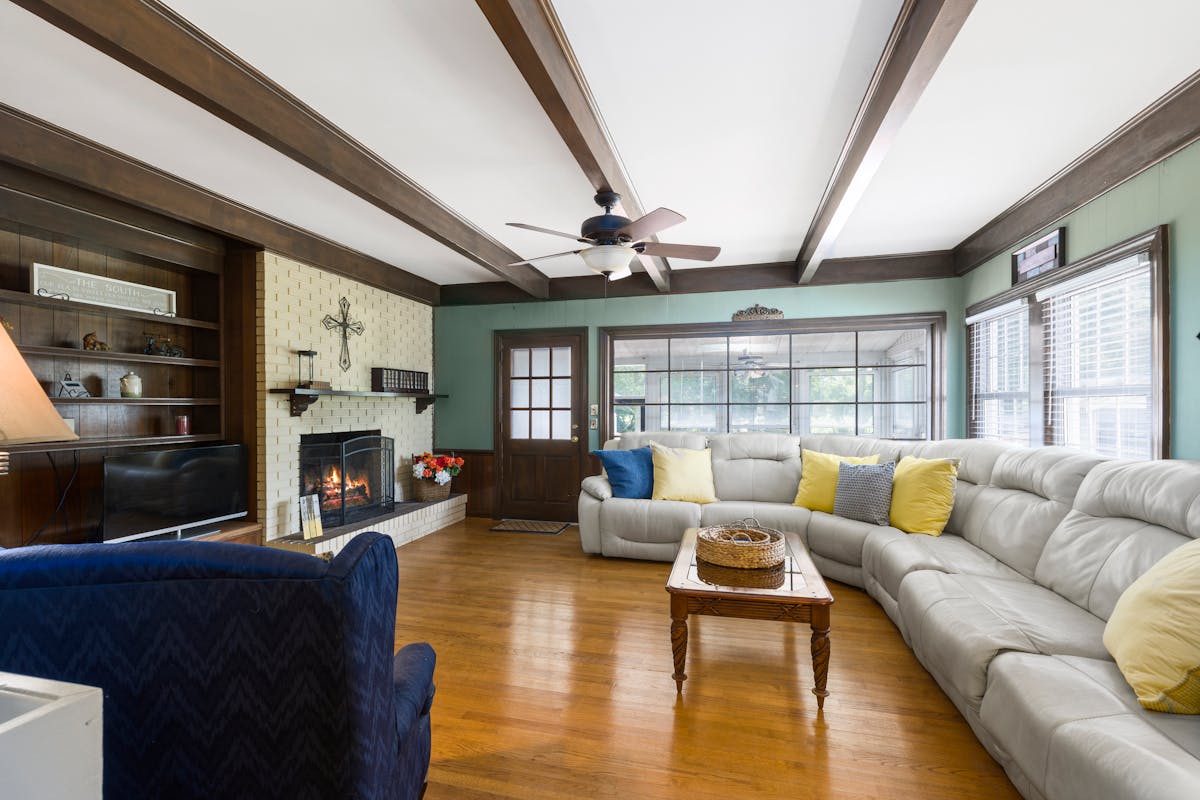
In This Guide
What Is Home Staging?
Home staging is the strategic preparation and decoration of a property for sale. A staging company helps you stage your home by presenting each room in its best possible light so buyers feel an immediate emotional connection. Professional stagers use furniture placement, color theory, lighting, and decor to decorate spaces that feel spacious, inviting, and move-in ready.
Staging a home goes beyond simple cleaning and decluttering. Home staging services involve a deliberate design strategy tailored to the target buyer demographic. A starter home in a family neighborhood gets staged differently than a downtown condo marketed to young professionals. Every design choice when staging a home for sale serves the purpose of making buyers want to make an offer.
The concept of home staging originated in the 1970s when Barb Schwarz, a real estate agent, developed systematic techniques for preparing homes for sale. Since then, staging has evolved into a multi-billion dollar industry. Today, professional home staging companies operate in every major market across the country.
Home staging applies to both occupied and vacant properties. For occupied homes, stagers work with existing furniture and add accent pieces to enhance each room. Vacant home staging involves renting complete furniture packages and accessory collections to transform empty spaces into model-home settings. Both approaches create the polished presentation that drives faster sales at higher prices.
Why Home Staging Matters for Sellers
First impressions in real estate happen within seconds. Buyers form opinions about a property the moment they walk through the front door or scroll through online listing photos. Staging ensures those first impressions are overwhelmingly positive.
Staged homes sell faster. Properties with professional staging spend an average of 73% fewer days on the market compared to unstaged listings. In competitive markets where speed matters, staging gives sellers a significant advantage over comparable properties that skip this step.
Staged homes sell for more money. The Real Estate Staging Association reports that staged homes sell for 5% to 25% more than unstaged homes. On a $400,000 property, that translates to $20,000 to $100,000 in additional sale proceeds. The return far exceeds the cost of staging in almost every scenario.
Staging improves online listing performance. Over 97% of home buyers start their search online. Listing photos of staged rooms receive significantly more clicks, saves, and inquiries than photos of empty or cluttered rooms. Better photos lead to more showings, which lead to more offers.
Staging helps buyers visualize living there. Empty rooms feel cold and make it hard to judge proportions. Cluttered or overly personalized rooms distract buyers and prevent emotional connection. Staging creates a neutral, aspirational environment where any buyer can picture their own life unfolding.
Industry Insight: A 2024 survey by the National Association of Realtors found that 58% of listing agents believe staging increases the dollar value offered by buyers. Only 1% of agents say staging has a negative effect on price.
Home Staging Statistics That Prove the Value
of buyers start their home search online where staging and photography quality determine which listings get clicked
price increase reported for staged homes compared to similar unstaged properties in the same market
faster sale time for staged properties versus non-staged listings according to industry data
of buyer's agents say staging helps clients visualize the property as their future home
These numbers reflect consistent industry research from the National Association of Realtors, a leading trade association, the Real Estate Staging Association, and multiple independent market studies. Listing agents said staging a home makes it easier for a buyer to visualize the property as a future home and imagine themselves living there. The data overwhelmingly supports staging as one of the highest return investments home sellers can make before listing their home and property.
Beyond the headline statistics, market research reveals important nuances. Staging delivers the strongest returns in competitive markets where multiple similar properties compete for buyer attention. It also provides outsized value for vacant properties, luxury listings, and homes that have already spent time on the market without attracting offers.
Which Rooms to Stage First
Not every room needs the same level of staging attention. Budget and time constraints mean prioritizing the spaces that matter most to buyers. Research consistently shows three rooms that deserve the highest priority.
The Living Room
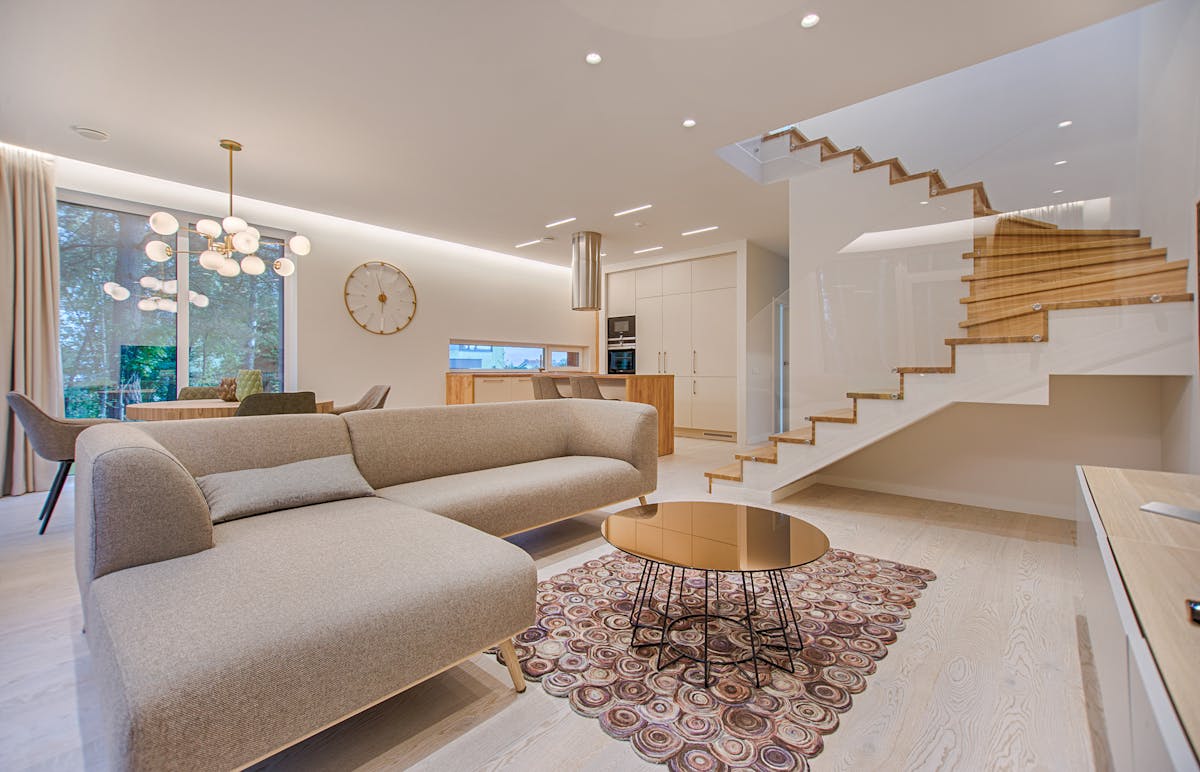
The living room creates the strongest first impression of interior living space. Buyers evaluate flow, natural light, and overall feel in the first room they enter. Stage with a neutral sofa, accent chairs, a coffee table, and minimal accessories. Remove personal photos and any furniture that blocks pathways or makes the room feel cramped.
The Kitchen
Kitchens sell houses. Buyers spend more time evaluating kitchens than any other room. Clear all countertops except for one or two decorative items like a bowl of lemons or a small herb garden. Clean appliances until they shine. Replace outdated hardware with modern pulls and knobs for a quick visual upgrade that costs under $100. Discover more practical ideas in our guide to home staging tips.
The Primary Bedroom
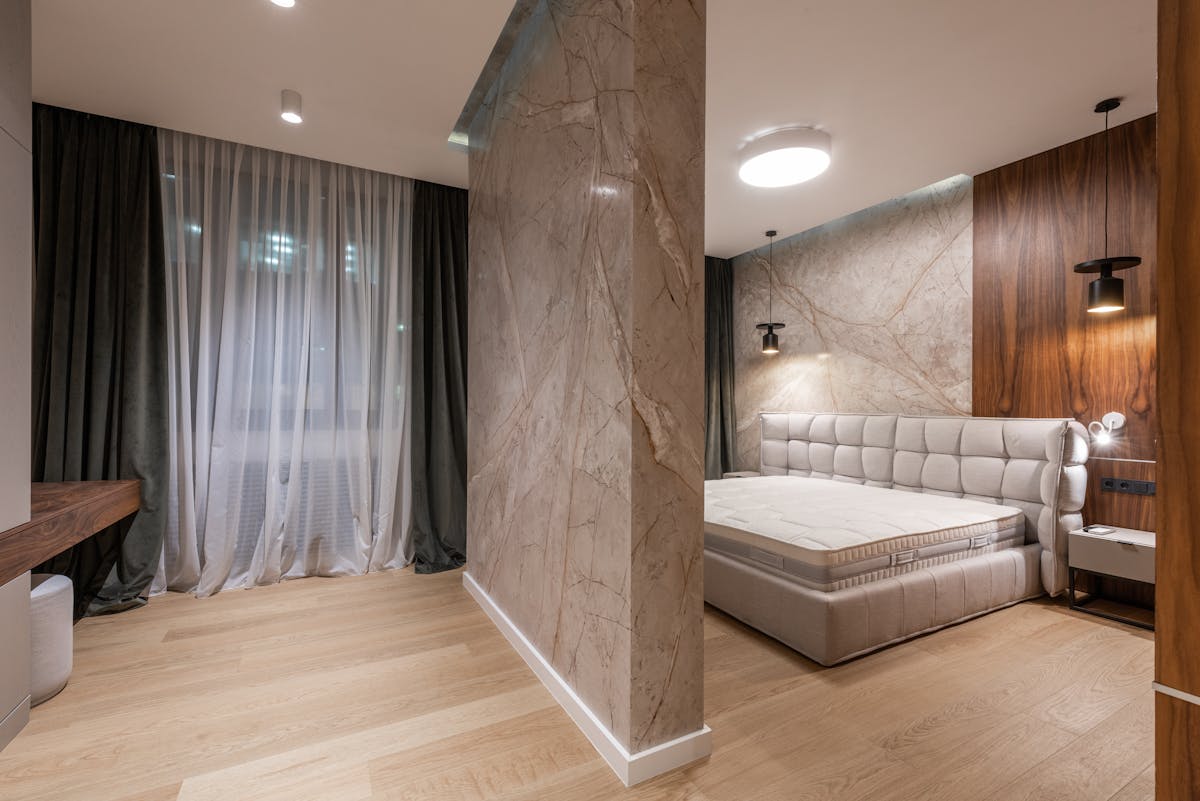
The primary bedroom represents the private retreat every buyer dreams about. Use crisp white or neutral bedding with layered pillows and a textured throw. Remove all personal items from nightstands. Ensure the closet is organized with only essential items taking up no more than 60% of the available space. This makes the closet feel larger and more functional.
Secondary Priorities
After the big three, focus on bathrooms, the dining room, and outdoor living spaces. Bathrooms benefit from new towels, a clean shower curtain, and a small plant or candle. The dining room sets a mood with a simple table setting and fresh flowers. Curb appeal through exterior staging with fresh landscaping, a painted front door, and seasonal planters creates the critical first outdoor impression.
Priority 1
Living Room, Kitchen, Primary Bedroom
Priority 2
Bathrooms, Dining Room, Outdoor Areas
Priority 3
Home Office, Guest Rooms, Bonus Rooms
DIY Staging vs. Professional Home Staging
Every seller faces this decision. Do you handle staging yourself or hire a professional stager? Both approaches have clear advantages depending on your situation, budget, and property type. Understanding the trade-offs helps you make the right choice for your specific sale.
When DIY Staging Works Well
DIY staging makes sense for occupied homes with modern furniture in good condition. If your home is already well-maintained and your decor leans neutral, you may only need to declutter, deep clean, and rearrange what you already own. Homeowners with a strong design eye can achieve excellent results by following proven staging principles.
Budget-conscious sellers in lower price ranges often get adequate results from DIY staging. When the home's sale price is under $300,000, spending $3,000 or more on professional staging may not provide proportional returns. In these cases, a consultation with a professional stager followed by DIY execution offers the best value.
When Professional Staging Pays Off
Professional staging delivers the strongest returns for vacant properties, luxury homes, and properties in competitive markets. A vacant home without staging looks smaller and fails to create emotional connection. Professional stagers transform empty spaces with carefully curated furniture and accessories that make rooms feel purposeful and welcoming.
Luxury properties above $500,000 almost always benefit from professional staging. At this price point, buyers expect a polished presentation. Professional stagers understand the design language that resonates with luxury buyers. The investment in staging is small relative to the potential increase in sale price. Learn the full breakdown in our home staging cost guide.
DIY Staging
Best for occupied homes with modern furniture. Cost: $200 to $1,000. Requires 1 to 2 weeks of effort. Works well in moderate price ranges.
Professional Staging
Best for vacant homes and luxury properties. Cost: $1,500 to $6,000+. Completed in 1 to 3 days. Delivers highest ROI in competitive markets.
The Home Staging Process Step by Step
Understanding the full home staging process helps you prepare effectively. Whether you choose DIY or professional staging, every successful staging project follows a similar sequence. For a detailed walkthrough, visit our guide on how to stage a house to sell.
Step 1: Initial Assessment
Start with a thorough walkthrough of your home. View each room through the eyes of a buyer who has never visited before. Note areas that need repair, cleaning, or updating. Check for peeling paint, stained carpets, squeaky doors, and broken fixtures. These small issues create negative impressions that undermine even the best staging efforts.
Step 2: Declutter and Depersonalize
Remove at least 30% to 50% of your belongings. Pack away family photos, religious items, political materials, and collections. Clear kitchen counters, bathroom vanities, and bedroom surfaces. The goal is creating a blank canvas where buyers project their own lifestyle rather than observing yours.
Step 3: Deep Clean Everything
A spotless home signals care and maintenance to buyers. Clean windows inside and out. Steam clean carpets and polish hardwood floors. Scrub grout lines in bathrooms and kitchens. Clean light fixtures, ceiling fans, and baseboards. Consider hiring professional cleaners for this step because buyers notice every detail.
Step 4: Make Minor Repairs and Updates
Fix everything on your repair list before staging begins. Patch nail holes, touch up paint, replace burnt-out light bulbs, and fix leaky faucets. Consider inexpensive updates like new cabinet hardware, modern light switch covers, and fresh caulk around tubs and sinks. These small investments prevent buyers from mentally deducting repair costs from their offers.
Step 5: Arrange Furniture Strategically
Furniture placement controls how buyers move through your home and how spacious each room feels. Create clear pathways through every room. Pull furniture away from walls slightly to create depth. Remove oversized pieces that make rooms feel small. In conversation areas, arrange seating to create intimate groupings rather than pushing everything against the walls.
Step 6: Add Finishing Touches
Finishing touches bring warmth and personality without personalization. Add fresh flowers or greenery to the kitchen and bathrooms. Place coordinated throw pillows and blankets on sofas. Set the dining table with simple place settings. Use layered lighting with table lamps and floor lamps to create warm ambient light that supplements overhead fixtures.
Step 7: Address Curb Appeal
Exterior staging creates the first impression before buyers even enter your home. Power wash the driveway, walkway, and siding. Add fresh mulch to garden beds. Plant seasonal flowers in pots near the front door. Paint the front door a welcoming color. Ensure the lawn is mowed, edges are trimmed, and outdoor lighting works properly.
Home Staging Cost and Return on Investment
Staging costs vary depending on your approach, home size, and local market. Understanding the investment required helps you budget effectively and set realistic expectations for the return you can expect.
| Staging Type | Typical Cost | Best For |
|---|---|---|
| Consultation Only | $150 to $600 | DIY sellers who want expert guidance |
| Occupied Home Staging | $800 to $2,000 | Homes with existing furniture |
| Vacant Home Staging | $2,000 to $6,000/month | Empty properties needing full furnishing |
| Luxury Home Staging | $5,000 to $15,000+ | High-end properties above $750K |
| Virtual Staging | $75 to $300 per room | Online listings and digital marketing |
The return on investment for staging consistently exceeds the cost. On a $400,000 home, a conservative 5% price increase from staging generates $20,000 in additional proceeds. When staging costs $2,500, that represents an 700% ROI. Even accounting for the most expensive staging scenarios, the financial math strongly favors staging. Explore detailed pricing scenarios in our home staging cost breakdown.
Common Home Staging Mistakes to Avoid
Even well-intentioned staging efforts can backfire when sellers make common mistakes. Awareness of these pitfalls helps you avoid the errors that reduce buyer interest and lower offers.
Over-Staging and Clutter
More is not better in home staging. Over-decorating makes rooms feel smaller and distracts from architectural features. Every accessory should serve a purpose. If it does not enhance the room's appeal or highlight a feature, remove it. Aim for a clean, curated look rather than a maximalist design statement.
Ignoring Odors
Homeowners become nose-blind to their own home's smell. Pet odors, cooking smells, musty basements, and cigarette smoke can instantly turn off buyers. Deep clean soft surfaces including carpets, curtains, and upholstery. Use natural air fresheners sparingly. Avoid heavy artificial fragrances that signal you are masking a problem.
Dark and Poorly Lit Rooms
Dark rooms feel smaller and less inviting. Open all curtains and blinds before showings. Replace low-wattage bulbs with brighter alternatives. Add table lamps and floor lamps to corners that overhead lighting misses. Consider daylight-temperature bulbs that create a warm, natural glow throughout each room.
Neglecting Curb Appeal
Buyers often decide whether to enter a home based on its exterior appearance. A neglected yard, peeling paint, or outdated front entry can prevent buyers from scheduling a showing. Invest in landscaping, power washing, and a fresh coat of paint on the front door. These exterior improvements cost relatively little and deliver outsized impact.
Leaving Personal Items Visible
Family photos, religious symbols, and personal collections distract buyers. They remind visitors that this is someone else's home rather than their potential new one. Pack personal items early in the process. This also gives you a head start on moving preparation.
Virtual Staging: The Digital Alternative
Virtual staging uses digital technology to add furniture and decor to photographs of empty rooms. This approach has grown rapidly and offers a budget-friendly alternative to traditional physical staging. Virtual staging costs $75 to $300 per room compared to thousands for physical furniture rental.
The technology behind virtual staging has improved dramatically in recent years. Modern virtual staging creates photorealistic results that are difficult to distinguish from actual photographs. Sellers can choose from multiple design styles and swap configurations instantly. This flexibility allows testing different looks to find the most appealing presentation.
Virtual staging works best for online listing photos and digital marketing materials. It enhances the visual appeal of empty rooms in MLS listings, social media posts, and real estate websites. However, virtual staging has limitations. Buyers who tour the property in person will encounter empty rooms. This disconnect between online photos and physical reality can create disappointment if not managed properly.
Many sellers use a hybrid approach. They combine virtual staging for listing photos with partial physical staging of key rooms. This strategy manages costs while ensuring in-person showings still deliver a positive experience. Disclose virtual staging in listing descriptions to maintain buyer trust and avoid potential legal issues.
Working With Your Real Estate Agent on Staging
Your real estate agent or broker serves as a valuable partner throughout the staging process. Experienced agents have seen hundreds of staged and unstaged homes sell. They understand which staging furniture investments deliver the highest returns in your specific market and price range. Some agents hold accredited staging designations that further demonstrate their expertise.
Many listing agents offer staging guidance as part of their services. Some agents have established relationships with professional stagers and can negotiate preferred rates. Others provide staging consultations themselves based on years of market experience. Ask your agent about staging recommendations during the listing presentation.
Some real estate agents invest in staging for their listings because they understand the return it generates. This arrangement benefits everyone. The seller gets professional staging without upfront costs. The agent differentiates their listings and generates faster sales. Discuss whether your agent offers any staging support or credits.
The best results come from collaborative planning between you, your agent, and your stager. Your agent provides market intelligence about buyer preferences in your area. The stager brings design expertise and access to furniture inventory. You contribute knowledge of your home's unique features and quirks. Together, this team creates a presentation tailored to attract your most likely buyer.
If you are still searching for the right agent, understanding questions to ask a real estate agent can help you evaluate candidates. Look for agents who understand staging, appreciate its value, and have a track record of well-presented listings.
Continue Reading: Home Staging Series
Home Staging Tips
Practical tips and techniques to stage every room for maximum buyer appeal and faster sales.
How to Stage a House to Sell
Step-by-step instructions for staging your house from start to finish, including timelines and checklists.
Home Staging Cost
Complete cost breakdown for DIY and professional staging with ROI calculations and budget planning.
Frequently Asked Questions About Home Staging
What is home staging?
Home staging is the process of preparing a home for sale by arranging furniture, decor, and accessories to highlight the property's best features. Professional home stagers create an inviting atmosphere that helps potential buyers envision themselves living in the space.
How much does home staging cost?
Costs range from $150 for a consultation to $6,000+ per month for full vacant home staging. Occupied home staging with existing furniture typically costs $800 to $2,000. Virtual staging offers the most affordable option at $75 to $300 per room.
Does home staging really help sell a house faster?
Yes. Staged homes sell 73% faster on average and for 5% to 25% more than unstaged properties. The National Association of Realtors confirms that 81% of buyer's agents say staging makes it easier for buyers to visualize a property as their future home.
Which rooms should I stage first?
Prioritize the living room, kitchen, and primary bedroom. These three rooms have the greatest impact on buyer perception and offers. Stage bathrooms, the dining room, and outdoor areas next if your budget allows.
Can I stage my home myself?
Absolutely. DIY staging works well for occupied homes with modern furniture. Focus on decluttering, deep cleaning, and neutral decorating. For vacant homes or higher-priced properties, professional staging typically delivers a stronger return on investment.
How long does home staging take?
DIY staging takes one to two weeks. Professional staging of an occupied home takes one to three days. Vacant home staging with rented furniture usually takes one full day for delivery and setup. Start at least two weeks before listing photos.
What is the ROI for home staging?
The ROI for home staging ranges from 300% to 900%. On a $400,000 home, even a 5% price increase generates $20,000 in additional proceeds. When staging costs $2,000 to $5,000, the investment pays for itself many times over.
Should I stage a vacant home?
Staging a vacant home is highly recommended. Empty rooms look smaller and feel cold to buyers. Vacant homes sit on the market 78% longer than staged homes. Even staging just the main living areas dramatically improves buyer interest and offers.
Ready to Stage and Sell Your Home?
Connect with a top-performing real estate agent who understands staging and can guide you to a faster, more profitable sale. Our matching service is free.
Find My AgentYour Home Staging Journey Starts Now
Home staging is one of the most powerful tools available when selling your home in today's real estate market. Whether you choose to stage the home yourself or invest in professional staging services, the data consistently shows that staging leads to faster sales at higher prices. You can repaint walls, rearrange furniture, and get your home ready to sell with minimal investment that pays for itself many times over.
Start by assessing your home honestly. Walk through each room as if you were a buyer seeing the property for the first time. Identify the areas that need the most attention and prioritize your staging efforts based on impact and budget. Remember that the living room, kitchen, and primary bedroom deliver the highest return on staging investment.
Partner with a knowledgeable real estate agent who values staging and can recommend professionals in your area. The right agent-stager combination creates a listing presentation that stands out in a crowded market and attracts serious buyers from day one.
Explore our detailed guides on home staging tips for practical advice, how to stage a house to sell for step-by-step instructions, and home staging cost for budget planning. Each guide dives deeper into the specific aspects of staging that matter most to your success.