25 Home Staging Tips That Help Sell Your House Faster
Practical staging techniques from professional stagers to make every room shine and attract serious buyers.
The right home staging tips can transform your property from ordinary to irresistible. Staging your home with proven tips and tricks helps you sell your home fast and get top dollar for your home. Professional stagers have refined these home staging tips and tricks over thousands of home sales, and the results speak clearly through faster sales and higher prices.
Whether you plan to stage your home yourself or work with a professional, these tips for staging cover every aspect of presentation that matters to potential buyers. When selling your home, every detail from curb appeal to the last room they tour contributes to their decision. Staged homes consistently sell faster and for more money in any real estate market. For a complete overview of the staging process, visit our complete home staging guide.
Foundation Tips: Where Every Staging Project Starts
Tip 1: Declutter Ruthlessly Before Anything Else
Decluttering is the single most impactful staging action you can take. Remove 30% to 50% of your belongings from the home. Clear countertops, shelves, mantels, and any horizontal surface where items accumulate. Pack away anything you do not need for daily living during the selling period.
Professional stagers follow a simple rule: if it does not serve the room's purpose or add visual appeal, it goes. This includes excess furniture, personal collections, stacks of books and magazines, and anything worn or outdated. Rent a storage unit if needed. The cost of monthly storage is minor compared to the impact on your sale price.
Tip 2: Deep Clean Like a Buyer Is Coming Tomorrow
A spotless home signals that the property has been well maintained. Clean every surface from ceiling fans to baseboards. Pay special attention to kitchens and bathrooms where cleanliness matters most to buyers. Steam clean carpets, polish hardwood floors, and wash every window inside and out.
Consider hiring professional cleaners for a one-time deep clean. They reach areas homeowners typically overlook, such as behind appliances, inside vent covers, and under bathroom fixtures. This investment typically costs $200 to $500 and makes a noticeable difference in the overall impression.
Tip 3: Depersonalize Every Room
Remove family photographs, children's artwork from the refrigerator, monogrammed items, and collections that reflect your personal hobbies. Buyers need to envision themselves living in the space, and personal items make that more difficult. Replace personal art with neutral prints or abstract pieces.
Tip 4: Fix Everything That Is Broken
Small defects create big negative impressions for any home for sale. Repair leaky faucets, squeaky doors, loose handles, cracked tiles, and chipped paint. Replace burnt-out light bulbs throughout the entire house. Fix running toilets and sticking drawers. These tips to sell effectively include addressing every issue because each unfixed item tells buyers the home has not been properly maintained. For guidance on finding the right professional to help sell a home, see questions to ask a real estate agent.
Tip 5: Apply Fresh Neutral Paint
Fresh paint provides the highest return on investment of any pre-sale improvement. Choose warm neutral colors like soft white, light gray, or greige. These tones photograph well, make rooms feel larger, and appeal to the broadest range of buyers. Paint over accent walls, bold colors, and any rooms with scuff marks or visible wear.
Living Room Staging Tips
Tip 6: Create a Focal Point
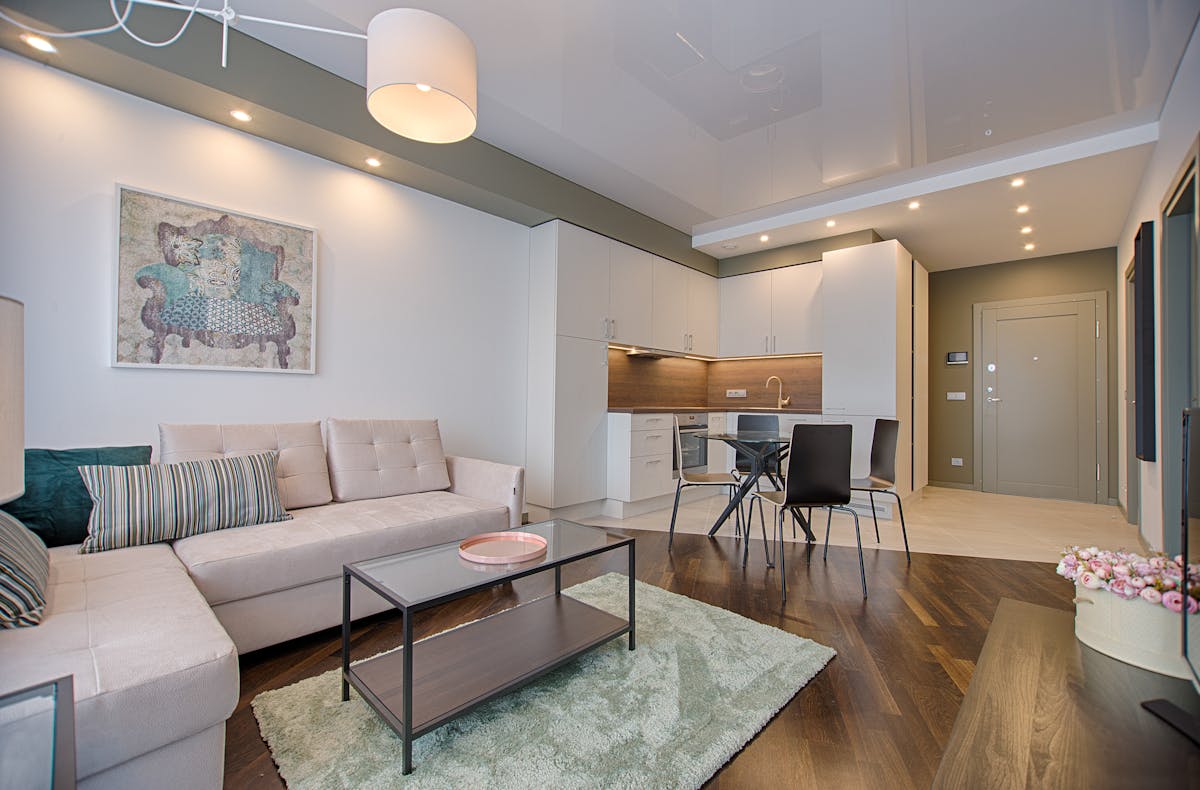
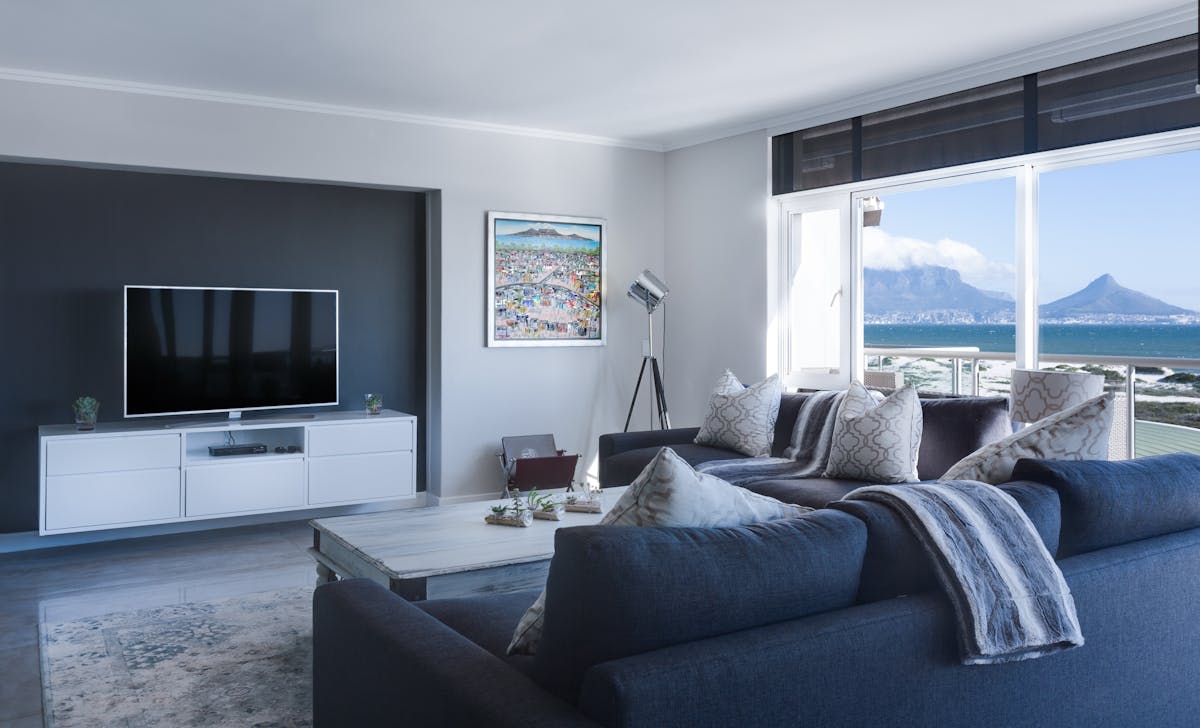
Every living room needs a clear focal point that draws the eye. This might be a fireplace, a large window with a view, or an entertainment wall. Arrange furniture to emphasize this feature rather than compete with it. If the room lacks an obvious focal point, create one with a statement piece of art above the sofa or a carefully styled bookshelf.
Tip 7: Arrange Furniture for Conversation
Pull furniture away from walls and create intimate conversation groupings. Place the sofa and chairs facing each other with a coffee table between them. This arrangement creates visual interest and helps buyers imagine hosting guests. Ensure clear pathways through the room. Remove any piece that blocks natural traffic flow.
Tip 8: Layer Your Lighting
Use three types of lighting in every living space. Overhead fixtures provide ambient light. Table lamps and floor lamps add task lighting at reading areas and beside seating. Accent lights highlight artwork or architectural features. Layered lighting makes rooms feel warm, inviting, and well-designed.
Tip 9: Add Texture Through Textiles
Layer coordinated throw pillows, a soft blanket, and an area rug to add warmth and visual depth. Place a decorative vase with fresh greenery on a side table. Choose textures that complement your color palette. Linen, cotton, and wool create a natural, inviting feel. Avoid too many patterns. Stick to one patterned element and complement with solid textures.
Tip 10: Use Mirrors to Expand Space
Strategically placed mirrors make rooms feel larger and brighter. Position a large mirror across from a window to reflect natural light deep into the room. Use mirrors in narrow hallways and small spaces where physical space is limited. Avoid placing mirrors where they reflect cluttered areas or unflattering angles.
Kitchen Staging Tips
Tip 11: Clear All Countertops
Countertop space is one of the first things buyers evaluate in a kitchen. Remove every appliance, canister, knife block, and utensil holder from countertops. Store these items in cabinets or pack them away. Leave only one or two decorative items such as a bowl of fresh lemons, a small plant, or a cookbook on a stand.
Tip 12: Update Cabinet Hardware
Replacing dated cabinet knobs and pulls is one of the fastest, most affordable kitchen upgrades. Modern brushed nickel, matte black, or brass hardware instantly updates the look of existing cabinets. This improvement costs $50 to $150 for an average kitchen and takes less than an hour to install.
Tip 13: Organize Inside Cabinets and Drawers
Buyers will open cabinets and drawers during showings. Organize the interior of every cabinet with items neatly arranged and facing forward. Remove excess items so cabinets appear spacious. Use shelf organizers and drawer dividers to create an organized, intentional appearance.
Tip 14: Make Appliances Shine
Clean appliances thoroughly inside and out. Polish stainless steel surfaces. Clean the oven, microwave interior, and dishwasher. An immaculate kitchen signals that the home has been carefully maintained. If appliances are old but functional, a thorough cleaning goes a long way toward minimizing their age.
Tip 15: Stage the Dining Area
Whether your dining space is in the kitchen or a separate room, proper staging creates an aspirational scene. Set the dining table with simple, coordinated place settings for four. Add a low centerpiece of fresh flowers or a decorative bowl. Use cloth napkins rather than paper. Accessorizing the space with window treatments and area rugs helps make the room look larger. This helps buyers interested in buying and selling envision family dinners and entertaining guests. Swap heavy shower curtains for fresh ones in nearby bathrooms. Highlight your home's best features with updated light fixtures to complete the transformation. Remove pet odors before any showing.
Bedroom and Bathroom Staging Tips
Tip 16: Invest in Quality Bedding
The bed dominates the bedroom, so its presentation matters more than anything else in the room. Invest in a crisp white or neutral duvet cover, coordinated pillows, and a textured throw blanket. Hotel-style bedding instantly elevates the entire room. This investment can be as simple as a $100 to $200 bedding set from a home goods store.
Tip 17: Style Nightstands Minimally
Each nightstand should have no more than two or three items. A table lamp, a small plant or candle, and one decorative item create a clean, intentional look. Remove alarm clocks, phone chargers, medications, books, and anything else that accumulates on nightstands during daily life.
Tip 18: Organize Closets to Show Space
Buyers prioritize storage. Organized closets that appear spacious increase perceived home value. Remove at least half the contents of every closet. Group remaining items by color. Use matching hangers for a polished look. Ensure the closet floor is visible and clean. Add a small shelf organizer if the closet lacks built-in organization.
Tip 19: Upgrade Bathroom Accessories
Replace worn towels with fresh white ones, folded neatly or rolled on a shelf. Add a new shower curtain if the current one shows wear. Place a small plant on the counter for a spa-like feel. Remove all personal products from the shower, tub, and counter surfaces. Store toiletries in a cabinet or box during the selling period.
Tip 20: Address Grout and Caulk
Discolored grout and peeling caulk make bathrooms look aged and poorly maintained. Clean grout with a specialized cleaner or apply grout paint for a quick refresh. Remove old caulk around tubs and sinks and apply fresh white caulk. These fixes cost under $20 in materials and dramatically improve the bathroom's appearance.
Curb Appeal and Exterior Staging Tips
Tip 21: Power Wash Everything
Power washing transforms a home's exterior appearance for minimal cost. Clean the driveway, walkway, patio, deck, and siding. Years of accumulated dirt, mildew, and stains disappear in minutes. Rent a pressure washer for $50 to $100 per day or hire a professional for $200 to $400. The difference is immediately visible.
Tip 22: Refresh Landscaping
Trim overgrown bushes and trees. Edge the lawn and garden beds. Add fresh mulch to all planting areas. Plant seasonal flowers in beds near the front entrance for a pop of color. Ensure the lawn is green and well-maintained. Remove weeds from cracks in the driveway and walkway. Neat landscaping signals pride of ownership.
Tip 23: Paint the Front Door
The front door is the first thing buyers touch and the last thing they see before forming their initial opinion. A freshly painted front door in a welcoming color creates a strong first impression. Navy blue, black, forest green, and warm red are popular choices. Add a new welcome mat, updated house numbers, and a seasonal wreath.
Tip 24: Stage Outdoor Living Spaces
Outdoor spaces extend the living area and add significant value in buyers' minds. Stage your patio or deck with clean outdoor furniture, coordinated cushions, and a small bistro set. Add string lights or lanterns for evening ambiance. Remove grills, children's toys, and storage items from view. Present outdoor areas as relaxation destinations.
Tip 25: Ensure All Exterior Lighting Works
Many buyers drive by properties in the evening before scheduling showings. Ensure all exterior lights function, including porch lights, pathway lights, and landscape lighting. Replace dim bulbs and add solar pathway lights along the walkway. Proper exterior lighting creates a warm welcome and enhances safety perception.
Quick Staging Checklist
Before Listing Photos
- Declutter 30% to 50% of belongings
- Deep clean entire house
- Remove personal photos and items
- Apply fresh neutral paint
- Fix all minor repairs
- Stage living room, kitchen, primary bedroom
- Update bathroom accessories
- Refresh curb appeal and landscaping
Before Each Showing
- Open all blinds and curtains
- Turn on all lights
- Wipe down kitchen and bathroom surfaces
- Fluff pillows and straighten bedding
- Remove pet items and evidence
- Take out trash
- Set the thermostat to a comfortable temperature
- Add fresh flowers if previous ones have wilted
Bonus Staging Strategies That Professionals Use
Appeal to All Five Senses
Professional stagers know that staging extends beyond visual presentation. The home should smell fresh and clean without artificial fragrance. Play soft background music during open houses. Ensure the temperature feels comfortable the moment buyers step inside. Offer a small refreshment station at the entrance during open houses. These subtle touches create a memorable experience that distinguishes your listing.
Stage for Your Target Buyer
Consider who will most likely buy your home and stage accordingly. A family neighborhood home benefits from a playroom staged with stylish toy storage and a homework desk. A downtown condo marketed to young professionals should feature a home office area and modern entertaining space. Your real estate agent can help identify the most probable buyer profile for your property.
Use Odd Numbers in Groupings
Design professionals arrange decorative items in groups of three or five rather than even numbers. Odd-numbered groupings feel more natural and visually interesting. Three candles of different heights, five books stacked between decorative objects, or three coordinated throw pillows on a sofa create intentional, polished arrangements.
Create Lifestyle Vignettes
Small styled scenes throughout the home help buyers imagine their daily routines. Place a tray with a coffee mug and book near a comfortable reading chair. Set up a workspace with a laptop, plant, and stylish desk lamp. Add a cozy throw and book to a window seat. These vignettes tell a story about the lifestyle the home offers.
Photograph for Online Appeal
Stage with listing photography in mind. Rooms photograph best when surfaces reflect light and walls are neutral. Remove items that create visual clutter in photos, such as cords, cleaning supplies, and small kitchen appliances. Photograph corners and angles during staging to verify that the arrangement translates well to the wide-angle lenses used in real estate photography.
What These Staging Tips Cost to Implement
Most of these staging tips cost little to nothing beyond your time and effort. Decluttering, cleaning, and depersonalizing are free. Rearranging furniture takes an afternoon. The items that require spending typically have affordable options available.
Free or Under $50
Decluttering, depersonalizing, furniture rearrangement, cleaning with existing supplies, organizing closets and cabinets, opening blinds for light, and removing personal items.
$50 to $200
New cabinet hardware, fresh white towels, neutral bedding set, throw pillows and blanket, area rug, fresh flowers and plants, new caulk and grout cleaner, and light bulb replacement.
$200 to $500
Professional deep cleaning, interior paint for key rooms, power washer rental, fresh mulch and seasonal plantings, and front door paint with updated hardware.
$500 to $1,000
Full interior paint refresh, professional carpet cleaning, mirror and lighting additions, storage unit rental for first month, and outdoor furniture staging.
For a complete cost analysis including professional staging services, read our detailed home staging cost guide. Learn about the full staging process step by step in our guide on how to stage a house to sell.
Frequently Asked Questions About Home Staging Tips
What are the most important home staging tips?
Declutter every room, deep clean the entire house, depersonalize by removing family photos, maximize natural light, use neutral paint colors, and arrange furniture to create open pathways. Focus on the living room, kitchen, and primary bedroom first.
How do I stage my kitchen to sell?
Clear all countertops except one or two decorative items. Deep clean appliances and cabinet fronts. Replace outdated hardware with modern pulls. Add a fresh bowl of fruit for color. Organize inside cabinets since buyers will look. Ensure bright, inviting lighting.
What colors are best for staging a home?
Warm whites, light grays, greige tones, and soft beige work best. Neutral colors create a clean backdrop that appeals to the widest range of buyers. Use accent colors sparingly through pillows, artwork, and accessories.
How much decluttering is needed for staging?
Plan to remove 30% to 50% of your belongings. Every surface should have minimal items. Closets should be only 50% to 60% full. Rent a storage unit for packed items during the selling period.
What quick staging tips can I do in a weekend?
Deep clean bathrooms and kitchen, remove personal photos, declutter countertops, add fresh white towels, replace burnt-out light bulbs, organize closets, add fresh flowers, and touch up scuffed paint areas.
Need an Agent Who Understands Staging?
Connect with a real estate agent who knows how to present your home for maximum buyer appeal. Our matching service is free and obligation-free.
Find My AgentPut These Home Staging Tips Into Action
Home staging does not need to be expensive or overwhelming. These insider tips make your home more appealing by following the foundation of decluttering, cleaning, and depersonalizing. A vase of flowers on the dining room table or a fresh coat of paint can create the illusion of a larger, brighter space. Professional photography captures these improvements and attracts serious home buying interest. Then work through each room using the specific techniques outlined above. Even implementing half of these tips will noticeably improve your home's appeal to buyers. Pro tip: address any odor issues before listing, as smells are the top deal-breaker for potential buyers.
The key is starting early enough before listing photos are scheduled. Give yourself at least two weeks for DIY staging. If you choose professional staging, book your stager three to four weeks before your target listing date.
For the complete picture, read our comprehensive home staging guide, learn the full process in how to stage a house to sell, or plan your budget with our home staging cost breakdown.