How Long Does It Take to Sell a House?
Complete timeline guide for selling your home in 2026.
Understanding how long it takes to sell a house helps you plan your move, coordinate finances, and set realistic expectations. Whether you are relocating for a job, upsizing for a growing family, or downsizing in retirement, knowing the typical timeline ensures you are prepared for every step of the process.
The average home sale takes 55-70 days from listing to closing, but this varies dramatically based on your local market, home condition, pricing strategy, and timing. Some homes sell in days with multiple offers; others sit for months waiting for the right buyer.
This guide breaks down the complete home selling timeline, explains factors that speed up or slow down sales, and provides actionable tips to help you sell your house faster. Combined with our guide on how to sell a house, you will have everything needed for a successful sale.
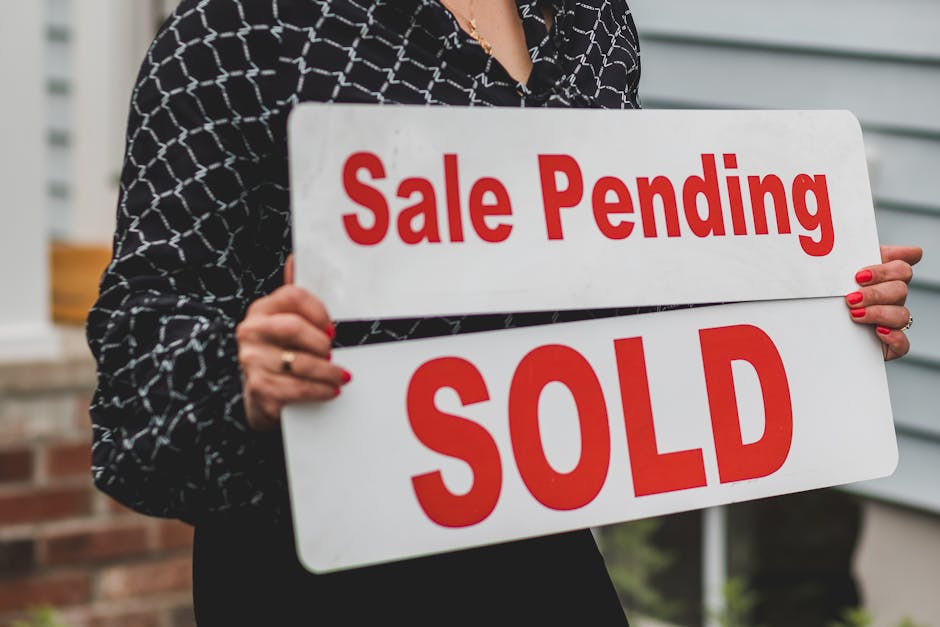
Home Selling Timeline Overview
Pre-Listing Preparation
Repairs, cleaning, staging, photography, and listing setup
Active Marketing Period
Showings, open houses, receiving and negotiating offers
Under Contract Period
Inspection, appraisal, loan processing, title work, closing
Pre-Listing Preparation: 1-4 Weeks
Before your home hits the market, preparation work sets the stage for a successful sale. Rushing this phase often leads to longer time on market and lower offers.
Week 1: Initial Assessment
- Interview real estate agents: Meet with 2-3 agents to compare services and pricing strategies. Learn how to find a real estate agent.
- Get a market analysis: Your agent provides a Comparative Market Analysis (CMA) showing your home's estimated value
- Create a preparation checklist: Identify repairs, updates, and staging needs
- Order pre-listing inspection (optional): Discover issues before buyers do
Weeks 2-3: Home Preparation
- Complete necessary repairs and updates
- Deep clean entire home including windows and carpets
- Declutter and depersonalize spaces
- Enhance curb appeal with landscaping
- Stage key rooms for photography and showings
Week 4: Final Prep and Launch
- Professional photography session
- Review and approve listing description
- Sign listing agreement with your agent
- Coordinate launch timing with your agent
- Prepare for showings (schedule, pet plans, valuables)
Some sellers need more preparation time, especially for homes requiring significant repairs or updates. Budget up to 4 weeks if your home needs substantial work.
Active Listing Period: Days to Months
The time from listing to receiving an accepted offer varies enormously based on market conditions, pricing, and home appeal. National averages hover around 25-30 days, but your experience may differ significantly. See our breakdown of average days on market by state for local data.
Days on Market by Market Type
- Hot seller's market: 7-14 days (often with multiple offers)
- Balanced market: 30-45 days
- Buyer's market: 60-90+ days
- Luxury homes: 90-180+ days (smaller buyer pool)
What Happens During This Phase
- First week: Highest activity period. Open houses, many showings, early interest
- Weeks 2-3: Serious buyers schedule second showings and prepare offers
- Week 4+: If no offers, evaluate feedback and consider adjustments
When to Worry
Warning signs your listing may need adjustments:
- Few showings: May indicate pricing or marketing issues
- Showings but no offers: Home may not match buyers' expectations
- Low offers only: Market may be telling you the price is too high
- 30+ days with no serious interest: Time to reassess strategy
Under Contract to Closing: 30-45 Days
Once you accept an offer, the closing process begins. This phase involves inspections, financing contingencies, and title work before ownership can transfer.
Closing Timeline Breakdown
Days 1-7: Initial Period
- Buyer submits earnest money deposit
- Home inspection scheduled and completed
- Buyer's lender orders appraisal
- Title company begins title search
Days 8-14: Contingency Resolution
- Inspection report delivered and negotiated
- Any agreed repairs scheduled
- Appraisal completed and reviewed
- Address any appraisal issues if needed
Days 15-30: Loan Processing
- Buyer's loan moves through underwriting
- Final loan approval ("clear to close")
- Closing documents prepared
- Final walkthrough scheduled
Days 30-45: Closing
- Final walkthrough by buyer
- Closing meeting to sign documents
- Funds transfer and deed recording
- Keys transferred to new owner
Cash Offers Close Faster
Cash purchases skip the loan processing phase entirely. Without lender requirements, cash sales can close in as little as 7-14 days. This speed advantage makes cash offers attractive to sellers, even if the price is slightly lower.
Factors That Affect How Fast Your House Sells
Multiple factors influence your home's time on market. Some you control; others depend on external conditions.
Factors Within Your Control
- Pricing strategy: The single biggest factor. Competitive pricing attracts more buyers faster.
- Home condition: Move-in ready homes sell faster than those needing work.
- Presentation: Professional photos, staging, and curb appeal matter enormously.
- Showing availability: Flexible showing times mean more potential buyers see your home.
- Agent quality: Experienced agents with strong marketing sell homes faster.
- Terms offered: Flexibility on closing dates and buyer requests helps.
External Factors
- Local market conditions: Seller's markets move faster than buyer's markets
- Seasonality: Spring/summer sales typically happen faster
- Interest rates: Higher rates may reduce buyer pool
- Economic conditions: Job growth, confidence affect buyer activity
- Location: High-demand neighborhoods sell faster
- Competition: Many similar listings may slow your sale
Best Time of Year to Sell a House
Timing your listing strategically can shave weeks off your time on market and add thousands to your sale price.
Seasonal Market Patterns
- Spring (March-May): Peak selling season. Homes sell fastest and for highest prices. Families shop before summer moves.
- Summer (June-August): Still active but slightly slower. School's out, vacations compete for attention.
- Fall (September-November): Slower period but serious buyers remain active. Less competition from other sellers.
- Winter (December-February): Slowest season in most markets. However, buyers in winter are often highly motivated.
Best Months to List
Research consistently shows homes listed in late April through early June sell fastest. May is often cited as the single best month to list. Homes listed in May sell approximately 18 days faster than the annual average and for 5-10% more than winter listings.
When Timing Does Not Matter
Sometimes you cannot wait for optimal timing:
- Job relocation with specific deadlines
- Financial pressure requiring quick sale
- Family circumstances (divorce, estate settlement)
- Already purchased another home
In these situations, focus on what you can control: pricing competitively and presenting your home beautifully.
Tips to Sell Your House Faster
If speed is your priority, these strategies help accelerate your sale:
1. Price It Right from Day One
Overpricing is the number one reason homes sit unsold. Your first two weeks on market generate the most buyer interest. If priced too high, you miss this critical window. Work with your agent to price at or slightly below market value to generate immediate interest and potentially multiple offers.
2. Invest in Professional Marketing
- Professional photography (homes with pro photos sell 32% faster)
- 3D virtual tours for remote buyers
- Video walkthroughs for social media
- Compelling listing descriptions highlighting best features
3. Stage for Quick Sales
Staged homes sell 73% faster than non-staged homes. At minimum:
- Declutter ruthlessly - less is more
- Deep clean every surface
- Depersonalize so buyers can envision themselves
- Add fresh flowers and pleasant scents
4. Be Flexible with Showings
Every showing is a potential sale. Make your home available for last-minute requests. Leave during showings so buyers feel comfortable exploring. Consider using a lockbox for easy agent access.
5. Consider Cash Buyers or iBuyers
If speed matters most, consider selling to a cash buyer or iBuyer (like Opendoor or Offerpad). You will likely receive less than market value, but you can close in days rather than months.
6. Address Problems Proactively
Get a pre-listing inspection and fix major issues before listing. Homes with known problems scare off buyers or lead to renegotiation after inspection.
What to Do If Your House Is Not Selling
If your home has been on market 30+ days without serious interest, it is time to reassess. The market is sending you a message.
Diagnose the Problem
Work with your agent to understand where the breakdown is occurring:
- Few online views: Photos or price may be turning buyers away before they even schedule showings
- Few showings: Pricing or marketing reach may be the issue
- Showings but no offers: Home may not meet buyer expectations in person
- Only low offers: Market value is likely lower than your asking price
Consider a Price Reduction
If your home is not selling, price is almost always a factor. A strategic price reduction of 2-5% often generates renewed interest. Many agents recommend reducing price after 2-3 weeks of low activity rather than waiting longer.
Homes that sit too long become "stale" and may ultimately sell for less than if they had been priced correctly from the start.
Improve Presentation
- Update listing photos if quality is lacking
- Add virtual tour if not already included
- Refresh staging and declutter further
- Address any feedback from showings
- Boost curb appeal
Evaluate Your Agent
If your agent is not providing regular updates, feedback from showings, and strategic recommendations, you may need to have a direct conversation or consider a change. However, changing agents mid-listing has complications, discuss with your agent first.
Alternatives for Selling Very Quickly
If you need to sell within days or weeks rather than months, these options prioritize speed over maximum price:
Cash Home Buyers
"We Buy Houses" companies and real estate investors purchase homes for cash, often in as-is condition. Expect offers 60-80% of market value, but close in 7-14 days with no repairs, staging, or showings required.
iBuyers
Companies like Opendoor, Offerpad, and Zillow Offers (where available) make instant cash offers on qualifying homes. Offers are typically closer to market value (90-95%) but come with service fees of 5-8%. Closing can happen in 2-4 weeks.
Auction
Real estate auctions can sell a home in 30-45 days. However, final prices are unpredictable and may fall below market value. Auctions work best for unique properties or distressed situations.
Selling FSBO to Known Buyer
If you already know someone who wants to buy your home (family, friend, neighbor), you can close quickly without marketing time. Learn more about selling without a realtor.
Frequently Asked Questions About Home Selling Timeline
How long does it take to sell a house on average?
On average, selling a house takes 55-70 days from listing to closing. This includes approximately 25-30 days on market to receive an accepted offer, plus 30-45 days to close. Total time from decision to sell through closing is typically 3-4 months when including preparation time.
What is the fastest way to sell a house?
The fastest ways to sell include: pricing competitively from day one, selling to a cash buyer or iBuyer, ensuring your home is move-in ready, using professional photography and staging, and being flexible with showings. Cash sales can close in as little as 7-14 days.
What month do houses sell the fastest?
May and June are typically the fastest months to sell a house. Homes listed in late spring sell approximately 18% faster than the annual average. Families prefer to move during summer to avoid disrupting the school year, creating peak buyer demand in spring.
Why is my house not selling?
Common reasons houses don't sell include overpricing, poor condition or presentation, bad photos, limited marketing exposure, difficult showing availability, and unfavorable market conditions. If your home sits more than 30 days without offers, consider a price reduction or presentation improvements.
How long does closing take after accepting an offer?
Closing typically takes 30-45 days after accepting an offer for financed purchases. This time is needed for the buyer's loan processing, home inspection, appraisal, and title work. Cash purchases can close in 7-21 days since no lender is involved.
Should I reduce my price if my house isn't selling?
If your home has been on market 2-3 weeks with few showings or no offers, a price reduction may be necessary. Homes that sit too long become stale and sell for less. A strategic price drop of 2-5% often generates renewed interest and can lead to offers near the new asking price.
Ready to Sell Your Home?
Connect with experienced local agents who know how to price and market your home for a fast sale. Our free matching service finds agents with proven track records in your neighborhood.
Find Your Agent →