How to Fire a Real Estate Agent
A step-by-step guide to ending your relationship with your realtor professionally and legally

Photo by Andrea Piacquadio / Pexels
Working with the wrong real estate agent can turn your home buying or selling experience into a nightmare. Maybe your agent has poor communication, isn't meeting your expectations, or you've simply realized they're not the right fit. Whatever the reason, you have the right to fire your real estate agent—but you need to do it correctly to avoid legal complications and potential financial obligations.
This comprehensive guide walks you through everything you need to know about how to fire a real estate agent, from understanding your agreement with the agent to having that difficult conversation. We'll cover valid reasons for termination, step-by-step instructions for ending the relationship, and how to protect yourself throughout the real estate transaction. Whether you've encountered signs of a bad real estate agent or simply need to fire your realtor due to communication issues, you'll learn exactly what to do.
In This Guide
Valid Reasons to Fire Your Real Estate Agent
Before you fire your realtor, it's important to distinguish between valid concerns and minor frustrations that could be resolved through communication. Firing a realtor is a significant decision in any real estate market, so make sure you're doing it for the right reasons. Here are legitimate reasons to consider ending your agreement with a bad real estate agent:
Communication Failures
- Doesn't return calls or emails within 24-48 hours
- Fails to keep you updated on showings or offers
- Difficult to reach during critical negotiation periods
- Doesn't explain important documents or processes
Ethical Concerns
- Pressuring you to buy or sell quickly
- Dual agency without proper disclosure
- Not representing your best interests
- Dishonesty about property conditions or market data
- Violating the National Association of Realtors code of ethics
Poor Performance
- Lack of market knowledge in your area
- No marketing plan for your listing
- Missing showings or appointments
- Poor negotiation skills costing you money
Relationship Issues
- Personality conflicts affecting work
- Agent prioritizes other clients over you
- Different communication styles that don't mesh
- Loss of trust in your agent's abilities
Try This First: Before firing your agent, try to resolve the issue through direct communication. Sometimes personalities clash or there's a lack of effort that can be addressed. A good agent will want to continue working with you and will make changes. If problems persist after discussing them, then it may be time to terminate your agreement.
Review Your Contract First
Before taking any action, you must understand what you've signed. Your real estate contract dictates your rights and obligations when working with a realtor. If you've signed a contract, you can't simply walk away without consequences. Depending on whether you're a buyer or seller, you'll have different types of agreements with different provisions—including how to terminate the contract legally.
Key Contract Terms to Review
Most listing agreements run 3-6 months. Buyer agency agreements vary widely. Check when your contract naturally expires—sometimes waiting is easier than terminating early.
Look for cancellation or termination provisions. Some contracts allow cancellation with written notice, while others require "cause" or mutual consent.
This clause (also called "procuring cause" or "safety clause") means you may owe commission if you buy a property your agent showed you, even after termination.
Some contracts include fees for early termination or require reimbursement for marketing expenses. Know what you might owe before you terminate.
Pro Tip: If you don't have a copy of your signed agreement, request one from your agent or their brokerage. You're entitled to copies of all documents you signed.

Photo by Karolina Grabowska / Pexels
How to Fire a Buyer's Agent
Firing a buyer's agent is generally easier than terminating a listing agreement, especially if you haven't signed a formal buyer agency agreement. However, the process varies based on your contractual situation.
Step-by-Step Process
- 1 Check if You Signed a Buyer Agency Agreement
If you haven't signed a formal agreement, you may not be obligated to use this agent at all. You can simply stop working with them and find someone new.
- 2 Review Your Agreement's Termination Clause
If you signed an agreement, check the terms. Many buyer agreements allow termination with written notice. Some are exclusive (only that agent can show you homes), while others are non-exclusive.
- 3 Send Written Termination Notice
Even if not required, always terminate in writing. Send a letter or email stating your desire to end the buyer agency relationship, effective immediately.
- 4 Request a Signed Release
Ask your agent to sign a mutual release form. This protects both parties and makes it clear the relationship has ended. Keep a copy for your records.
- 5 Get a List of Properties They Showed You
Request documentation of all homes your agent showed you. This helps you avoid protection period issues if you later buy one of those properties.
Important: With the NAR settlement changes in 2024, buyer agency agreements are now required in many markets before agents can show you homes. This makes it more important than ever to understand what you're signing upfront.
How to Fire a Listing Agent
Terminating a listing agreement is more complex than ending a buyer relationship. There are different types of listing agreements, but most give your agent exclusive rights to sell your home. Contract termination has serious implications, so here's how to navigate the process:
Step-by-Step Process
- 1 Review Your Listing Agreement Thoroughly
Check the agreement length, termination provisions, and any cancellation fees. Note any marketing expenses you may need to reimburse.
- 2 Document Your Concerns
Keep records of communication failures, missed obligations, or other issues. This documentation supports your request if your agent questions why you want out.
- 3 Have a Direct Conversation
Speak with your agent about your concerns. Many agents are willing to terminate and cancel the agreement rather than continue a difficult relationship. Unethical behavior or a protection clause violation strengthens your case. Be professional but firm.
- 4 Send a Formal Written Termination Request
Send a letter via certified mail requesting termination of your listing agreement. Keep a copy and the receipt as proof of delivery.
- 5 Contact the Broker if Necessary
If your agent refuses to release you, escalate to their managing broker. Brokers often prefer to avoid disputes and may facilitate termination.
- 6 Ensure Your Home is Removed from MLS
Once terminated, confirm your property is removed from all listings. Get written confirmation that the listing has been withdrawn or cancelled.
What to Say When Firing Your Agent
Having the conversation to fire your realtor can feel uncomfortable, but being direct and professional makes it easier for everyone. Here are templates you can use:
Verbal Script (Phone or In-Person)
"Thank you for the time you've invested in helping me [buy/sell] my home. After careful consideration, I've decided that we're not the right fit for each other, and I'd like to end our working relationship. I'm requesting a termination of our [buyer agency/listing] agreement effective immediately. Can you please send me a release form to sign, and provide written confirmation that our agreement has been terminated?"
Written Termination Letter Template
[Date]
[Agent Name]
[Brokerage Name]
[Address]
Dear [Agent Name],
This letter serves as formal notice that I wish to terminate the [Buyer Agency Agreement/Exclusive Right to Sell Listing Agreement] dated [original agreement date] between myself and [Agent Name/Brokerage Name].
I am requesting immediate termination of this agreement. Please confirm in writing that the agreement has been terminated and that [for listing agents: my property has been removed from the MLS and all marketing platforms / for buyer's agents: the buyer agency relationship has ended].
Please send a mutual release form for both parties to sign. I can be reached at [phone/email] to coordinate this process.
Sincerely,
[Your Name]
[Your Address]
[Your Phone]
[Your Email]
Keep It Professional: Avoid blaming or becoming emotional. Focus on the facts: the relationship isn't working, and you want to move on. A professional approach makes agents more likely to cooperate with a smooth termination.
What If Your Agent Refuses to Release You?
Sometimes agents resist termination, especially if they've invested significant time or money into your transaction. Here's what to do if your agent won't let you go:
Contact the Managing Broker
Every licensed real estate agent works under a managing broker. If your agent refuses to release you, escalate the issue by contacting the brokerage directly. Brokers have authority over their agents and often prefer to avoid complaints and legal disputes.
File a Complaint with the Real Estate Board
Your state's real estate commission or board handles agent complaints. If your agent has violated their duties or the terms of your contract, filing a formal complaint can pressure them to release you. The threat of disciplinary action often motivates cooperation.
Wait for the Agreement to Expire
If termination isn't possible and your contract expires soon, waiting may be the simplest solution. During this time, you're not obligated to accept any offers (for sellers) or purchase any homes (for buyers). Just be aware of any protection period that extends beyond the contract end date.
Consult a Real Estate Attorney
If you believe your agent has breached their fiduciary duty or violated contract terms, consult a real estate attorney. They can review your contract, advise on your legal options, and send a formal termination letter on your behalf.
Understanding Protection Periods
A protection period (also called a "safety clause" or "tail provision") is one of the most important clauses to understand when firing your real estate agent. This clause can require you to pay commission even after your agreement ends.
How Protection Periods Work
For Buyers: If your agent showed you a property, and you purchase that property within the protection period (typically 90-180 days after termination), you may still owe them a commission—even if you use a different agent or buy directly from the seller.
For Sellers: If your listing agent introduced a buyer to your property, and that buyer purchases your home during the protection period, you may owe commission to your former agent—even if a new agent completes the sale.
How to Protect Yourself
- Get a written list of all properties your agent showed you (buyers) or all buyers they introduced (sellers)
- Negotiate to shorten or waive the protection period when terminating
- Avoid purchasing properties or accepting offers from buyers your former agent introduced during the protection period
- Include an exception in the release: protection period doesn't apply if you sign with another agent
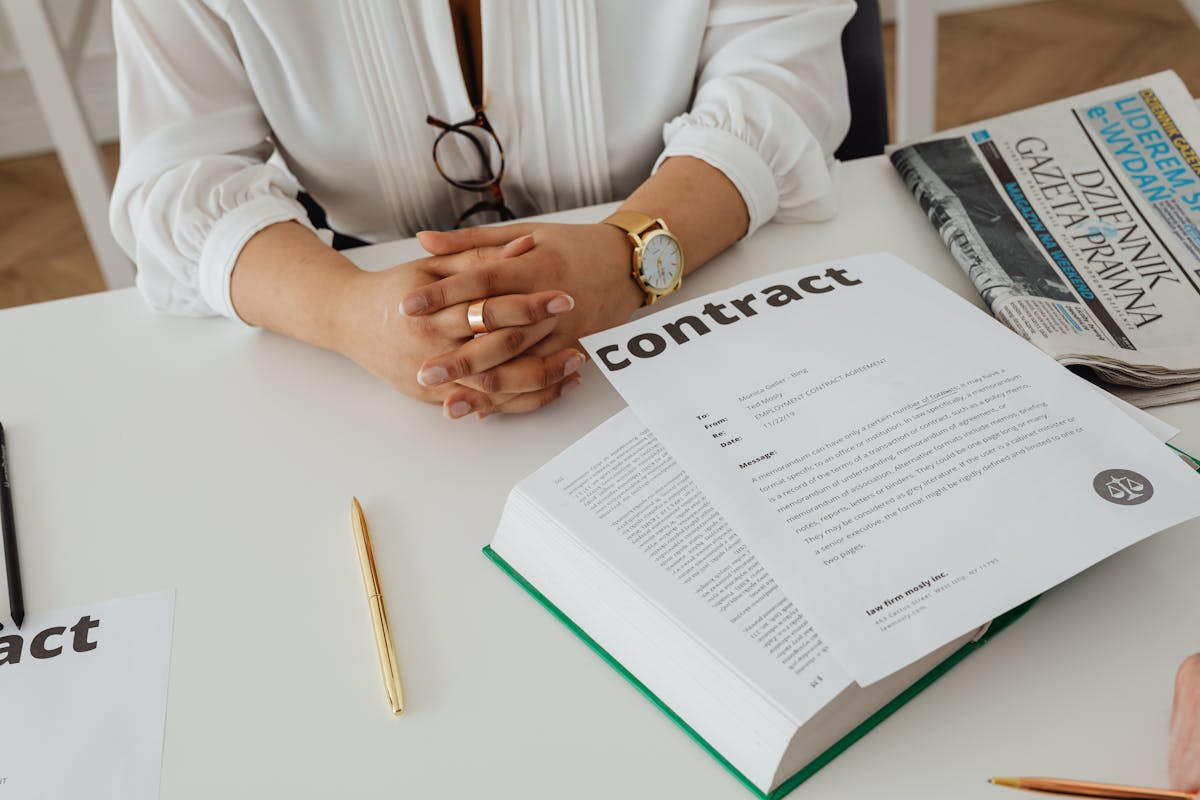
Photo by Karolina Grabowska / Pexels
Finding a New Real Estate Agent
After ending a relationship with one agent, you want to make sure your next choice is the right fit. Not all real estate agents are the same, and finding the right one can make all the difference. Here's how to find a better match:
Before You Sign
- Interview at least 3 agents before choosing
- Ask about their communication style and frequency
- Request references from recent clients
- Discuss their experience in your specific market
- Read the contract carefully before signing
- Negotiate contract terms (duration, termination)
Questions to Ask
- How quickly do you typically respond to calls/texts?
- How many active clients do you currently have?
- What's your approach to pricing/negotiating?
- Can I terminate the agreement if things don't work out?
- What does your marketing plan include?
- How do you handle situations when we disagree?
Find a Top-Rated Agent in Your Area
Connect with experienced, vetted agents who have proven track records in your local market.
Find Agents Near MeFrequently Asked Questions
Can I fire my real estate agent at any time?
Whether you can fire your real estate agent depends on your contract terms. Some listing agreements and buyer agency agreements include specific cancellation clauses. Review your contract's termination provisions, as some allow cancellation with written notice while others require mutual agreement or have penalties for early termination. Many agents will agree to a mutual release rather than continue an unhappy relationship.
What happens if I fire my realtor after they showed me a house I want to buy?
If you fire your agent and later buy a property they showed you, you may still owe them a commission. Most buyer agency agreements include a "procuring cause" or "protection period" clause that entitles them to compensation if you purchase a home they introduced you to within a certain timeframe, typically 90-180 days. Review your agreement carefully and consider avoiding those properties during the protection period.
Do I have to pay my real estate agent if I fire them?
Generally, you don't have to pay your agent if you fire them before a transaction closes, but there are exceptions. If you signed a listing agreement and then sell to someone your agent found, you may owe commission. Some contracts include cancellation fees or require reimbursement for marketing expenses. Review your contract for any financial obligations before terminating.
How do I fire my listing agent when selling my house?
To fire your listing agent: (1) Review your listing agreement for termination clauses, (2) Document any performance issues, (3) Have a direct conversation about ending the relationship, (4) Send a written termination request via certified mail, (5) Contact their broker if they refuse to cooperate, and (6) Get written confirmation that your listing has been removed from all marketing platforms.
Can I switch real estate agents in the middle of buying a house?
Yes, you can switch agents during the home buying process, but timing matters significantly. Before making an offer is the easiest time to switch—you can simply end the relationship and start fresh with a new agent. If you're already under contract on a specific property, changing agents becomes more complicated and may require the seller's approval to modify the purchase agreement. It's also important to consider any protection period clauses in your buyer agency agreement.
What if my agent refuses to let me out of the contract?
If your agent refuses to release you from your contract, escalate to their managing broker—brokers often facilitate releases to avoid disputes. If that doesn't work, you can file a complaint with your state's real estate commission, especially if your agent has breached their duties. Consulting a real estate attorney is advisable if significant money is at stake. Sometimes, waiting for the contract to expire naturally is the simplest solution.
The Bottom Line
Firing a real estate agent is never easy, but sometimes it's necessary to protect your interests. If your agent isn't doing a good job helping you buy or sell a home, you have the right to part ways with your agent. The key is to approach the process professionally, understand your contractual obligations, and document everything in writing.
Before terminating, try to resolve issues through communication—ask for regular updates from your agent and express your concerns clearly. If problems persist, review your contract for exclusivity terms, send formal written notice, and request a mutual release. A breach of contract by your agent (such as failing to market your home or respond to inquiries) can strengthen your case for termination.
Most importantly, learn from the experience. When you find your next agent to help you, don't sign anything until you've read the agreement carefully. Ask the right questions and negotiate terms that give you flexibility if things don't work out. Both buyers and sellers deserve an agent who puts their interests first.