How to Make a Cash Offer on a House
A step by step guide covering everything from proof of funds to closing day in 2026.
Making a cash offer on a house is simpler than a financed purchase. However, it still requires careful preparation and proper execution. Each step matters. Missing one can cost you thousands or derail the transaction entirely.
This guide walks you through every step of making a cash offer. From securing proof of funds to receiving the keys at closing, you will know exactly what to expect. We also cover common mistakes, negotiation strategies, and a complete timeline. For a broader overview, read our complete cash offer guide.
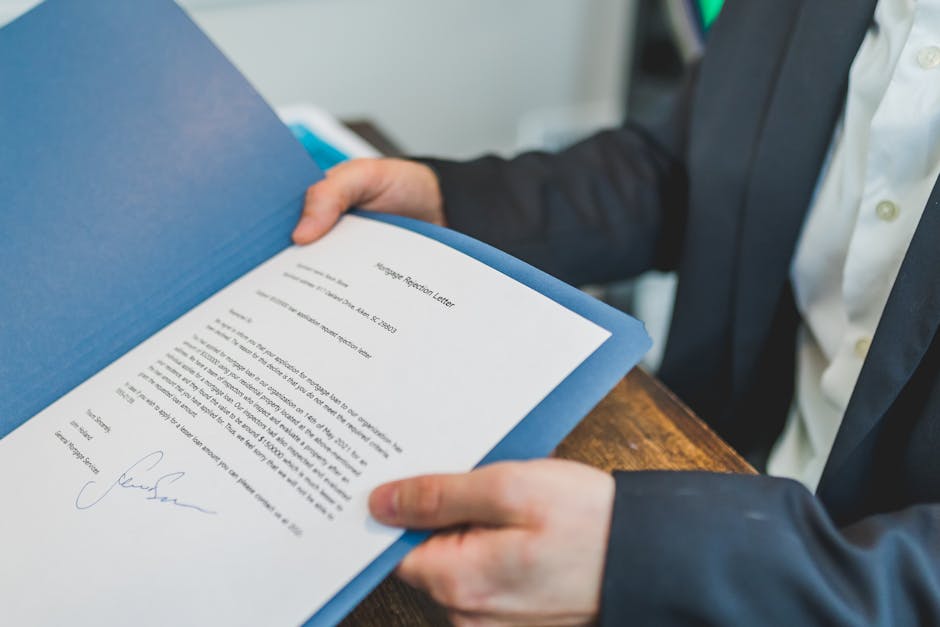
Before You Start: Financial Preparation
Before searching for homes, ensure your finances are fully organized. Cash buyers need more than just the purchase price on hand. You need closing costs, an emergency fund, and reserves for immediate home expenses.
Start by calculating your total budget. The purchase price is the largest component. Add 1% to 3% for closing costs. Keep at least three to six months of living expenses in a separate emergency fund. Budget an additional 1% of the home's value for immediate repairs or upgrades.
Meet with a financial advisor before committing to a cash purchase. They can analyze whether paying cash or financing makes more sense for your situation. Sometimes investing the cash and using a mortgage produces better long term returns. The right answer depends on your individual circumstances.
Review how much house you can actually afford comfortably. Spending all your liquid assets on a home creates financial risk. Maintain diversification in your investment portfolio. A home is a significant asset, but it should not be your only one.
1 Get Your Proof of Funds Letter
A proof of funds letter is the first document you need. This letter confirms you have enough money to purchase the property. Sellers and their agents require it before considering your offer seriously.
Contact your bank or financial institution to request one. Most banks can provide this letter within one to two business days. The letter should show your available balance meets or exceeds the purchase price plus closing costs.
Acceptable forms of proof of funds include a bank statement from the last 30 days. A signed letter from your bank on official letterhead also works. Investment account statements showing liquid, accessible funds qualify too. Retirement accounts generally do not count unless already liquidated.
Pro Tip: Get your proof of funds letter before you start house hunting. Having it ready shows sellers you are a serious and prepared buyer. Update it every 30 days to keep it current.
2 Hire a Real Estate Agent
Even with cash, a real estate agent provides tremendous value. They know the local market intimately. They identify properties that match your criteria, including off market opportunities. Their negotiation skills can save thousands off the purchase price.
Look for an agent who regularly handles cash transactions. Ask about their experience with cash closings specifically. An agent familiar with the cash process moves faster and anticipates potential issues. Learn how to find the right real estate agent for your needs.
Your agent manages the entire transaction process. They prepare and submit your offer. They coordinate with the seller's agent. They schedule inspections and communicate with the title company. They review all documents before you sign anything.
Ask the right questions when interviewing agents. How many cash transactions have they closed this year? What is their average negotiation savings for cash buyers? Do they have relationships with title companies that can close quickly?
3 Find the Right Property
Cash buyers have advantages during the property search. You can act fast when the right property appears. You can consider homes that need work, since you do not need lender approval of property condition. Some sellers even list properties as "cash only" for specific reasons.
Work with your agent to define clear search criteria. Location, size, condition, and price range narrow the field quickly. Tour properties that meet your requirements. Take notes and photographs during each visit.
Consider properties that financed buyers might avoid. Homes needing renovation often sell at significant discounts. Foreclosures and short sales sometimes require cash offers. These situations create opportunities for prepared cash buyers.
Research the neighborhoods thoroughly before making any offers. Drive through at different times of day. Check school ratings, crime statistics, and nearby development plans. Your agent provides comparable sales data that reveals fair market value.
4 Submit Your Cash Offer
Your offer is a legally binding document once accepted. Your real estate agent prepares the purchase agreement with all necessary terms. Understanding how to make an offer on a house helps you approach this step confidently.
The purchase agreement includes the offered price. It specifies that this is a cash transaction with no financing contingency. It outlines the proposed closing date, typically 7 to 14 days out. It includes your earnest money amount and any contingencies you want.
Attach your proof of funds letter to the offer. This immediately signals your seriousness and ability to close. Some buyers also include a personal letter explaining why they want the home. While not always effective, it can differentiate your offer.
Key Elements of a Cash Offer
5 Deposit Earnest Money
Once the seller accepts your offer, you deposit earnest money into an escrow account. This deposit demonstrates your commitment to completing the purchase. It is held by a neutral third party until closing.
Cash buyers typically deposit 1% to 3% of the purchase price. In competitive markets, offering a larger deposit strengthens your position. On a $400,000 home, expect to deposit $4,000 to $12,000 within three business days of acceptance.
The earnest money is not an additional cost. It gets credited toward your purchase price at closing. If you back out for a reason covered by your contingencies, you get it back. If you walk away without a valid contingency, the seller may keep it.
Wire the earnest money directly to the escrow or title company. Never send money directly to the seller or their agent. Verify the wire instructions by phone using a number you find independently. Wire fraud is real and costs buyers millions annually.
6 Inspections and Due Diligence
Skipping a home inspection to speed up closing is tempting but unwise. No lender requires one for cash purchases. But that does not mean you should skip this critical step. A thorough inspection reveals hidden problems that could cost thousands to repair.
Schedule the inspection within the first few days after offer acceptance. A qualified home inspector examines the foundation, roof, electrical, plumbing, and HVAC systems. The inspection typically costs $300 to $500 and takes two to three hours.
If the inspection reveals significant issues, you have options. Negotiate a lower price to account for repair costs. Ask the seller to complete repairs before closing. Or walk away if the problems are too severe. Your inspection contingency protects your earnest money in these situations.
Consider additional specialized inspections based on the property. Radon testing, pest inspections, and sewer line scans address specific risks. Older homes may need lead paint or asbestos assessments. These cost extra but provide valuable information.
You may also choose to get an appraisal even though no lender requires one. An independent appraisal confirms you are paying fair market value. The $300 to $500 cost provides confidence in your investment. Learn more about home appraisal costs and what to expect.
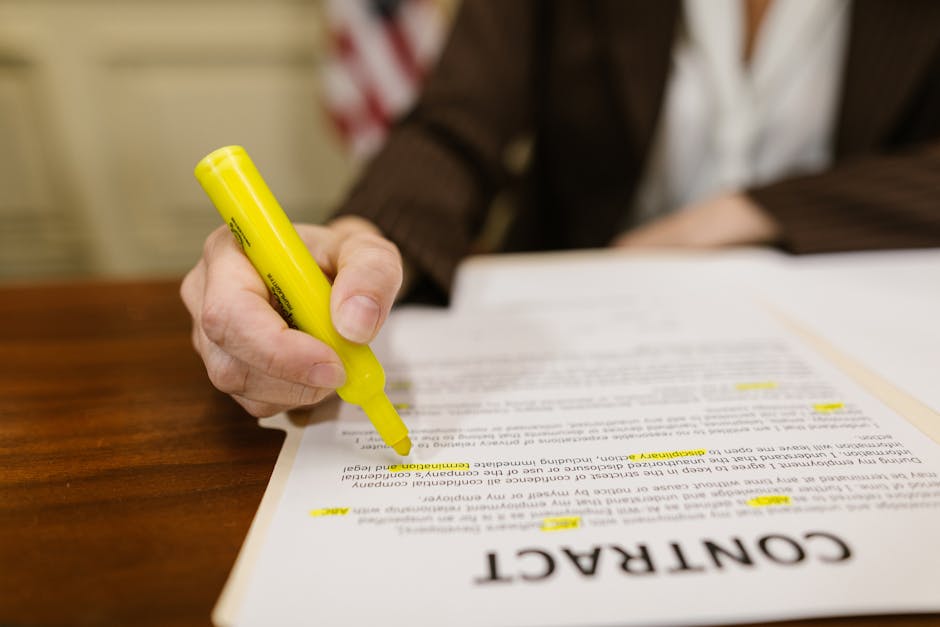
7 Title Search and Title Insurance
A title search examines the property's ownership history. The title company verifies the seller has legal right to sell. They check for outstanding liens, unpaid taxes, and legal disputes. This research protects you from inheriting someone else's problems.
The title search typically takes three to seven business days. Results reveal any issues that need resolution before closing. Common problems include unpaid contractor liens, tax liens, and boundary disputes. Most issues can be resolved, though some may delay closing.
Title insurance is separate from the title search. It protects against undiscovered issues that the search missed. Forged documents, unknown heirs, and recording errors can surface years later. A one time premium at closing provides lifelong protection.
Cash buyers should always purchase owner's title insurance. Without a lender requiring it, the decision is yours. The cost typically runs 0.5% to 1% of the purchase price. This is one expense you should never skip to save money.
Closing Day: What to Expect
Closing day for a cash purchase is straightforward. The meeting typically lasts 30 to 60 minutes. You will sign fewer documents than a financed buyer. No mortgage paperwork means a faster, simpler process.
Before closing, conduct a final walkthrough of the property. Verify the home is in the condition specified in your contract. Check that any agreed upon repairs are complete. Confirm all fixtures and appliances remain as agreed.
At the closing table, you will sign the deed, bill of sale, and closing disclosure. Wire the remaining purchase funds to the title company. The title company records the deed with the county. You receive the keys to your new home.
Final walkthrough completed the day before or morning of closing.
Wire funds sent to the title company before or at closing.
Sign closing documents including deed and closing disclosure.
Receive the keys and take ownership of your new home.
Complete Cash Offer Timeline
Here is a typical timeline for a cash home purchase. Each phase can overlap to speed up the process. Well organized transactions can close in as few as seven days.
| Phase | Timeline | Key Activities |
|---|---|---|
| Preparation | 1 to 3 days | Proof of funds letter, hire agent |
| Property Search | Varies | Tours, research, comparables |
| Offer Submission | 1 day | Write and submit offer |
| Negotiation | 1 to 3 days | Counter offers, final agreement |
| Earnest Money | 1 to 3 days | Wire deposit to escrow |
| Inspection | 3 to 5 days | Home inspection and negotiations |
| Title Search | 3 to 7 days | Ownership verification, lien check |
| Closing | Day 7 to 14 | Sign documents, wire funds, get keys |
Common Mistakes Cash Buyers Make
Cash buyers sometimes make avoidable mistakes that cost money or create legal issues. Being aware of these pitfalls protects your investment. Experienced real estate agents help you avoid each of these common errors.
Skipping the home inspection is the most common mistake. Cash buyers feel pressure to close fast. An inspection adds a few days but could save tens of thousands. Never waive this step to appear more competitive.
Not getting title insurance leaves you vulnerable. Hidden liens and ownership claims can appear years after closing. The one time cost is small compared to losing your property. Always purchase an owner's title policy.
Overpaying because you have cash happens more than you think. Having the funds does not mean you should pay above market value. Your real estate agent provides comparable sales data. Use market analysis to determine a fair price.
Draining all liquid assets creates financial vulnerability. Keep reserves for emergencies, repairs, and unexpected expenses. Financial advisors recommend maintaining at least six months of expenses. A home is illiquid and cannot cover sudden costs.
Working without a real estate agent to save on commission often backfires. Agents routinely negotiate savings that exceed their fees. They also prevent costly legal and contractual mistakes. The value they provide typically far outweighs their cost.
Negotiation Tips for Cash Buyers
Cash buyers hold significant negotiation leverage. Sellers value the certainty and speed you bring. Use that advantage strategically without overplaying your hand. Your real estate agent guides the negotiation process.
Lead with proof of funds. Attach your proof of funds letter to every offer. This immediately differentiates you from financed buyers. It signals that your offer will not fall through due to financing issues.
Offer a quick closing date. Speed is one of your biggest advantages. A 10 day closing appeals to sellers who need to move fast. Align your proposed timeline with the seller's needs.
Negotiate on price, not just speed. Cash offers often justify a 1% to 5% discount. The seller saves time and avoids financing uncertainty. Frame your lower offer as a net positive for the seller.
Reduce contingencies strategically. Consider waiving the appraisal contingency since no lender requires one. Keep the inspection contingency to protect yourself. Fewer contingencies make your offer more attractive.
Know when the seller is motivated. Properties that have been on market for 60 plus days signal motivation. Estate sales, divorce situations, and relocations create urgency. These sellers are more likely to accept lower cash offers.
For a detailed comparison of your negotiation position versus financed buyers, read our cash offer vs financed offer guide.
Documents Needed for a Cash Purchase
Organizing your documents in advance prevents delays. Cash purchases require fewer documents than financed purchases. Having everything ready demonstrates professionalism and speeds up the closing process.
Proof of funds letter from your bank dated within 30 days.
Government issued photo ID such as driver's license or passport.
Recent bank statements showing available funds balance.
Signed purchase agreement with all terms and conditions.
Earnest money wire receipt confirming deposit into escrow.
Home inspection report with findings and recommendations.
Title search results and title insurance commitment.
Homeowners insurance proof for the new property.
Frequently Asked Questions
How do you make a cash offer on a house?
Get a proof of funds letter, hire a real estate agent, find a property, and submit a written offer. Include your proof of funds and specify that no financing contingency is needed.
What documents do you need for a cash offer?
You need a proof of funds letter, photo ID, bank statements, and a signed purchase agreement. At closing, you will also need wire transfer confirmation and homeowners insurance.
Do you need an inspection for a cash purchase?
It is not legally required but strongly recommended. The $300 to $500 cost is minimal compared to discovering major problems after you own the property.
How long does a cash offer take to close?
Most cash transactions close in 7 to 14 days. Some close in as few as 5 business days. The timeline depends on title search completion and inspection scheduling.
How much earnest money should a cash buyer put down?
Typically 1% to 3% of the purchase price. In competitive markets, a larger deposit shows stronger commitment. This amount is credited toward your purchase at closing.
Ready to Make a Cash Offer?
Find a top performing real estate agent experienced with cash transactions in your area. Our matching service is free with no obligation.
Find My AgentYour Next Steps
Making a cash offer on a house follows a clear process. Preparation is the key to success. Get your proof of funds ready, hire a skilled real estate agent, and approach each step methodically.
For the complete overview of cash transactions, visit our cash offer on a house guide. Compare your options in our cash vs financed offer comparison. If you need help funding a cash offer, explore cash offer companies that can assist.
Browse our complete library of real estate resources for expert guidance on every aspect of buying a home.