How to Win a Bidding War on a House
9 proven strategies to make your offer stand out and secure your dream home in a competitive market.
Finding your dream home is exciting. Then you learn three other buyers want it too. A house bidding war can feel overwhelming, but the right strategy gives you a real edge when you bid on a house. Buyers who prepare before they make an offer win more often than those who scramble at the last minute.
In the 2026 housing market, low inventory in many areas means multiple offer situations remain common. A real estate bidding war typically starts after an open house draws heavy traffic or when a listing hits the market at an attractive price point. According to the National Association of Realtors, homes in competitive markets receive an average of 3.5 offers before going under contract. Whether you want to buy a house for the first time or are an experienced purchaser, these nine strategies can help you submit the best offer and come out on top.
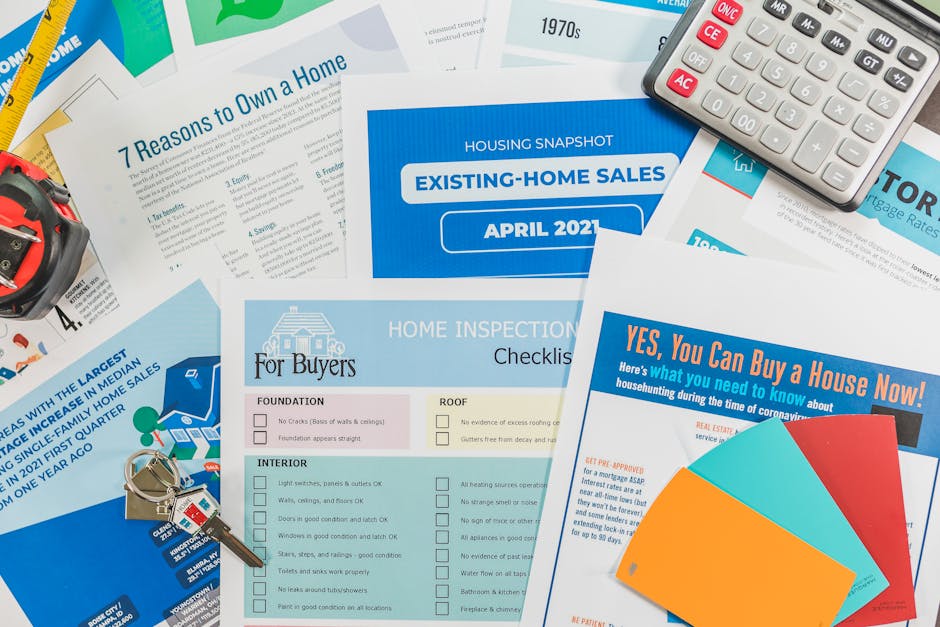
What Is a Bidding War in Real Estate?
A bidding war happens when multiple buyers submit competing offers on the same property. The seller then chooses the strongest offer based on price, terms, and conditions. This situation typically occurs in a seller's market where demand outpaces the available housing supply. Attractive properties that are priced well can start a bidding war within hours of listing.
Multiple offer scenarios create pressure for buyers to act quickly and decisively. It's easy to get swept up in the excitement and emotion. The listing agent often sets a deadline for all offers, and the seller reviews them simultaneously. Understanding how this process works puts you in a stronger position whether this is your first home purchase or your fifth.
Not every bidding war is about the highest price or the higher bid. Sellers weigh several factors when evaluating offers, and the seller accepts based on the complete package. These include the buyer's financial strength, appraisal contingencies and other conditions, closing timeline, and overall terms of the purchase agreement. A lower first offer with fewer complications sometimes beats a higher one that carries more risk.
If you are considering selling your home, understanding how to price your home strategically can also attract strong offers. The reverse perspective matters because buyers who understand seller psychology craft better bids. Knowing whether you can afford to buy a house at a competitive price is the foundation of any successful bidding strategy.
Strategy 1: Get Pre-Approved Before You Shop
A mortgage pre-approval letter tells sellers you are a serious buyer with verified financial backing. This is not the same as pre-qualification. Pre-approval means a lender has reviewed your credit score, income, assets, and debt to confirm your borrowing capacity.
In a bidding war, sellers want certainty. An offer from a pre-approved buyer carries far less risk than one from someone who has not secured financing. Your lender confirms the exact loan amount you qualify for, which removes a major source of uncertainty from the transaction.
Contact your mortgage lender before you start house hunting. Ask them to underwrite your loan in advance if possible. Some lenders offer fully underwritten pre-approvals that are even stronger than standard pre-approval letters. This tells the seller that your financing is essentially guaranteed, pending only the property appraisal.
Pro Tip
Ask your lender for a pre-approval letter that specifies the property address. A targeted letter shows the seller you are committed to their specific home, not sending generic offers to multiple properties.
Strategy 2: Work With an Experienced Real Estate Agent
An experienced real estate agent who knows the local market is your strongest asset in a bidding war. Top estate agents understand what the seller wants and how to structure an offer that stands out from competing bids. The seller may prefer certain terms that only an experienced agent would know to include.
Your agent can call the listing agent directly to learn what matters most to the seller. Sometimes the seller prioritizes a fast closing. Other times they need extra time to move out. This intelligence shapes your offer strategy and gives you an advantage over buyers who submit generic bids.
A skilled agent also brings negotiation expertise to the table. They know when to recommend aggressive tactics and when to pull back. Their knowledge of recent comparable sales in the area helps you determine a competitive price without overpaying. When you interview potential agents, ask about their experience with multiple offer situations.

Strategy 3: Offer Above Asking Price
In a competitive market, offering the list price rarely wins. Your real estate agent should run a comparative market analysis to determine fair market value based on recent sales of similar homes in the neighborhood. If the home is priced below market value to attract multiple offers, your bid needs to reflect actual worth.
Be strategic about how much above asking to go. Offering significantly more than comparable sales support creates risk. If the home appraises below your offer price, you may need to cover the difference between the appraised value and your purchase price with additional cash. This is called an appraisal gap.
Consider including an appraisal gap guarantee in your offer. This states that you will pay up to a specific amount above the appraised value. For example, you might guarantee $15,000 above appraisal. This protects the seller from deal collapse if the appraisal comes in low while limiting your exposure.
Strategy 4: Use an Escalation Clause
An escalation clause automatically raises your offer by a set increment above competing bids, up to a maximum cap. This tool helps you stay competitive without guessing what others will offer.
Here is how it works in practice. You submit an offer of $350,000 with an escalation clause that raises your bid by $3,000 above any verified competing offer, up to a maximum of $380,000. If another buyer offers $355,000, your offer automatically escalates to $358,000.
The listing agent must provide proof of the competing offer that triggered your escalation. This prevents manipulation and protects your interests. Set your maximum cap at a price you are truly comfortable paying. Once you reach that ceiling, you need to be prepared to walk away if bidding exceeds your budget.
Escalation Clause Example
Base Offer
$350,000
Escalation Increment
$3,000
Maximum Cap
$380,000
Competing Offer
$355,000
Your final price: $358,000 ($3,000 above competing offer)
Strategy 5: Increase Your Earnest Money Deposit
Earnest money signals how serious you are about purchasing the home. While typical deposits range from 1% to 3% of the purchase price, offering more demonstrates strong commitment. In a bidding war, a larger deposit tells the seller you are unlikely to back out.
Consider offering 3% to 5% of the purchase price as your earnest money deposit. On a $400,000 home, this means $12,000 to $20,000 rather than the standard $4,000 to $8,000. The deposit typically goes into an escrow account and applies toward your down payment at closing.
Remember that earnest money is protected by contingencies in your purchase agreement. If you include an inspection contingency or financing contingency, you can still get your deposit back if those conditions are not met. Review the terms carefully with your real estate agent to understand exactly when your deposit becomes non-refundable.
Strategy 6: Minimize Contingencies Strategically
Every contingency in your offer gives you an exit route. Sellers see each one as a potential reason the deal might fall apart. Reducing or modifying your contingencies makes your offer cleaner and more attractive. However, removing protections carries real risk.
Rather than waiving the home inspection entirely, consider shortening the inspection period from 10 days to 5 days. Another approach is offering an informational inspection only. This means you conduct the inspection to identify major issues but agree not to request repairs or credits. You retain the right to walk away if something catastrophic appears.
If your financing is solid, you might shorten or waive the financing contingency. Only do this with your lender's confirmation that your loan approval is virtually certain. Waiving the appraisal contingency is another common tactic, but it requires you to have cash reserves to cover any gap between appraised value and purchase price.
Important Warning
Never waive contingencies without understanding the financial risk. Skipping the home inspection could mean inheriting $50,000 or more in hidden structural problems. Always consult your real estate agent and lender before removing any protections.

Strategy 7: Offer a Flexible Closing Timeline
Sellers often have specific timeline needs. Some want to close quickly to avoid carrying two mortgage payments. Others need extra time to find and purchase their next home. Your real estate agent should ask the listing agent about the seller's preferred timeline.
A standard closing timeline runs 30 to 45 days. You can gain an advantage by offering to accommodate whatever schedule works best for the seller. A rent-back agreement allows the seller to stay in the home for a set period after closing. This removes pressure from their side and makes your offer more appealing.
Being flexible with the closing date costs you nothing but can mean everything to a seller who is coordinating a move. This simple gesture often tips the scale in your favor when competing offers are otherwise similar in price and terms.
Strategy 8: Consider a Cash Offer
A cash offer eliminates the biggest risk factor in any real estate transaction: financing falling through. Sellers prefer cash because it removes the appraisal requirement, speeds up the closing process, and virtually guarantees the deal will close.
If you have the funds available, a cash offer gives you a significant competitive advantage. But what if you do not have enough cash to buy outright? Some programs and services allow buyers to make cash-backed offers. These bridge programs purchase the home on your behalf in cash, then you buy it from them with traditional financing.
Understanding the difference between a cash offer and financed offer helps you decide the right approach. Cash offers often win even at a lower price because sellers value the certainty. In fact, data shows that sellers accept cash offers approximately 4% below what they would take from a financed buyer.
Strategy 9: Write a Compelling Offer Letter
While not always appropriate, a personal letter to the seller can create an emotional connection that numbers alone cannot achieve. Share why you love the home and what it would mean to your family. Be genuine and specific about details that caught your attention.
Keep the letter brief and focused. Mention how you plan to care for the property and appreciate the features that matter to you. Avoid discussing protected characteristics like race, religion, or family status, as Fair Housing laws apply to all aspects of a real estate transaction.
Note that some listing agents discourage buyer letters due to fair housing concerns. Check with your real estate agent before writing one. In states where buyer letters are accepted, a well-crafted message can differentiate your offer when multiple bids are otherwise identical.
Common Bidding War Mistakes to Avoid
Emotions run high during a bidding war. Buyers sometimes make decisions that create serious financial problems. Avoid these common mistakes to protect yourself while remaining competitive.
Exceeding Your Budget
Set a firm maximum price before the bidding starts and stick to it. An extra $10,000 on your purchase price translates to roughly $60 more per month on a 30-year mortgage. That adds up over the life of the loan.
Waiving All Contingencies
Removing every protection to win can backfire. A home with hidden foundation damage, mold, or electrical issues could cost tens of thousands in repairs. Modify contingencies rather than eliminating them entirely.
Skipping the Comparable Sales Analysis
Bidding without knowing the home's true market value is gambling. Your agent should provide a thorough comparative market analysis so you know the fair price range before submitting your offer.
Slow Response Time
Bidding wars move fast. If the listing agent sets a deadline, missing it means your offer will not be considered. Have your pre-approval, earnest money, and proof of funds ready to submit immediately.
Bidding War Strategies Comparison
| Strategy | Effectiveness | Risk Level | Cost |
|---|---|---|---|
| Pre-approval letter | High | None | Free |
| Experienced real estate agent | High | None | Agent commission |
| Above asking offer | High | Medium | Varies by market |
| Escalation clause | High | Medium | Up to your max cap |
| Larger earnest money | Medium | Low | Applied to purchase |
| Minimize contingencies | High | High | Potential repair costs |
| Flexible closing date | Medium | None | Free |
| Cash offer | Very High | Low | Full purchase price |
| Personal letter | Low-Med | None | Free |
Need Help Winning a Bidding War?
A skilled real estate agent can make the difference between winning and losing in a competitive market. Connect with a top agent in your area who knows how to navigate multiple offer situations.
Find My Agent
Frequently Asked Questions
How do you win a bidding war on a house?
To win a bidding war, get pre-approved for a mortgage before making an offer, work with an experienced real estate agent who knows the local market, offer above asking price when justified by comparable sales, minimize contingencies where possible, and write a competitive earnest money deposit. An escalation clause can also help your offer automatically outbid competitors up to your maximum price.
Should I waive the home inspection to win a bidding war?
Waiving the home inspection contingency is risky but common in competitive markets. A safer alternative is to shorten the inspection period or offer an inspection for informational purposes only, meaning you agree not to ask for repairs. This protects you from major hidden issues while making your offer more attractive to sellers.
How much over asking price should I offer in a bidding war?
There is no universal rule for how much over asking price to offer. Your real estate agent should analyze recent comparable sales to determine fair market value. In hot markets, winning offers typically range from 1% to 10% over asking price. Use an escalation clause to automatically increase your offer in set increments up to a maximum you are comfortable paying.
What is an escalation clause in a bidding war?
An escalation clause is a provision in your purchase offer that automatically increases your bid by a set amount above competing offers, up to a maximum price you specify. For example, you might offer $350,000 with an escalation clause that increases your bid by $3,000 above any competing offer, up to a maximum of $380,000.
Do cash offers always win bidding wars?
Cash offers do not always win bidding wars, but they carry significant advantages. Sellers prefer cash offers because they eliminate financing risk, skip the appraisal requirement, and typically close faster. However, a well-structured financed offer with strong pre-approval, higher price, and flexible terms can still beat a lower cash offer.
Making Your Best Move in a Bidding War
Winning a bidding war requires preparation, strategy, and the right professional guidance. These tips on how to win a bidding war start with securing your financing through a strong pre-approval and partnering with an agent who has a proven track record in competitive markets. When you are ready to buy, know your maximum budget before the bidding starts and stick to it regardless of how intense the competition gets.
Rising home prices and limited inventory mean home buyers need to bid on homes and win with smart strategies rather than simply throwing money at the problem. When you show sellers that your offer is solid, well-funded, and flexible, you stand out even without the highest bid. The 2026 market has seen home sales pick up in many regions, creating more bidding wars as demand outpaces supply.
Remember that losing a bidding war is not a failure. Overpaying or waiving critical protections can create bigger problems than losing the house entirely. If you cannot afford to buy at the inflated bidding war price, walking away protects your finances. Sometimes you need to bid higher to win, but never beyond what the comparable sales support. The right home at the right sale price will come along. Your real estate agent should help you evaluate each opportunity objectively and craft offers that balance competitiveness with financial prudence.
For more guidance on the home buying process, read our complete home buying process guide and learn how to make a strong offer in any market condition. Understanding the closing process ahead of time also helps you move faster when you do win the bidding war.