Expert Moving Tips
Professional strategies for a smooth, stress-free relocation
Last Updated: February 2026
Moving doesn't have to be a nightmare. With the right strategies, you can transform what's often called one of life's most stressful events into a manageable, even satisfying experience. These expert moving tips—gathered from professional movers, organizing specialists, and people who've done it dozens of times—will help you pack smarter, spend less, and actually enjoy the process of starting fresh in a new home.
Whether you're moving for the first time or the tenth, these proven techniques will save you hours of work and hundreds of dollars.
Moving Guide Series
- ← The Ultimate Moving Checklist (Start Here)
- ← Moving Out of State Checklist
- ← Apartment Move-In Checklist
- You're reading: Expert Moving Tips
Planning and Organization Tips
The secret to a stress-free move isn't superhuman energy—it's smart planning. These organizational strategies set you up for success.
Start Earlier Than You Think You Need To
Professional organizers recommend starting 8 weeks before your move date, not the 2-3 weeks most people allow. This extra time lets you:
- Declutter without panic decisions you'll regret
- Compare movers and get better rates
- Handle unexpected complications without derailing everything
- Pack gradually instead of marathon sessions
Create a Moving Binder or Digital Folder
Keep everything in one place:
- Moving company contracts and estimates
- Inventory lists (box numbers and contents)
- Important documents (lease, closing papers, etc.)
- Receipts for moving expenses (may be tax-deductible)
- Contact information for movers, landlords, utility companies
- To-do checklists organized by timeline
Pro Tip: Take photos of your home before packing. You'll have a visual record of where things go in case you need to set up the same way, and it's useful for insurance if anything gets damaged.
Use the "Four Box" Decluttering Method
Go through each room with four boxes labeled:
- Keep — Things you definitely want in your new home
- Donate — Good condition items to give away
- Sell — Items worth the effort to sell
- Trash — Broken, worn out, or worthless items
The rule: If you haven't used it in a year and it has no sentimental value, it goes in one of the last three boxes.
Map Out Your New Space
- Measure rooms in your new home before moving
- Create a floor plan showing where large furniture will go
- Label rooms in the new home to match your box labels
- Photograph doorways and stairways to ensure furniture fits
Expert Packing Tips
How you pack is just as important as what you pack. These techniques save time, protect your belongings, and make unpacking infinitely easier.
The "One Room at a Time" Rule
Never pack from multiple rooms simultaneously. Complete one room entirely before moving to the next. This keeps your space organized, makes it easier to find things you still need, and ensures boxes from the same room stay together.
Pack an "Open First" Box
This box travels with you (not on the truck) and contains everything you need for the first 24-48 hours:
- Toiletries: toothbrush, soap, shampoo, medications
- Change of clothes for everyone
- Phone chargers and power banks
- Basic tools: screwdriver, pliers, utility knife
- Toilet paper and paper towels
- Snacks and bottled water
- Sheets, pillows, and towels
- Pet supplies if applicable
- Kids' comfort items: favorite toys, blankets
The "Heavy Bottom, Light Top" Principle
Every box should be packed with the heaviest items on the bottom:
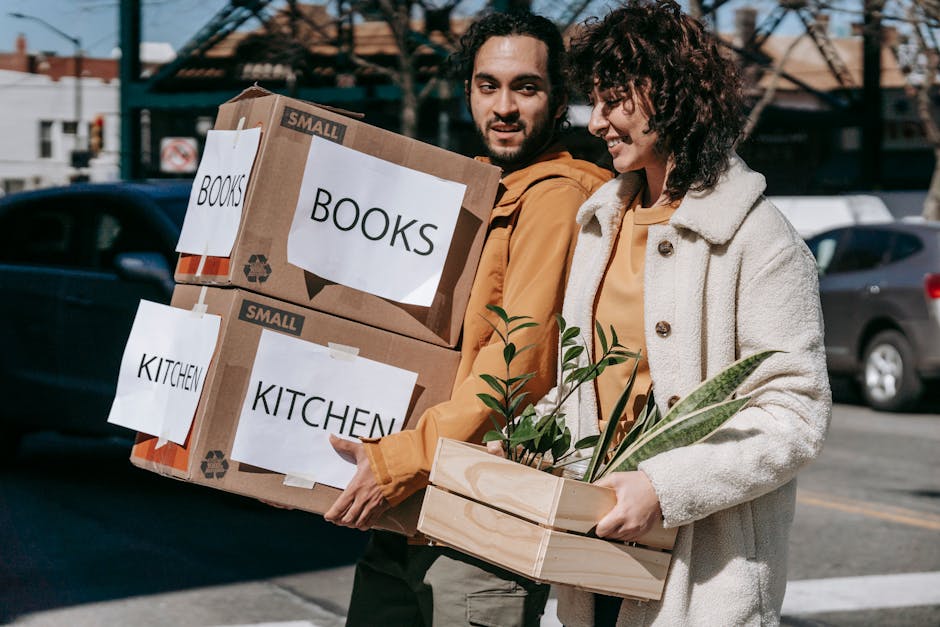
- Books go in small boxes (never large—they become unliftable)
- Small boxes = heavy items (books, canned goods, tools)
- Medium boxes = general items (kitchen supplies, toys)
- Large boxes = lightweight items (pillows, linens, lampshades)

Kitchen Packing Secrets
The kitchen is usually the hardest room. Make it easier with these tips:
- Pack plates vertically (like records)—they're less likely to break
- Nest pots and pans with paper between them
- Keep knife blocks intact—secure blades with rubber bands
- Use socks to wrap glasses—cheap and effective padding
- Leave silverware in the tray—wrap the whole thing in plastic wrap
- Pack spices in a Ziploc bag inside a box (in case they leak)
- Use dish towels and oven mitts as padding—they're going anyway
Genius Labeling System
Skip the marker-only approach. Use this system:
- Color code rooms: Put colored stickers or tape on boxes (red=kitchen, blue=bedroom, etc.)
- Number every box and keep a master inventory
- Label on the side, not the top (so you can read stacked boxes)
- Mark "fragile" boxes on all sides
- Write the destination room clearly for movers
- Add "open first" to priority boxes
Wardrobe Packing Hacks
- Use garbage bags as garment bags: Cut a hole in the bottom, slip over a group of hangers
- Keep clothes on hangers—wardrobe boxes are worth it
- Roll casual clothes instead of folding (saves space, reduces wrinkles)
- Pack shoes in their original boxes or stuff with socks
- Use dresser drawers for soft items—no need to empty them for local moves
Money-Saving Strategies
Moving is expensive, but smart planning can save you hundreds—even thousands—of dollars.
Choose the Right Moving Date
- Move mid-month: Month-end is busiest (lease cycles), so rates are higher
- Move mid-week: Tuesday through Thursday is cheapest
- Avoid summer: May-September is peak season with premium pricing
- Winter moves: Cheapest rates, but weather risks
Potential Savings by Moving Date
- Peak season (summer weekend, month-end): Full price + potential surge
- Off-peak weekday (mid-week, mid-month): 10-20% savings
- Winter off-peak: 20-40% savings
Free Packing Supplies
Never pay full price for boxes:
- Grocery stores: Ask for banana boxes (sturdy with handles)
- Liquor stores: Wine boxes with dividers are perfect for glasses
- Bookstores: Often have small, sturdy boxes
- Nextdoor and Facebook: Post asking for boxes—people give them away
- Buy Nothing groups: Great source for free moving supplies
- Craigslist Free section: Check regularly as your move approaches
- Office buildings: Ask custodians about paper box recycling
DIY vs. Full-Service: Finding the Sweet Spot
You don't have to choose all or nothing:
- Pack yourself, hire movers for loading/transport: Saves 20-40%
- Use a moving container: You pack and load, they transport
- Hire movers for heavy items only: Move boxes yourself, pay pros for furniture
- Ask about backload deals: Movers returning from a job may offer discounts
Tax Deductions and Reimbursements
- Keep all receipts: Moving expenses, supplies, mileage
- Check employer relocation packages: Many cover partial or full moving costs
- Document everything: Mileage logs, dated receipts, contracts
Moving Day Tips
The big day has arrived. These tips keep everything running smoothly.
Morning Prep
- Wake up early—movers typically arrive between 8-10 AM
- Eat a good breakfast—you'll need the energy
- Dress in layers with closed-toe shoes
- Keep your phone charged—you'll use it constantly
- Have cash ready for tips and unexpected needs
Working with Movers
- Do a walkthrough first: Show them fragile items and anything needing special care
- Be present but not hovering: Let them work, but be available for questions
- Offer water and snacks: Movers appreciate it and it builds goodwill
- Point out path hazards: Stairs, low ceilings, tight turns
- Supervise loading order: Heavy items first, fragile items accessible
Before Leaving Your Old Home
- Final walkthrough: Check every closet, cabinet, drawer, and storage area
- Check the attic, basement, and garage
- Look under decks and porches
- Check the mailbox one last time
- Take final photos documenting the condition
- Turn off lights and appliances
- Lock all doors and windows
- Leave keys as arranged
Don't Forget: People commonly leave behind items in the refrigerator (especially the freezer), bathroom cabinets, attic, and the garage. Make checking these spots part of your final walkthrough.
At Your New Home
- Arrive before the movers if possible
- Check that utilities are working
- Put down floor protection in high-traffic areas
- Label rooms to match your box labels
- Direct traffic—tell movers exactly where to put things
- Check items for damage as they're unloaded
- Note any damage on the inventory before signing

Unpacking Tips
Resist the urge to unpack everything at once. Strategic unpacking gets you functional faster.
Priority Order
- Beds and bedding: You'll need sleep tonight
- Bathroom essentials: Towels, toiletries, toilet paper
- Kitchen basics: Enough to make coffee and simple meals
- Kids' rooms: If applicable, get them settled to reduce chaos
- Living room basics: Seating, TV, essential comfort items
- Everything else: Take your time with decorating and organizing
The "One Room at a Time" Rule (Again)
Just like packing, complete one room before starting another. Living with some unpacked boxes is fine—living in chaos across every room is exhausting.
Break Down Boxes Immediately
- Flatten boxes as you empty them
- Designate a box staging area
- Save a few boxes for returns or future use
- Recycle or give away the rest—clutter builds fast
Don't Rush Organizing
You don't have to find the perfect spot for everything immediately. Use the "two-week rule": if you haven't found a permanent home for something after two weeks, that's when you need to decide.
Moving Special Items
Some items require extra care or special handling. Here's how to move them safely.
Electronics
- Use original packaging if you kept it
- Take photos of cable connections before unplugging
- Bundle cables with twist ties and label them
- Wrap TVs in moving blankets—not bubble wrap (static)
- Transport computers yourself if possible
- Back up all data before the move
Plants
- Water a few days before—not the night before (too wet and heavy)
- Repot in plastic if in heavy ceramic pots
- Wrap pots in plastic bags to contain soil spills
- Transport plants yourself—movers often won't take them
- Check interstate regulations—some states restrict certain plants
Artwork and Mirrors
- Use picture boxes or mirror boxes (adjustable, double-walled)
- Create custom cardboard protection for odd sizes
- Tape an X on glass with masking tape (contains shards if it breaks)
- Mark "GLASS - THIS SIDE UP" on all sides
- Transport vertically, never flat
Valuables
- Jewelry: Take with you personally—never put on the truck
- Important documents: Keep in a fireproof folder with you
- Cash and financial documents: Transport yourself
- Sentimental irreplaceables: Photos, heirlooms—carry these
Pets
- Keep pets away from chaos on moving day (board or with a friend)
- Update tags and microchip with new address
- Pack a pet kit: food, water, bowls, leash, carrier, medications
- Keep routine as normal as possible
- Introduce to new home gradually—one room at a time
Common Moving Mistakes to Avoid
Learn from others' mistakes so you don't repeat them.
Planning Mistakes
- Waiting too long to book movers—book 6-8 weeks ahead minimum
- Not getting everything in writing—verbal agreements aren't enough
- Underestimating time needed—packing takes longer than you think
- Forgetting to update address with important services
- Not researching movers—check reviews and verify credentials
Packing Mistakes
- Using boxes that are too big for heavy items—they'll break or be unliftable
- Not labeling boxes clearly—you'll waste hours searching
- Packing items you should discard—why move trash?
- Forgetting the essentials box—scrambling for toilet paper at midnight
- Not taking photos before packing electronics
Moving Day Mistakes
- Not being present or available—movers need guidance
- Forgetting to tip movers—standard is 15-20% or $20-50 per mover
- Signing inventory without checking for damage
- Leaving without a final walkthrough—things get left behind
- Not having cash for tips and emergencies
New Home Mistakes
- Trying to unpack everything at once—prioritize and pace yourself
- Not documenting condition for rentals—do this before unpacking
- Forgetting to change locks—previous tenants may have copies
- Ignoring safety checks—smoke detectors, fire extinguisher location
Frequently Asked Questions
How many boxes do I need for moving?
A rough estimate is 10 boxes per room. For a 2-bedroom apartment, plan for 30-40 boxes; a 3-bedroom house might need 50-80+ boxes. Get a mix of sizes: about 30% small boxes (for heavy items), 50% medium boxes (general items), and 20% large boxes (lightweight bulky items). It's better to have extras than to run out.
What's the best way to pack fragile items?
Wrap each fragile item individually in packing paper, then add bubble wrap for extra protection. Never let fragile items touch each other. Line boxes with crumpled paper on the bottom, sides, and top. Fill all empty space so items can't shift. Pack plates vertically (like records), and wrap glasses with socks or packing paper. Mark boxes "FRAGILE" on all sides.
How do I move heavy furniture by myself?
Use furniture sliders under legs to slide heavy pieces across floors. For stairs, use a moving dolly or hand truck strapped securely. Remove drawers and detachable parts to reduce weight. Consider furniture lifting straps that use leverage. For very heavy items, it's worth hiring help—a back injury costs more than movers.
How long does it take to pack up a house?
For a DIY pack, plan 1-2 weeks for an apartment and 2-4 weeks for a house, packing a few hours each day. Professional packers can do an entire house in 1-2 days. The time depends on how much stuff you have, how organized you are, and how many people are helping. Start with rarely-used rooms and work toward daily-use areas.
Should I hire movers or do it myself?
Consider hiring movers if: you have heavy furniture, limited help, physical limitations, long distance, or valuable time (calculate your hourly rate vs. mover cost). DIY makes sense if: you have few belongings, plenty of help, short distance, flexible timeline, and tight budget. Many people find a hybrid approach works best—pack yourself, hire movers just for loading and transport.
How do I keep kids occupied on moving day?
The best approach is to have kids stay elsewhere during the main move if possible—with family, friends, or at a fun activity. If they must be present, pack a special activity bag with tablets, games, snacks, and comfort items. Give older kids age-appropriate jobs to make them feel included. Set up a "kid zone" away from foot traffic with their favorite things accessible.
Related Moving Guides
The Ultimate Moving Checklist
Complete 8-week timeline covering every aspect of your move.
Moving Out of State Checklist
Special considerations for interstate relocations.
Apartment Move-In Checklist
Protect your deposit with this inspection and documentation guide.
Find a Real Estate Agent
Connect with top-rated agents to help you buy or sell.
Ready to Find Your Next Home?
Whether you're moving across town or across the country, the right real estate agent makes the process smoother. Our matching service connects you with experienced local agents who know the market.
Find Your Agent →