Open House Checklist for Buyers
A complete checklist to help you evaluate every home, spot red flags, and make an informed decision before submitting an offer.
Attending an open house is one of the most important steps in buying a home. Half of all homebuyers use open houses during their search, according to the National Association of REALTORS. But walking through a property without a plan means you could miss costly problems hiding behind fresh paint and staged furniture.
This open house checklist for buyers gives you a complete system to evaluate every home you visit. You will know exactly what to bring, what to inspect, which questions to ask the listing agent, and how to spot red flags that could cost thousands in repairs.
Whether this is your first open house or your twentieth, this clear checklist gives you a structured approach to make an informed decision and avoid buyer's remorse. Think of each open house as an opportunity to explore a property in person, gather all the necessary information, and help you stay organized during your homebuying journey.
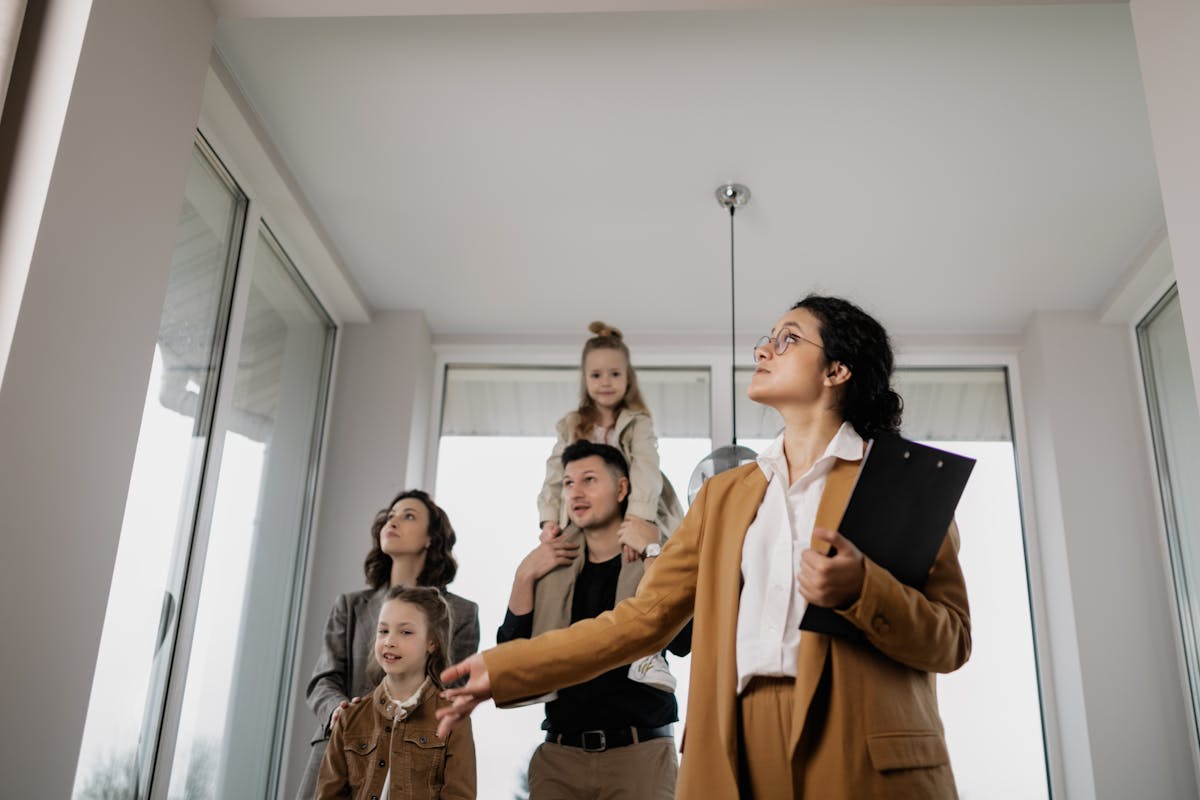
What to Bring to an Open House
Walking into an open house unprepared wastes your time. The best homebuyers arrive with the right tools to evaluate a property on the spot. Here is what to pack before you leave.
Bring a notebook and pen to take notes as you walk through each room. Your phone works for photos and video, but writing observations by hand forces you to pay closer attention to details like room sizes, natural lighting, and storage space.
A tape measure is essential if you plan to check whether your furniture fits. Measure room sizes, closet dimensions, and doorway widths. Many buyers skip this step and discover problems after closing.
Carry a copy of your mortgage pre-approval letter. Some listing agents ask for proof that you are a qualified buyer before sharing sensitive property information. Having this ready shows you are serious.
Pro Tip
Print this open house checklist or save it on your phone. This checklist helps you stay focused and prevents you from forgetting key features when comparing homes later. Try to arrive early to get a thorough look before the property gets crowded.
Open House Tips for Buyers: Research First
The work starts before you step through the front door. Smart buyers research every listing before visiting the open house. This preparation saves time and helps you focus on details the listing photos cannot show.
Start by reviewing the online listing carefully. Note the asking price, square footage, lot size, year built, number of bedrooms and bathrooms, and how many days the home has been on the market. Homes for sale that sit longer than 30 days may have pricing issues or hidden problems worth investigating.
Pull up Google Maps and switch to satellite view. Check the surrounding area for commercial properties, busy roads, railroad tracks, or flood zones. Street View lets you explore the neighborhood virtually and see what the listing photos may have cropped out.
Look up recent sales in the neighborhood to understand local pricing trends. Your real estate agent can pull comparable sales data, but public records and listing sites give you a starting point. Compare the asking price against recent comps within a half-mile radius.
Check Online
Review property tax records, HOA fees, and school district ratings before your visit. These affect your monthly costs and long-term value.
Drive By First
Visit the neighborhood at different times of day. A quiet street at noon may have heavy traffic at 5 PM or noise issues at night.
Exterior Inspection Checklist
Before walking inside, spend five minutes evaluating the exterior. The outside of a home reveals maintenance history that staging cannot hide.
Start with the roof. Look for missing shingles, sagging areas, or visible wear. A roof replacement costs $8,000 to $15,000 on average. Note the condition and ask the listing agent about the roof's age.
Check the foundation for cracks. Hairline cracks are common in older homes, but horizontal cracks or gaps wider than a quarter inch could signal structural problems. Walk the perimeter and look where the foundation meets the soil.
Evaluate the gutters and drainage. Water should flow away from the foundation, not pool against it. Poor drainage causes basement flooding and foundation damage over time. Look for water stains on exterior walls near the ground level.
Inspect the siding, windows and doors. Peeling paint, rotting wood, or gaps around window frames indicate deferred maintenance. Open and close any accessible exterior doors to check for alignment issues.
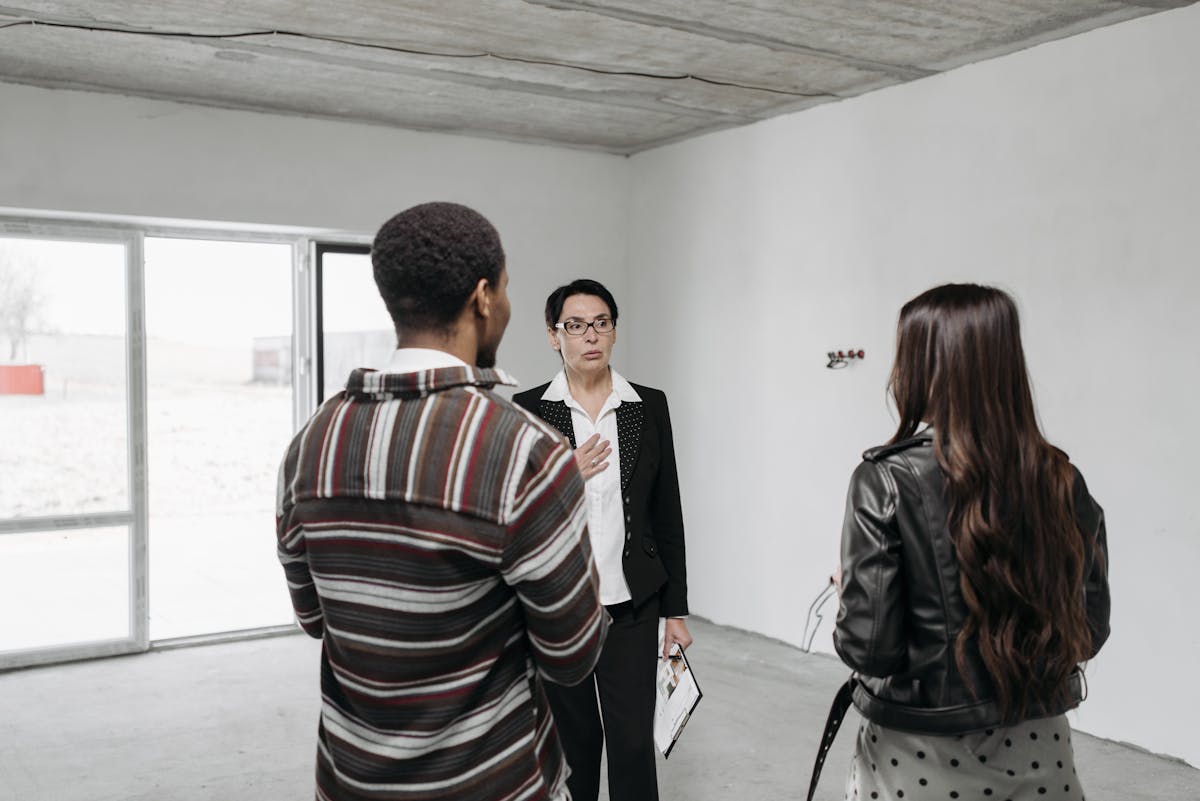
Interior Walkthrough: Room by Room
The interior walkthrough is where most buyers either rush through excited or freeze up unsure what to check. Use this room-by-room approach to evaluate every space systematically.
Kitchen
The kitchen is the most expensive room to renovate. Open all cabinet doors and drawers to check for water damage, warping, or pest droppings. Test the appliances if the listing agent allows it. Check the fridge temperature, run the dishwasher, and confirm the oven heats properly. Run the faucet and check water pressure. Look under the sink for leaks or signs of previous water damage.
Note the age and condition of each appliance. Ask whether the refrigerator, dishwasher, oven, and microwave are included in the sale. Verify everything is in good working condition. Replacing all kitchen appliances costs $3,000 to $8,000.
Bathrooms
Flush all toilets to ensure they work properly and run every faucet. Check water pressure and drainage speed. Look at the caulking around the tub, shower, and toilet base for mold or deterioration. Open cabinets under sinks to check for leaks or water stains.
Test the exhaust fan by turning it on and holding a tissue near the vent. Weak ventilation leads to moisture buildup and mold growth. Check the ceiling for water stains that could indicate a leak from the floor above.
Bedrooms
Open closets and measure the space. Closet size is one of the top complaints from new homeowners. Check for adequate lighting and note how many outlets each room has. Flip light switches to check that all fixtures work properly.
Stand quietly in each bedroom for 30 seconds. Listen for noise from neighbors, nearby roads, or mechanical systems. Noise issues are nearly impossible to fix after you move in.
Living Areas
Walk the floors slowly. Uneven or squeaky floors could indicate structural issues beneath the surface. Check the walls and ceilings for cracks, water stains, or fresh paint patches that may hide damage.
Test every window. Open and close each one. Windows that stick, will not lock, or have fogged glass between panes need replacement. New windows cost $300 to $1,000 each.
Major Systems to Evaluate
A home's major systems determine your maintenance costs for years. Replacing HVAC, plumbing, or electrical systems costs $5,000 to $20,000 each. Take notes on the age and condition of everything below.
HVAC System
Ask the listing agent about the age of the furnace, air conditioner, and water heater. Most HVAC systems last 15 to 20 years. If the system is older than 12 years, budget for replacement within the next few years. Turn the thermostat up or down to confirm the system responds.
Electrical System
Find the electrical panel and note its amperage. Modern homes need at least 200 amps. Older homes with 100-amp service may struggle with today's appliances and technology. Look for tripped circuit breakers, rust, or scorch marks on the panel.
Plumbing
Water issues are among the most common problems in homes. Run faucets in multiple rooms simultaneously to test water pressure. Check for discolored water, which could signal old pipes. Look at exposed pipes in the basement or utility room for corrosion or patches.
Ask about the water heater's age and capacity. A family of four typically needs a 50-gallon tank. Tankless water heaters last longer but cost more upfront.
Important: A professional home inspection covers these systems in detail. The open house is your opportunity to spot obvious issues that help you decide whether to move forward. Never skip a full inspection before closing.
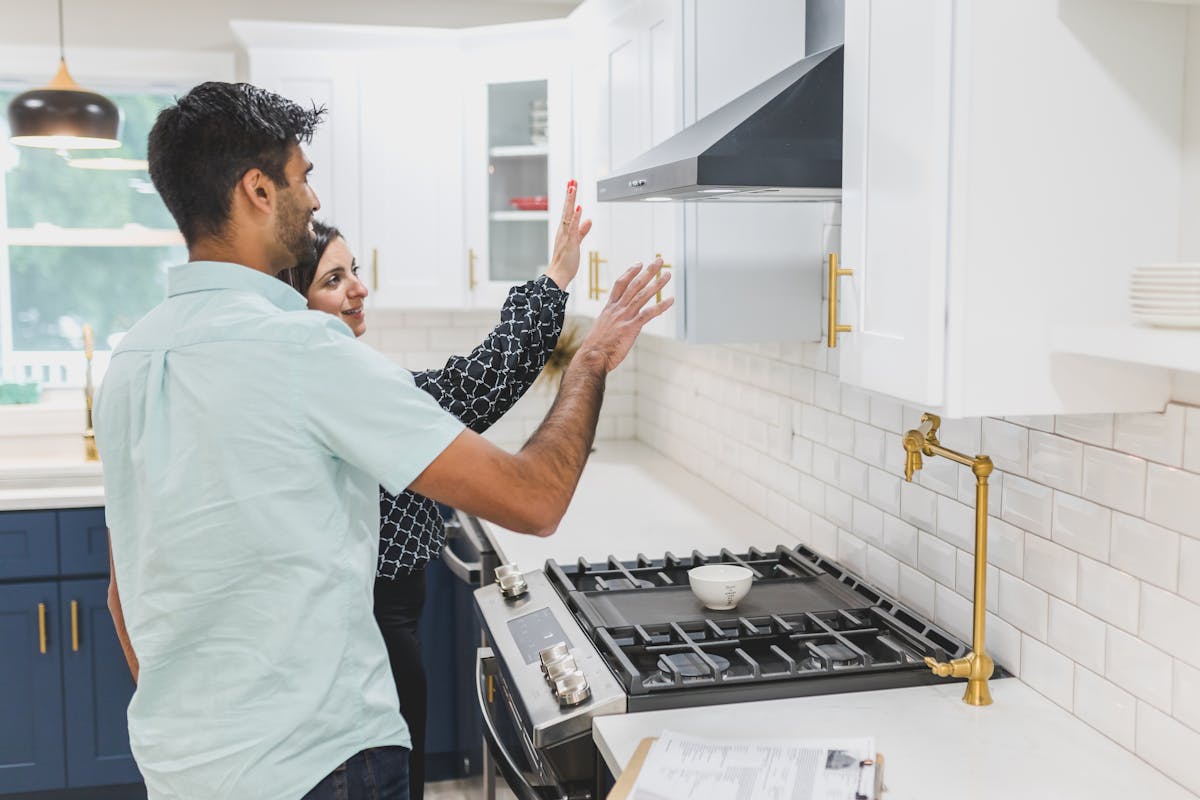
Questions to Ask at an Open House
The listing agent hosting the open house can provide valuable information that the online listing does not include. Here are the most important questions to ask during your visit.
About the Property
Ask why the seller is moving. A job relocation suggests urgency. A growing family means the home may be too small. Divorce or financial hardship could create room for negotiation on price.
Find out how long the home has been listed. Properties on the market longer than average for the area may be overpriced or have issues. Ask whether the price has been reduced since the original listing.
Request information about recent repairs and renovations. Were updates completed by licensed contractors with permits? DIY renovations without proper permits can create inspection and insurance problems.
About the Neighborhood
Ask about average utility costs. Monthly energy bills vary dramatically between homes. A poorly insulated home could cost $200 or more per month in extra heating and cooling.
Inquire about the HOA if applicable. Monthly dues, rules, upcoming assessments, and reserve fund health all impact your total cost of ownership. Some HOAs restrict renovations, pet ownership, or rental options.
Ask about any planned construction or zoning changes nearby. New commercial development, road widening, or rezoning can significantly affect property values and quality of life.
Pro Tip
Write your questions in your notebook before arriving. In the moment, it is easy to forget what you wanted to ask. Review your notes immediately after leaving while details are fresh.
Red Flags to Watch For
Some problems are expensive to fix and easy to miss if you do not know where to look. Here are the biggest red flags that should make you pause before making an offer.
Water Damage Signs
Water damage is the most common and expensive problem in homes. Look for stains on ceilings, especially below bathrooms. Check basement walls for white mineral deposits called efflorescence, which indicates water seepage. Look for signs of leaks around pipes, under sinks, and near windows. Musty odors in any room suggest mold growth behind walls.
Fresh paint on just one wall or ceiling section could hide water stains or mold. Run your hand along walls in basements and bathrooms. Dampness or soft spots indicate active moisture problems.
Structural Concerns
Doors that stick or will not close properly could indicate foundation shifting. Place a marble on hardwood floors. If it rolls quickly to one side, the floor is not level. Large cracks above door frames or where walls meet ceilings are potential structural issues.
Cosmetic Cover-Ups
Heavy air fresheners or candles may be masking odors from pets, smoke, or mold. New carpet in only one room could hide staining or subfloor damage. Recently painted baseboards might cover evidence of flooding.
Walk Away If: You find active water leaks, major foundation cracks, knob-and-tube wiring, or evidence of mold throughout the property. These problems cost $10,000 or more to remediate and may indicate deeper issues.
Explore the Neighborhood
You can renovate a kitchen, but you cannot change the neighborhood. Spend time after the open house exploring the surrounding area. This step separates serious buyers from casual browsers. Use this as your open home checklist for exploring the property and its surroundings.
Drive or walk the streets within a quarter mile of the property. Look at how neighbors maintain their homes and yards. Well-kept properties suggest a community that values its neighborhood. Neglected properties nearby could affect your resale value.
Check every nearby amenity that matters to your daily life. Grocery stores, restaurants, parks, hospitals, and public transit all affect convenience. Use Google Maps to measure actual drive times during rush hour, not just straight-line distance.
If you have children or plan to, research school districts. A strong school district increases home values by 10% to 20% compared to neighboring areas with weaker schools. This holds true even for buyers without children, because it affects resale.
Visit the area at night and on weekends. Get a feel for the neighborhood at different times. A quiet residential street during a weekday open house might have entirely different noise levels on Friday or Saturday nights. Nearby bars, event venues, or college housing could change the atmosphere dramatically.
After the Open House: Next Steps
What you do after visiting an open house matters as much as what you check during the tour. Follow this process to get a feel for whether a property is the right fit.
Review your notes and take pictures within 30 minutes of leaving. Details fade quickly when you visit multiple open houses in one day. Rate the home on a scale of 1 to 10 for each category on your checklist while everything is fresh.
Compare homes side by side using a simple spreadsheet. List the address, asking price, square footage, condition, and your overall rating for each property. This method removes emotion from the decision and helps you make informed decisions about which homes deserve a second visit.
If a home interests you, contact your real estate agent immediately. In competitive markets, popular homes receive offers within days of open houses. Your agent can schedule a private showing for a deeper evaluation and advise on offer strategy.
Request a seller's disclosure if one was not available at the open house. This document lists known defects and repairs. Compare the disclosure against what you observed during your visit. Discrepancies are worth investigating further before buying a home.
Complete Open House Checklist Summary
Save or print this quick-reference checklist for your next open house visit. Check off each item as you go.
Exterior
☐ Roof condition and age
☐ Foundation cracks or settling
☐ Gutters and drainage grading
☐ Siding and paint condition
☐ Windows and door frames
☐ Driveway and walkway condition
☐ Yard drainage and grading
☐ Fence and outbuilding condition
Kitchen
☐ Cabinet and drawer condition
☐ Countertop wear and damage
☐ Appliance age and condition
☐ Faucet water pressure
☐ Under-sink for leaks
☐ Outlet count and placement
Bathrooms
☐ Toilet flush and seal
☐ Faucet pressure and drainage
☐ Caulking around tub and shower
☐ Exhaust fan operation
☐ Under-sink for leaks
☐ Tile condition and grout
Bedrooms
☐ Closet size and storage
☐ Window condition and locks
☐ Light switches and outlets
☐ Floor condition and levelness
☐ Noise from outside
Major Systems
☐ HVAC age and condition
☐ Water heater age and capacity
☐ Electrical panel amperage
☐ Visible plumbing condition
☐ Insulation in attic or basement
Red Flags
☐ Water stains on ceilings or walls
☐ Musty or chemical odors
☐ Doors that stick or will not close
☐ Cracks above door frames
☐ Uneven or sloping floors
☐ Fresh paint in isolated spots
☐ Heavy use of air fresheners
Why Buying a Home With a Real Estate Agent Matters
Attending open houses alone is fine for browsing. But when you find a home you love, having a real estate agent by your side changes the outcome. An experienced agent spots problems that most buyers miss and negotiates on your behalf.
Your agent knows the local market, understands fair pricing, and can advise whether a property is worth pursuing. They will also coordinate the home inspection, appraisal, and closing process. Buying a home involves dozens of steps, and missing one can delay or derail your purchase.
An agent also protects your interests at the negotiating table. The listing agent works for the seller. Without your own representation, you are relying on the other side to look out for your best interests.
If you have attended several open houses and found your dream home, the next step is connecting with an agent who knows the area. A great real estate agent turns a good open house visit into a successful home purchase and helps you find the perfect home for your family.
Found Your Dream Home at an Open House?
Get matched with a top local real estate agent who knows the neighborhood, handles negotiations, and guides you through closing. Our matching service is free with no obligation.
Find My AgentFrequently Asked Questions About Open Houses
What should I bring to an open house?
Bring a notebook and pen for notes, your phone for photos and video, a tape measure for room sizes, a copy of your mortgage pre-approval letter, and a printed checklist. Comfortable shoes help since you may visit multiple open houses in one day.
How many open houses should I attend before making an offer?
Most buyers attend between 4 and 10 open houses before making an offer. First-time homebuyers often visit more to calibrate expectations. However, in competitive markets, a strong buyer may submit an offer after just 1 or 2 visits if the home meets all criteria.
What questions should I ask at an open house?
Ask the listing agent why the seller is moving, how long the home has been on the market, how many offers have been received, what recent repairs or renovations were completed, the average utility costs, and whether any known issues exist with the property.
What are red flags to look for at an open house?
Watch for water stains on ceilings or walls, cracks in the foundation, musty or chemical odors that may hide mold, uneven floors, fresh paint in isolated spots that could cover damage, doors that stick or will not close properly, and signs of pest damage. These issues may signal expensive repairs.
Should I bring my real estate agent to an open house?
You do not need your agent at every open house, but having a real estate agent present is helpful when you are seriously interested. Your agent can spot issues you might miss, ask technical questions, and advise on pricing strategy. Let your agent know which open houses you plan to visit.
Is it okay to take pictures at an open house?
Yes, most listing agents allow buyers to take pictures and video during open houses. Photos help you compare homes later and remember specific details. However, always ask the hosting agent first, and avoid photographing personal items or family photos out of respect for the seller's privacy.
How long should I spend at an open house?
Plan to spend 15 to 30 minutes at each open house. This gives you enough time to walk through every room, check the exterior, test fixtures, take notes, and ask the listing agent your questions. Spending less than 10 minutes means you likely missed important details.
Related Guides for Homebuyers
Continue your home search preparation with these helpful resources. Our complete home buying process guide covers every step from pre-approval to closing day. Learn about home inspection checklists for when you move past the open house stage.
Before hiring an agent, review our guide on questions to ask a real estate agent and learn to recognize red flags when choosing an agent. Understanding how to make an offer on a house prepares you for the next step after finding the right property.
For financing guidance, read about getting pre-approved for a mortgage before attending open houses. If you plan to negotiate, our closing day guide explains what happens after your offer is accepted.