15 Red Flags When Buying a House in 2026
Spot warning signs before you close. Know what each red flag costs to fix and when to walk away.
Buying a home is the largest financial decision most people ever make. When you buy a house in 2026, the average U.S. price sits above $400,000. Missing one critical warning sign can cost you tens of thousands of dollars in unexpected repairs. Knowing what to look for when buying a house protects your investment and your family.
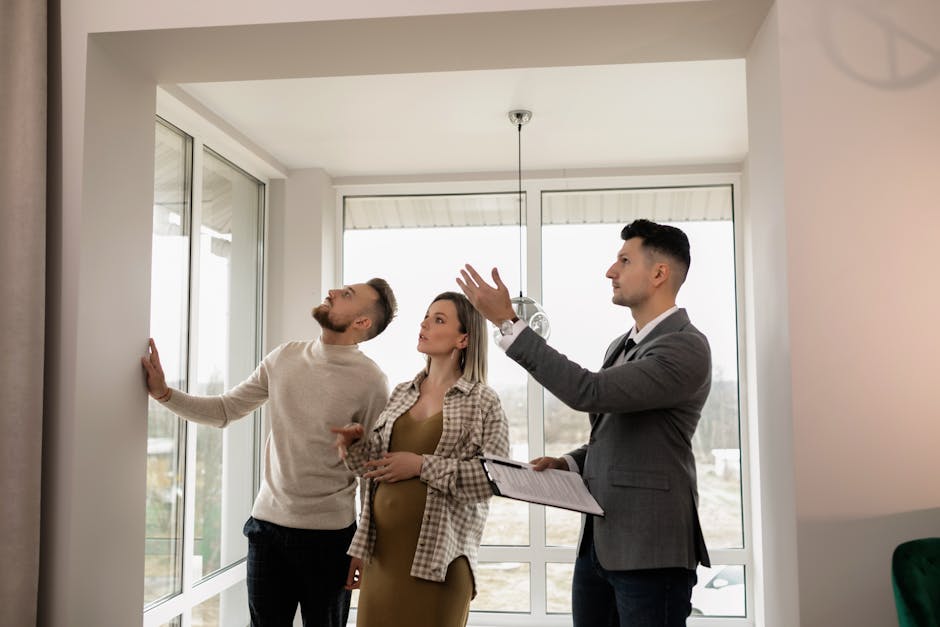
About 86% of all home inspections uncover at least one problem. Roughly 10% reveal major red flags that threaten the structure itself. An experienced real estate agent helps you spot these red flags you need to know during showings, long before the inspection report arrives. Whether you are house hunting for your dream home or touring a home for the first time, here are the 15 major red flags every buyer needs to watch for.

In This Guide
1 Foundation Cracks and Damage
Foundation problems are the most serious red flag you can find. Horizontal cracks in basement walls signal extreme lateral pressure. They can compromise the entire structure of the home. Vertical cracks wider than a quarter inch also indicate significant settling that requires professional evaluation.
During your walkthrough, check for doors and windows that stick or won't close properly. Look for gaps between walls and the ceiling. Step onto every floor and feel for unevenness. These subtle signs often point to foundation movement that may not be immediately visible.
Foundation repair is expensive to repair, averaging $5,100 nationally. Basic crack sealing starts around $2,200. Full foundation lifting or leveling can exceed $30,000. Many home buyers get a structural engineer's inspection for $300 to $800 before moving forward. It is worth every penny when you suspect damage.
When to walk away: Horizontal cracks wider than half an inch, active shifting, or multiple foundation repair attempts in the property history. These signal ongoing structural failure.
2 Water Stains and Mold
Look for signs of water stains on ceilings, walls, or around windows. They reveal a history of leaks. Even dried stains suggest past damage that may not have been properly fixed. Brownish rings on the ceiling are a classic sign of a roof leak above. Wall discoloration near the floor often means basement water intrusion. Take a close look at every room.
Mold is more than a cosmetic problem. It poses serious health risks, especially for people with allergies or respiratory conditions. The EPA warns that mold grows within 24 to 48 hours of water exposure. Check bathrooms, basements, attics, and behind appliances for any visible mold or musty smells.
Mold remediation averages $1,500 to $9,000 depending on the affected area. Widespread mold behind walls or in the HVAC system can push costs much higher. Always request a mold inspection if you spot water stains during a showing.
Pro Tip
Sellers sometimes paint over water stains. Look for fresh paint in isolated spots, especially on ceilings. Touch the surface to check for soft or bubbling drywall beneath.
3 Roof Damage and Sagging
Your roof is the first line of defense against the elements. Before you even enter the house, look at the roofline from the street. Waves, dips, or a visible sag in the roofline indicate structural damage to the decking or rafters underneath. Missing or curling shingles suggest the roof is at end of life.
Ask the seller or listing agent about the roof's age. Most asphalt shingle roofs last 20 to 25 years. If the roof is older than 15 years, budget for replacement in the near future. A full roof replacement averages $8,000 to $15,000 for a typical single-family home. Premium materials like metal or slate cost significantly more.
Check the chimney for crumbling mortar or leaning. Examine gutters for rust, separation, or improper drainage. All of these tie back to how well the home manages water from above.
Worried About Hidden Problems?
An experienced local real estate agent knows what to look for before you ever make an offer. Get matched with a top agent in your area for free.
Find My Agent4 Outdated Electrical Systems
Older homes may still have knob-and-tube wiring or aluminum wiring. Both are fire hazards. Knob-and-tube wiring was standard before the 1950s, while aluminum wiring was common in homes built between 1965 and 1973. Insurance companies often charge higher premiums for these systems, and some refuse coverage entirely.
During your tour, flip light switches and check for flickering. Look at the electrical panel. A panel with fewer than 100 amps may not support modern appliances and electronics. Exposed wires in the basement or attic are an immediate safety concern.
Rewiring an entire house costs $2,000 to $20,000 depending on the home's size and complexity. Upgrading just the panel runs $1,500 to $4,000. These costs are negotiable if discovered before closing.
5 Plumbing Problems
Turn on every faucet during your showing. Check the water pressure and look under sinks for signs of leaks. Low water pressure throughout the home can indicate corroded pipes, mineral buildup, or a failing main water line.
Homes built before 1986 may have lead pipes or lead solder in the plumbing system. Galvanized steel pipes, common in homes built before 1960, corrode from the inside and restrict water flow over time. Polybutylene pipes, used from the late 1970s through the mid-1990s, are prone to cracking and failure.
Flush every toilet and run the shower to check drainage speed. Slow drains throughout the house suggest a sewer line problem that could cost $3,000 to $25,000 to replace. A sewer scope inspection costs around $200 to $400 and is one of the best investments a buyer can make.
6 Signs of Pest Infestation
Pest damage extends far beyond the nuisance factor. Termites cause an estimated $5 billion in property damage across the United States each year, according to the EPA. A single termite colony can eat through a pound of wood per day. Check baseboards, window frames, and door frames for hollow-sounding or soft wood.
Walk the perimeter of the home and inspect the crawl space vents. Small holes chewed through vent screens signal rodent entry. A mouse needs a hole only the size of a dime to get inside. Look for droppings near the foundation, in the garage, and in the attic.
A basic home inspection may flag pest evidence, but a dedicated pest inspection costs $75 to $200 and is far more thorough. Termite treatment ranges from $250 to $2,500. Full fumigation for severe infestations can reach $7,000. Many lenders require a clear pest report before approving a home purchase, especially for FHA and VA loans.
7 Poor Drainage and Grading
The ground around the house should slope away from the foundation. When the yard slopes toward the house, rainwater pools near the base. Poor drainage can lead to standing water that eventually finds its way into the basement or crawl space. It can erode the foundation over months and years.
Walk around the exterior after a rainstorm if possible. Look for pooling water within six feet of the foundation. Check for erosion marks on the siding or foundation walls. Examine the gutters and downspouts to see if they direct water at least four feet away from the house.
Regrading a yard costs $1,000 to $5,000 depending on the scope. Installing a French drain system runs $3,000 to $10,000. Ignoring drainage issues leads to far more expensive foundation and basement waterproofing problems down the road.
8 Sloping Floors and Sagging Ceilings
Walk slowly through every room and pay attention to what you feel underfoot. A noticeable slope or bounce in the floor suggests foundation settling, rotted joists, or collapsed support beams. A marble placed on the floor should not roll to one side.
Look up at every ceiling. Sagging or cracking in the middle of a room can indicate a compromised roof structure or water damage from above. Ceilings with fresh paint but visible bulging deserve close attention. They may be hiding active leaks.
Subfloor repairs cost $500 to $3,000 per room. If the issue ties back to the foundation, the total repair bill climbs quickly. These problems are not cosmetic. They indicate structural concerns that affect safety and home value.
9 Strange or Strong Odors
Your nose is one of your best tools during a house tour. Musty smells point to mold or water damage. A sewer-like odor suggests plumbing or septic venting issues. Chemical smells can indicate off-gassing from recent repairs or treatments meant to hide problems.
Be suspicious of heavy air freshener, scented candles, or plug-in deodorizers placed throughout the home. These are sometimes used by sellers trying to hide pet odors, cigarette smoke, or mold. Ask the listing agent to turn off any fragrance sources and visit the home again. These are among the most important things to check when buying a home.
Pet odor removal costs $500 to $3,000 and may require replacing carpet, padding, and even subflooring. Cigarette smoke remediation can cost $3,000 to $15,000 for full treatment of walls, ceilings, ductwork, and surfaces.
10 Window Condensation and Seal Failure
Fog or condensation between the panes of double-pane windows means the seal has failed. This is not a surface moisture issue. It means the insulating gas between the panes has escaped. The window has lost its energy efficiency.
Check every window in the house, including the home's exterior frames. Open and close each one. Windows that stick, won't lock, or have visible rot need attention. Single-pane windows in any climate mean higher energy bills and potential comfort issues year-round. These are among the things to look for during every home search.
Replacing a single window costs $300 to $1,500 depending on size and type. A full home window replacement runs $3,000 to $20,000. While not always a deal-breaker, failed windows are a strong negotiation point for a price reduction.
Don't Risk Missing These Red Flags
A skilled local real estate agent has seen hundreds of homes and knows exactly what warning signs to look for. Get matched with a top agent for free.
Find My Agent11 Suspicious Fresh Paint or New Carpet
A fresh coat of paint throughout a home before sale is normal staging. Fresh paint in only one room or on one wall is suspicious. Sellers sometimes paint over water stains, mold, or cracks in the walls to avoid costly repairs. A single repainted ceiling section often hides an active or recent leak. See if the house looks like it had cosmetic work done quickly.
New carpet in just one room raises similar questions. Was there flooding? Pet damage? A stain that wouldn't come out? Ask the seller directly why the update was made. Check the seller disclosure for any mention of water damage or repairs in that area.
Touch the painted surfaces. Feel for bubbling, soft spots, or uneven texture underneath. These tell you the paint is covering damage rather than refreshing the appearance. An experienced buyer's agent will spot these patterns immediately.
12 Unpermitted DIY Renovations
Unpermitted work is one of the most overlooked red flags in real estate, especially for a first time home buyer who may not know to check. Additions, finished basements, converted garages, and major remodels all require permits in most jurisdictions. Without permits, there is no guarantee the work meets building code or safety standards.
Unpermitted work creates real issues with the house at resale, during insurance claims, and with property tax assessments. If a fire starts due to unpermitted electrical work, your insurance company may deny the claim. When you try to sell, the next buyer's lender may require you to bring everything up to code first. Always inspect a home's permit records before closing.
Ask your real estate agent to pull the permit history from the local building department. Compare the permits on record with visible improvements in the home. Any major work without matching permits deserves further investigation before you close.
Watch For
Finished basements with bedrooms that lack egress windows, bathrooms added without proper venting, and garage conversions without fire-rated walls. These all violate code and create safety hazards.
13 Price Significantly Below Market Value
A price that looks too good to be true usually is. When a home is listed 15% or more below comparable sales in the same neighborhood, something is likely wrong. The seller may know about a major issue. The home may have title problems. There may be liens or code violations.
Below-market pricing sometimes reflects a motivated seller who needs a quick sale. But it can also mean the home needs a new roof, has foundation issues, or sits in a flood zone. Never walk into this deal without your real estate agent running a comparative market analysis to identify any unusual pricing. Current mortgage rates also affect what homes should sell for.
Check the property's flood zone status on FEMA's flood map. Review the local home prices and recent sales data. Before you get a home under contract, verify the deal makes sense. Also consider whether to get a home warranty for additional protection after closing. Due diligence protects you from inheriting someone else's expensive problems.
14 Neighborhood Warning Signs
You can fix a house but you cannot fix its location. Drive the neighborhood at different times of day before making an offer. Visit during morning rush hour, evening hours, and on weekends. Noise levels, traffic patterns, and overall activity change dramatically throughout the day.
Look for multiple "for sale" signs on the same street. A cluster of homes for sale can signal declining property values, an upcoming development, or a neighborhood issue that current residents want to escape. Check the number of vacant or boarded-up properties within a few blocks.
Research planned developments, road projects, and zoning changes with the local planning department. A quiet street today could become a busy corridor next year. Proximity to landfills, industrial zones, or flight paths affects both quality of life and long-term property value.
15 Suspicious Listing History
A home that has been listed, delisted, and relisted multiple times raises questions. This pattern often means previous buyers walked away after inspections uncovered problems. It can also indicate an unrealistic seller who won't negotiate on price despite known issues.
Frequent ownership changes in a short period deserve investigation. Ask the current owners or listing agent why the home is being sold. If a home sold three times in five years, find out why each owner left so quickly. Check for multiple insurance claims through the CLUE (Comprehensive Loss Underwriting Exchange) report, which your agent can help you request.
Review listing photos from previous listings and compare them to current photos. Missing rooms in the current listing may signal damage or unpermitted changes. The new owner inherits every hidden problem. Your real estate agent has MLS access to review the full listing history and uncover patterns that public sites don't show.
What Red Flag Repairs Actually Cost
| Repair Issue | Low End | Average | High End |
|---|---|---|---|
| Foundation Repair | $2,200 | $5,100 | $30,000+ |
| Roof Replacement | $5,500 | $10,000 | $20,000+ |
| Mold Remediation | $1,500 | $3,500 | $9,000 |
| Electrical Rewiring | $2,000 | $10,000 | $20,000 |
| Plumbing Replacement | $2,000 | $7,500 | $15,000 |
| Pest Extermination | $250 | $1,500 | $7,000 |
| Drainage/Grading Fix | $1,000 | $3,000 | $10,000 |
| Window Replacement (full) | $3,000 | $8,500 | $20,000 |
Sources: HomeAdvisor, Angi, national averages as of 2025-2026. Actual costs vary by location, home size, and severity.
Red Flag Severity Guide
Not every red flag is a deal-breaker. Use this guide to prioritize your concerns and decide your next step.
Active foundation failure, widespread mold behind walls, major structural damage, unpermitted additions that can't be brought to code, serious environmental contamination
Aging roof (10+ years), outdated electrical panel, old plumbing, minor drainage issues, failed window seals, pest evidence, cosmetic water stains with identified source
Cosmetic cracks in drywall, single window seal failure, minor grading concerns, small vertical foundation cracks (hairline), dated but functional systems
Ready to Find a Home You Can Trust?
A skilled real estate agent catches red flags that save you thousands. Whether you're a first-time buyer or experienced homeowner, we match you with a vetted local agent for free. No obligation.
Find My AgentProtect Yourself Before You Buy
Every home has some imperfections. The goal is not to find a perfect property. It is to understand what you are buying and what it will cost to maintain as a homeowner. A thorough home inspection catches most of these red flags. But your own observations when touring a home give you a head start before you put in an offer.
Work with a qualified real estate agent who walks every property with a critical eye. Ask about the home's seller disclosure. Review the home inspection checklist before your inspector arrives so you know what to expect. When you tour a house, use all your senses.
The home buying process includes built-in protections like the inspection contingency that lets you walk away if serious problems surface. Use every tool available to you. The cost of due diligence is always less than the cost of surprise repairs after closing.
Related Guides
Home Inspection Checklist
Every item your inspector checks and what each finding means for your purchase.
20 Things to Know Before Buying
Essential knowledge for every home buyer, from financing to closing day.
How to Find a Real Estate Agent
Choose an agent who will protect your interests and catch the red flags.