Rental Property Investment Guide
Build passive income and long-term wealth through rental real estate
Last Updated: February 2026
Rental property investing remains one of the most reliable paths to financial independence. A well-chosen rental property generates monthly cash flow, appreciates over time, builds equity through mortgage paydown, and provides significant tax advantages. This step-by-step guide covers everything you need to know about buying rental property successfully and investing in rental properties.
Whether you're looking to buy your first rental property or adding to an existing portfolio, this guide walks you through the complete process—from finding and analyzing deals in the real estate market to financing, managing tenants, rent collection, and scaling your investments. You'll learn a proven property investment strategy for buying rental property in 2026 and beyond.
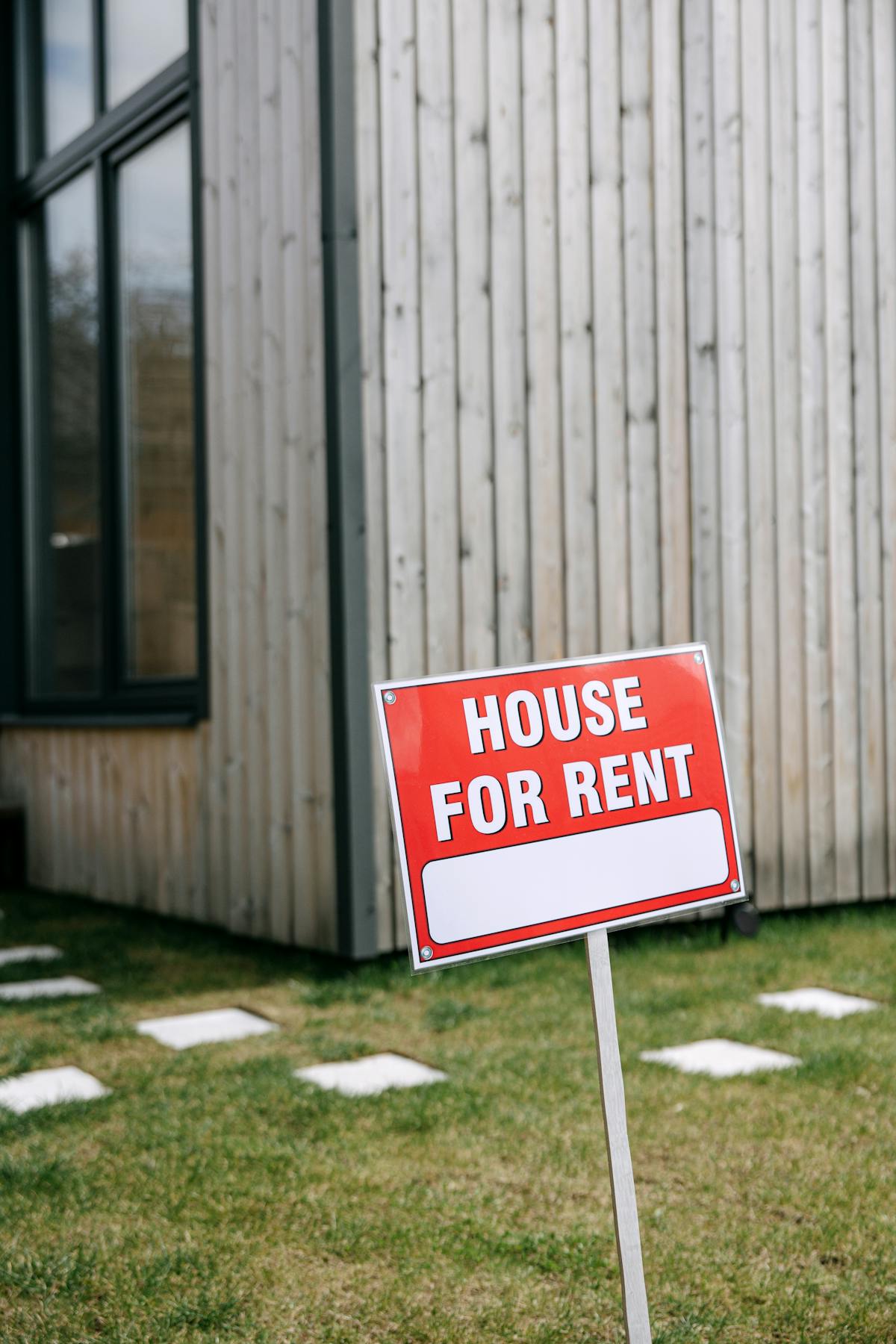
Part of the Real Estate Investing Guide Series
The Four Pillars of Rental Property Wealth
Before diving into the how-to, understand why rental properties are such powerful wealth-building vehicles. Income property generates returns through four distinct channels:
1. Cash Flow
Monthly rental income minus all expenses equals cash flow—the money that hits your bank account each month. A properly purchased rental generates positive cash flow from day one.
Example: $1,800 rent - $1,400 total expenses = $400 monthly cash flow
2. Appreciation (Property Value Growth)
Real estate historically appreciates 3-5% annually on average, though this varies significantly by market and time period. A $300,000 property appreciating at 3% annually gains $9,000 in property value per year—equity you didn't have to work for. Your return on investment combines this appreciation with cash flow.
3. Mortgage Paydown
Each mortgage payment reduces your loan balance and builds equity. Your tenants are essentially buying the property for you. Over a 30-year mortgage, hundreds of thousands in principal gets paid by rental income.
4. Tax Benefits
Rental properties offer exceptional tax advantages: depreciation deductions, mortgage interest deductions, operating expense deductions, and strategies like 1031 exchanges to defer capital gains.
Total Return Example
Consider a $200,000 rental purchased with $50,000 down:
- Cash flow: $3,600/year (9% cash-on-cash)
- Appreciation: $6,000/year (3%)
- Principal paydown: $2,500/year (1st year)
- Tax savings: $1,500/year (estimated)
- Total return: $13,600 on $50,000 = 27.2%
Types of Rental Properties
Different property types suit different investment goals and experience levels:
Single-Family Rentals (SFRs)
Individual houses rented to one tenant/family. The most common entry point for new investors.
Advantages:
- Easier to finance (conventional loans widely available)
- Simpler to manage
- Tenants typically stay longer and treat property better
- Higher appreciation potential
- Easier to sell (larger buyer pool)
Disadvantages:
- One vacancy = 100% income loss
- Higher cost per unit
- Less economies of scale
Small Multi-Family (2-4 Units)
Duplexes, triplexes, and fourplexes. Still qualify for residential financing, making them excellent options when you want to buy a rental property. Unlike short-term rental strategies, these provide stable long-term tenants.
Advantages:
- Multiple income streams in one property
- One vacancy doesn't eliminate income
- House hacking potential (live in one unit)
- Better cash flow per dollar invested
- Economies of scale (one roof, one lot, etc.)
Disadvantages:
- More complex management
- Tenant conflicts possible
- Higher down payments typically required
- Smaller buyer pool when selling
Large Multi-Family (5+ Units)
Apartment buildings requiring commercial financing. Professional-grade investments.
Advantages:
- Professional property management makes sense
- Valued based on income (you control value)
- Significant economies of scale
- Less competition from retail buyers
Disadvantages:
- Commercial financing (shorter terms, higher rates)
- Higher capital requirements
- More complex operations
- Professional management required
How to Find Rental Properties
Good deals don't fall from the sky—you need systems to find them consistently.
On-Market Sources
MLS (Multiple Listing Service): Work with an investor-friendly agent who understands your criteria and can send you deals before they're widely seen.
Online listing sites: Zillow, Redfin, Realtor.com—set up saved searches with your criteria. Check daily; good deals move fast.
Foreclosures and REOs: Bank-owned properties often sell below market value. Check HUD homes, Fannie Mae HomePath, and bank foreclosure listings.
Auctions: Courthouse steps, online auction platforms (Auction.com, Hubzu). Higher risk but potential for deep discounts.
Off-Market Sources
The best deals often never hit the open market:
Direct mail: Send letters or postcards to property owners offering to buy. Target absentee owners, inherited properties, or long-term owners.
Driving for dollars: Drive neighborhoods looking for distressed properties (overgrown lawns, peeling paint, boarded windows). Research owners and reach out directly.
Wholesalers: Investors who find deals and assign contracts. Build relationships with local wholesalers for deal flow.
Networking: Attend real estate investor meetups, join local REI clubs, network on BiggerPockets. Word of mouth brings deals.
FSBO (For Sale By Owner): Sellers avoiding agent fees may be flexible on price. Check Craigslist, Facebook Marketplace, and FSBO sites.
Analyzing Rental Property Deals
Proper analysis separates profitable investments from money pits. Here's how to evaluate deals:
Step 1: Estimate Rental Income
Never trust seller's projections. Research actual market rents:
- Check Rentometer, Zillow Rent Zestimate, Craigslist listings
- Call property managers about market rates
- Look at comparable active listings
- Consider property condition and amenities
Step 2: Calculate All Expenses
Include every cost—underestimating expenses is the #1 beginner mistake:
| Expense Category | How to Estimate |
|---|---|
| Mortgage (P&I) | Use mortgage calculator with actual terms |
| Property Taxes | Check county assessor records |
| Insurance | Get landlord policy quote |
| Vacancy | 5-10% of rent (market dependent) |
| Maintenance | 8-12% of rent or 1% of value annually |
| Capital Expenditures | 5-10% of rent (roof, HVAC, etc.) |
| Property Management | 8-10% of rent (even if self-managing) |
| Utilities (if included) | Request actual bills from seller |
| HOA Fees | Get exact amount (if applicable) |
Step 3: Calculate Key Metrics
Monthly Cash Flow:
Gross Rent - All Monthly Expenses = Cash Flow
Target: $100-$200+ per unit minimum
Cash-on-Cash Return:
(Annual Cash Flow / Total Cash Invested) × 100
Target: 8-12%+ depending on market
Cap Rate:
(Net Operating Income / Purchase Price) × 100
NOI = Income - Operating Expenses (not including mortgage)
Target: 5-10% (varies by market and property class)
Gross Rent Multiplier:
Purchase Price / Annual Gross Rent
Lower is better; under 10 is generally good
Step 4: Quick Screening Tools
The 1% Rule: Monthly rent should be at least 1% of purchase price. A $200,000 property should rent for at least $2,000/month. This is a quick filter—passing doesn't guarantee a good deal.
The 50% Rule: Operating expenses (not including mortgage) will average about 50% of gross rent over time. Quick cash flow estimate: (Rent × 50%) - Mortgage Payment = Approximate Cash Flow.
Financing Rental Properties
Understanding your financing options maximizes returns and deal viability:
Conventional Investment Property Loans
Standard mortgages from banks and lenders for non-owner-occupied properties:
- Down payment: 20-25% (higher for multi-family)
- Interest rates: 0.5-1% higher than primary residence
- Credit requirements: 620+ (720+ for best rates)
- Reserves: 6+ months of payments required
- Loan limits: Conforming limits apply (higher in high-cost areas)
FHA Loans (Owner-Occupied Multi-Family)
Government-backed loans for owner-occupied properties with 2-4 units:
- Down payment: 3.5% with 580+ credit
- Requirement: Must live in one unit for at least one year
- Mortgage insurance: Required (adds to payment)
- Perfect for: House hacking beginners
VA Loans (Veterans)
Zero-down loans for eligible veterans on owner-occupied multi-family:
- Down payment: 0%
- Funding fee: 2.15-3.3% (can be financed)
- One of the most powerful: wealth-building tools available
DSCR Loans (Debt Service Coverage Ratio)
Qualify based on property income rather than personal income:
- Great for self-employed investors
- Qualify with property's rental income
- Higher rates than conventional
- Typically 20-25% down
Portfolio and Local Bank Loans
Smaller banks often offer flexible terms:
- May work with lower credit scores
- More flexibility on property types
- Relationship-based lending
- Often shorter terms (15-20 years)
Private Money and Hard Money
For investors who need speed or can't qualify for conventional:
- Hard money: Asset-based, 8-15% rates, points, short terms
- Private money: Individual lenders, negotiable terms
- Best for BRRRR strategy or properties needing work

The Due Diligence Process
Before closing on any rental property, complete thorough due diligence:
Property Inspection
Always get a professional inspection. Key areas of focus:
- Structural issues: Foundation, framing, load-bearing walls
- Roof condition: Age, remaining life, signs of leaks
- HVAC systems: Age, efficiency, remaining life
- Plumbing: Pipe material, water heater, drainage
- Electrical: Panel size, wiring type, code compliance
- Pest issues: Termites, rodents, other infestations
Budget for repairs identified in the inspection or negotiate credits.
Title Search
Ensure clear title free of:
- Liens and encumbrances
- Ownership disputes
- Easements that affect use
- Unpaid property taxes
Rental Verification
If buying with existing tenants:
- Review all leases thoroughly
- Verify actual rent collection (bank statements)
- Check security deposit amounts and handling
- Review tenant payment history
- Understand lease expiration dates
Neighborhood Analysis
- Drive the neighborhood at different times of day
- Check crime statistics
- Research school ratings (affects tenant quality)
- Look for economic indicators (job growth, businesses)
- Identify future development plans
Managing Rental Properties
How you manage your properties significantly impacts profitability. You have two primary options:
Self-Management
Advantages:
- Save 8-10% of rent (management fees)
- Direct control over all decisions
- Build relationships with tenants
- Learn the business hands-on
- Faster response to issues
Disadvantages:
- Time commitment (especially for maintenance calls)
- Emotional involvement with tenants
- Learning curve for landlord-tenant law
- Middle-of-the-night emergencies
- Doesn't scale well with many properties
Property Management Company
Typical fees:
- Monthly management: 8-10% of collected rent
- Leasing fee: 50-100% of first month's rent
- Maintenance markup: 10-20% on repairs
Advantages:
- Truly passive income
- Professional tenant screening
- Legal compliance knowledge
- Vendor relationships for repairs
- Handles all tenant communications
- Enables out-of-state investing
Disadvantages:
- Fees reduce cash flow
- Less control over tenant selection
- May not care as much as you would
- Quality varies significantly
Tenant Screening Best Practices
Great tenants make landlording easy; bad tenants create nightmares. Screen thoroughly:
- Credit check: Look for 620+ score, no recent bankruptcies
- Background check: Criminal history, eviction history
- Income verification: 3x rent minimum, verified employment
- Rental history: Contact previous landlords (not just current)
- Meet in person: Trust your instincts about their character
Fair Housing Warning
Apply consistent screening criteria to all applicants. You cannot discriminate based on race, color, national origin, religion, sex, familial status, or disability. Many states add additional protected classes. Know your local fair housing laws.
Tax Strategies for Rental Property Owners
Real estate offers exceptional tax advantages. Work with a CPA experienced in real estate to maximize benefits:
Depreciation
The IRS allows you to depreciate residential rental property over 27.5 years (39 years for commercial). This "paper loss" reduces taxable income even as the property appreciates.
Example: $275,000 building value ÷ 27.5 years = $10,000 annual depreciation deduction
Cost Segregation
An engineering study that accelerates depreciation by reclassifying building components:
- Certain items depreciate over 5, 7, or 15 years instead of 27.5
- Creates larger deductions in early years
- Typically worthwhile for properties $500K+
- Can be applied retroactively
Deductible Expenses
Nearly all operating expenses are deductible:
- Mortgage interest
- Property taxes
- Insurance premiums
- Repairs and maintenance
- Property management fees
- Professional services (legal, accounting)
- Travel to properties
- Home office (if used for management)
1031 Exchange
Defer capital gains taxes by exchanging one investment property for another:
- Must be "like-kind" (any real estate for any real estate)
- Strict timelines: 45 days to identify, 180 days to close
- New property must be equal or greater value
- Use qualified intermediary (QI) to hold funds
- Can continue indefinitely, deferring taxes until final sale
Qualified Business Income (QBI) Deduction
Rental income may qualify for the 20% pass-through deduction, effectively reducing taxable rental income by 20%. Consult a CPA about eligibility.
Building a Rental Portfolio
One property is a start. A portfolio creates financial freedom. Here's how to scale:
Strategy 1: Traditional Accumulation
Save for each down payment, purchase one property at a time:
- Save 20-25% down payment
- Purchase property
- Stabilize with tenant
- Repeat with savings + cash flow from existing properties
Timeline: 1-2 properties per year depending on income/cash flow
Strategy 2: BRRRR Method
Recycle capital through forced appreciation:
- Buy distressed property below market value
- Rehab to increase value
- Rent to qualified tenant
- Refinance to pull out invested capital
- Repeat with recovered funds
Can potentially acquire multiple properties per year with same capital
Strategy 3: Equity Recycling
Use equity from existing properties to fund new purchases:
- Cash-out refinance on appreciated properties
- HELOC on rental properties (some lenders offer these)
- Sell and 1031 exchange into larger property
Strategy 4: Partnerships
Combine resources with other investors:
- Money partner provides capital; you provide management
- Joint ventures on specific deals
- Eventually, syndications for larger deals
Common Rental Property Mistakes to Avoid
Financial Mistakes
- Overpaying: Letting emotions override numbers
- Underestimating expenses: Not budgeting for vacancy, maintenance, capex
- Overleveraging: Too much debt, not enough reserves
- Skipping reserves: One major repair can devastate unprepared investors
- Ignoring taxes: Not planning for tax implications of sales
Property Selection Mistakes
- Bad locations: Buying for price, not location quality
- Skipping inspections: Major issues can cost tens of thousands
- Ignoring rental demand: Property that won't attract tenants
- Buying in declining areas: Fighting negative trends
Management Mistakes
- Poor screening: One bad tenant costs thousands
- Delayed maintenance: Small problems become expensive repairs
- Emotional decisions: Treating rentals like personal property
- Ignoring legal requirements: Fair housing, safety codes, lease laws
Frequently Asked Questions
How much money do I need to buy my first rental property?
For conventional investment loans, plan for 20-25% down payment plus 3-5% closing costs plus 6 months of reserves. A $200,000 property might require $55,000-$65,000 total. House hacking with FHA loans requires only 3.5% down.
Should I pay cash or finance rental properties?
Financing typically provides better returns due to leverage. A $50,000 down payment on a $200,000 property gives you 4x leverage—you benefit from appreciation on the full $200,000 while investing only $50,000. Cash purchases make sense for deals that won't finance or when you want maximum cash flow.
How do I know if a rental property is a good investment?
Analyze the numbers: positive cash flow ($100+ per unit), cash-on-cash return of 8%+, and passes the 1% rule as a quick screen. Also consider location quality, tenant demand, and your ability to manage. Run conservative projections—if it still works with higher vacancy or expenses, it's likely a solid deal.
Should I self-manage or hire a property manager?
For your first property, self-management teaches you the business. Budget for management (8-10% of rent) in your analysis so you have the option. As you scale or for out-of-state properties, professional management makes sense. The decision depends on your time, proximity, and how many properties you own.
What's the best type of property for a beginner?
A small multi-family (duplex or triplex) where you can live in one unit (house hack) is ideal for beginners. You get favorable owner-occupied financing, learn landlording with training wheels, and reduce or eliminate your own housing costs. Single-family rentals are the next best option for simplicity.
How many rental properties do I need to retire?
It depends on your expenses and cash flow per property. If you need $6,000/month passive income and each property nets $300/month, you'd need 20 properties. More realistically, as properties pay down and rents increase, fewer properties can generate more income. Many investors achieve financial independence with 8-15 well-chosen properties.
Working with a Real Estate Agent on Investment Properties
The right real estate agent accelerates your investing success:
- Market expertise: Knows which neighborhoods provide best returns
- Deal flow: Access to listings before they're widely seen
- Comparable analysis: Accurate valuations for offers
- Rental market knowledge: Realistic rent projections
- Negotiation skills: Secures better purchase terms
- Network connections: Referrals to lenders, inspectors, contractors, property managers
When interviewing agents, ask about their experience with investment properties, whether they invest themselves, and how many investor clients they work with.
Ready to Buy Your First Rental?
Connect with a real estate agent experienced in investment properties who can help you find profitable deals in your target market.
Find an Investment-Savvy Agent →The Bottom Line
Rental property investing is a proven path to financial independence. By purchasing cash-flowing properties, holding them long-term, and reinvesting returns, you can build substantial passive income and wealth.
Key takeaways:
- Run the numbers: Analyze every deal thoroughly before purchasing
- Location matters: A great deal in a bad location is still a bad investment
- Budget conservatively: Include all expenses and add contingencies
- Screen tenants carefully: Great tenants make everything easier
- Think long-term: Real estate rewards patience
- Start small: Your first property teaches more than any book
Every successful landlord started with their first property. The key is to start, learn from experience, and continuously improve your investing skills.
Frequently Asked Questions
How much money do you need to buy a rental property?
Most lenders require 15-25% down for investment properties. For a $250,000 rental property, expect $37,500 to $62,500 for the down payment, plus $5,000 to $10,000 in closing costs. You should also have 3-6 months of mortgage payments in cash reserves. House hacking with an FHA loan lets you start with just 3.5% down if you live in one unit.
What is the 1% rule in rental property investing?
The 1% rule states that monthly rent should equal at least 1% of the purchase price. A $200,000 property should rent for at least $2,000 per month. This is a quick screening tool, not a comprehensive analysis. Many profitable rentals fall below 1% in high-appreciation markets, while exceeding 1% is common in cash-flow-focused markets.
Is owning rental property worth it?
Rental property ownership offers multiple wealth-building benefits: monthly cash flow, long-term appreciation averaging 3-5% annually, mortgage paydown by tenants, and significant tax deductions including depreciation. However, it requires active management, carries vacancy and repair risks, and ties up capital. Most successful landlords consider it worth the effort for the long-term financial returns.
How do I analyze a rental property deal?
Calculate net operating income (NOI) by subtracting all expenses from gross rental income. Key expenses include property taxes, insurance, maintenance (budget 1-2% of value annually), vacancy (5-10%), property management (8-10% of rent), and capital expenditures. Then determine cash-on-cash return by dividing annual cash flow by your total cash invested. Aim for at least 8-12% cash-on-cash return.
Should I manage my rental property myself or hire a property manager?
Self-management saves 8-10% of gross rent and gives you full control, but requires handling tenant calls, maintenance coordination, and legal compliance. Property managers handle everything for a fee and are ideal for out-of-state investors or those with multiple properties. Most investors self-manage their first 1-3 properties to learn the business, then hire managers as they scale.
What are the tax benefits of owning rental property?
Rental property owners can deduct mortgage interest, property taxes, insurance, repairs, maintenance, property management fees, and travel expenses. Depreciation lets you write off the building's value over 27.5 years, often creating a paper loss that shelters rental income from taxes. A 1031 exchange allows you to defer capital gains taxes when selling one investment property and buying another.