Renting vs Buying a House: The Complete 2026 Guide
A data-driven comparison to help you decide whether renting or buying is the right move for your finances and lifestyle.
The decision to rent or buy a home is one of the biggest financial choices you will face. With mortgage rates hovering near 6.5% in early 2026 and home prices still elevated in many markets, the math has shifted significantly from just a few years ago. Monthly mortgage payments now exceed average rent in most U.S. cities, making it harder for first-time buyers to justify the leap.
This guide breaks down the real numbers behind renting versus buying in 2026. You will find detailed cost comparisons, break-even timelines, pros and cons for each option, and a practical checklist to help you make the right decision for your situation.
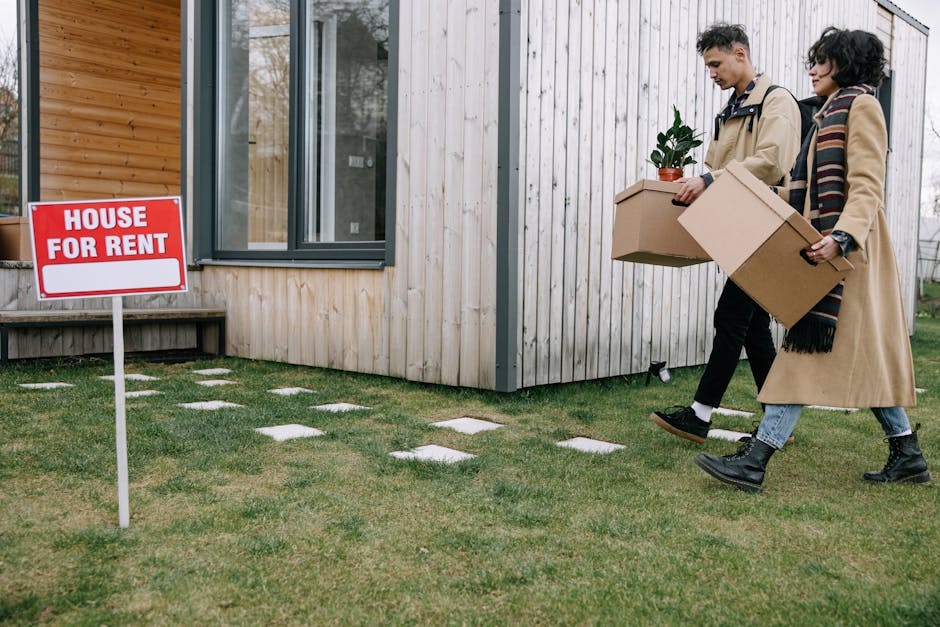
The Rent vs Buy Decision in 2026
The housing landscape in 2026 looks dramatically different from the pandemic-era market. Mortgage rates have stabilized but remain well above the sub-3% rates that fueled the 2020-2021 buying frenzy. The median existing home price in the United States sits near $410,000, while median monthly rent has climbed to approximately $2,184 nationally.
For many Americans, the question is no longer simply "should I buy?" but rather "can I afford to buy, and does it make financial sense right now?" The answer depends on multiple factors including your local market, how long you plan to stay, your savings, credit score, and personal financial goals.
The National Association of Realtors reports that the U.S. homeownership rate stands at approximately 66%, meaning about one-third of American households rent their primary residence. Both paths can lead to financial security when approached strategically.
True Cost Comparison: Renting vs Buying
Comparing rent to a mortgage payment alone misses the full picture. Homeownership carries costs that never appear in a simple monthly payment calculator. Understanding the total cost of each option reveals which one actually fits your budget.
Monthly Renting Costs
Monthly Buying Costs ($410K Home)
Important: These figures represent national medians. Your local market may differ significantly. In expensive metros like San Francisco or New York, the gap between renting and buying costs widens further. In affordable markets like the Midwest, buying can be comparable to or cheaper than renting.
Pros and Cons of Renting a Home
Renting offers flexibility that homeownership cannot match. For people in career transition, those new to a city, or anyone who values mobility, renting makes practical and financial sense. But renting also means your monthly payment builds someone else's equity rather than your own.
Advantages of Renting
Lower upfront costs. Security deposits typically equal one to two months rent compared to tens of thousands for a down payment.
No maintenance expenses. Your landlord covers repairs, appliance replacements, and major structural issues.
Geographic flexibility. Lease terms of 12 months or less let you relocate for a new job or life change without selling a property.
Predictable monthly costs. Your rent amount stays fixed during the lease term with no surprise repair bills.
Access to amenities. Many rental communities include gyms, pools, and common spaces that would cost thousands to add to a home.
No market risk. You are not exposed to home price declines that could wipe out your equity.
Disadvantages of Renting
No equity building. Every rent payment goes to your landlord with zero return on your investment.
Rent increases. Landlords can raise rent at lease renewal, sometimes by 5% to 10% annually in competitive markets.
Limited customization. Most leases restrict painting, renovations, and significant changes to the living space.
No tax benefits. Renters cannot deduct mortgage interest or property taxes on their federal income tax return.
Housing instability. Landlords can choose not to renew your lease, forcing an unwanted move.
Pet restrictions. Many rentals prohibit pets or charge substantial pet deposits and monthly pet rent.
Pros and Cons of Buying a Home
Buying a home remains the primary wealth-building vehicle for American families. The Federal Reserve reports that the median net worth of homeowners is roughly 40 times greater than that of renters. But homeownership is not without risk, and buying at the wrong time or in the wrong market can set you back financially.
Advantages of Buying
Equity building. Every mortgage payment reduces your loan balance and increases your ownership stake in the property.
Home appreciation. Historically, U.S. home prices have increased an average of 3% to 4% per year over the long term.
Tax deductions. Mortgage interest and property tax payments may be deductible, reducing your taxable income.
Fixed housing costs. A 30-year fixed-rate mortgage locks in your principal and interest payment for the life of the loan.
Complete control. You can renovate, paint, landscape, and modify your home however you choose.
Forced savings. Mortgage payments function as a savings mechanism, building wealth you can access later through sale or refinancing.
Disadvantages of Buying
High upfront costs. Down payments, closing costs, inspections, and moving expenses can total $30,000 to $80,000 or more.
Maintenance responsibility. Budget 1% to 2% of your home value annually for repairs and upkeep.
Market risk. Home values can decline, potentially leaving you underwater on your mortgage.
Reduced mobility. Selling a home takes time and costs 8% to 10% of the sale price in agent commissions and closing costs.
Property tax increases. Local governments can raise property taxes, increasing your housing costs unpredictably.
Opportunity cost. Money locked in a down payment cannot be invested in stocks or other assets that may yield higher returns.

Break-Even Analysis: When Does Buying Become Cheaper?
The break-even point is the moment when the total cost of owning a home equals the total cost of renting over the same period. Before that point, you would have been financially better off renting. After it, homeownership starts paying off.
Several factors determine your break-even timeline. Closing costs are the biggest initial hurdle because they represent money you would not have spent as a renter. Home price appreciation works in your favor, while maintenance costs and property taxes work against you.
| Scenario | Home Appreciation | Mortgage Rate | Break-Even Point |
|---|---|---|---|
| Strong market | 5%+ per year | 6.0% | 3–4 years |
| Average market | 3–4% per year | 6.5% | 5–7 years |
| Flat market | 0–2% per year | 7.0% | 8–12 years |
| Declining market | Negative | 7.0%+ | 12+ years |
Pro Tip: Use the New York Times rent vs buy calculator or the NerdWallet version to run numbers specific to your situation. Input your actual rent, the home price you are considering, local property tax rates, and your expected down payment for the most accurate comparison.
Side-by-Side Financial Comparison
This comparison assumes a $410,000 home purchase with 10% down versus renting at the national median. Both scenarios account for a 10-year time horizon with 3% annual home appreciation and 4% annual rent increases.
| Factor | Renting (10 Years) | Buying (10 Years) |
|---|---|---|
| Total housing payments | $314,640 | $348,840 |
| Property taxes paid | $0 | $41,040 |
| Insurance costs | $2,880 | $21,000 |
| Maintenance and repairs | $0 | $41,000 |
| Closing costs (buy and sell) | $0 | $53,300 |
| Home equity gained | $0 | $141,300 |
| Home appreciation gained | $0 | $140,640 |
| Net cost after 10 years | –$317,520 | –$223,240 |
After 10 years, the buyer in this scenario comes out approximately $94,000 ahead compared to the renter. However, this advantage depends heavily on home appreciation. In a flat market with zero appreciation, the buyer's advantage shrinks to roughly $28,000. And if the buyer sells before year 5, closing costs may actually put them behind the renter.
When Renting Makes More Financial Sense
Renting is often the smarter financial move in specific situations. Understanding when renting wins helps you avoid the costly mistake of buying at the wrong time.
You plan to move within 3 years
Selling a home costs 8% to 10% of the sale price in commissions, closing costs, and transfer taxes. Combined with the initial closing costs of buying, you need significant home appreciation to break even on a short ownership period.
Your local market is overvalued
If price-to-rent ratios in your area exceed 20-to-1, the market may be overheated. Buying in an overvalued market increases your risk of losing money if prices correct.
You have high-interest debt
Credit card debt at 20%+ interest costs far more than the return on home equity. Pay off high-interest debt before stretching to buy a home. Your net worth grows faster by eliminating expensive debt first.
You lack an emergency fund
Homeowners need 3 to 6 months of expenses in savings plus a maintenance reserve. A broken furnace or roof repair can cost $5,000 to $15,000. Without reserves, an unexpected repair can push you into debt.
Your career is in transition
Job changes, industry shifts, or potential relocations make renting the safer choice. The flexibility to move quickly without selling a property gives you career agility worth real dollars.
When Buying Makes More Financial Sense
Buying makes sense when the timing, market conditions, and personal finances align. These scenarios typically favor purchasing over renting.
You plan to stay at least 5 years
A 5-year minimum allows time to recoup closing costs and benefit from equity building and appreciation. The longer you own, the more buying typically outperforms renting financially.
You have a 20% down payment saved
Putting 20% down eliminates private mortgage insurance (PMI), reduces your monthly payment, and gives you immediate equity. This puts you in a much stronger financial position from day one.
Monthly mortgage costs are near rent levels
In markets where total mortgage payments (including taxes and insurance) are within 10% to 15% of comparable rent, buying is almost always the better long-term move because you build equity simultaneously.
You want stability and control
Homeownership means no surprise lease non-renewals, freedom to renovate, and stable school districts for families with children. These lifestyle benefits have real value beyond the financial math.
Your local market has strong appreciation potential
Areas with job growth, population increases, and limited housing supply tend to see above-average home price appreciation. Buying early in a growing market accelerates wealth building.

2026 Housing Market Conditions
The 2026 housing market presents a mixed picture for potential buyers. Mortgage rates have stabilized in the 6.0% to 6.8% range, down from the 7%+ peaks of late 2023 but still far above the historic lows of 2020-2021. This rate environment has kept many existing homeowners in place, reluctant to give up their sub-4% mortgages.
This "lock-in effect" has constrained housing inventory, keeping home prices elevated despite softer demand. The result is a market that challenges both buyers (high prices and rates) and renters (limited rental supply pushing rents higher).
For buyers, the silver lining is that competition has eased compared to the frenzied bidding wars of 2021-2022. Fewer multiple-offer situations and more room for negotiation give today's buyers leverage that was impossible two years ago. Read our full analysis of real estate statistics for 2026.
The 5% Rule for Renting vs Buying
The 5% rule is a simple framework to compare renting and buying costs. It estimates that the annual unrecoverable cost of homeownership equals approximately 5% of the home value. This includes 1% for property taxes, 1% for maintenance, and 3% for the cost of capital (the opportunity cost of your down payment plus mortgage interest minus principal repayment).
To use the rule, multiply the home price by 5% and divide by 12. If your monthly rent is less than this figure, renting is potentially the better financial choice. If your rent exceeds this figure, buying may save you money.
5% Rule Example
If you can rent a comparable home for less than $1,667 per month, renting is likely the better financial option under the 5% rule. If comparable rent exceeds this amount, buying may make more sense.
Keep in mind the 5% rule is a rough guideline, not a precise calculator. It does not account for home appreciation, tax deductions, or differences in rental quality versus owned housing. Use it as a quick screening tool, then run detailed numbers with a comprehensive rent vs buy calculator.
The Rent and Invest Strategy
The "rent and invest" approach challenges the traditional wisdom that buying is always better. The strategy is simple: rent a home at lower cost than owning and invest the savings in the stock market or other investment vehicles.
Proponents point out that the S&P 500 has returned roughly 10% annually on average over the past 50 years, compared to approximately 3% to 4% for home prices. By investing your would-be down payment and the monthly savings from lower rent, you could potentially build more wealth than a homeowner.
| Scenario (20 Years) | Buy a Home | Rent and Invest |
|---|---|---|
| Starting capital (down payment) | $82,000 in home | $82,000 invested |
| Monthly savings invested | $0 | $500/month |
| Assumed return rate | 3.5% appreciation | 8% market return |
| Estimated wealth at year 20 | $516,000 equity | $663,000 portfolio |
However, this strategy requires exceptional discipline. Most people lack the commitment to consistently invest their savings every month for decades. Homeownership works as "forced savings" because the mortgage payment is mandatory. The rent and invest approach also ignores the tax benefits of homeownership and the emotional security that comes with owning your home.
A real estate agent can help you evaluate whether your local market conditions favor buying or continued renting. Market-specific factors like property tax rates, home appreciation trends, and rental availability all influence the math.
Emotional and Lifestyle Factors
The rent vs buy decision is not purely financial. Lifestyle preferences, family needs, and personal values play an equally important role.
Reasons People Choose to Buy
Sense of permanence and belonging in a community.
Freedom to make the space truly their own.
Stability for children in consistent school districts.
Pride of ownership and achieving a life milestone.
Building a legacy to pass down to future generations.
Reasons People Choose to Rent
Freedom to explore different neighborhoods and cities.
Less stress from avoiding maintenance responsibilities.
Ability to live in areas where buying is unaffordable.
More time and energy for career, travel, or hobbies.
Lower financial risk during uncertain economic times.
Neither choice is universally right or wrong. A 25-year-old software developer who might relocate to three different cities in the next decade has different needs than a 38-year-old parent looking for a stable neighborhood with good schools. Your housing decision should reflect where you are today and where you see yourself in the next 5 to 10 years.
Home Buying Readiness Checklist
Before shifting from renting to buying, use this checklist to assess your financial readiness. Meeting most of these criteria suggests you are in a strong position to buy. If you fall short on several items, continuing to rent while building your financial foundation may be the wiser path.
Credit score of 620 or higher
A 740+ score gets the best mortgage rates. Learn about credit scores needed to buy a house.
Down payment of at least 3% to 20% saved
Explore down payment assistance programs if you need help reaching your savings goal.
Emergency fund with 3 to 6 months of expenses
This fund should be separate from your down payment savings.
Debt-to-income ratio below 43%
Most lenders require your total monthly debt payments (including the new mortgage) to stay below 43% of gross monthly income.
Stable employment for at least 2 years
Lenders want to see consistent income history. Self-employed borrowers typically need 2 years of tax returns.
Planning to stay in the area for 5+ years
Short ownership periods make it difficult to recoup closing costs and transaction fees.
Pre-approved for a mortgage
Get pre-approved for a mortgage to understand exactly how much you can borrow.
Frequently Asked Questions
Is it cheaper to rent or buy a house in 2026?
It depends on your local market, interest rates, and how long you plan to stay. In many U.S. metros, monthly mortgage payments now exceed average rent by 20% to 40%. However, homeowners build equity over time while renters do not. The break-even point where buying becomes cheaper than renting is typically 3 to 7 years depending on home price appreciation and mortgage rates.
What is the 5% rule for renting vs buying?
The 5% rule states that you should multiply the value of a home by 5% to determine the annual cost of ownership. Then divide by 12 to get a monthly cost. If your monthly rent is less than this figure, renting may be the better financial choice. For a $400,000 home, the monthly threshold would be $1,667.
How long should I plan to live somewhere before buying makes sense?
Most financial experts recommend planning to stay at least 5 years before buying a home. This allows time to recoup closing costs, build meaningful equity, and benefit from home appreciation. If you expect to move within 2 to 3 years, renting is usually more financially sound.
Can I build wealth by renting instead of buying?
Yes, through the "rent and invest" strategy. Invest the money saved on down payments, maintenance, and property taxes into diversified stock market funds. Historical stock market returns average 10% annually compared to roughly 3% to 4% for home prices. However, this requires strong financial discipline.
What credit score do I need to buy a house?
FHA loans require a 580 score for 3.5% down payment. Conventional loans typically need a 620 minimum. VA and USDA loans have no official minimum but lenders usually want 620+. A higher score gets better rates. Learn more in our credit score guide.
What are the hidden costs of buying a home that renters avoid?
Homeowners face closing costs (2% to 5% of purchase price), property taxes, homeowners insurance, PMI if putting less than 20% down, maintenance and repairs (1% to 2% of home value annually), HOA fees, and potential special assessments. Check our guide on hidden costs of buying a house.
Related Guides in This Series
Ready to Make the Move from Renting to Buying?
A local real estate agent can run the numbers for your specific market and help you find homes that fit your budget. Our free matching service connects you with top agents in your area.
Find My AgentThe Bottom Line on Renting vs Buying in 2026
Whether you buy or rent, the right decision depends entirely on your personal financial situation, lifestyle goals, and local market conditions. When you compare the cost of renting and buying a home over time, buying vs renting becomes a question of timelines and commitment. Buying a home could be one of the most powerful wealth-building tools available to American families when the timing is right. Capital gains exclusions protect your profit, home maintenance builds long-term value, and home improvements increase what you can sell for later. The cost of buying is front-loaded, but the rewards compound over decades. If you are ready to purchase a home, working with the right agent makes all the difference.
If you meet most of the items on the readiness checklist above, have a stable income, and plan to stay put for at least five years, buying is likely the smart move. If any of those factors are uncertain, renting gives you the flexibility to strengthen your financial position before committing to the biggest purchase of your life.
Whichever path you choose, make the decision based on data, not emotion. Run the numbers, understand the true costs, and consult with a knowledgeable real estate agent who can provide market-specific guidance. The goal is not simply to own or rent, but to build financial security on a timeline that works for your life.