20 Things to Know Before Buying a House in 2026
The essential facts every buyer needs before making the biggest purchase of their life.
Buying a house is the biggest financial decision most people ever make. Yet many first-time home buyers jump in without knowing the full picture. From hidden costs to inspection red flags to the home buying process itself, there are critical things every buyer must understand before signing a purchase agreement. The more prepared you are, the better deal you will get and the fewer surprises you will face at the closing table.
This guide covers the 20 most important things to consider when buying a house in 2026. Whether you are buying a new home, an older home, or your first house, these insights will help you save money, avoid common pitfalls, and find the perfect home with confidence. There are many things to look for when buying a property. A qualified real estate agent can walk you through each step, but knowing these things upfront puts you in a stronger negotiating position from day one.
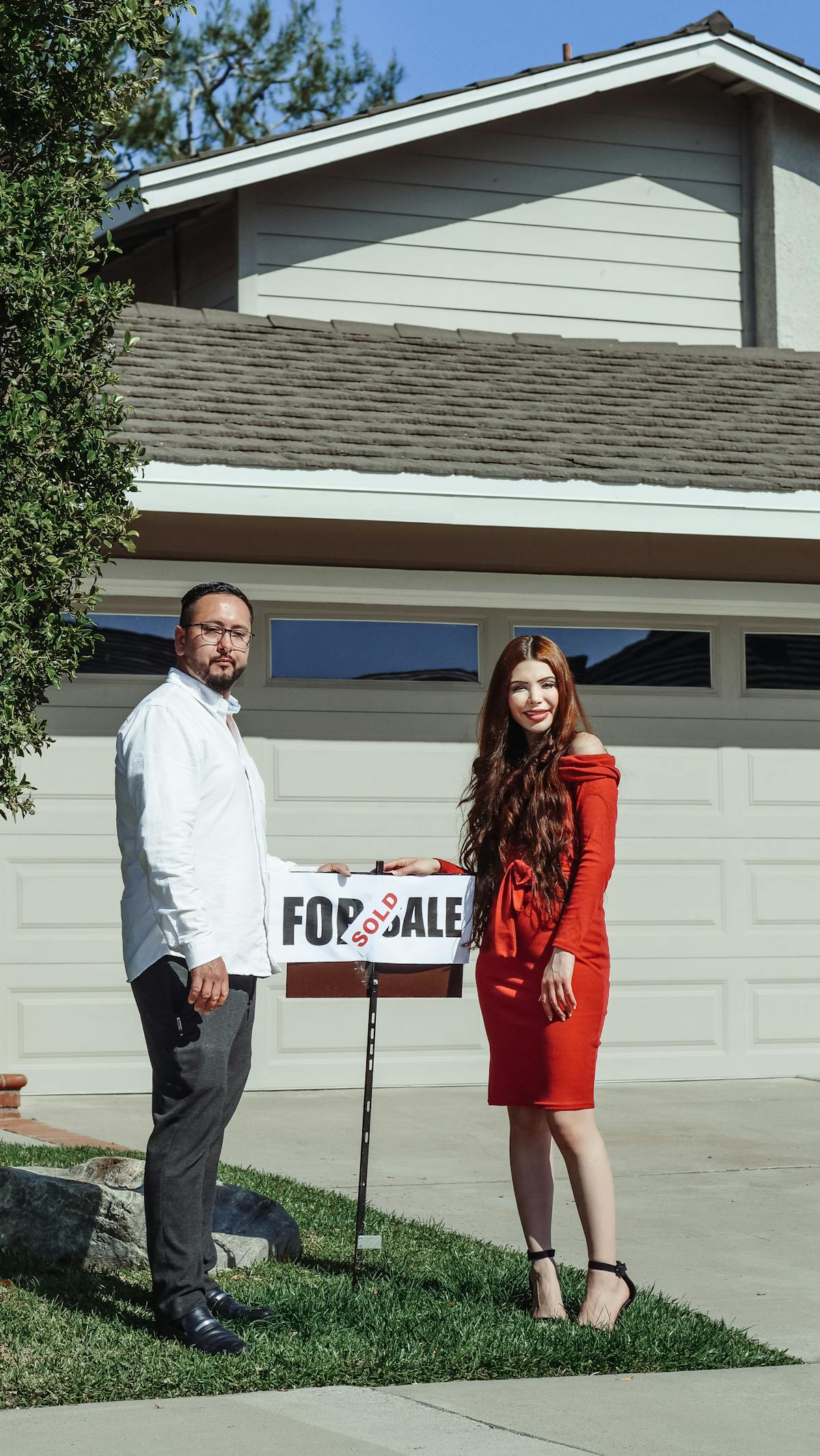
Preparation is the biggest advantage a homebuyer can have.
1 Know How Much You Can Actually Afford
Before you start browsing listings, determine your true budget. Most lenders follow the 28/36 rule. Your mortgage payment should not exceed 28% of your gross monthly income. Your total debt payments should stay below 36%. On a $75,000 salary, that means a maximum monthly mortgage payment of about $1,750.
Use our home affordability guide to figure out how much home you can afford. Factor in property taxes, insurance, HOA fees, and maintenance and upkeep. You'll need to consider these when calculating whether you can comfortably make your monthly mortgage payment. Never spend more than 28% of your income on housing. Many buyers qualify for more than they can comfortably afford. If you are thinking about buying, remember that just because a lender approves you for a certain loan amount does not mean you should borrow it all. Account for monthly expenses beyond your mortgage. A professional home appraisal will ultimately verify the property value.
2 Get Pre-Approved Before You Start Looking
A mortgage pre-approval letter tells sellers you are a serious buyer with verified financing. Pre-approval is different from pre-qualification. Pre-qualification is an estimate. Pre-approval means a lender has reviewed your income, credit, assets, and debts and is willing to lend you a specific amount.
In competitive markets, sellers will not even consider offers without a pre-approval letter attached. Compare multiple mortgage lenders to find the best home loan terms. The process takes one to three days and requires pay stubs, tax returns, bank statements, and a credit check. Your pre-approval is typically valid for 60 to 90 days.
3 Your Credit Score Directly Affects Your Interest Rate
A 740+ credit score qualifies you for the best mortgage rates. A 680 score might add 0.5% to your rate. On a $300,000 loan, that 0.5% difference costs over $30,000 in extra interest over 30 years. Check your score months before you plan to buy a house and take steps to improve your credit score if needed.
The minimum credit score to buy a house varies by loan type. FHA loans accept scores as low as 580. Conventional loans usually require 620 or higher. Pay down credit card balances, avoid opening new accounts, and dispute any errors on your credit report before applying. Use this step-by-step guide to know what to look at when buying your next home.
4 The Down Payment Does Not Have to Be 20%
The 20% down payment is a myth for many buyers. FHA loans require as little as 3.5% down. Conventional loans start at 3% down for qualified borrowers. VA loans and USDA loans offer zero down payment options for eligible buyers. Down payment assistance programs exist in every state.
Putting less than 20% down means you will pay private mortgage insurance (PMI), which typically adds $50 to $200 per month on a $300,000 loan. PMI drops off once you reach 20% equity. For many buyers, the cost of PMI is worth it to buy sooner rather than waiting years to save a full 20%.
5 Budget for Closing Costs on Top of Your Down Payment
Closing costs range from 2% to 5% of the purchase price. On a $350,000 home, that is $7,000 to $17,500. These costs are based on the home's purchase price and include lender fees, title insurance, appraisal fees, attorney fees, and prepaid taxes and insurance. If the home you're buying requires additional inspections, budget for those too. Many first-time buyers are shocked by these expenses because they focus only on the down payment.
Our closing costs by state guide breaks down what you will pay based on your location. In some cases, you can negotiate seller concessions to cover part of your closing costs. Your real estate agent can advise on when and how to make that request.
6 Understand the Different Mortgage Types
Not all mortgages are the same. Conventional loans work best for buyers with good credit and at least 3% down. FHA loans are designed for buyers with lower credit scores or smaller down payments. VA loans offer zero down payment for veterans and active military. USDA loans cover rural and suburban properties.
Whether you choose a single-family home or a condo, compare the differences between conventional and FHA mortgage loans to find the right fit for your price range. Fixed-rate mortgages keep your payment the same for 30 years. Adjustable-rate mortgages (ARMs) start lower but can rise after the initial period. Most first-time home buyers choose a 30-year fixed-rate loan for predictability.
7 A Good Real Estate Agent Saves You Money
A buyer's agent does more than open doors. They analyze comparable sales, negotiate repairs, flag overpriced listings, and protect your interests through closing. According to the National Association of REALTORS, buyers who worked with an agent paid an average of 5% less than those who negotiated on their own. Learn what a real estate agent does for buyers.
Since the 2024 buyer-broker agreement changes, buyers now sign a written agreement with their agent before touring homes. This agreement outlines compensation and services. Find a local real estate agent who knows your target neighborhood and has strong recent transaction history. Interview at least two or three agents before committing.
What It Really Costs to Buy a $350,000 Home
| Expense | Low Estimate | High Estimate | Notes |
|---|---|---|---|
| Down Payment (3%–20%) | $10,500 | $70,000 | FHA as low as 3.5%; VA/USDA at 0% |
| Closing Costs (2%–5%) | $7,000 | $17,500 | Varies by state and lender |
| Home Inspection | $300 | $500 | Additional for radon, termite, etc. |
| Appraisal | $300 | $600 | Required by lender |
| Earnest Money Deposit | $3,500 | $10,500 | 1%–3% of price; applied to down payment |
| Moving Costs | $1,000 | $5,000 | Local vs. long-distance |
| First-Year Maintenance | $5,000 | $15,000 | Budget 1%–3% of home value yearly |
| Emergency Fund (3–6 months) | $8,000 | $18,000 | Should be separate from down payment |
| Total Cash Needed | $35,600 | $137,100 | Varies widely by loan type and location |
8 Never Skip the Home Inspection
A home inspection costs $300 to $500 and can save you tens of thousands in hidden repairs. A qualified home inspector checks the roof, foundation, plumbing, electrical, HVAC, and structural integrity. They also look for water damage and mold, termite issues, and whether the property is well-maintained. An older home may need additional inspections. Review our home inspection checklist to know what to expect.
If the inspection reveals major issues, you can negotiate repairs, ask for a price reduction, or walk away if you have an inspection contingency. Learn what happens after a home inspection so you know your options. Waiving the inspection to win a bidding war is risky and rarely worth it.
9 The Appraisal Protects You Too
Your lender orders an appraisal to confirm the home is worth the purchase price. If the appraisal comes in low, you have leverage to renegotiate. A low appraisal does not kill the deal. It gives you options: renegotiate the price, make up the difference in cash, or walk away.
An appraisal typically costs $300 to $600 and takes one to two weeks. Know how long an appraisal takes so you can plan your timeline. The appraisal contingency in your contract protects you if the home does not appraise at the agreed price.
10 Earnest Money Shows You Are Serious
When you make an offer on a home, you put down an earnest money deposit of 1% to 3% of the sale price. This money goes into escrow and is applied toward your down payment at closing. It shows the seller you are committed.
Your earnest money is protected by contingencies. If the deal falls through due to a failed inspection, low appraisal, or financing issue, you typically get your deposit back. Learn more about when earnest money is refundable so you understand your rights.
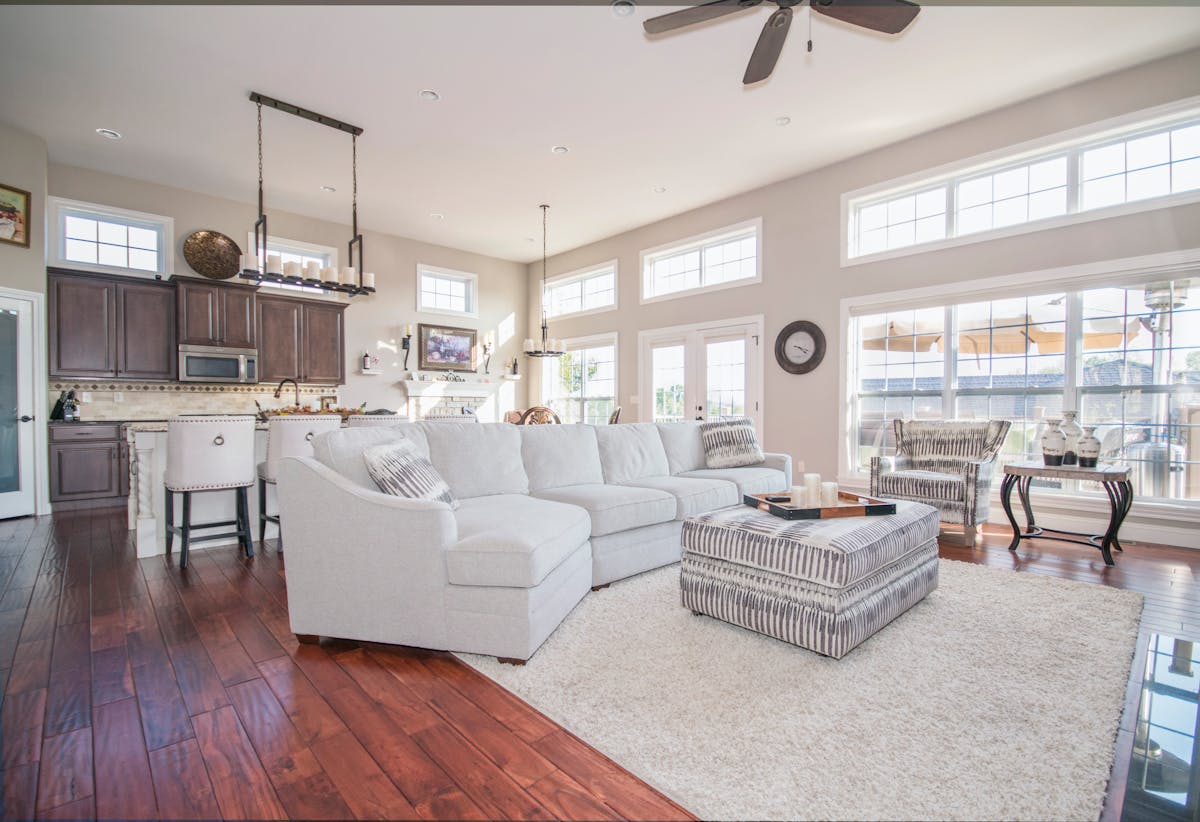
Understanding the full cost of homeownership prevents budget surprises.
Want Expert Guidance Through Every Step?
A local real estate agent helps you avoid costly mistakes and negotiate the best deal. Connect with a top-rated agent in your area for free.
Find a Real Estate Agent11 Property Taxes Vary Wildly by Location
Property tax rates range from 0.31% in Hawaii to 2.23% in New Jersey. On a $350,000 home, that difference means paying $1,085 per year vs. $7,805 per year. These taxes are typically rolled into your monthly mortgage payment through an escrow account.
Check property tax rates by state and look up the specific county rate for any home you consider. Property taxes can increase over time as home values rise or local governments adjust rates. A real estate agent can pull the tax history for any property you are considering.
12 Homeowners Insurance Is Required and Getting More Expensive
Every mortgage lender requires homeowners insurance. The average annual premium is about $2,300 nationally, but it varies significantly by state and risk factors. Florida, Louisiana, and Texas have the highest premiums due to hurricane and storm risk. Some areas also require separate flood or earthquake coverage.
Flood insurance is required in FEMA-designated flood zones and costs an additional $700 to $2,000 per year. Shop at least three home insurance quotes before closing. Bundling with your auto insurance often gets you a discount. Review what your home insurance covers carefully. The cheapest policy is not always the best policy when you need to file a claim. Remote workers who work from home should check if their policy covers home office equipment.
13 Understand What Contingent, Pending, and Under Contract Mean
When browsing listings, you will see status labels that affect whether you can still make an offer. Contingent means the seller accepted an offer but conditions remain. Pending means conditions are met and the sale is moving toward closing. Under contract is similar to contingent.
You can sometimes submit a backup offer on contingent listings. Pending homes are nearly off the market. Your real estate agent will know which listings are worth pursuing and which are effectively sold.
14 Do Not Make Big Financial Changes Before Closing
After pre-approval, your lender monitors your credit. Do not open new credit cards, finance a car, make large cash deposits, or change jobs before your loan closes. Any major financial change can trigger a new credit check and potentially delay or derail your mortgage.
Lenders run a final credit check 24 to 48 hours before closing. A new credit inquiry or increased debt-to-income ratio can cause your loan to be denied at the last minute. Keep your financial profile as stable as possible until you have the house keys in your hand. Create a wish list of priorities but stay flexible on features.
15 The Final Walkthrough Is Not Optional
The final walkthrough happens 24 to 48 hours before closing. It confirms the seller completed agreed-upon repairs, all appliances are present, and no new damage occurred. This is your last chance to catch problems before you take ownership.
Check every room, run all faucets, test the HVAC, and verify that fixtures listed in the contract are still in the home. If something is wrong with a prospective home, your real estate agent can delay closing or negotiate a credit at the closing table. Once you have found the perfect home, this step confirms it is truly ready for you.
16 Watch Out for Wire Fraud at Closing
Real estate wire fraud targets one in four home buyers according to industry reports. Scammers impersonate your title company or real estate agent and send fake wiring instructions via email. If you send money to the wrong account, it is almost impossible to recover.
Always verify wiring instructions by calling your title company directly using a number from their website. Never use a phone number or link from an email. Confirm the account details verbally before transferring any funds. This is one of the most important things to know before buying a house.
17 Location Matters More Than the House Itself
You can renovate a kitchen. You cannot move a potential home to a better school district. Location drives 80% of a home's long-term value. Research the neighborhood and number of bedrooms you'll need. Check school ratings even if you do not have children (they affect resale value). Find a home close to your workplace. Drive the commute during rush hour and visit at different times of day. A home that may look perfect during the day could reveal noise or safety issues at night.
Ask your real estate agent about planned developments, zoning changes, and infrastructure projects that could affect the area. A highway expansion or new commercial development can boost or hurt property values depending on its proximity to your home.
18 First-Time Buyer Programs Can Save You Thousands
Every state offers first-time home buyer programs with grants, low-interest loans, and down payment assistance. Tax credits and grants can reduce your upfront costs by $5,000 to $25,000 or more. Check programs by state for what is available in your area.
Many buyers qualify but never apply because they do not know these programs exist. Your lender or real estate agent should be able to point you toward the right options. Some programs have income limits and first-time buyer requirements, but the definition of "first-time buyer" is often broader than you think.
19 Know What Closing Day Actually Looks Like
Closing day involves signing a stack of legal documents, wiring your remaining funds, and receiving the keys. The process takes one to two hours. Bring a valid photo ID, a cashier's check or wire transfer confirmation, and proof of homeowners insurance. Know how long closing takes so you can plan your schedule.
Review the Closing Disclosure at least three days before your closing date. This document lists every fee you will pay. Compare it to the Loan Estimate you received when you applied. If any numbers changed significantly, ask your lender to explain before you sign.
20 Buying a Home Is a Long-Term Investment
Real estate appreciates an average of 3% to 5% per year nationally, but short-term fluctuations happen. Newer homes tend to appreciate differently than older properties. Plan to stay in your home for at least five to seven years to recoup the costs associated with buying and build meaningful equity. Selling within two years usually means losing money after commissions, closing costs, and potential market dips.
Think of your home as a place to live first and an investment second. The best time to buy is when you are financially ready, not when someone tells you the market is "perfect." A local real estate agent can help you evaluate whether buying now makes sense for your specific situation and goals.

The right preparation turns buying a home from stressful to exciting.
Pre-Purchase Readiness Checklist
Complete these before you start house hunting.
Frequently Asked Questions
What is the most important thing to know before buying a house?
Know exactly how much you can afford before you start looking at homes. Get pre-approved for a mortgage so you understand your budget, monthly payment, and interest rate. Most financial experts recommend keeping your total housing costs below 28% of your gross monthly income. This prevents you from becoming house poor and keeps room in your budget for savings and emergencies.
How much money should I save before buying a house?
Plan to save 3% to 20% of the purchase price for a down payment, plus 2% to 5% for closing costs. You should also have three to six months of living expenses in an emergency fund. For a $350,000 home with 5% down, that means roughly $17,500 for the down payment, $10,000 for closing costs, and $10,000 to $20,000 in reserves. Total: approximately $37,500 to $47,500.
What credit score do I need to buy a house?
The minimum credit score depends on the loan type. FHA loans require a 580 score for 3.5% down, or 500 with 10% down. Conventional loans typically require a 620 minimum. VA and USDA loans have no official minimum but most lenders want at least 620. A higher credit score gets you a lower interest rate, which saves thousands of dollars over the life of the loan.
Should I hire a real estate agent to buy a house?
Yes. A buyer's real estate agent helps you find homes, negotiate the purchase price, navigate inspections and appraisals, and guide you through closing. Experienced agents know the local market and can identify red flags that first-time buyers often miss. Since the 2024 NAR settlement, buyers sign a buyer-broker agreement upfront that spells out exactly how the agent is compensated.
What are the hidden costs of buying a house?
Beyond the down payment and mortgage, budget for closing costs (2% to 5% of the price), home inspection ($300 to $500), appraisal ($300 to $600), homeowners insurance, property taxes, HOA fees, moving expenses, and immediate repairs or upgrades. First-year homeowners spend an average of $12,000 to $15,000 on maintenance and unexpected costs beyond their mortgage payment.
How long does it take to buy a house from start to finish?
The typical home purchase takes 30 to 60 days from accepted offer to closing. However, the full timeline from starting your home search to moving in can be three to six months or longer. Getting pre-approved takes one to three days. House hunting can take weeks or months depending on your market. The closing process itself averages 43 to 50 days for most loan types.
Ready to Start Your Home Search?
Now that you know what to expect, take the next step. A local real estate agent will guide you from pre-approval to closing day and make sure you never feel lost in the process.
Find Your Agent Now