USDA Loan Requirements: Complete Guide for 2026
Qualify for a zero down payment mortgage backed by the U.S. Department of Agriculture. Here is what you need to know.
A USDA loan is one of the most affordable mortgage options available to home buyers in 2026. Backed by the United States Department of Agriculture, this loan program requires no down payment and offers below-market interest rates to eligible borrowers who want to buy a home in a qualifying rural or suburban area.
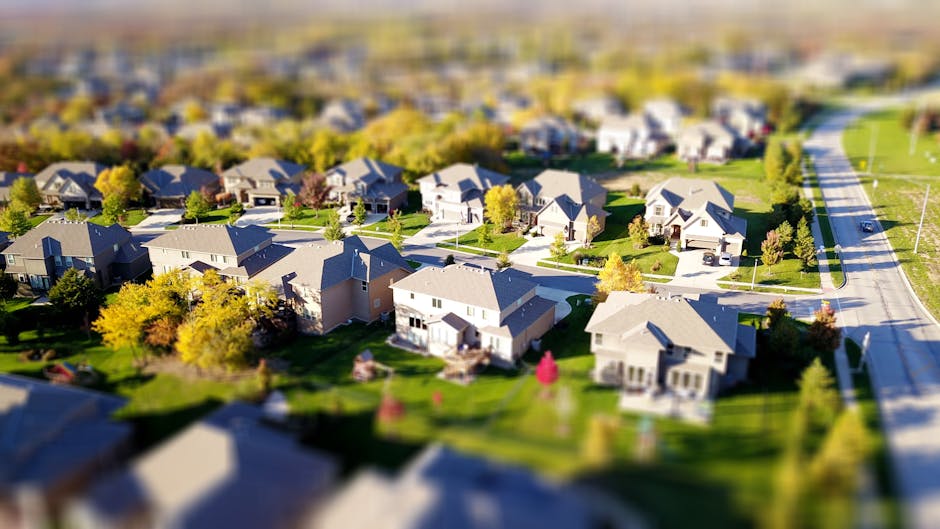
Many home buyers assume USDA loans are only for farmland, but that is a common misconception. The USDA loan is designed to help moderate-income families buy homes outside major cities, and the program covers approximately 97% of the geographic area of the United States. Suburban neighborhoods, small towns, and communities outside major metropolitan areas all qualify. If you meet the USDA loan requirements, this program can save you thousands compared to a conventional or FHA mortgage.
In This Guide
What Is a USDA Loan?
A USDA loan is a government-backed mortgage program administered by the U.S. Department of Agriculture through its Rural Development division. The program helps low to moderate income borrowers purchase homes in eligible rural and suburban areas with favorable loan terms.
Unlike conventional loans that require a down payment of 3% to 20%, USDA loans have no down payment requirement. The zero down payment requirement is one of the biggest advantages of the program. USDA loans also offer competitive interest rates that are typically lower than conventional mortgage rates. If your home qualifies for a USDA loan and you meet the property requirements, this program can be the most affordable path to homeownership in 2026.
The USDA does not lend money directly to borrowers through the guaranteed program. Instead, private lenders that offer USDA loans originate the mortgages, and the USDA guarantees them against default. If a borrower defaults, the USDA covers a portion of the lender's loss. This guarantee allows lenders to offer better terms for homes in rural areas and qualify borrowers who might not meet conventional loan standards. You can check USDA Rural Development's website to find lenders in your area.
USDA Loan Requirements at a Glance
To qualify for a USDA loan, you must meet several eligibility criteria related to your income, location, credit history, and the property you plan to purchase. Here is a summary of the key USDA loan requirements for 2026.
Down Payment
0% required. Full 100% financing available.
Credit Score
640 minimum for most lenders. Manual underwriting available for lower scores.
Income Limit
Cannot exceed 115% of the area median income for your county.
Location
Must be in a USDA-eligible rural or suburban area.
Debt-to-Income Ratio
29% front-end, 41% back-end maximum.
Property Type
Primary residence only. Single-family homes, condos, and manufactured homes.
1 USDA Loan Credit Score Requirements
The USDA itself does not set a minimum credit score for its guaranteed loan program. However, the lender you work with will have its own credit score requirements. Most USDA-approved lenders look for a FICO credit score of at least 640 to issue an automated approval through GUS, the USDA's Guaranteed Underwriting System.
Borrowers with credit scores below 640 are not automatically disqualified. If your credit score falls between 580 and 639, you may still be eligible for a USDA loan through manual underwriting. This process involves a more detailed review of your credit history, employment, savings, and other compensating factors that demonstrate your ability to repay the loan.
Your credit history matters beyond just the score. The USDA credit requirements include a consistent pattern of on-time payments. Late payments on existing debts, collections, or judgments within the past 12 months can make qualification more difficult. Before applying for a USDA home loan, check your credit report for errors and work on paying down outstanding debts. Meeting the USDA home loan requirements for credit takes preparation, but it is achievable for most borrowers.
Pro Tip
A credit score of 640 or higher gives you the best chance of approval and access to the lowest USDA mortgage rates. Spend time improving your score before applying if possible.
2 USDA Loan Income Limits
Unlike most mortgage programs, USDA loans have household income limits. Your total household income cannot exceed 115% of the area median income (AMI) for the county where you plan to buy. This means the USDA looks at the earnings of everyone living in the home, not just the person on the mortgage.
Income limits vary by county and household size. For a household of 1 to 4 people, the standard income limit in most areas is $112,450 for 2026. Households with 5 to 8 members have a higher limit of $148,450. High-cost counties may have significantly higher thresholds.
| Household Size | Standard Limit (Most Areas) | High-Cost Areas |
|---|---|---|
| 1–4 members | $112,450 | Up to $234,800 |
| 5–8 members | $148,450 | Up to $309,900 |
To determine your eligibility, the USDA includes income from all adult household members, even those not on the loan application. Certain deductions are allowed for dependents, child care expenses, medical costs for elderly family members, and disability-related expenses. Your real estate agent and lender can help you calculate your adjusted household income to determine whether you meet the USDA income requirements.
3 USDA Property Eligibility and Location Requirements
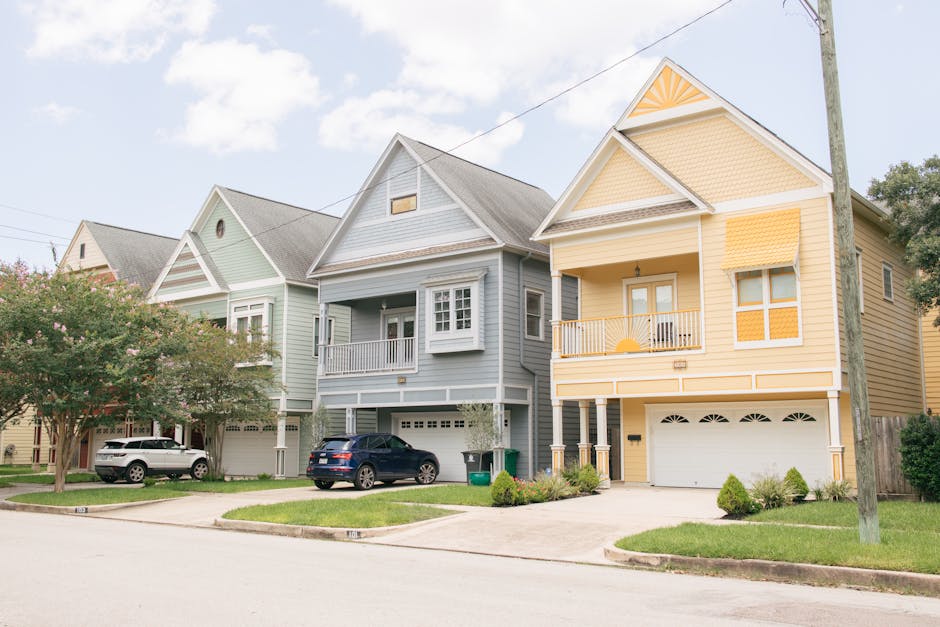
The USDA loan program is designed to promote homeownership in rural and suburban areas through the Single Family Housing Guaranteed Loan Program. To be eligible, the property you want to buy must be located in a qualifying eligible rural area as defined by the USDA eligibility map. Despite the "rural area" label, many suburban communities, small cities, and towns outside major metropolitan areas qualify for USDA financing.
Eligible areas generally include locations with populations of 35,000 or less that are not part of a metropolitan statistical area. The property must be located in an eligible rural area as defined by USDA Rural Development Guaranteed Housing Loan guidelines. The Rural Development Guaranteed Housing Loan program periodically updates its eligibility boundaries, so areas that qualify today may change. Always check your USDA property eligibility using the online tool before making an offer. Many communities that are eligible for USDA loans are located in a USDA-approved rural area just outside city limits.
Single-family homes in eligible areas
The most common property type for single family housing loans. Must be structurally sound and meet minimum USDA property requirements.
Condominiums
Must be in an approved condo project and located within an eligible area.
Manufactured and modular homes
Must meet HUD standards and be permanently affixed to a foundation on the property.
Not eligible
Investment properties, vacation homes, income-producing farms, and properties larger than what is typical for the area.
4 USDA Guarantee Fee (Mortgage Insurance)
While USDA loans do not charge private mortgage insurance (PMI), they do require a guarantee fee that serves a similar purpose. This fee funds the USDA loan guarantee program and allows the USDA to continue offering zero down payment mortgages.
The USDA guarantee fee has two components. The upfront guarantee fee is 1% of your total loan amount and can be rolled into the mortgage so you do not have to pay it out of pocket at closing. The annual guarantee fee is 0.35% of the remaining loan balance, divided into 12 monthly payments added to your mortgage payment.
1.0%
Upfront guarantee fee (can be financed)
0.35%
Annual guarantee fee (paid monthly)
For example, on a $250,000 USDA loan, the upfront fee would be $2,500 (financed into the loan for a total balance of $252,500). The annual fee would be approximately $875 per year, or about $73 per month added to your monthly mortgage payment. These costs are significantly lower than FHA mortgage insurance premiums, which charge 1.75% upfront and 0.55% annually.
5 Debt-to-Income Ratio Requirements
Your debt-to-income ratio (DTI) measures how much of your monthly gross income goes toward paying debts. USDA loans have two DTI thresholds that borrowers should be aware of when they apply for a USDA loan.
The front-end ratio (housing expenses only) should not exceed 29% of your gross monthly income. This includes your mortgage payment, property taxes, homeowner's insurance, and the USDA annual guarantee fee.
The back-end ratio (all monthly debt payments) should not exceed 41% of your gross monthly income. This includes your housing expenses plus car payments, student loans, credit card minimums, and any other recurring debts.
Borrowers with a credit score of 680 or higher may qualify with a slightly higher DTI ratio of up to 43%. Your USDA-approved lender will verify your income, assets, and debts during the application process to calculate these ratios.
Types of USDA Loan Programs
The USDA offers three distinct home loan programs through its Rural Development division. Each rural development loan type is designed for different borrower situations and income levels. Understanding which USDA loan type fits your needs helps you determine your USDA loan eligibility and choose the right path.
Section 502 Guaranteed Loan (Most Common)
This is the most popular USDA loan program. Private lenders issue the mortgage and the USDA guarantees up to 90% of the loan. Available to moderate-income borrowers who meet income limits. No down payment required.
Section 502 Direct Loan
The USDA direct loan, also called the Single Family Housing Direct Home Loans program, lends directly to very low-income and low-income applicants. This family housing direct home loans program offers interest rates as low as 1% with payment assistance. Household income must be below 50% to 80% of the area median income.
Section 504 Home Repair Loan
Provides loans and grants to very low-income homeowners for essential home repairs and improvements. Loans up to $40,000 at a 1% interest rate with up to 20 years to repay. Grants of up to $10,000 available for homeowners age 62 and older.
USDA Loan vs FHA Loan vs VA Loan
How does a USDA home loan compare to other government-backed mortgage options? Here is a side-by-side comparison to help you determine which loan program best fits your situation.
| Feature | USDA Loan | FHA Loan | VA Loan |
|---|---|---|---|
| Down Payment | 0% | 3.5% | 0% |
| Min. Credit Score | 640 | 580 | No minimum |
| Income Limits | Yes (115% AMI) | No | No |
| Location Limits | Rural/suburban only | Anywhere | Anywhere |
| Upfront Fee | 1.0% | 1.75% | 1.25%–3.3% |
| Annual Insurance | 0.35% | 0.55% | None |
| Military Required | No | No | Yes |
Key Takeaway: USDA loans offer the lowest total mortgage insurance costs of all government-backed programs. If you qualify based on income and location, a USDA loan is typically the most affordable choice. Compare these options with a conventional loan as well to find the best fit.
How to Apply for a USDA Loan
Applying for a USDA loan follows a similar process to other mortgage applications, with a few extra steps to verify USDA loan eligibility requirements. To learn more about USDA loan application steps, here is how to get started with the process.
Check your eligibility
Use the USDA property eligibility map and income eligibility tool on the USDA website to confirm you meet the loan eligibility requirements before starting the USDA loan application process.
Find a USDA-approved lender
Not all lenders participate in the USDA program. Look for mortgage companies, banks, or credit unions that are approved to originate USDA guaranteed loans. Your real estate agent may have lender recommendations.
Get pre-approved
Submit your financial documents including pay stubs, tax returns, W-2 forms, and bank statements. Your lender will verify your income, credit, and employment to issue a pre-approval letter.
Find a home in an eligible area
Work with your real estate agent to find properties in USDA-eligible locations. Always verify each property on the USDA eligibility map before making an offer.
Complete the USDA appraisal
USDA requires a property appraisal to confirm the home meets safety and structural standards. The appraiser also determines the home's market value. Schedule a home inspection separately for your own protection.
Close on your new home
After underwriting approval, you will sign loan documents and pay closing costs. USDA loans typically close within 30 to 45 days from when the lender submits your file for USDA review.
Employment and Work History Requirements
USDA loan guidelines require a stable employment history of at least two years. Your lender will verify your employment with your current and previous employers to confirm consistent income. Self-employed borrowers can also qualify but must provide two years of tax returns showing stable or increasing income.
You do not need to work in agriculture or farming to apply for a USDA loan. The program is available to anyone who meets the eligibility criteria regardless of their profession. Teachers, healthcare workers, retail employees, remote workers, and professionals in any field can apply for a USDA home loan if they meet the income and location requirements.
If you recently changed jobs or have gaps in your employment history, you may still qualify. Your loan officer will evaluate the circumstances and determine whether your current income is stable enough to support the mortgage payments. A strong credit score and savings history can help compensate for employment gaps.
Ready to Explore USDA Loan Options?
Connect with a local real estate agent who can help you find homes in USDA-eligible areas. Our matching service is free and comes with no obligation.
Find a Local AgentFrequently Asked Questions About USDA Loan Requirements
What credit score do you need for a USDA loan?
The USDA does not set a minimum credit score requirement. However, most USDA-approved lenders require a credit score of at least 640 for automatic underwriting approval. Borrowers with scores between 580 and 639 may still qualify through manual underwriting, which involves a more thorough review of your financial history.
What are the income limits for a USDA loan?
USDA loan income limits are set at 115% of the area median income for your county and household size. For a household of 1 to 4 people, the 2026 standard income limit is $112,450 in most areas. For households of 5 to 8 people, the limit increases to $148,450. High-cost areas have higher limits.
Do USDA loans require a down payment?
No. USDA loans offer 100% financing with no down payment required. This is one of the biggest advantages of the USDA loan program compared to conventional loans or FHA loans that require minimum down payments.
What areas qualify for USDA loans?
USDA loans are available in rural and suburban areas with populations of 35,000 or less. About 97% of the U.S. land mass qualifies. You can check property eligibility on the USDA eligibility map at the USDA Rural Development website.
What is the USDA loan guarantee fee?
USDA loans charge a 1% upfront guarantee fee based on the loan amount (which can be financed) and an annual guarantee fee of 0.35% of the remaining balance paid monthly. These fees are lower than FHA mortgage insurance premiums.
Can I use a USDA loan to buy a second home or investment property?
No. USDA loans are strictly for primary residences only. You must occupy the home as your main dwelling. The property cannot be used as a vacation home, rental property, or investment property.
Related Mortgage Guides
To learn more about USDA home loan options and the requirements for USDA loan approval, explore our other mortgage guides. Compare conventional loans for buyers who do not need government-backed financing. Review FHA loan requirements if you have a lower credit score or want to buy in an urban area. Veterans should explore VA loan requirements for zero down payment options without income limits. For answers to common questions about working with an agent, see our guide on questions to ask a real estate agent.