VA Loan Guide
Your complete guide to VA home loans for veterans and service members
Last Updated: February 2026
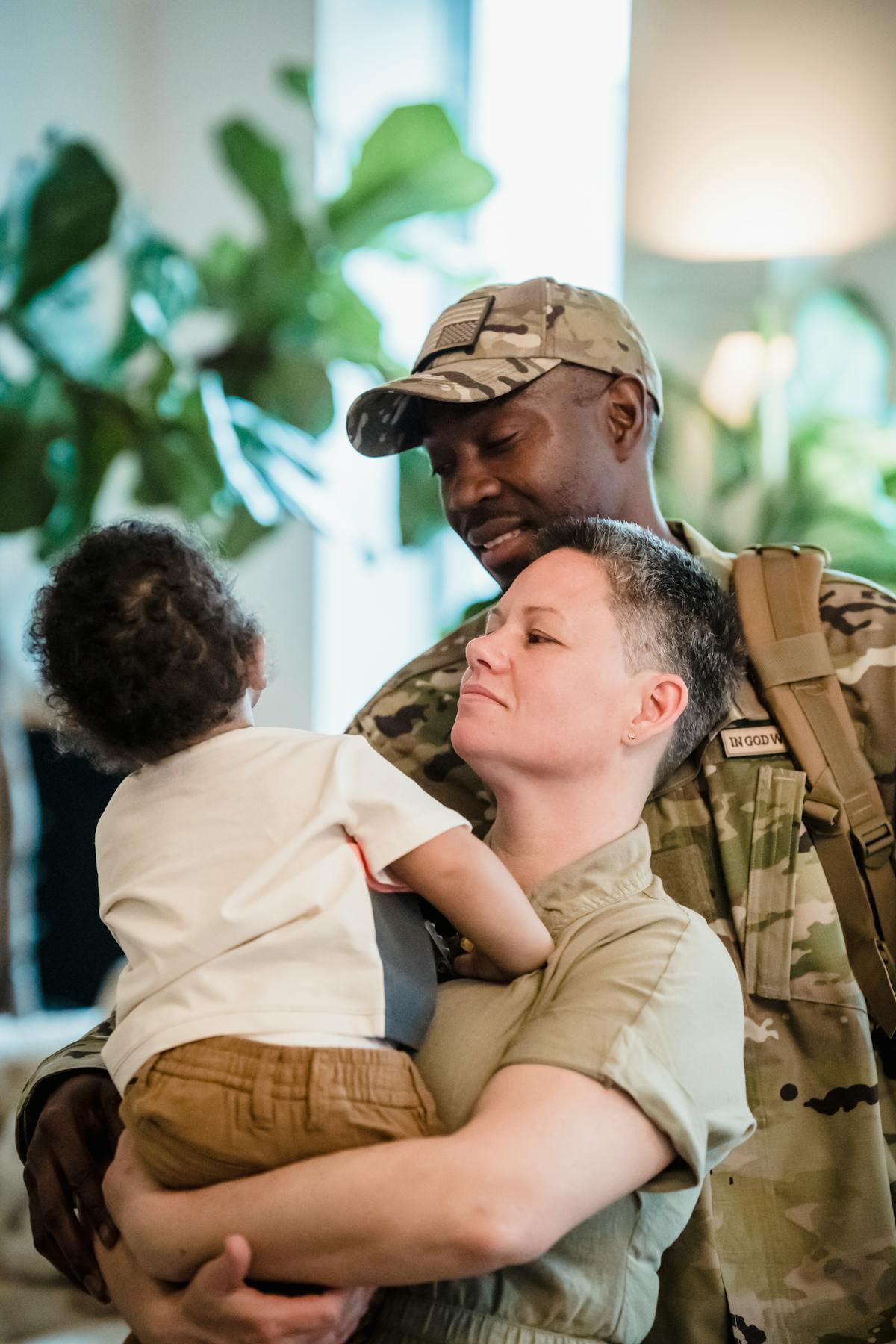
A VA loan is a mortgage loan option backed by the U.S. Department of Veterans Affairs that helps eligible veterans, active-duty service members, and surviving spouses buy a home with significant benefits—including no down payment, no private mortgage insurance (PMI), and competitive interest rates. Nearly 90% of VA-backed home loans are made with zero down payment, making homeownership accessible to those who served our country.
The VA home loan program is one of the most valuable programs to help veterans achieve homeownership. In 2026, VA home loans remain one of the most powerful home financing tools available. Whether you're looking to buy a home for the first time, refinance a home you already own, or purchase an investment property while living in one unit, understanding how the VA loan guaranty works can help you save tens of thousands of dollars over the life of your mortgage loan.
Related Guides in This Series
What Is a VA Loan?
A VA loan (also called a VA mortgage) is a mortgage guaranteed by the U.S. Department of Veterans Affairs through the VA Loan Guaranty Service. Unlike conventional loans offered by private lenders or FHA loans insured by the Federal Housing Administration, VA-backed home loans are specifically designed to help veterans and military families achieve homeownership with more favorable terms. There are several loan types available, including the VA-backed purchase loan for buying homes and the VA direct loan (Native American Direct Loan) for eligible Native American veterans.
The VA doesn't directly lend money to borrowers in most cases. Instead, the VA guarantees a portion of the loan made by private lenders—banks, credit unions, and mortgage companies—which protects lenders from loss if borrowers default. This government backing through the home loan guaranty allows lenders to offer better terms, including no down payment requirements. The home loan benefit is a powerful advantage that can save veterans thousands when you apply for a VA loan.
Key Features of VA Home Loans
No Down Payment Required: Unlike conventional loans requiring 3-20% down or FHA loans requiring 3.5%, VA loans allow eligible borrowers to finance 100% of the home's purchase price. This is the most significant advantage, saving veterans thousands upfront.
No Private Mortgage Insurance (PMI): Conventional loans require PMI when down payments are less than 20%, adding $100-$300+ monthly. VA loans eliminate this cost entirely, saving borrowers thousands annually.
Competitive Interest Rates: VA loan rates are typically 0.25-0.50% lower than conventional mortgage rates because of the government guarantee. Even a small rate difference compounds into substantial savings over a 30-year loan term.
Flexible Credit Requirements: While the VA doesn't set minimum credit score requirements, most lenders require a 620 FICO score. This is more forgiving than many conventional loan programs.
Limited Closing Costs: The VA limits what fees lenders can charge, and sellers can pay up to 4% of the loan amount toward the buyer's closing costs and concessions.
Who Is Eligible for a VA Loan?

VA loan eligibility depends on your military service history, duty status, and character of discharge. Generally, you may qualify if you're a veteran, active-duty service member, National Guard member, Reservist, or surviving spouse of a veteran.
Minimum Service Requirements
The minimum active-duty service requirements vary based on when you served:
| Service Period | Minimum Service Required |
|---|---|
| Gulf War to Present (Aug 2, 1990 - Present) | 24 continuous months OR 90 days if called to active duty |
| Post-Vietnam (Sept 8, 1980 - Aug 1, 1990) | 24 continuous months OR 181 days if called to active duty |
| Vietnam Era (Aug 5, 1964 - May 7, 1975) | 90 total days |
| Korean War (June 27, 1950 - Jan 31, 1955) | 90 total days |
| World War II (Sept 16, 1940 - July 25, 1947) | 90 total days |
National Guard and Reserve Members
National Guard and Reserve members qualify for VA loans if they meet one of the following criteria:
- 90 days of non-training active-duty service under Title 10 orders
- 90 days of active-duty service including at least 30 consecutive days under Title 32 orders
- 6 creditable years in the National Guard or Selected Reserve with continued service or honorable discharge
Surviving Spouses
Surviving spouses may be eligible for VA loan benefits if:
- The veteran died while serving or from a service-connected disability
- You're receiving Dependency and Indemnity Compensation (DIC) benefits
- You're the spouse of a service member who is MIA or being held as a POW
Certificate of Eligibility (COE)
To obtain a VA loan, you need a Certificate of Eligibility (COE), which verifies to lenders that you meet the minimum service requirements. The COE shows your entitlement amount—the portion of the loan the VA will guarantee.
How to Get Your COE
There are three ways to obtain your Certificate of Eligibility:
- Through a VA-Approved Lender: Most lenders can pull your COE electronically with just your Social Security number and date of birth. This is the fastest method, often completed in minutes.
- Online via eBenefits: Log into the VA's eBenefits portal to request and download your COE directly.
- By Mail: Complete VA Form 26-1880 and mail it to the VA with supporting documentation. This method takes the longest.
Documents You May Need
Depending on your service status, you may need to provide:
- Veterans: DD Form 214 (Report of Separation)
- Active Duty: Statement of Service signed by your commander or personnel office
- National Guard: NGB Form 22 and NGB Form 23, or DD Form 214 with addendum
- Reserves: DD Form 214 or appropriate branch-specific forms
VA Loan Benefits

VA loans offer numerous advantages that make them one of the best mortgage options available. Here's a detailed look at the key benefits:
No Down Payment
The zero down payment feature is the most significant VA loan benefit. On a $400,000 home, this saves $80,000 compared to a 20% conventional down payment or $14,000 compared to an FHA loan's 3.5% minimum.
This allows veterans to:
- Buy homes sooner without years of saving
- Keep cash reserves for emergencies, repairs, or moving expenses
- Invest savings elsewhere while building home equity
No PMI Requirement
Private mortgage insurance on conventional loans typically costs 0.5-1.5% of the loan amount annually. On a $400,000 loan, that's $2,000-$6,000 per year in additional costs that VA loan borrowers completely avoid.
| Loan Amount | Annual PMI (Conv.) | Monthly PMI Cost | VA Loan Savings |
|---|---|---|---|
| $300,000 | $1,500 - $4,500 | $125 - $375 | $1,500 - $4,500/year |
| $400,000 | $2,000 - $6,000 | $167 - $500 | $2,000 - $6,000/year |
| $500,000 | $2,500 - $7,500 | $208 - $625 | $2,500 - $7,500/year |
Lower Interest Rates
VA loan interest rates consistently run 0.25-0.50% below conventional mortgage rates. While this seems small, the savings compound significantly over time:
- On a $400,000 30-year loan, a 0.25% lower rate saves approximately $20,000 in interest
- A 0.50% lower rate saves approximately $40,000 over the loan term
- Monthly payments are $50-$100+ lower than comparable conventional loans
No Prepayment Penalties
VA loans have no prepayment penalties, meaning you can pay off your loan early, make extra principal payments, or refinance without fees. This flexibility helps borrowers build equity faster and save on interest.
Assumable Loans
VA loans are assumable, meaning a qualified buyer can take over your mortgage when you sell. In rising rate environments, this can make your home more attractive to buyers who want to assume your lower interest rate.
VA Funding Fee
While VA loans don't require PMI, they do charge a one-time VA funding fee. This fee helps sustain the VA loan program and can be financed into the loan amount.
2026 VA Funding Fee Rates
| Down Payment | First-Time Use | Subsequent Use |
|---|---|---|
| Less than 5% | 2.15% | 3.3% |
| 5% to 9.99% | 1.5% | 1.5% |
| 10% or more | 1.25% | 1.25% |
Who Is Exempt from the Funding Fee?
Some borrowers are exempt from paying the VA funding fee:
- Veterans receiving VA disability compensation
- Veterans entitled to receive disability compensation but receiving retirement or active-duty pay instead
- Surviving spouses of veterans who died in service or from service-connected disabilities
- Active-duty service members who provide evidence of receiving Purple Heart
Types of VA Loans

The VA offers several loan programs to meet different needs:
VA Purchase Loan
The standard VA loan for buying a home. Can be used for:
- Single-family homes
- Condominiums (in VA-approved projects)
- Multi-unit properties (up to 4 units if you occupy one)
- Manufactured homes and lots
- Building a new home
VA Interest Rate Reduction Refinance Loan (IRRRL)
Also called a VA Streamline Refinance, the IRRRL allows existing VA loan holders to refinance to a lower interest rate with minimal documentation. Key features:
- No appraisal typically required
- No income verification in most cases
- Streamlined paperwork and faster closing
- Can include closing costs in the new loan
VA Cash-Out Refinance
Allows veterans to refinance their current mortgage (VA or conventional) and take cash out of their home equity. Borrowers can refinance up to 100% of the home's appraised value in some cases.
Native American Direct Loan (NADL)
A direct loan from the VA to eligible Native American veterans to purchase, build, or improve a home on Federal Trust Land.
Adapted Housing Grants
For veterans with certain service-connected disabilities, the VA offers grants to help purchase or modify homes to accommodate disabilities:
- Specially Adapted Housing (SAH): Up to $117,014 in 2026
- Special Housing Adaptation (SHA): Up to $23,444 in 2026
VA Loan Limits in 2026
For veterans with full entitlement (never used VA loan benefits or fully restored entitlement), there are no VA loan limits. You can borrow as much as a lender will approve based on your credit and income.
For veterans with remaining entitlement from a previous VA loan, limits follow the FHFA conforming loan limits:
- Standard limit: $806,500 in most areas
- High-cost areas: Up to $1,209,750
VA Loan Process: Step by Step

Here's how to get a VA loan from start to finish:
Step 1: Verify Your Eligibility
Confirm you meet the service requirements and can obtain a Certificate of Eligibility. Contact a VA-approved lender who can pull your COE electronically.
Step 2: Get Preapproved
Work with a VA lender to get preapproved. You'll provide:
- Income documentation (W-2s, pay stubs, tax returns)
- Bank statements
- Employment verification
- Credit authorization
Preapproval shows sellers you're a serious buyer and helps you understand your budget.
Step 3: Find a Home
Work with a real estate agent to find a home that meets VA minimum property requirements. The property must be:
- Your primary residence
- Safe, sanitary, and structurally sound
- Move-in ready (in most cases)
Step 4: Make an Offer
Submit a purchase offer with your agent. Include a VA loan financing contingency to protect yourself if the loan doesn't go through.
Step 5: VA Appraisal
The VA orders an appraisal from a VA-assigned appraiser who will:
- Determine the home's fair market value
- Verify the property meets VA minimum property requirements (MPRs)
- Identify any needed repairs before closing
Step 6: Underwriting
The lender's underwriting team reviews all documentation, verifies information, and ensures you meet all requirements. They may request additional documentation during this phase.
Step 7: Closing
Once approved, you'll attend the closing to sign final documents, pay closing costs (or have them financed), and receive the keys to your new home.
VA Loan Credit Requirements
While the VA doesn't set a minimum credit score, lenders typically require:
- 620 FICO score: Most lenders' minimum requirement
- 640+ score: Better rate and approval odds
- 680+ score: Access to competitive rates
Residual Income Requirements
The VA places significant emphasis on residual income—the money left over each month after paying all major expenses. This ensures borrowers can cover daily living costs like food, transportation, utilities, and emergencies.
Minimum residual income requirements vary by region and family size, ranging from approximately $450 to $1,117 monthly for a family of four, depending on location.
Debt-to-Income Ratio
Lenders typically prefer a debt-to-income (DTI) ratio of 41% or less, though higher ratios may be approved with strong compensating factors like excellent credit, significant cash reserves, or substantial residual income.
VA Loan vs Conventional Loan vs FHA Loan
How does a VA loan compare to other mortgage options?
| Feature | VA Loan | Conventional | FHA Loan |
|---|---|---|---|
| Down Payment | 0% | 3-20% | 3.5% |
| PMI/MIP | None | Required if <20% down | Required (lifetime) |
| Credit Score | 620 typical | 620-680 | 580 |
| Interest Rates | Lowest | Market rate | Slightly lower |
| Upfront Fee | Funding fee (2.15%) | None | MIP (1.75%) |
| Eligibility | Veterans/Military | Anyone | Anyone |
For eligible veterans and service members, VA loans typically offer the best overall value due to no down payment, no PMI, and lower rates.
Common VA Loan Questions (VA Loan FAQs)
Here are answers to frequently asked questions about buying a home with a VA loan. Several VA loan options are available, and these loan programs help veterans and their families achieve homeownership.
Can I use a VA loan more than once?
Yes. VA loan benefits can be reused multiple times. If you've paid off a previous VA loan or sold the home, you can restore your full entitlement and use the benefit again. There are no maximum loan amounts with full entitlement.
Can I have two VA loans at the same time?
In some cases, yes. If you have remaining entitlement, you may be able to use it for a second VA loan. This is common for veterans who PCS (permanent change of station) and want to keep their current home as a rental while buying in a new location. Consider your loan options carefully when making this decision.
Can I use a VA loan for investment property?
VA loans are for primary residences only—you cannot use them to buy a vacation home. However, you can purchase a multi-unit property (up to 4 units) and rent out the other units while living in one, effectively using your VA loan for an investment. You can also take cash out of your home through a VA cash-out refinance.
Do I have to make a down payment on a VA loan?
No—one of the biggest benefits of VA loans is that you don't have to make a down payment. However, if you choose to make a down payment, it can reduce your VA funding fee and lower your loan origination costs.
How long does a VA loan take to close?
VA loans typically take 30-45 days to close, similar to conventional loans. Some lenders specialize in faster closings. The VA appraisal is often the longest part of the process.
What is VA entitlement?
Entitlement is the amount the VA guarantees to the lender. Full entitlement means no loan limits. Partial entitlement (from an existing VA loan) limits how much you can borrow without a down payment.
Tips for VA Loan Success

- Work with VA-experienced lenders: Choose lenders who specialize in VA loans and understand the unique requirements.
- Get your COE early: Don't wait until you find a house to start the eligibility verification process.
- Understand residual income: This VA-specific requirement is often more important than DTI ratio.
- Consider the funding fee: Calculate whether paying it upfront or financing makes more sense for your situation.
- Use a veteran-friendly real estate agent: Agents familiar with VA loans can help navigate any seller concerns about VA financing.
- Be prepared for the appraisal: VA appraisals are thorough. Ensure the property will meet minimum property requirements before making an offer.
Find a VA Loan Lender
Ready to use your VA loan benefit? The next step is connecting with a VA-approved lender who can verify your eligibility, explain your options, and guide you through the process.
Consider working with a real estate agent experienced with VA buyers who can help you find homes that meet VA requirements and negotiate effectively with sellers.
Continue Learning About VA Loans
Summary: Is a VA Loan Right for You?
A VA loan is one of the most valuable benefits available to veterans and active-duty service members. With no down payment, no PMI, competitive rates, and flexible credit requirements, VA loans make homeownership accessible and affordable for those who served.
If you meet the eligibility requirements, a VA loan should be your first choice for home financing. The savings compared to conventional and FHA loans can amount to tens of thousands of dollars over the life of your loan—a well-deserved benefit for your service to our country.
VA Loan FAQs
What is a VA loan?
A VA loan is a mortgage guaranteed by the U.S. Department of Veterans Affairs for eligible veterans, active-duty service members, and surviving spouses. Benefits include zero down payment, no PMI, and rates typically 0.25-0.50% lower than conventional loans.
Who is eligible for a VA loan?
Eligible borrowers include veterans with 90+ days of wartime service or 181+ days of peacetime service, active-duty members with 90+ days served, National Guard and Reserve members with 6+ years, and unmarried surviving spouses.
Do VA loans require a down payment?
No. VA loans require zero down payment for eligible borrowers. This is one of the biggest advantages over conventional loans (3-20% down) and FHA loans (3.5% down).
What is the VA loan funding fee?
The funding fee is a one-time charge of 2.15% for first-time users with no down payment. It drops to 1.5% with 5% down and 1.25% with 10%+ down. Veterans with service-connected disabilities are exempt.
Can I use a VA loan more than once?
Yes. VA loan benefits are reusable. When you sell your home and pay off the loan, your full entitlement is restored. Some veterans can even have two VA loans at the same time.