What Do I Need to Sell My House?
Your complete checklist for documents, preparations, and requirements to sell your home successfully.
Asking what do I need to sell my house is the smart first step toward a successful home sale. Selling a house involves more than just putting a sign in the yard—you need the right documents, proper preparations, adequate funds, and a clear understanding of your legal obligations. This comprehensive guide covers everything required to sell your home smoothly and profitably in 2026.
Whether you are a first-time seller or have sold homes before, real estate requirements evolve. New disclosure laws, changing market conditions, and updated closing procedures mean even experienced sellers benefit from a current, detailed checklist. Missing a critical document or skipping an important preparation step can delay your closing or cost you money at the negotiation table.
We have organized this guide into practical categories so you can work through each requirement systematically. From gathering your property documents to understanding closing costs, you will find actionable steps to get your home sale-ready with confidence.

What You Will Learn in This Guide
- • Essential documents you need to sell your house
- • Professional help: Do you need a real estate agent?
- • How much money you need for selling costs
- • Required repairs and preparations before listing
- • Legal disclosures every seller must provide
- • Step-by-step home selling process
- • Timeline and preparation checklist
- • Finding the right listing agent
Essential Documents You Need to Sell Your House
Gathering the right documents before listing saves time and prevents delays during closing. Buyers, lenders, title companies, and your real estate agent will all request specific paperwork throughout the transaction. Having these documents organized and accessible demonstrates professionalism and builds buyer confidence.
Ownership and Title Documents
Start with the most fundamental paperwork proving you own the property and have the legal right to sell it. These documents establish the chain of title and identify any claims against the property.
- Original deed - The document recorded when you purchased the property, showing how title is held
- Title insurance policy - Your owner's title policy from when you bought the home protects against title defects
- Property survey - Shows exact boundaries, easements, and encroachments; buyers often require a current survey
- Mortgage statement - Current statement showing your loan balance and payoff amount
- Certificate of occupancy - If you completed major renovations or additions requiring permits
Financial and Tax Documents
Buyers and their lenders want to understand the true cost of owning your property. These documents reveal ongoing expenses and help buyers budget accurately.
- Property tax records - Recent tax bills showing assessed value and annual tax amount
- Homeowners insurance records - Current policy details; buyers may contact your insurer for quotes
- Utility bills - 12 months of electric, gas, water, and other utility costs help buyers estimate expenses
- HOA documents - If applicable: CC&Rs, bylaws, financial statements, meeting minutes, and current fees
- Special assessment notices - Any pending or recent special assessments from the HOA or municipality
Property Condition Documents
Documentation of your home's condition, maintenance history, and improvements builds buyer confidence and can justify your asking price. These records also help you complete disclosure forms accurately.
- Home improvement records - Receipts, permits, and contractor information for all renovations
- Appliance manuals and warranties - For items staying with the home; transferable warranties add value
- HVAC maintenance records - Service history for heating and cooling systems
- Roof documentation - Age, warranty information, and any repair records
- Pest inspection reports - Previous termite or pest inspection results
- Home inspection reports - If you had a pre-listing inspection done
Pro Tip: Create a Home Sale Binder
Organize all documents in a physical binder or digital folder. Include a table of contents and dividers by category. This impresses buyers and speeds up due diligence. Your organized approach signals that you have maintained the property with the same care.
Do You Need a Real Estate Agent to Sell Your House?
One of the first decisions when selling is whether to work with a professional real estate agent or attempt a For Sale By Owner (FSBO) transaction. While technically you do not legally need an agent, the data strongly favors working with one.
According to the National Association of Realtors, 89% of home sellers use a real estate agent. Agent-assisted sales consistently outperform FSBO transactions, typically netting sellers 6% more—often covering the commission cost entirely. Beyond the numbers, agents provide expertise, market access, and transaction management that most sellers cannot replicate.
What a Listing Agent Provides
A skilled listing agent becomes your strategic partner throughout the selling process. Their services include:
- Comparative market analysis (CMA) - Data-driven pricing strategy based on recent comparable sales
- MLS listing access - Your home appears to thousands of buyer's agents and search sites
- Professional marketing - Photography, virtual tours, video, staging advice, and targeted advertising
- Showing coordination - Managing buyer appointments, open houses, and feedback collection
- Offer negotiation - Evaluating offers, negotiating terms, and handling counteroffers
- Transaction management - Coordinating inspections, appraisals, repairs, and closing
- Legal compliance - Ensuring all disclosures and contracts meet state requirements

When FSBO Might Work
Selling without an agent may make sense in limited circumstances: you have real estate experience, significant time to dedicate, a property in extreme demand, or a buyer already lined up (like a family member). Learn more about selling a house without a realtor to understand the full requirements.
Understanding the difference between a listing agent vs. selling agent helps clarify each professional's role in your transaction.
Ready to Find Your Agent?
Use our free agent matching service to connect with top-rated listing agents in your area. We'll match you with experienced professionals who specialize in your neighborhood and price range.
How Much Money Do You Need to Sell Your House?
Selling a house is not free. While you will receive proceeds from the sale, you need to budget for various costs that reduce your net profit. Understanding how much it costs to sell a house helps you plan financially and set realistic expectations.
On average, sellers spend 8-10% of their home's sale price on selling costs. For a $400,000 home, that means $32,000 to $40,000 in total expenses. Here is where that money goes:
Real Estate Commissions (5-6%)
The largest selling cost is typically agent commissions. Traditionally, the seller pays both the listing agent and buyer's agent commissions, totaling 5-6% of the sale price. On a $400,000 home, that equals $20,000 to $24,000. Note that commission structures are negotiable and have evolved following recent industry changes.
Closing Costs (1-3%)
Sellers pay various closing costs that typically total 1-3% of the sale price. These include:
- Title insurance - Owner's policy for the buyer (varies by state)
- Transfer taxes - State and local taxes on property transfers
- Attorney fees - Required in some states
- Escrow fees - For managing the closing transaction
- Recording fees - Government fees to record the deed
- Prorated property taxes - Your share through closing date
Pre-Sale Preparation Costs
Before listing, you may need to invest in preparing your home for market:
- Repairs and updates - $500 to $10,000+ depending on condition
- Professional cleaning - $200 to $500
- Staging - $1,500 to $4,000 for professional staging
- Landscaping - $200 to $2,000 for curb appeal
- Pre-listing inspection - $300 to $500 (optional but recommended)
Potential Additional Costs
- Mortgage payoff - Remaining balance plus any prepayment penalties
- Home warranty - $400 to $600 if offered to buyer as incentive
- Seller concessions - Credits toward buyer closing costs (negotiated)
- Moving expenses - $1,000 to $5,000+ depending on distance
- Overlapping housing costs - If you buy before selling
Calculate Your Net Proceeds
Ask your agent to prepare a seller's net sheet showing your estimated proceeds after all costs. This calculation considers your sale price, mortgage payoff, commissions, closing costs, and repairs to show what you'll actually take home.
What Repairs and Preparations Do You Need?
Preparing your home for sale is one of the best investments you can make. First impressions matter enormously—buyers form opinions within seconds of viewing photos online or walking through your front door. Strategic preparation helps your home photograph well, show better, and sell faster at a higher price.
Essential Repairs Before Listing
Address issues that will appear in buyer inspections or signal deferred maintenance. Focus on repairs that affect safety, functionality, and appearance:
- Plumbing issues - Fix leaky faucets, running toilets, and slow drains
- Electrical problems - Replace burned-out bulbs, fix non-working outlets, update old switches
- HVAC concerns - Service your system and replace filters; consider a pre-sale inspection
- Roof damage - Repair missing shingles, fix leaks, clean gutters
- Foundation cracks - Address visible cracks; significant issues need professional evaluation
- Water damage - Fix sources and repair any water-stained ceilings or walls
- Door and window function - Ensure all open, close, and lock properly
- Safety hazards - Repair loose handrails, broken steps, and tripping hazards
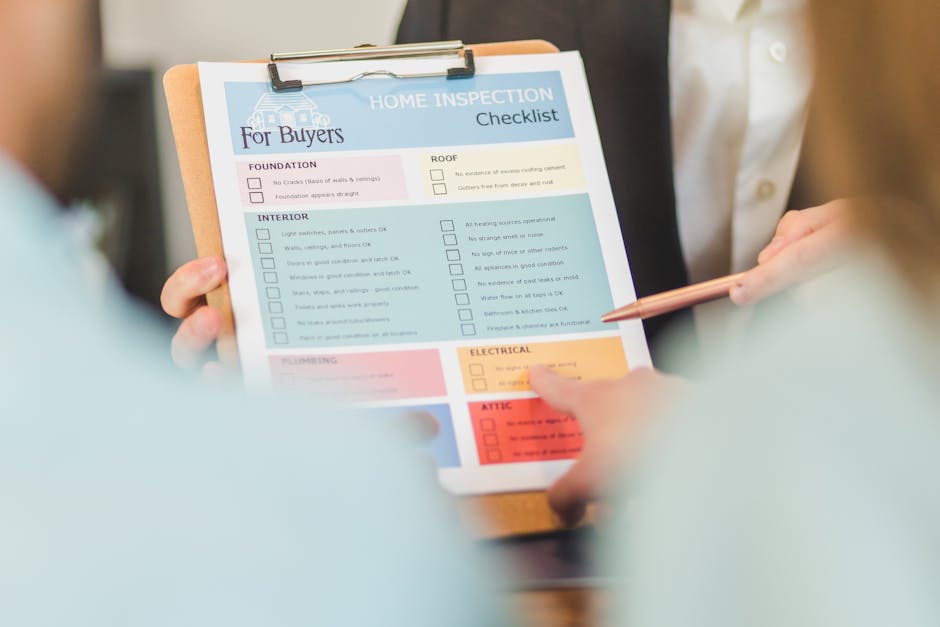
Cosmetic Updates That Add Value
These relatively inexpensive improvements create significant visual impact:
- Fresh paint - Neutral colors in main living areas (most cost-effective improvement)
- Updated hardware - New cabinet pulls, door handles, and light fixtures
- Clean grout - Re-grout or use grout pens in bathrooms and kitchens
- Carpet cleaning - Professional steam cleaning or replacement if heavily worn
- Curb appeal - Fresh mulch, trimmed shrubs, and seasonal flowers
- Front door refresh - New paint or replacement makes a strong first impression
Decluttering and Deep Cleaning
Buyers need to envision themselves in your space, which is difficult when surrounded by your personal belongings. Effective decluttering involves:
- Remove 50% of items from closets to make them appear larger
- Clear countertops in kitchens and bathrooms
- Pack away personal photos and family memorabilia
- Remove excess furniture to make rooms feel spacious
- Organize storage areas—buyers will look in closets and garages
- Rent a storage unit for excess items if needed
Follow decluttering with a deep clean. Consider hiring professionals for a thorough cleaning including windows (inside and out), carpets, appliances, and all surfaces. A spotless home signals careful maintenance and builds buyer confidence.
What Not to Repair or Renovate
Not all improvements pay off. Avoid over-investing in:
- Major kitchen remodels - Rarely return full investment; focus on cosmetic updates
- Bathroom additions - Unless your home lacks a crucial bathroom
- Pool installation - Expensive and not universally desired
- Highly personalized upgrades - Niche improvements may not appeal to buyers
- Over-improvement for neighborhood - Price ceilings limit returns
What Disclosures Are Required When Selling?
Seller disclosures are legal documents that inform buyers about known issues with your property. Most states require sellers to complete disclosure forms detailing the condition of major systems and any known defects. Honest, thorough disclosure protects you from legal liability after the sale closes.
Disclosure requirements vary by state, but common categories include:
Structural and System Disclosures
- Foundation issues - Cracks, settling, water intrusion, or previous repairs
- Roof condition - Age, leaks, repairs, or known remaining lifespan
- Plumbing problems - Pipe material, leaks, sewer line issues, or low water pressure
- Electrical system - Age, capacity, known issues, or unpermitted work
- HVAC systems - Age, condition, and any known problems
- Appliance condition - Working status of included appliances
Environmental and Safety Disclosures
- Lead-based paint - Federal law requires disclosure for homes built before 1978
- Asbestos - Known presence in insulation, flooring, or other materials
- Mold - Current or past mold problems and remediation
- Radon - Test results if available; required disclosure in some states
- Pest infestations - Termites, rodents, or other pest history
- Flood zone location - Whether property is in a designated flood zone
- Soil contamination - Previous use as industrial site or known contamination
Property History Disclosures
- Previous insurance claims - Major claims for water damage, fire, etc.
- Unpermitted work - Additions or modifications without proper permits
- Boundary disputes - Known disagreements with neighbors over property lines
- HOA violations - Outstanding violations or pending enforcement actions
- Deaths on property - Required in some states within certain timeframes
- Stigmatized property - Some states require disclosure of crimes or paranormal reputation
Disclosure Mistakes Are Costly
Failing to disclose known defects can result in lawsuits, rescission of the sale, or financial damages. When in doubt, disclose. Courts consistently rule against sellers who concealed known problems. Your real estate agent can help you complete disclosure forms properly.
"As-Is" Sales Still Require Disclosures
Even when selling "as-is," you must still complete required disclosures. As-is simply means you will not make repairs—it does not eliminate your obligation to disclose known defects. Buyers may still perform inspections and negotiate based on findings, or walk away if disclosures reveal unexpected issues.
Home Selling Timeline and Preparation Checklist
Planning your home sale timeline helps ensure you complete all necessary tasks without rushing. Here is a recommended schedule working backward from your target listing date.
2-3 Months Before Listing
- Research and interview real estate agents
- Get a comparative market analysis (CMA) to understand pricing
- Order a pre-listing home inspection (optional but valuable)
- Begin decluttering—start with storage areas and closets
- Gather all property documents into one organized location
- Get contractor estimates for any needed repairs
- Research your mortgage payoff amount
1-2 Months Before Listing
- Sign listing agreement with your chosen agent
- Complete major repairs identified in your preparation
- Continue decluttering—pack non-essential items
- Paint walls in neutral colors if needed
- Update light fixtures and hardware for modern appeal
- Address curb appeal—landscaping, exterior cleaning
- Complete seller disclosure forms
2-4 Weeks Before Listing
- Deep clean entire house (consider professional service)
- Clean windows inside and out
- Steam clean carpets
- Stage your home (professional or DIY)
- Professional photography session
- Create virtual tour or video walkthrough
- Finalize listing description with agent
- Set up showing instructions and lockbox
Listing Week
- Final touch-up cleaning
- Remove personal valuables and medications
- Arrange pet accommodations for showings
- Review and approve MLS listing
- Share listing on social media
- Prepare for open house if scheduled
- Set up showing notification preferences
Learn More About the Selling Process
For detailed guidance on each step after listing, read our complete guide on how to sell a house. You'll learn about pricing strategies, marketing, handling offers, and navigating the closing process.
Additional Requirements and Special Situations
Beyond the standard requirements, certain situations call for additional considerations when selling your house.
If You Have a Mortgage
Most sellers have an existing mortgage to pay off from sale proceeds. You will need:
- Payoff statement - Request from your lender showing exact payoff amount including any prepayment penalties
- Good standing verification - Ensure your mortgage payments are current
- Home equity calculation - Confirm your sale price exceeds your mortgage balance plus selling costs
If you owe more than your home is worth (underwater), you may need to explore short sale options with your lender.
If Your Home Is in an HOA
Homes in homeowners associations require additional documentation:
- CC&Rs (Covenants, Conditions, and Restrictions)
- Bylaws and rules
- HOA financial statements and budget
- Meeting minutes (recent)
- Current dues and any special assessments
- Resale certificate or disclosure packet (required in many states)
If You're Selling Inherited Property
Selling an inherited home involves additional legal requirements:
- Probate documentation (if required in your state)
- Letters testamentary or letters of administration
- Death certificate
- Updated title showing ownership transfer
- Stepped-up cost basis documentation for tax purposes
If You're Going Through Divorce
Divorce sales require careful handling:
- Both parties must typically sign listing agreement and closing documents
- Court approval may be required depending on divorce decree
- Proceeds distribution must follow legal agreements
- Consider working with an agent experienced in divorce sales
If You're Relocating for Work
Job relocations add timeline pressure but may come with benefits:
- Check if your employer offers relocation assistance or home buyout programs
- Consider realistic timeline expectations for your market
- Price competitively if you need a quick sale
- Explore bridge loans if buying before selling
Frequently Asked Questions
What documents do I need to sell my house?
To sell your house, you need several key documents: original deed, mortgage statement with payoff amount, property tax records, homeowners insurance records, HOA documents (if applicable), home improvement records, appliance manuals and warranties, property survey, title insurance policy, and any existing inspection reports. Your real estate agent will help you gather additional closing documents.
Do I need a real estate agent to sell my house?
While you can sell your house without an agent (FSBO), 89% of sellers use an agent for good reason. Agent-assisted sales typically net 6% more than FSBO transactions. Agents provide market expertise, MLS access, professional marketing, negotiation skills, and transaction management that help maximize your sale price and minimize complications.
How much money do I need to sell my house?
Budget 8-10% of your sale price for selling costs. This includes real estate commissions (5-6%), closing costs (1-3%), home repairs and staging ($500-$5,000), professional cleaning ($200-$500), and moving expenses ($1,000-$5,000). On a $400,000 home, expect total costs between $32,000 and $40,000.
What repairs do I need to make before selling my house?
Focus on repairs that affect safety, functionality, and first impressions. Fix leaky faucets, patch wall holes, repair broken fixtures, address roof or foundation issues, update outdated hardware, and ensure all systems (HVAC, electrical, plumbing) work properly. Major renovations rarely provide full ROI, so prioritize cosmetic updates and necessary repairs.
What disclosures do I need to make when selling my house?
Most states require sellers to disclose known material defects including: structural issues, water damage, pest infestations, lead paint (pre-1978 homes), mold, electrical or plumbing problems, roof condition, foundation issues, environmental hazards, and any deaths on the property (in some states). Failure to disclose can result in legal liability after sale.
How long before selling should I start preparing my house?
Start preparing your house 2-3 months before listing for best results. This gives you time to declutter, make repairs, deep clean, stage, and gather documents. Rush preparation shows. Allow extra time if you need major repairs, exterior painting, or professional staging.
Ready to Sell Your House?
Now that you know what you need to sell your house, the next step is finding the right real estate agent. Our free matching service connects you with top-rated listing agents in your area who specialize in your neighborhood and price range.
Related Guides
How to Sell a House
Complete step-by-step guide from listing to closing.
Home Selling Costs
Detailed breakdown of all expenses when selling.
Home Sale Timeline
How long the selling process typically takes.
Selling Without a Realtor
FSBO guide if you want to sell yourself.
How to Choose a Realtor
Tips for finding the right listing agent.
Questions to Ask Agents
What to ask when interviewing listing agents.