What Does As-Is Mean in Real Estate?
Everything buyers and sellers need to know about as-is home sales, from inspections and disclosures to negotiation strategies and financing options.
You found a home listed as-is and the price looks great. But what exactly does that mean for you as a buyer? An as-is sale changes the rules of a typical real estate transaction. The seller is telling you upfront that they will not make repairs before closing. That does not mean you lose all your protections.
Understanding what as-is means in real estate helps you make smarter decisions. You can still order a home inspection. You can still negotiate the purchase price. And the seller must still follow state disclosure laws in most cases. This guide breaks down everything you need to know about buying or selling a home as-is.
Whether you are purchasing a home for the first time at a lower price or an investor hunting for your next flip, knowing how as-is sales really mean for your transaction protects your money and your peace of mind.

What As-Is Means in a Real Estate Transaction
In real estate, as-is means the seller is offering the home in its current condition. The property will be sold exactly as it stands today. The seller will not make any repairs, improvements, or upgrades before the sale closes. Whatever the home in its current condition looks like is exactly what you get at closing.
The term appears in the real estate purchase agreement. It tells the buyer that the seller is offering the property in its current condition and has no intention of fixing anything, regardless of what a home inspection might reveal. The buyer's responsibility is to evaluate the residential property before closing. This includes cosmetic issues like old carpet and structural problems like a cracked foundation.
An as-is listing does not mean the home is falling apart. Many sellers choose as-is sales for practical reasons. They may be selling an inherited property they have never lived in. They might be relocating for work and need a fast closing. Some sellers simply do not have the money to make repairs before selling.
The key thing to understand is that as-is refers to the seller's willingness to negotiate repairs. It does not remove your right to inspect the condition of the property. It does not eliminate seller disclosure requirements. And it does not prevent you from negotiating the price. In a residential real estate transaction, the as-is clause is written into the real estate contract between buyer and seller.
Key Takeaway
As-is means "no repairs from the seller." It does not mean "no inspection" or "no negotiation." Buyers still have options to protect themselves during an as-is purchase.
Why Sellers List a Home As-Is
Sellers choose as-is listings for many different reasons. Understanding the seller's motivation helps you evaluate whether the deal is worth pursuing.
Financial Constraints
Some homeowners cannot afford to make repairs. They may be facing foreclosure, going through a divorce, or dealing with medical expenses. An as-is sale lets them close quickly without spending money they do not have on home improvements.
Inherited Property
Heirs who inherit a home they have never lived in often sell as-is. They may not know the property's full condition. They may live in a different state and want to avoid the hassle of managing renovations from a distance. Estate sales are one of the most common as-is transactions in the market.
Relocation or Time Pressure
A seller who accepted a job across the country needs to move fast. Making repairs takes time. Getting contractor quotes, scheduling work, and waiting for completion could delay the closing by weeks or months. Listing as-is speeds up the entire process.
Investment Property Liquidation
Investors who want to offload a rental property quickly may list it as-is. The property might have deferred maintenance from years of tenants. Instead of renovating, the investor sets a lower asking price and targets other investors or cash buyers.
The Home Needs Major Work
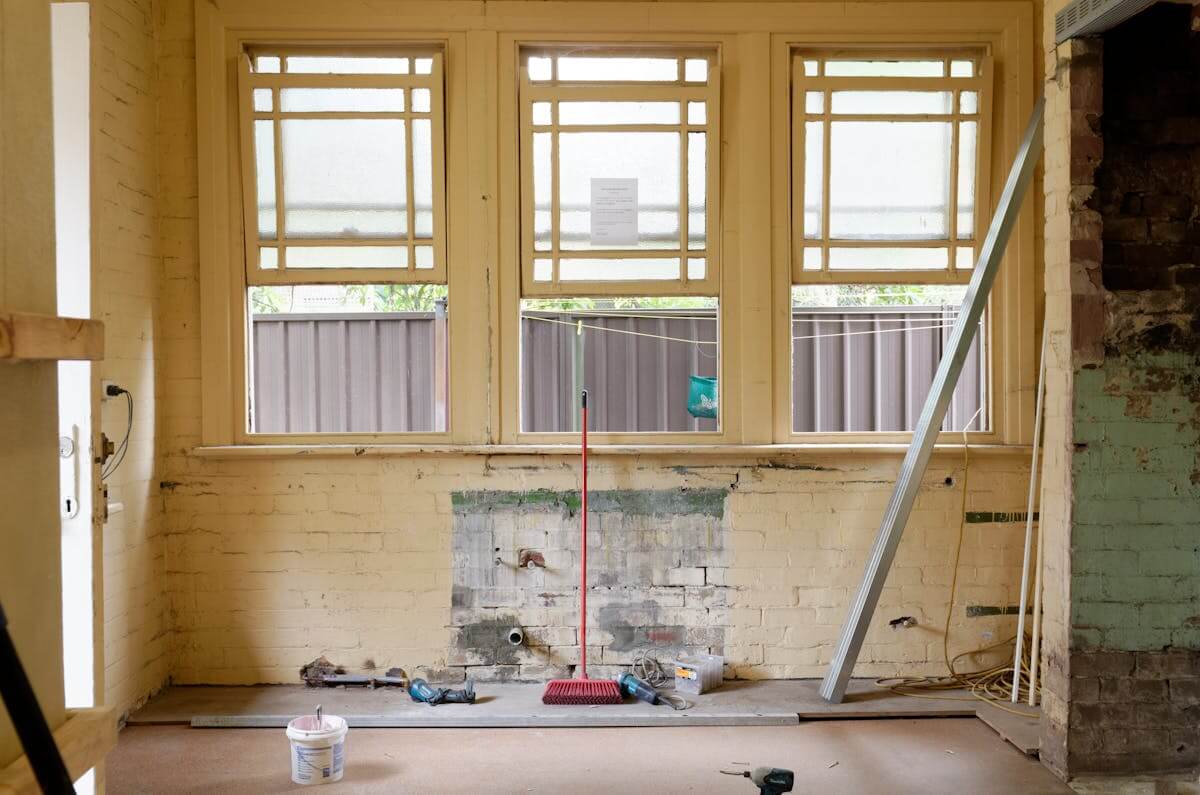
Sometimes the property genuinely needs significant repairs. A failing roof, outdated electrical wiring, plumbing problems, or foundation issues can cost tens of thousands of dollars. The seller may price the home below market value to account for these repair costs rather than fixing the problems.
Buyer Protections in an As-Is Sale
Buying an as-is property does not mean you give up all your rights. Several important protections still apply, and knowing them keeps you safe.
You Can Still Get a Home Inspection
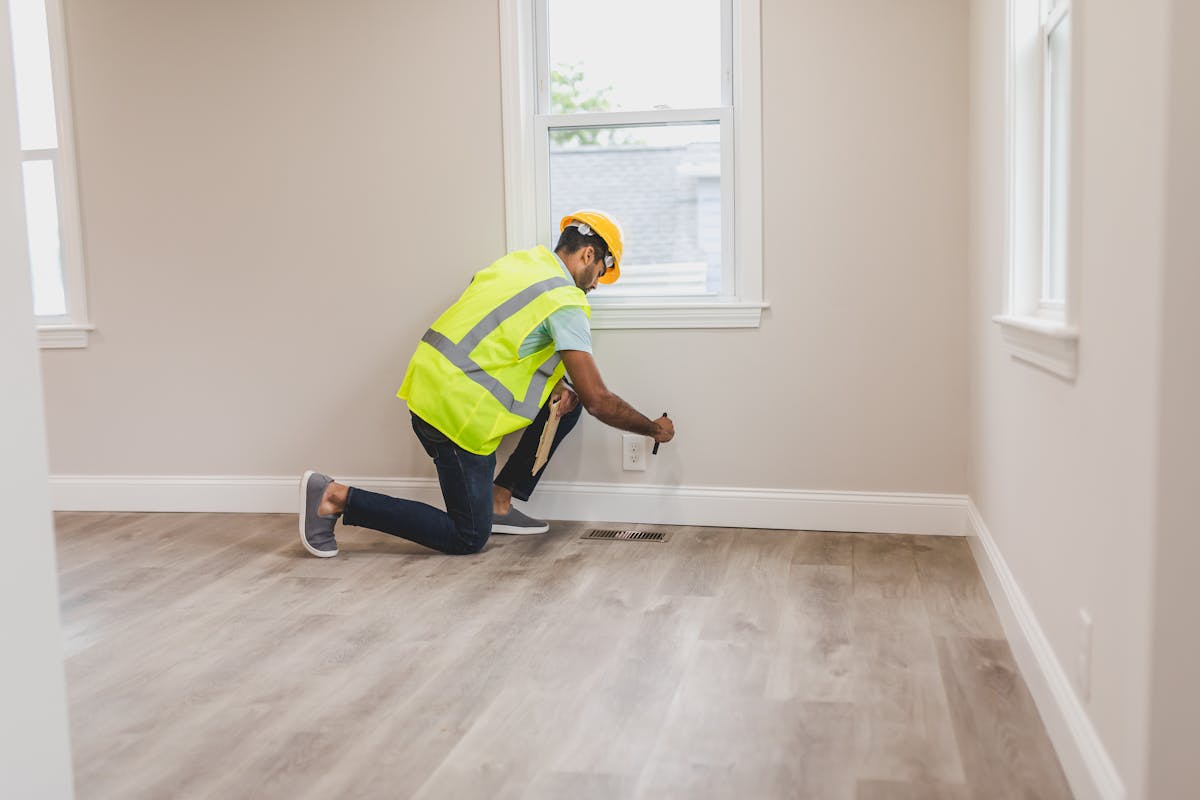
An as-is sale does not prevent you from hiring a professional home inspector. In fact, a home inspection becomes even more critical when buying real estate in as-is condition. The inspection report may uncover hidden issues and tells you exactly what repairs the home needs. It helps you estimate costs before committing.
A standard home inspection costs between $300 and $500 depending on the size and location of the property. Specialized inspections for mold, radon, or termites may cost extra. The total inspection cost is a small price compared to discovering a $20,000 foundation problem after closing.
Seller Disclosure Laws Still Apply
In 47 states, sellers must disclose all known material defects regardless of whether the home is sold in its current condition as-is. Only a few states allow limited or no disclosure requirements. The seller's disclosure statement typically covers known issues with the roof, foundation, plumbing, electrical systems, HVAC, water damage, pest infestations, and environmental hazards.
Sellers must disclose material defects under both state and federal laws. If a seller knows about a problem and fails to disclose it, they can face legal consequences even after the sale is complete. The as-is clause does not protect sellers who commit fraud or intentionally hide defects.
Inspection Contingency
Your real estate purchase contract can include an inspection contingency. This clause gives you the right to walk away from the deal if the inspection reveals problems you are not willing to accept. You typically get your earnest money deposit back if you exit the contract during the contingency period.
Some sellers may push back on inspection contingencies in an as-is sale. This is where having a skilled real estate agent matters. Your agent can negotiate contract terms that protect you while still appealing to the seller.
Important Warning
Never skip the home inspection on an as-is property. The inspection is your best protection against hidden problems that could cost thousands of dollars after closing. Budget $300 to $500 for a standard inspection.
How to Negotiate the Price on an As-Is Home
Many people think as-is means "take it or leave it." That is not accurate. You have real leverage in an as-is purchase, especially when the inspection reveals costly problems. Here is how to negotiate effectively on the price of the home.
Get the Home Inspection First
Order a comprehensive home inspection as soon as your offer is accepted. The inspection report becomes your most powerful negotiating tool. It gives you documented evidence of every issue in the home, from minor cosmetic problems to major structural defects.
Get Repair Estimates
After the inspection, hire contractors to provide written estimates for the major repairs. The results of the inspection become your roadmap for understanding the true cost of issues with the property. A roof replacement quote, foundation repair estimate, or HVAC replacement cost gives you specific dollar amounts to reference during negotiations. Sellers take your request more seriously when you present actual contractor bids rather than vague concerns.
Request a Price Reduction
The most common negotiation strategy in an as-is sale is asking for a lower purchase price. If the inspection reveals $15,000 in needed repairs, ask the seller to reduce the price by that amount. The seller may not agree to the full reduction, but you will likely meet somewhere in the middle.
Your offer strategy should account for estimated repair costs from the start. If comparable homes in move-in ready condition sell for $350,000 and the as-is home needs $30,000 in work, an offer around $320,000 gives you room to negotiate.
Ask for a Seller Credit
Instead of a price reduction, you can ask the seller for a credit at closing. A seller concession puts money toward your closing costs, which frees up your cash for repairs after you move in. This approach works well when the seller does not want to lower the listed price.
Use Comparable Sales Data
Pull recent sales of similar homes in the area. If nearby homes in better condition sold for less than the asking price of the as-is property, you have strong evidence to support a lower offer. Your real estate agent can prepare a comparative market analysis to back up your negotiation position.
Strong Negotiation
Present contractor quotes and inspection findings. Specific dollar amounts make your case more convincing than general complaints about the home's condition.
Weak Negotiation
Asking for a lower price without evidence. Sellers reject vague requests. Always support your position with inspection reports, repair estimates, and comparable sales data.
Financing an As-Is Home Purchase
Getting a mortgage on an as-is property can be tricky. Lenders want to make sure the home they are financing meets basic safety and livability standards. Here is what you need to know about financing options.
Conventional Loans
Conventional loans require the property to be in habitable condition. The home needs a functional roof, working plumbing and electrical systems, and no major safety hazards. If the home meets these basic standards, a conventional loan may work even for an as-is property.
FHA Loans
FHA loans have stricter property standards. The FHA appraisal process checks for peeling paint in pre-1978 homes, working utilities, proper drainage, functioning heating systems, and safe stairways. If the as-is property fails the FHA appraisal, the loan will not go through unless the issues are addressed.
VA Loans
VA loans also require minimum property condition standards. The VA appraisal looks at structural soundness, adequate roofing, working mechanical systems, and safe access. As-is homes with significant deficiencies may not qualify for VA financing.
FHA 203(k) Renovation Loan
The FHA 203(k) loan is designed specifically for buying homes that need repairs. It rolls the purchase price and renovation costs into a single mortgage. This loan type works well for as-is properties because the lender approves the loan based on the projected value after repairs are complete.
There are two versions. The Limited 203(k) covers up to $35,000 in repairs for cosmetic updates and minor fixes. The Standard 203(k) handles larger renovations including structural work with no set dollar limit beyond the area's FHA loan caps.
Cash Purchases
Cash buyers have the easiest path to buying as-is homes. No lender means no appraisal requirements and no property condition concerns from a financing perspective. This is why investors and house flippers often target as-is listings. A cash offer also closes faster, which appeals to sellers who want a quick transaction.
As-Is Sale vs Traditional Home Sale
The main difference between an as-is sale and a traditional sale comes down to who handles the repairs. Here is a clear comparison.
| Feature | As-Is Sale | Traditional Sale |
|---|---|---|
| Seller Repairs | None. Buyer accepts current condition. | Seller may agree to fix issues found during inspection. |
| Home Inspection | Allowed. Strongly recommended. | Allowed. Standard practice. |
| Seller Disclosures | Required in most states. | Required in most states. |
| Price Negotiation | Based on inspection and repair estimates. | Based on inspection and repair requests. |
| Listing Price | Typically 8 to 15% below market value. | At or near market value. |
| Closing Timeline | Often faster. No repair delays. | May extend 2 to 4 weeks for repairs. |
| Best For | Investors, cash buyers, renovation-ready buyers. | Primary residence buyers who want move-in ready. |
Pros and Cons of Buying a House As-Is
An as-is purchase comes with real advantages and real risks. Weigh both sides before making your decision.
Advantages for Buyers
Lower purchase price. As-is homes typically sell for 8 to 15% below comparable properties in good condition. That discount can translate to tens of thousands in savings if the needed repairs are manageable.
Less competition. Many buyers avoid as-is listings because they prefer homes that are already updated and move-in ready. Buyers may find fewer competing offers on as-is properties, which gives more room to negotiate. In a hot market, as-is homes offer opportunities that standard listings do not.
Faster closing. Without repair negotiations and contractor scheduling, as-is transactions often close faster than traditional sales. A quicker timeline benefits buyers who need to move on a deadline.
Renovation control. When you buy as-is, you choose the materials, contractors, and timeline for any repairs or updates. You get to renovate the home to your own taste rather than accepting the seller's quick fixes. There is also more room for negotiation because the seller expects offers below asking price.
Risks and Cons for Buyers
Hidden problems. Even with a thorough inspection, the home may have issues that only appear after you move in. Hidden mold behind walls, underground plumbing breaks, or pest damage in the attic can add unexpected costs.
Higher total cost. The discounted purchase price may not cover all the needed repairs. If a $250,000 as-is home needs $60,000 in work, you would spend $310,000 total. A comparable home at $290,000 in good condition would have been the better deal.
Financing challenges. Some as-is homes do not qualify for conventional, FHA, or VA loans due to property condition requirements. You may need a renovation loan or cash to close the deal.
Longer move-in timeline. Although the closing is faster, you may not be able to live in the home right away. Major renovations can take weeks or months. Factor in temporary housing costs when budgeting.
7 Tips for Buying an As-Is Home
Follow these steps to protect yourself and make a smart purchase when buying a home sold in as-is condition.
1. Hire an Experienced Real Estate Agent
Work with a real estate agent who has handled as-is transactions before. They understand how to structure your offer, negotiate the price, and protect your interests throughout the contract. An agent familiar with as-is sales can also help you evaluate whether the asking price reflects the home's actual condition.
2. Always Get a Home Inspection
Schedule a home inspection immediately after your offer is accepted. Use a licensed inspector with experience evaluating older homes or properties in poor condition. Ask for specialized inspections if needed. Mold testing, sewer line scoping, and structural engineering assessments reveal problems a standard inspection might miss.
3. Get Written Contractor Estimates
Before deciding whether to proceed, get written repair estimates from licensed contractors. Knowing the actual cost of repairs helps you make an informed decision and gives you leverage during price negotiations.
4. Calculate the Total Cost
Add the purchase price plus estimated repair costs. Compare this total against what similar homes in move-in ready condition sell for in the same neighborhood. The as-is home only makes financial sense if the total cost is lower than the alternative.
5. Include an Inspection Contingency
Protect your earnest money by including an inspection contingency in your offer. This gives you the contractual right to walk away if the inspection results are worse than expected. Some as-is sellers prefer offers without contingencies, but a good agent can negotiate terms that work for both sides.
6. Review the Seller's Disclosure Carefully
Read every line of the seller's property disclosure statement. Compare what the seller reports against what the home inspection finds. Discrepancies between the disclosure and inspection could signal hidden problems or potential fraud.
7. Plan Your Renovation Budget
Set a realistic renovation budget that includes a 15 to 20% cushion for unexpected costs. Renovations almost always cost more than the initial estimate. Factor in permit fees, temporary housing costs if you cannot live in the home during construction, and a timeline for completing the work.

What Sellers Should Know About As-Is Sales
If you are considering selling your home as-is, understanding the trade-offs helps you make the right decision for your situation.
You Will Likely Receive a Lower Sale Price
Buyers factor repair costs into their offers. An as-is listing signals that the home needs work, even if the actual issues are minor. Comparable homes sell for 8 to 15% more when they are in good condition. In some cases, the discount on an as-is property can be even steeper if the home has visible deferred maintenance. Look at MLS data to understand how as-is homes sell in your market.
Disclosure Requirements Still Apply
Listing your home as-is does not excuse you from disclosure obligations. You must still report all known material defects on the seller's disclosure form. Hiding known problems can lead to lawsuits after closing. Be honest and thorough in your disclosure to protect yourself legally.
Your Buyer Pool Will Be Smaller
Many homebuyers, especially first-time buyers purchasing a home, want move-in ready properties. Selling the property as-is narrows your buyer pool to investors, flippers, and renovation-ready purchasers. However, these buyers often move quickly and are more likely to make cash offers.
Consider Targeted Repairs Instead
Before committing to an as-is sale, ask your real estate agent whether a few strategic repairs could significantly increase your sale price. Fixing a leaky roof, addressing safety hazards, or making minor cosmetic improvements might cost $5,000 but increase your net proceeds by $15,000 to $20,000.
Price It Right
The most important factor in selling as-is is pricing. Your agent should compare recent as-is sales in your area and factor in the home's specific condition. An overpriced as-is listing will sit on the market and attract lowball offers. A well-priced as-is home generates multiple offers and sells quickly.
Common Misconceptions About As-Is Home Sales
Several myths about as-is properties lead to bad decisions. Here are the facts behind the most common misunderstandings.
"As-is means the house is a dump." Not true. Some as-is homes are in excellent condition. The seller may simply prefer not to deal with repair requests during the negotiation process. Always evaluate the actual property rather than making assumptions based on the listing language alone.
"You cannot negotiate on an as-is property." False. The as-is designation means the seller will not make physical repairs. It does not prevent price negotiation. Buyers negotiate the purchase price on as-is homes every day. Use inspection results and comparable sales to support your offer.
"No inspections are allowed." Wrong. As-is does not restrict your right to inspect the home. A thorough inspection is your best protection. Skip it and you accept unknown risks that could cost thousands.
"The seller does not have to disclose anything." Incorrect in most states. Seller disclosure laws apply regardless of whether the home is sold as-is. The seller must report known material defects. Only a few states have minimal disclosure requirements.
"As-is homes are only for investors." Many regular homebuyers purchase as-is properties and live in them. If the issues are cosmetic or manageable, the lower price makes homeownership more affordable. Not every as-is home is a tear-down project.
Red Flags to Watch for in As-Is Listings
Not every as-is deal is a good deal. Watch for these warning signs that suggest the property may cost more than it is worth.
Seller refuses all inspections. If the seller will not allow a home inspection at all, walk away. A legitimate as-is seller understands that buyers need to evaluate the property. Blocking inspections suggests the seller is hiding serious problems.
Incomplete or missing seller disclosures. A blank or vague disclosure form is a red flag. Ask your agent to request a completed disclosure. If the seller refuses, consider whether the risk is worth pursuing.
Visible structural damage. Large foundation cracks, sagging rooflines, and water-stained walls visible during a casual walkthrough indicate expensive repairs. Get a structural engineer's assessment before making an offer on a home with visible structural issues.
Strong odors or cover-up signs. Heavy air fresheners, fresh paint in isolated spots, or new carpet in just one room may be covering up mold, smoke damage, or pet stains. Pay attention to what the staging is trying to hide.
The price seems too good. If the as-is price is dramatically below market value, something expensive is likely wrong. Research the property's history, check for permit violations, and investigate any liens or code violations before proceeding.
Why You Need a Real Estate Agent for an As-Is Purchase
Buying an as-is home without professional representation puts you at a disadvantage. An experienced real estate agent protects your interests in several critical ways.
Your agent evaluates the listing price against comparable sales to determine whether the as-is discount is fair. They analyze market data, the home's condition, and the seller's motivation to help you craft a competitive offer. A well-researched offer saves you money and increases your chances of acceptance.
During the inspection period, your agent coordinates with inspectors and contractors. They help you understand the inspection report, prioritize which issues matter most, and decide whether to negotiate further or walk away. This guidance is especially valuable for first-time buyers unfamiliar with as-is transactions.
Your agent also reviews the real estate contract terms to protect your legal rights. They ensure contingencies are properly worded, deadlines are met, and the seller's disclosure is complete. Contract mistakes in an as-is real estate sale can be costly. An agent catches problems before they become your problem. For complex transactions, your agent may also recommend hiring a real estate attorney to review the purchase agreement and protect you from legal issues with the property.
If you are ready to explore as-is properties in your area, connect with a local real estate agent who understands these transactions and can guide you through the process.
Frequently Asked Questions About As-Is Real Estate Sales
Can you negotiate on an as-is property?
Yes, you can still negotiate on an as-is property. The seller is not obligated to make repairs, but the listing price often reflects the home's condition. A buyer can request a lower purchase price based on home inspection findings, estimated repair costs, or comparable sales data. Your real estate agent can help you submit a competitive offer that accounts for needed work.
Can you still get a home inspection on an as-is home?
Yes, and you absolutely should. An as-is designation does not prevent you from ordering a home inspection. The inspection helps you understand the full scope of repairs needed before you close. If the inspection reveals major issues like foundation damage or a failing roof, you can renegotiate the price or walk away if your contract includes an inspection contingency.
Does as-is mean the house is in bad condition?
Not necessarily. Some sellers list homes as-is because they want a faster sale, are relocating, or inherited the property and have no knowledge of its condition. While some as-is homes need significant repairs, others may be in good condition with sellers who simply prefer not to handle repair negotiations during the transaction.
Do sellers still have to disclose known issues on an as-is sale?
Yes, in most states. Selling a home as-is does not remove the seller's legal obligation to disclose known material defects. Seller disclosure laws vary by state, but most require the seller to report known problems with the roof, foundation, plumbing, electrical systems, and environmental hazards like lead paint or mold. Failing to disclose can result in legal liability after closing.
Can you get a mortgage on an as-is house?
It depends on the property's condition. Conventional loans typically require the home to meet minimum habitability standards. FHA and VA loans have stricter property condition requirements. If the home has major safety or structural issues, the lender may not approve financing until those problems are fixed. Some buyers use renovation loans like FHA 203(k) or Fannie Mae HomeStyle to finance both the purchase and repairs.
What is the difference between as-is and a fixer-upper?
As-is is a legal term that describes the sale condition in the purchase contract. It means the seller will not make repairs before closing. A fixer-upper is an informal term describing a property that needs cosmetic or structural updates. A fixer-upper may or may not be sold as-is. Some fixer-uppers are listed traditionally, with sellers willing to negotiate repairs or credits.
Should I buy an as-is home?
Buying an as-is home can be a smart investment if you do your homework. Get a thorough home inspection, estimate repair costs with contractor quotes, and compare the total cost against similar move-in ready homes in the area. Work with an experienced real estate agent who understands as-is transactions and can protect your interests throughout the process.
Considering an As-Is Property?
Connect with a local real estate agent who has experience with as-is home sales. Get expert guidance on inspections, pricing, negotiation, and financing options.
Find Your Agent