What Does Pending Mean in Real Estate?
Understand pending status, how it differs from contingent, and what it means for buyers and sellers in 2026.
You found a home you love online. You check the listing status and see the word pending. What does that mean? Can you still buy the property? Should you keep searching or wait?
When a home is listed as pending in real estate, the seller has accepted an offer from a buyer. All contingencies have been met or waived, though the deal has not closed yet. The transaction is moving toward closing. The property is essentially off the market while the remaining paperwork and funding are finalized.
Understanding pending status saves buyers and sellers time, money, and stress. This guide explains everything you need to know about what pending means, how it compares to other listing statuses, and what your options are.
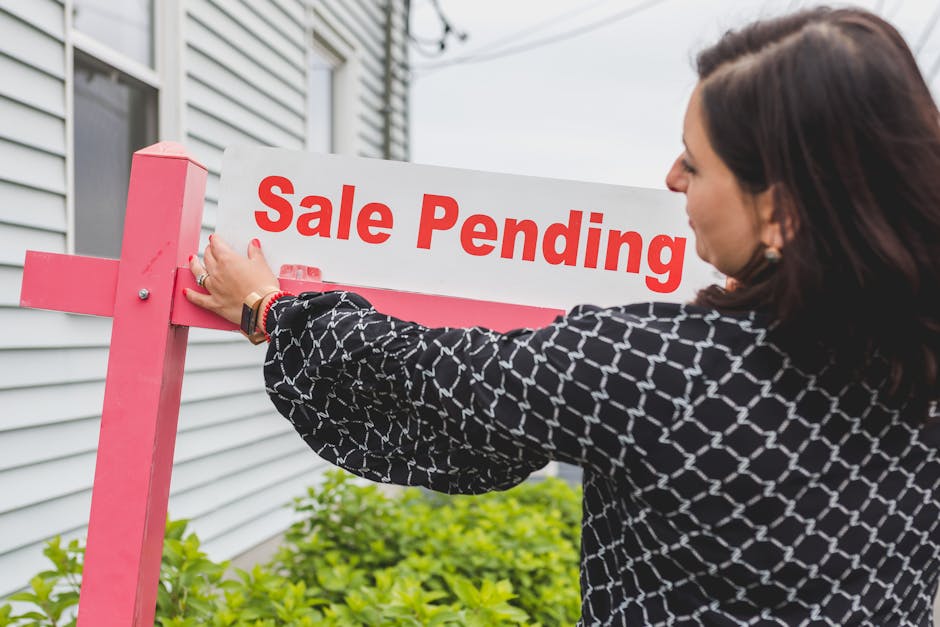
What Does Pending Mean When Buying a Home?
In real estate, pending means the seller has accepted a buyer's offer and all conditions attached to the sale have been satisfied. The home is under contract and progressing toward the closing date. Unlike a contingent listing, a pending sale has fewer hurdles remaining before the deal is complete.
The Multiple Listing Service (MLS) updates the property status from "active" to "pending" once the transaction reaches this stage. Most real estate websites like Zillow, Redfin, and Realtor.com reflect this change within 24 to 48 hours.
For buyers browsing listings, a pending status signals that the home is no longer actively available. When a sale is pending, the seller is no longer showing the property to new buyers. However, the listing remains visible so interested buyers can monitor whether the deal closes. The sales contract between buyer and seller is being finalized during this period.
Key Point: A pending home is not yet sold. The sale can still fall through if financing fails, the appraisal comes in low, or title issues arise during the closing process.
Pending vs Contingent: What Is the Difference?
Buyers often confuse pending and contingent because both indicate that an offer has been accepted. The critical difference lies in where the transaction stands in the closing process. Understanding contingent vs pending is essential for navigating listings effectively.
A home listed as contingent means the seller has accepted the offer, but the sale depends on specific conditions being met first. A contingent offer is typically contingent on the buyer obtaining a mortgage loan, contingent on the property passing the home inspection, and sometimes contingent on the buyer selling their current residence. Once each contingency is met, the listing moves closer to pending. If any contingency fails, the buyer can withdraw the offer and walk away. You may still be able to make your offer on a contingent home if the seller is accepting backups. Contingent and pending statuses represent different stages of the same process.
A pending real estate listing means those contingencies have already been resolved. The deal is in its final stages. The buyer was able to secure financing. The inspection passed. The appraisal met or exceeded the purchase price. Only the closing paperwork and final funding remain. Whether a home is contingent or pending, both statuses indicate a sale could close soon, but pending listings are much further along.
| Feature | Contingent | Pending |
|---|---|---|
| Offer accepted | Yes | Yes |
| Contingencies remaining | Yes, conditions must be met | No, all conditions resolved |
| New showings | Sometimes allowed | Rarely allowed |
| Backup offers | Often accepted | Seldom accepted |
| Chance of falling through | Higher (~10-15%) | Lower (~4%) |
| Typical timeline to close | 45–60 days | 14–30 days remaining |
Learn more about contingent status in our guide: What Does Contingent Mean in Real Estate?
Types of Pending Status on the MLS
Not all pending statuses are identical. The MLS uses several sub-categories to give agents and buyers more specific information about where the deal stands. Here are the most common types you may encounter.
Pending — Taking Backups
The seller accepted an offer and the deal is progressing, but the seller welcomes backup offers. In case the sale falls through, the next offer in line gets priority. This is the most favorable pending status for interested buyers who want to purchase the home.
Pending — No Show
This is the most common pending status. The property is pending and the seller does not want additional showings. No open houses or private tours are scheduled. Both parties are focused on closing the sale. This status indicates a high level of confidence that the deal will complete.
Pending — Short Sale
The sale in a short sale situation is awaiting approval from the seller's lender. Short sale pending transactions can take significantly longer because the lender must agree to accept less than the outstanding mortgage balance. The last contingency to close the sale often involves lender approval. Timelines of 90 days or more are common.
Pending — Release
The current deal is expected to fall through and the listing will return to active status soon. This happens when a buyer signals they may not proceed. Other buyers should prepare to act quickly.
How Long Does a House Stay Pending?
The pending period depends on several factors, including the type of financing, local market conditions, and whether complications arise during the closing process. Here is a general breakdown of expected timelines.
Cash Purchase
7 to 14 days. No lender approval required, which eliminates the biggest source of delays.
Conventional Loan
30 to 45 days. Standard mortgage processing with appraisal and underwriting steps.
FHA or VA Loan
45 to 60 days. Government-backed loans have additional requirements that extend the timeline.
Short Sale
90 to 120+ days. Lender approval adds significant time to the process.
What Buyers Should Know About Pending Listings
Seeing the word pending on your dream home is frustrating. However, a pending listing does not always mean the opportunity is completely gone. Here is what buyers should do when they encounter a pending property.
Submit a backup offer. If the listing shows "pending — taking backups," your real estate agent can submit a backup offer. This puts you next in line if the current buyer's deal falls apart. About 4% of pending sales do not close, so backup offers are not wasted effort. Work to get your offer as strong as possible with pre-approval and minimal contingencies.
Ask your agent to investigate. A skilled buyer's agent can call the listing agent and ask about the strength of the current offer. Without violating confidentiality, the listing agent may indicate whether the deal is solid or shaky.
Set up alerts. Configure saved search alerts on Zillow, Redfin, or your local MLS portal. If the pending sale falls through and the home returns to active status, you will be notified immediately.
Keep searching. Do not put your home search on hold for a single pending listing. Your agent should continue showing you comparable properties while you monitor the pending home.
What Sellers Should Know During the Pending Period
Once your home goes into pending status, you are close to closing. However, the deal is not done yet. Here are important steps sellers should take during the pending phase.
Accept backup offers. Ask your listing agent to keep the door open for backup offers. If your current buyer's financing falls through, having a backup offer ready prevents the frustration and delay of relisting the property.
Stay on schedule. Meet all agreed-upon deadlines in the purchase agreement. Provide required disclosures on time. Make the property available for the final walkthrough. Delays on the seller's side can give the buyer grounds to withdraw.
Maintain the home. Keep the property in the same condition it was when the buyer made their offer. Significant changes, even removing fixtures you assumed were personal property, can become disputes at closing.
Prepare for closing costs. Sellers typically pay real estate agent commissions and a portion of closing costs. Review your settlement statement with your agent before the closing date. For a detailed breakdown, see our guide on how much it costs to sell a house.

7 Reasons a Pending Sale Can Fall Through
While 96% of pending sales close successfully, the remaining 4% fail for specific, identifiable reasons. Understanding these risks helps both parties protect their interests.
Financing Falls Through
The buyer's mortgage is denied at the last minute due to job loss, new debt, or credit score changes. This is the most common reason pending deals collapse.
Low Appraisal
The home appraises below the agreed purchase price. The lender will not finance more than the appraised value, and the buyer may not cover the difference in cash.
Title Issues
A title search reveals liens, boundary disputes, or ownership claims that cannot be resolved before the closing deadline.
Inspection Surprises
Even after contingencies are waived, a final walkthrough can reveal new problems. Major issues like water damage or mold discovered late can derail the sale.
Buyer Gets Cold Feet
Some buyers decide they no longer want to purchase the home. Backing out after removing contingencies typically means forfeiting the earnest money deposit to the seller.
Home Sale Contingency
The buyer needed to sell their current home to fund the new purchase. If their home sale falls through, they cannot complete the pending transaction.
Natural Disaster or Property Damage
Damage from storms, fires, or flooding between the offer and closing can void the deal or require renegotiation of the purchase price.
What Does Pending Mean on Zillow, Redfin, and Realtor.com?
Each real estate platform uses slightly different terminology and visual indicators for pending listings. Understanding these differences helps you accurately interpret what you see online.
Zillow displays pending homes with a "Pending" badge on the listing photo. The Zestimate remains visible. You can still save the listing and receive notifications if the status changes back to active. Zillow also shows "Pending — It May Come Back" for listings that may return to the market.
Redfin marks pending properties with a "Pending" label and grays out the listing price. Redfin's Hot Homes algorithm stops featuring pending listings in recommendations. You can still view full property details and comparable sales data.
Realtor.com shows pending status alongside the listing details. The platform may display alternative properties nearby to help you find similar options. Pending listings on Realtor.com typically update within 24 hours of the MLS status change.
Pro Tip: Save pending listings you like. Roughly 1 in 25 pending homes returns to active status. If it does, being first to submit an offer gives you a major advantage.
Pending vs Under Contract vs Sold: Complete Comparison
Real estate listings move through several statuses from the time they hit the market until the deal is done. Here is how each status relates to the overall transaction.
Active means the home is on the market and available for showings and offers. No offer has been accepted yet.
Under contract means the seller accepted an offer. In many markets, "under contract" is used interchangeably with "contingent." The deal still depends on conditions being met. Learn more in our guide on what under contract means in real estate.
Pending means all contingencies are resolved and the sale is progressing toward closing.
Sold means the transaction is complete. Ownership has transferred from the seller to the buyer. The deed is recorded with the county.
Frequently Asked Questions
What does pending mean in real estate?
Pending means the seller has accepted an offer and all contingencies have been met or waived. The sale is moving toward closing, but the transaction has not yet been finalized. The property is essentially off the market while the buyer and seller complete the remaining paperwork.
Can you still make an offer on a pending house?
You can submit a backup offer on a pending home, but the seller is unlikely to accept a new offer unless the current deal falls through. Your real estate agent can contact the listing agent to see if backup offers are being accepted. About 4% of pending sales fall through before closing.
What is the difference between pending and contingent?
Contingent means the seller accepted an offer, but certain conditions still need to be met before the sale can proceed. Pending means those conditions have been satisfied or waived. A contingent listing has a higher chance of falling through than a pending listing.
How long does a house stay in pending status?
A house typically stays in pending status for 30 to 60 days. Cash purchases may close in as few as 14 days. Delays with financing, appraisals, or title issues can extend the pending period beyond 60 days in some cases.
What does sale pending mean on Zillow?
Sale pending on Zillow means the seller accepted an offer and the home is in the final stages before closing. The listing remains visible so buyers can track the property, but it is no longer available for new showings or offers unless the current deal collapses.
Can a pending sale fall through?
Yes, a pending sale can fall through due to financing issues, low appraisals, title problems, buyer remorse, or inspection issues discovered late in the process. Nationally, about 4% of pending home sales are canceled before closing.
Need Help Navigating a Pending Sale?
Whether you want to submit a backup offer or prepare for closing, a top local real estate agent can guide you through the process.
Find My AgentHow Mortgage Rates Affect Pending Sales
Current mortgage rates play a significant role in the pending process. When rates rise between the time an offer is accepted and closing, the buyer may no longer qualify for the loan amount. This is one reason pending transactions fall apart, especially in volatile rate environments.
Rate locks protect buyers during the pending period. Most lenders offer rate locks lasting 30 to 60 days. If closing takes longer than expected, the rate lock may expire and the buyer faces higher payments. A foreclosure crisis or economic downturn can also impact pending transactions across the market.
Buyers who need to secure financing should work with their lender early. Getting pre-approved before making an offer helps the sale move from contingent vs pending status more quickly. A strong pre-approval letter also tells the seller that financing is unlikely to be an issue.
Understanding Pending Status Protects Your Investment
The pending phase is one of the most critical stages in any real estate transaction. For buyers, it represents either a missed opportunity or a chance to submit a strategic backup offer. For sellers, it means staying organized and responsive until the final documents are signed.
Every real estate market has its own pace and customs. What counts as "normal" in one area may differ significantly from another. A knowledgeable real estate agent who understands your local market can advise you on how to handle pending listings, whether to submit backup offers, and how to position yourself competitively.
For more on understanding real estate terminology, explore our guides on what contingent means, what under contract means, and how long escrow takes. Each status represents a different stage of the home buying and selling journey.