What Does Under Contract Mean?
Understanding this critical phase in your real estate transaction
Last Updated: January 2026
When you're searching for a home and see a listing marked as "under contract," it means a seller has accepted a buyer's offer, and both parties have signed a purchase agreement. However, the sale isn't final yet, the property must still go through various contingencies and inspections before closing. Understanding what under contract means in real estate can help you navigate the home buying process more confidently, whether you're a buyer hoping to make a backup offer or a seller weighing multiple offers.
In this comprehensive guide, we'll explain exactly what happens when a home goes under contract, how long this phase typically lasts, and what it means for all parties involved in the real estate transaction.

Related Guides
What Does "Under Contract" Mean?
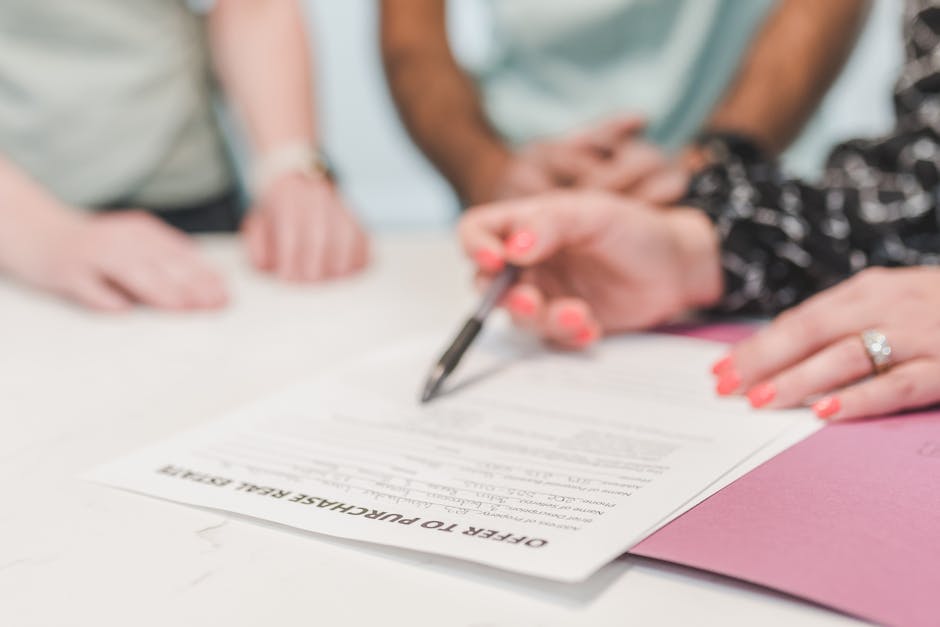
Under contract is a real estate term indicating that a buyer and seller have mutually agreed to the terms of a purchase agreement and have both signed the contract. At this point, the home is no longer actively available for sale, but the transaction isn't complete. The property must still pass through contingency periods, inspections, appraisals, and financing approval before the deal officially closes.
When a property is under contract, the seller has typically agreed to stop accepting new offers (though they may accept backup offers). The buyer, in turn, has submitted an earnest money deposit to demonstrate their commitment to purchasing the home.
Key Characteristics of Being Under Contract
- Binding agreement exists: Both parties have signed a legal contract
- Contingencies are active: Conditions must be met before closing
- Earnest money is deposited: The buyer has put down a good faith deposit
- Timeline is set: Specific deadlines exist for inspections, financing, and closing
- Sale is not guaranteed: The deal can still fall through
Under Contract vs. Pending: What's the Difference?
You may see listings marked as either "under contract" or "pending", and the distinction matters. While both indicate a sale is in progress, they represent different stages of the transaction.

| Status | What It Means | Likelihood of Falling Through |
|---|---|---|
| Under Contract | Contract signed, contingencies still active | Moderate (5-15%) |
| Pending | All contingencies removed or satisfied | Low (1-5%) |
| Active Under Contract | Under contract but accepting backup offers | Higher (may have issues) |
Under Contract
A property is "under contract" when contingencies are still in place. The buyer may still need to complete their home inspection, secure financing, or sell their current home. During this phase, there's a reasonable chance the deal could fall apart if a contingency isn't satisfied.
Pending
A "pending" listing typically means all contingencies have been waived or satisfied, and the sale is proceeding toward closing. At this stage, the deal is much more likely to close successfully. Some Multiple Listing Services (MLS) use "pending" and "under contract" interchangeably, so check with your real estate agent about local conventions.
What Happens When a House Goes Under Contract?
Once both parties sign the purchase agreement, a series of steps must be completed before closing. Here's the typical timeline and process:
1. Earnest Money Deposit
Within 1-3 days of contract signing, the buyer submits their earnest money deposit (typically 1-3% of the purchase price) to an escrow account. This deposit shows the seller the buyer is serious and provides financial protection if the buyer defaults without a valid contingency.
2. Home Inspection Period
The buyer arranges a professional home inspection, usually within 7-14 days of contract signing. The inspector examines the property's major systems, foundation, roof, plumbing, electrical, HVAC, and provides a detailed report. Based on findings, the buyer can:
- Accept the home as-is
- Request repairs from the seller
- Negotiate a price reduction
- Walk away using the inspection contingency
3. Appraisal
The buyer's lender orders an appraisal to ensure the home's value supports the loan amount. If the appraisal comes in lower than the purchase price, negotiations may be needed, the buyer may need to pay the difference in cash, the seller may lower the price, or the parties may meet somewhere in the middle.
4. Financing Approval
The buyer works with their mortgage lender to finalize loan approval. This involves verifying income, employment, assets, and credit. The lender reviews all documentation before issuing a clear-to-close, confirming they're ready to fund the loan at closing.
5. Title Search and Insurance
A title company researches the property's ownership history to ensure there are no liens, claims, or other issues. Title insurance protects the buyer and lender against any title defects discovered after closing.
6. Final Walkthrough
Shortly before closing (often the day before or morning of), the buyer conducts a final walkthrough to verify the home's condition matches what was agreed upon and that any negotiated repairs have been completed.
How Long Does a Home Stay Under Contract?
The under contract period typically lasts 30 to 60 days, though this varies based on several factors:
| Factor | Impact on Timeline |
|---|---|
| Cash purchase | Faster (14-21 days possible) |
| Conventional loan | 30-45 days typical |
| FHA or VA loan | 45-60 days (additional requirements) |
| Complex title issues | Can add weeks or months |
| Repair negotiations | May extend timeline 1-2 weeks |
Can a House Under Contract Fall Through?
Yes, deals do fall through during the under contract phase. According to the National Association of Realtors, approximately 4-7% of real estate contracts fail to close. Common reasons include:
Common Reasons Deals Fall Apart
- Financing falls through: The buyer's mortgage application is denied or they can't meet lending requirements
- Home inspection issues: Major problems are discovered that the seller won't fix and the buyer won't accept
- Appraisal gap: The home appraises for less than the purchase price and parties can't agree on a solution
- Title problems: Liens, easements, or ownership disputes are discovered
- Buyer's home doesn't sell: If contingent on selling their current home, and that sale falls through
- Cold feet: Either party simply changes their mind (though this may forfeit earnest money)
What About Earnest Money?
If a deal falls through due to a valid contingency (failed inspection, financing denial, low appraisal), the buyer typically gets their earnest money back. However, if the buyer backs out for reasons not covered by contingencies, the seller may be entitled to keep the earnest money. Learn more about when earnest money is refundable.
What Does Under Contract Mean for Buyers and Sellers?
For Buyers
If you're a buyer and the home you want is under contract, you have a few options:
- Submit a backup offer: Ask your agent to present a backup offer. If the current deal falls through, your offer would be next in line.
- Keep searching: Don't put all your hopes on one property. Continue viewing other homes while monitoring the situation.
- Ask your agent for updates: A good listing agent will inform backup offer buyers if the primary contract fails.
For Sellers
When your home goes under contract, you should:
- Respond promptly: Meet inspection and document deadlines to keep the process moving
- Consider backup offers: Accepting a backup offer provides security if the primary deal falls through
- Avoid major changes: Don't start renovations or remove fixtures that were included in the sale
- Stay flexible: Be prepared to negotiate if inspection or appraisal issues arise
Frequently Asked Questions
Can I make an offer on a house that's under contract?
Yes, you can submit a backup offer on a home that's under contract. If the primary buyer's deal falls through, your offer would be considered next. Ask your real estate agent about the seller's willingness to accept backup offers.
How often do under contract homes come back on the market?
Approximately 4-7% of real estate contracts fail before closing. Properties with "active under contract" status or those with financing contingencies are more likely to return to the market.
What's the difference between contingent and under contract?
"Contingent" and "under contract" are often used interchangeably. Both mean the seller has accepted an offer with conditions that must be met. Some MLS systems use "contingent" to specifically highlight active contingencies like home sale contingencies.
Can a seller back out of a contract?
Sellers can legally back out if the buyer fails to meet contract terms or contingency deadlines. However, backing out without cause can result in the buyer suing for specific performance (forcing the sale) or seeking damages.
Does under contract mean the house is sold?
No, under contract does not mean sold. It means a buyer and seller have agreed to terms, but the sale must still clear contingencies, secure financing, and close. The home is only "sold" after closing when the deed transfers to the buyer.
The Bottom Line
When a home is under contract, it means the buyer and seller have agreed on terms and signed a purchase agreement, but the sale isn't final. The property must still pass through inspections, appraisals, and financing approval before closing. Understanding this critical phase helps both buyers and sellers set realistic expectations and navigate the process successfully.
If you're buying a home, work with an experienced real estate agent near you who can explain local market conventions, help you submit competitive offers, and guide you through the under contract period. Their expertise can make the difference between a smooth closing and a deal that falls apart.
Ready to Find Your Perfect Home?
Connect with a top-rated real estate agent who can help you navigate the buying process with confidence.
Find an Agent Near You