What Happens After a Home Inspection?
Your complete guide to next steps after a home inspection, from reviewing the inspection report to negotiating repairs and closing the deal.
The home inspection is complete. Your home inspector has finished walking through every room, testing every outlet, and examining the roof. Now what? For many buyers, what happens after a home inspection feels just as stressful as the inspection itself. Understanding the next steps helps you make informed decisions about whether you're buying the right property.
Whether you're buying a home for the first time or selling a home you've owned for decades, this guide walks both the buyer and seller through every phase that follows a thorough home inspection. The inspection report is your roadmap. Knowing how to read it and respond to it can save you thousands of dollars and protect your future home investment.
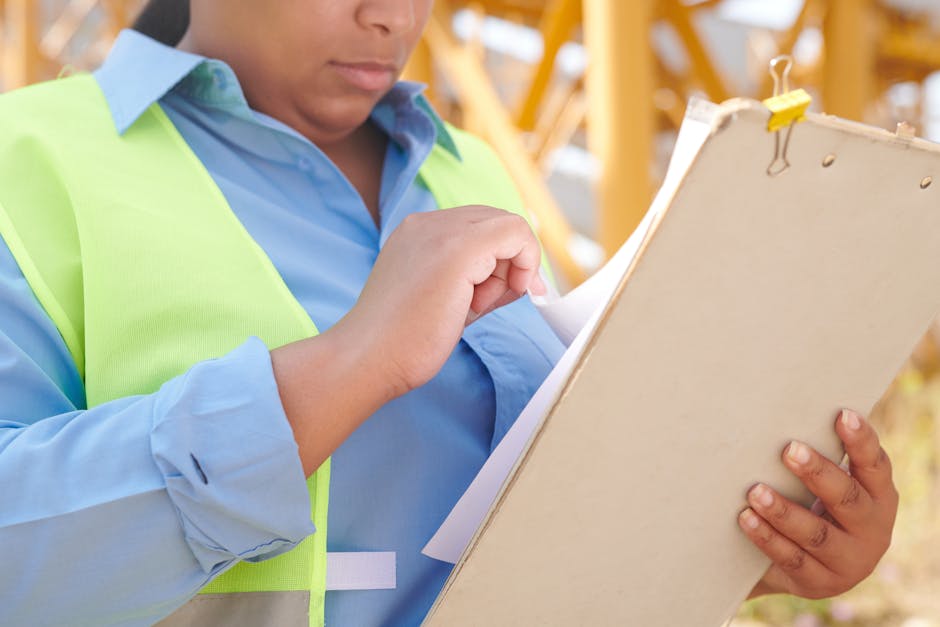
1 Review the Home Inspection Report
Within 24 to 48 hours after the home inspection is completed, your home inspector delivers a detailed report on the home's condition. This home inspection report typically runs 30 to 50 pages and covers every major system in the property. The report includes photographs, descriptions of each issue found, and severity ratings.
Sit down with your real estate agent to review the home inspection report together. A skilled agent has seen hundreds of these reports and can help separate issues that genuinely affect the value of the home from items that are normal for a property of its age. Your agent helps you make informed decisions based on the inspection findings rather than reacting emotionally.
Pay close attention to the summary section. Most inspectors categorize findings as safety hazards, major defects, or maintenance items. Safety hazards require immediate attention. Major defects affect the structure or systems of the home. Maintenance items are routine upkeep that every homeowner handles over time.
Pro Tip
Ask the inspector for a verbal walkthrough before you receive the written report. This gives you immediate context and lets you ask questions while details are fresh.
2 Identify Major vs. Minor Issues
Not every item in the inspection report carries equal weight. Understanding what qualifies as a major issue versus a cosmetic concern is critical for effective negotiation. Major issues typically include structural damage, roof failures, foundation cracks, faulty electrical system wiring, HVAC system breakdowns, and significant water damage.
Cosmetic issues like scuffed floors, dated light fixtures, faded paint, or minor landscaping problems rarely warrant a formal repair request. These items do not affect the safety, livability, or structural integrity of the home. Asking the seller to fix cosmetic concerns can make your request appear unreasonable and may hurt your negotiation position.
| Category | Major Issues (Request Repairs) | Minor/Cosmetic (Skip) |
|---|---|---|
| Roof | Active leaks, missing shingles, structural damage | Slightly worn shingles, minor moss growth |
| Electrical | Outdated wiring, no GFCI outlets, panel hazards | Missing outlet covers, single dead outlet |
| Plumbing | Leaking pipes, sewage backup, galvanized pipes | Slow drain, dripping faucet |
| HVAC | Non-functioning furnace, cracked heat exchanger | Dirty filter, slightly noisy unit |
| Foundation | Large cracks, bowing walls, water intrusion | Hairline settling cracks |
| Water Damage | Active leaks, mold, rotted framing | Old water stain (source fixed) |
Important: The American Society of Home Inspectors (ASHI) recommends requesting a pest inspection as a separate service. Termites, carpenter ants, and rodent damage may not appear in a standard home inspection and can cause significant structural problems.
3 Decide What Repairs to Request
After reviewing the inspection findings, work with your real estate agent to determine which repair items are reasonable to request. Focus on safety concerns and items that affect the value of the home or its major systems. The goal is to ensure that critical items are fixed before closing so you can move into your future home with peace of mind.
There are three common approaches when the inspection revealed problems. First, you can ask the seller to complete specific repairs before closing. Second, you can request a lower purchase price to account for the cost of handling repairs yourself. Third, you can ask for a closing costs credit that offsets your expenses at the settlement table.
Your real estate agent can advise which approach works best based on the inspection findings and current market conditions. In a competitive market, asking for a credit or price reduction often moves faster than requiring the seller to coordinate contractor work. In a buyer's market, you may have more leverage to request that the seller handle repairs after a home inspection directly.
Request Repairs
Seller handles the work before closing. Best for specific safety or structural fixes.
Price Reduction
Lower purchase price reflects repair costs. Gives buyer control over contractor choice.
Closing Credit
Seller credits closing costs instead of fixing issues. Fast and flexible for both parties.
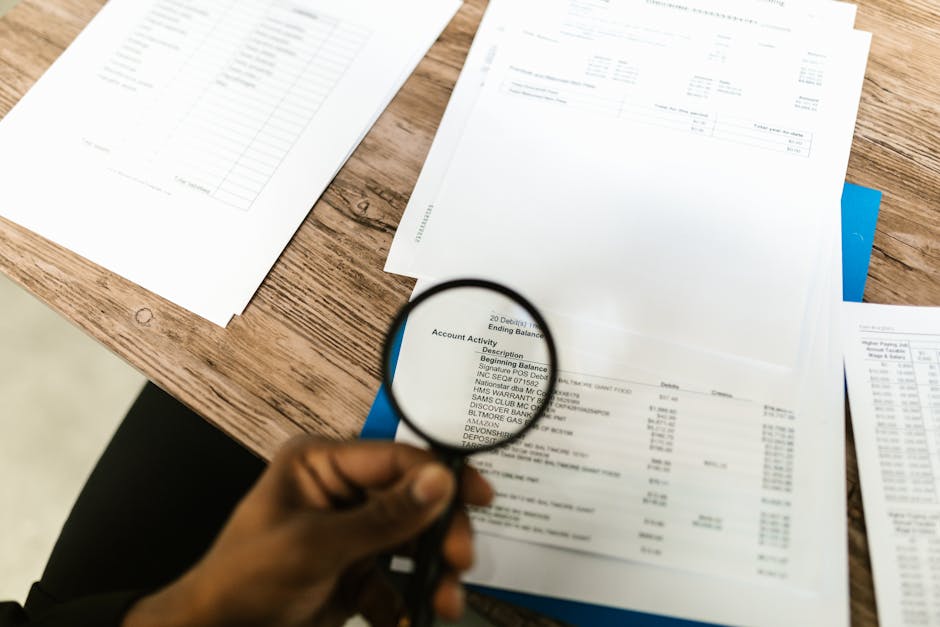
4 Submit Your Repair Request to the Seller
Your repair request should be a formal, written document submitted through your real estate agent. The buyer must notify the seller in writing within the inspection contingency period specified in the purchase agreement. Missing this deadline means you lose your ability to negotiate based on the inspection.
A well-crafted repair request includes specific items identified in the inspection, photos from the report, cost estimates from licensed contractors when possible, and your preferred remedy. Whether you ask the seller to fix each item directly or request a price adjustment, being specific and professional strengthens your position.
Keep your request focused and reasonable. The most successful negotiation strategies target 5 to 10 legitimate concerns rather than 30 trivial complaints. A focused repair request tells the seller you are a serious buyer who wants to close the deal, not someone looking for reasons to walk away from the house.
What to Include in Your Repair Request
- Specific issue description from the inspection report
- Photo evidence from the inspector
- Licensed contractor repair estimates (when available)
- Your requested remedy: repair, credit, or price reduction
- Timeline for completion if requesting seller repairs
- Reference to the inspection contingency clause in your purchase contract
5 Negotiate with the Seller
Once you submit your repair request, the seller may respond in several ways. The seller may agree to all requested repairs. The seller may offer a counter-proposal addressing some items but not others. The seller refuses to make any changes in some cases, particularly in competitive markets where other offers may be waiting.
This phase is where your real estate agent's negotiation skills become critical. An experienced agent understands how to present inspection results persuasively. They know when to push firmly on safety issues and when to compromise on less critical items. The goal for the buyer and seller is to reach an agreement that keeps the home sale moving forward.
If the seller agrees to handle repairs, ensure the purchase agreement specifies that all work must be completed by licensed contractors. Request receipts and documentation. A final walkthrough before closing verifies that repairs were actually completed to standard. Shoddy repair work is worse than no repair at all.
Key Insight: According to the National Association of Realtors, 73% of buyers request repairs after a home inspection, and most sellers agree to at least some of the requested items. A well-supported request with contractor estimates has the highest success rate.
6 Make Your Final Decision
Following the inspection and negotiation, you face a critical choice. Based on the inspection findings, you have three paths forward. You can proceed with the home purchase under the agreed terms. You can continue negotiating if the seller to agree on remaining items. Or, the buyer can walk away from the purchase entirely if the issues are too severe.
Walking away from your dream home is never easy. But the home inspection helps protect you from buying a money pit. If the inspection reveals problems that the seller won't address and that would cost tens of thousands of dollars to fix, walking away is often the smartest financial decision. You paid for the inspection to make an informed decision, and sometimes that means saying no.
Remember that if you walk away from the sale, your inspection contingency protects your deposit. With a properly written home inspection contingency in your purchase contract, you walk away without losing your earnest money deposit. Your real estate agent ensures the paperwork is handled correctly so you get their earnest money back promptly.
What Sellers Should Know After a Home Inspection
As a home seller, receiving a buyer's repair request can feel overwhelming. Understand that an inspection is a standard part of selling a home and nearly every inspection uncovers at least minor findings. Responding strategically keeps the home sale on track and prevents the buyer from walking away from the house.
Review the buyer requests carefully with your listing agent. Consider which repairs are reasonable to complete before closing and which items you might address with a credit or price concession instead. Getting your own contractor estimates helps you respond with accurate numbers rather than guessing at costs.
If a buyer may walk away due to serious issues, consider whether fixing the problems now avoids the same issue with the next buyer. Every future buyer who orders a thorough inspection will discover the same problems. Proactive sellers who address legitimate concerns close faster and often net a higher final sale price. Learn more about preparing in our guide on what to fix before selling a house.
Common Inspection Issues and How to Handle Them
Every thorough home inspection produces a list of findings. The table below shows the most common issues the inspection reveals, typical costs, and whether the buyer or seller typically handles the fix. Use this as a reference when reviewing your own inspection report.
| Issue | Avg. Repair Cost | Who Typically Pays | Priority |
|---|---|---|---|
| Roof Replacement | $8,000 – $15,000 | Seller credit or split | High |
| HVAC System Repair | $3,000 – $7,500 | Seller | High |
| Electrical System Update | $2,000 – $6,000 | Seller | High |
| Foundation Repair | $5,000 – $25,000+ | Seller or deal-breaker | High |
| Water Damage Remediation | $1,500 – $10,000 | Seller | Medium |
| Plumbing Repairs | $500 – $4,000 | Negotiable | Medium |
| Pest/Termite Treatment | $500 – $2,500 | Seller (varies by state) | Medium |
| Cosmetic Repairs | $100 – $1,000 | Buyer (after closing) | Low |

The Inspection Contingency Explained
The home inspection contingency is one of the most important protections in your purchase agreement. If you include an inspection contingency in your purchase contract, it gives you the legal right to cancel the purchase based on the inspection results without forfeiting your earnest money.
The typical inspection contingency period — also called the inspection period — is 7 to 14 days. During this window, you must complete the inspection, review the findings, submit any requests, and negotiate with the seller. If negotiations break down and the seller won't address critical issues, the buyer can walk away from the sale and get their earnest money deposit back in full.
Always include an inspection contingency in your purchase agreement. Never waive the inspection contingency without understanding the risks. Whether you're buying a home in a hot market where sellers pressure buyers to waive contingencies, or getting a home in a slower market, the cost of skipping an inspection can be devastating. A home inspection that costs $300 to $500 can uncover problems worth tens of thousands. Read more about how contingencies work in our home inspection contingency guide.
Typical Inspection Contingency Timeline
Days 1–3: Schedule and Complete Inspection
Book a licensed inspector. Attend the inspection. Receive the detailed report.
Days 3–5: Review Report and Get Estimates
Review findings with your agent. Contact contractors for repair estimates on major issues.
Days 5–7: Submit Repair Request
Submit your formal written request to the seller through your agent.
Days 7–14: Negotiate and Decide
Negotiate terms. Agree, counter, or exercise your contingency to back out of the sale.
Post-Inspection Decision Checklist
Use this quick-reference checklist to organize your next steps after receiving the inspection report. Print it out or save it to your phone for your next meeting with your real estate agent.
Read the full inspection report (not just the summary)
Separate safety/structural issues from cosmetic items
Get contractor estimates for major repair items
Discuss strategy with your real estate agent
Submit written repair request before contingency deadline
Decide: proceed, renegotiate, or walk away
Schedule final walkthrough to verify completed repairs
Confirm appraisal scheduled before closing
Frequently Asked Questions
What happens after a home inspection if the inspection reveals problems?
If the home inspection reveals problems, the buyer reviews the detailed report with their real estate agent and decides on next steps. The buyer can request repairs, ask the seller for a lower purchase price, request a closing costs credit, or walk away from the purchase if they have an inspection contingency in their purchase agreement.
Can a buyer cancel the purchase after a home inspection?
Yes. If the buyer has a home inspection contingency in their purchase contract, they can cancel the purchase and get their earnest money deposit back. The buyer must notify the seller in writing within the inspection contingency period. Without this contingency, the buyer risks losing their earnest money if they back out of the sale.
What repairs are unreasonable to request after a home inspection?
Not all repairs are reasonable to request after a home inspection. Cosmetic issues are generally considered unreasonable. These include paint touch-ups, minor carpet wear, slightly dated fixtures, or small landscaping issues. Focus your repair request on safety hazards, structural problems, HVAC failures, electrical system issues, plumbing leaks, and water damage. Requesting only cosmetic fixes can weaken your negotiating position.
Should I order a pest inspection separately?
Yes. A standard home inspection typically does not include a comprehensive pest inspection. The American Society of Home Inspectors recommends a separate pest inspection to check for termites, carpenter ants, and other wood-destroying organisms. Many lenders require a pest inspection before approving certain loan types.
How does the home inspection affect the appraisal?
The home inspection and appraisal are separate processes, but they can influence each other. Major issues found during the inspection may affect the appraised value of the home. If repairs are agreed upon based on the inspection findings, the appraiser may factor the improved condition into their valuation. The appraisal happens after the inspection in most transactions.
Who paid for the inspection — and who pays for repairs?
Understanding what to ask for after a home inspection starts with knowing who pays. The buyer typically pays for the home inspection. This is standard practice because the buyer wants an independent assessment before completing the purchase. Repair costs are negotiable. Based on the inspection, the buyer may ask the seller to fix items, reduce the purchase price, or provide closing cost credits. In some cases, the buyer accepts the property as-is and handles repairs after closing.
Related Guides
Home Inspection: Complete Guide
Everything you need to know about the home inspection process from start to finish.
Home Inspection Checklist
A complete checklist of items inspectors evaluate during a thorough home inspection.
Home Inspection Cost Guide
How much a home inspection costs and what factors affect pricing in your area.
How to Prepare for a Home Inspection
Steps sellers and buyers should take before the inspector arrives.
Need Help Navigating Your Home Inspection?
A skilled real estate agent guides you through every step after the inspection. We match you with experienced agents who know how to negotiate repairs and protect your investment.
Find My AgentMaking an Informed Decision After Your Home Inspection
What happens after a home inspection depends largely on what the inspection reveals and how both the buyer and seller respond. The process starts with a careful review of the detailed report, continues through strategic negotiation, and ends with a decision that protects your financial interests.
Whether you're buying a home or selling a home, the inspection phase is where deals are refined and strengthened. A thorough home inspection gives both parties the information needed to complete a fair transaction. Work closely with your real estate agent throughout the process. Their experience with inspection negotiations can save you thousands and give you peace of mind as you move toward closing.
For a deeper understanding of what to expect on closing day, read our guide on what to expect at closing on a house. And if you haven't scheduled your inspection yet, start with our home inspection checklist to know exactly what the inspector will evaluate.