What to Fix Before Selling a House
15 high-impact repairs that help your home sell faster and for more money, plus the fixes you should skip entirely.
Selling a house starts long before the listing goes live. The repairs you make to your home before selling directly affect how fast it sells and the final sale price you receive. Smart sellers focus on the right fixes rather than pouring money into every room.
Not every repair delivers the same return on investment. A fresh coat of paint can recover 100% or more of its cost. A full kitchen remodel might return only 50 cents on the dollar. Knowing which things you need to fix and which to skip saves you thousands when you sell your home.
This guide covers 15 specific repairs and improvements to make before putting your home on the market. For larger projects, see our full guide on home renovation before selling. You will learn which fixes attract more buyers, which ones pass the home inspection, and which projects to skip entirely. Some issues are easy to fix in a single weekend. Others require professional help.
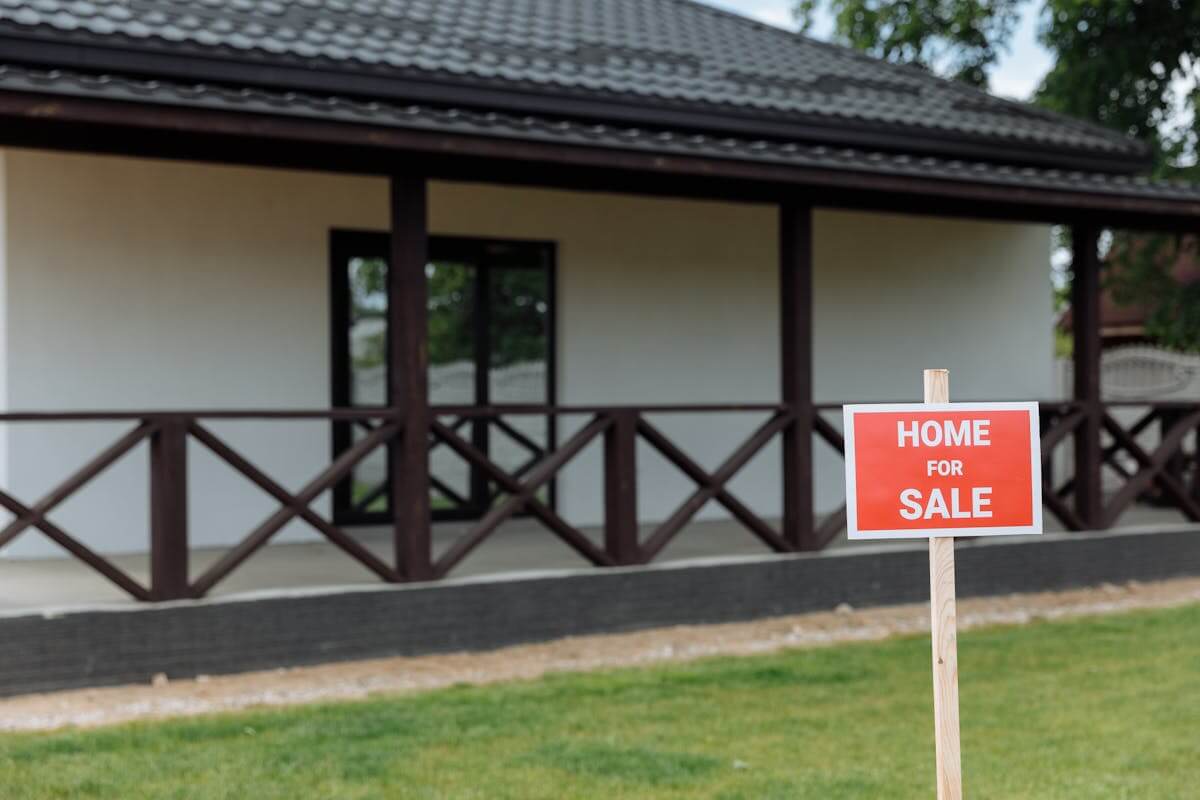
Safety and Structural Repairs (Fix These First)
Safety and structural issues are non-negotiable. Home inspectors flag these problems immediately. Buyers walk away from homes with unresolved structural concerns. Address these repairs before anything else. If you only have budget for a few projects, these are the ones that make your home look maintained and safe.
1. Roof Repairs and Replacement
A damaged roof is the number one deal breaker for home buyers. Missing shingles, visible leaks, and water stains on ceilings signal expensive future problems. A new roof recovers about 60% of its cost at resale according to the National Association of Home Builders. However, you may not need to repair or replace the entire roof. Fixing leaks and replacing damaged sections costs far less than a full replacement and still removes this major selling point concern.
Have a roofing contractor inspect your roof before listing. Minor repairs like replacing cracked shingles or resealing flashing typically cost $300 to $1,000. A full roof replacement ranges from $8,000 to $15,000 depending on the size and material.
2. Foundation Cracks and Water Intrusion
Foundation issues terrify buyers more than almost any other issue. Small hairline cracks in concrete are normal and cosmetic. Horizontal cracks, stair-step cracks in brick, or gaps wider than a quarter inch need professional evaluation. Musty smells in the basement often indicate moisture problems that buyers and their inspectors will discover.
Waterproofing the basement or crawl space prevents water damage claims during the inspection. Fix poor drainage by installing or repairing gutters and downspouts so rainwater drains at least five feet away from the foundation. This helps buyers feel confident about the structural integrity of your home. A structural engineer charges $400 to $800 for an assessment and can document that your foundation is sound.
3. Electrical System Updates
Outdated electrical systems create safety hazards and insurance complications. Replace any exposed wiring, install GFCI outlets in kitchens and bathrooms, and make sure the breaker panel is labeled correctly. Homes with knob-and-tube wiring or outdated electrical panels face significant buyer resistance and may need to replace the entire panel to satisfy insurers.
A licensed electrician can update outlets and fix common code violations for $500 to $2,000. This repair directly removes a major red flag from the home inspection report.
4. Plumbing Leaks and Drainage
Fix every leaking faucet, running toilet, and slow drain in the house. Plumbing problems suggest larger hidden issues to buyers. Check under all sinks for moisture, staining, or mold growth. Replace worn supply lines and ensure the water heater functions properly.
A plumber can address most common household leaks for $200 to $600. If your water heater is more than 12 years old, consider replacing it. Water heater replacement costs $1,200 to $2,500 and eliminates a common inspection concern.
Important: Sellers must disclose known material defects in most states. Fixing problems before listing protects you legally and prevents last-minute price negotiations.
HVAC and Home Systems
5. HVAC Maintenance and Repair
Heating and cooling systems rank among the top concerns for every buyer. A broken or aging HVAC unit can reduce your sale price by $5,000 to $10,000. Buyers might walk away from a home that needs major repairs to the HVAC system. Schedule a professional tune-up before listing to document that the system works correctly.
Replace air filters, clean ductwork, and repair any units that blow warm air when set to cool or vice versa. An HVAC tune-up costs $100 to $200. If your system is over 15 years old, get a written assessment from a licensed technician so buyers understand its remaining lifespan.
6. Smoke Detectors and Carbon Monoxide Alarms
Most states require working smoke detectors on every level and in every bedroom. Carbon monoxide detectors are mandatory near sleeping areas in many jurisdictions. This is a cheap fix that costs under $100 for the entire house and shows buyers the home meets current safety codes.
Replace batteries in all detectors and install new units where required by local building codes. Home inspectors check every alarm during their walkthrough. Failed detectors appear on the inspection report and signal neglected maintenance.
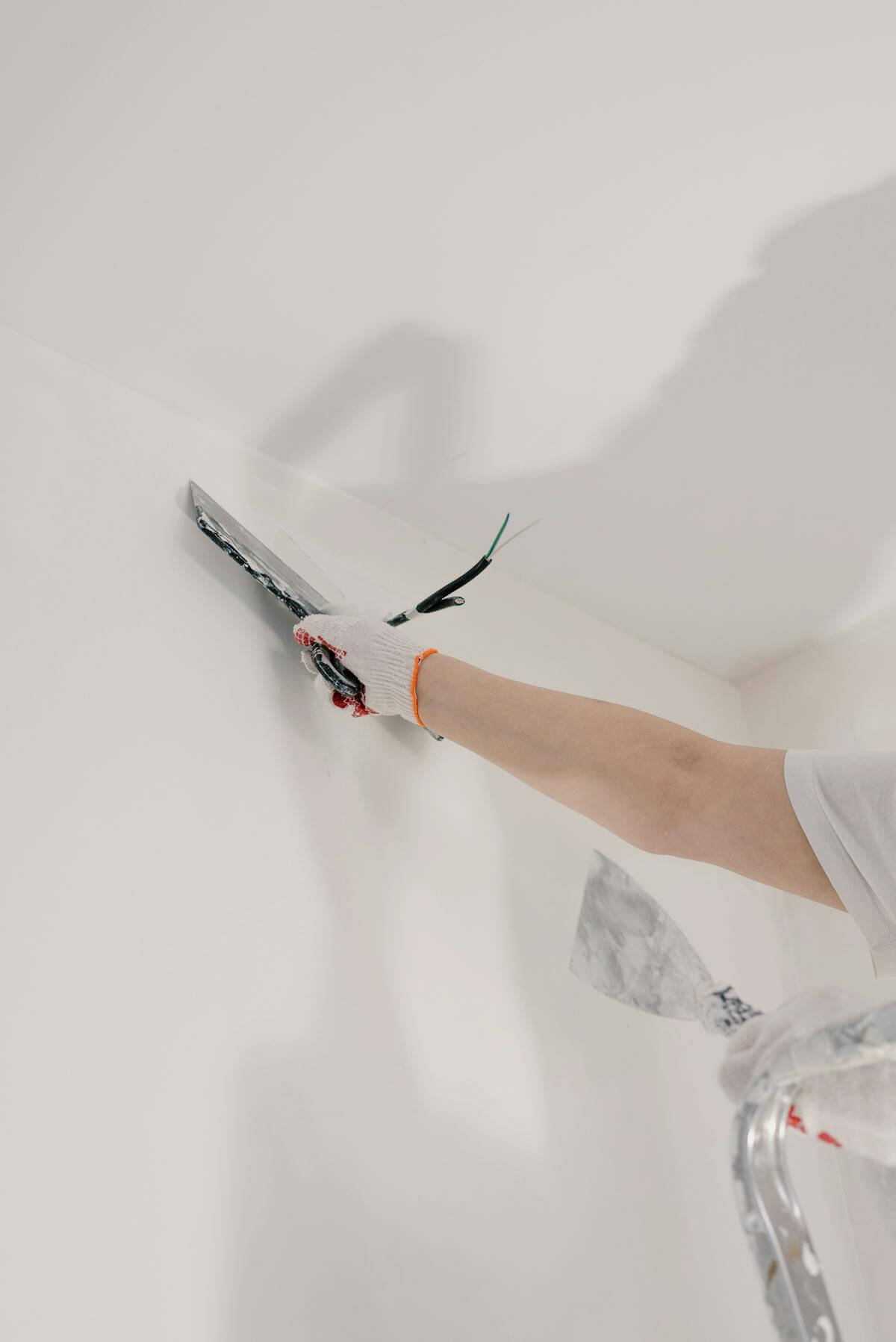
Interior Cosmetic Fixes (High ROI)
7. Fresh Interior Paint
Fresh paint delivers a good return on investment and is the highest-ROI home improvement before selling. According to HomeGain, interior painting recovers 107% of its cost on average. Address any peeling paint, scuff marks, or chipped surfaces throughout the home. Use neutral colors like warm white, light gray, or greige. Buyers need to envision their own furniture and decor in the space.
Paint every room that shows wear, nail holes, or bold accent colors. Check exterior paint for peel and flaking, especially on window trim and eaves. Repaint any area with visible damage. A quick touch-up on trim, baseboards, and doors goes a long way. Professional painters charge $2,000 to $5,000 for an average-size home. Doing it yourself costs $200 to $500 in supplies and a weekend of labor.
8. Flooring Repairs
Damaged flooring creates a negative first impression that lingers throughout the showing. Hardwood floors can be sanded and refinished rather than fully replaced. Hardwood floors are a major selling point that buyers actively seek. Replace cracked tiles individually rather than retiling entire rooms. Patch any drywall damage near the floor. Steam clean all carpeting or replace visibly worn carpet in main living areas. Clean and functional floors make rooms feel larger and more inviting.
Professional carpet cleaning costs $200 to $400 for a whole house. Hardwood refinishing runs $3 to $5 per square foot. New carpet in a 12x12 room costs $600 to $1,200 installed. These investments make rooms feel fresh and well-maintained.
9. Kitchen Updates (Not a Full Remodel)
Kitchens sell homes, but a full kitchen remodel before selling rarely pays for itself. Instead, focus on affordable updates that refresh the look. Replace dated cabinet hardware with modern brushed nickel or matte black pulls. Install a new faucet. Replace stained or damaged countertop sections.
Painting existing cabinets white or gray transforms a kitchen for $500 to $2,000 instead of $30,000 for new cabinets. Add under-cabinet lighting for $100 to $200 to make the space feel brighter. These targeted improvements make the kitchen feel modern without the cost of a renovation.
10. Bathroom Refresh
Bathrooms are the second most scrutinized rooms after the kitchen. Re-caulk the tub, shower, and sink areas. Replace cracked or discolored grout. Install a new toilet seat, shower head, and towel bars. These simple updates cost under $200 combined and make bathrooms look considerably newer.
If your vanity is severely dated, consider replacing it. A new vanity with countertop and faucet runs $300 to $1,000 at most home improvement stores. This single change can modernize the entire bathroom for a fraction of a full remodel.
Key Insight: The goal is not perfection. The goal is removing objections. Every visible problem gives buyers a reason to negotiate a lower price or walk away entirely.
Curb Appeal and Exterior Fixes
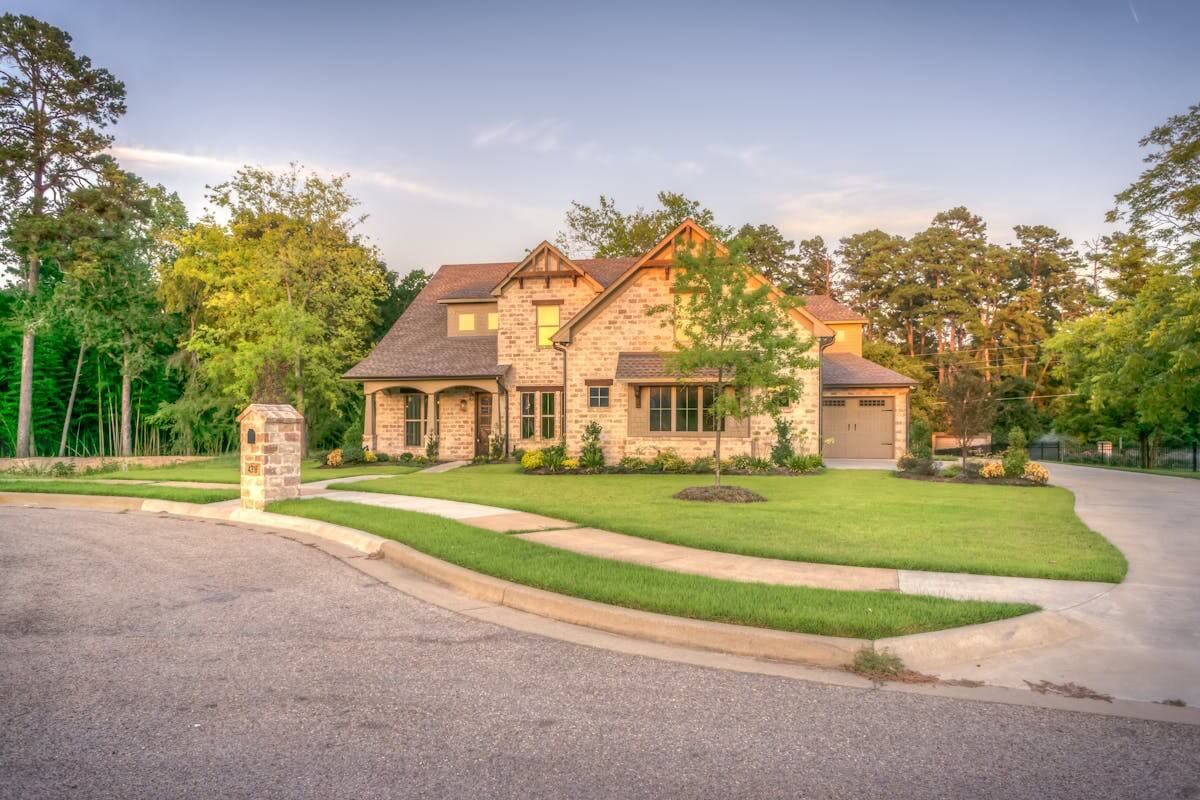
Buyers form their first opinion within seven seconds of seeing your home from the street. Curb appeal directly influences whether someone even wants to walk inside. These exterior improvements create the strong first impression that drives offers.
11. Landscaping and Yard Cleanup
Mow the lawn, trim hedges, edge walkways, and remove dead plants. Add fresh mulch to flower beds for an instant lift. Plant seasonal flowers near the entry for color. A well-maintained yard signals that the entire property has been cared for.
Professional landscaping cleanup costs $200 to $500. Fresh mulch for an average yard runs $100 to $300. These small investments create one of the strongest first impressions possible.
12. Front Door and Entryway
The front door is the focal point of your home's exterior. Check windows and doors for drafts, peeling paint, and damaged seals. Replace a worn front door or give it a fresh coat of paint. A new garage door replacement also delivers one of the highest returns of any exterior project. Add new house numbers, a mailbox, and a welcome mat. Install or update the porch light. A new front door recovers nearly 100% of its cost at resale according to the Cost vs. Value Report.
Painting the front door a bold color like navy, black, or deep red costs under $50 in supplies. A new steel entry door starts at $200 to $500 installed. Updated hardware including a new lockset and doorbell adds another $50 to $150.
13. Power Washing and Exterior Cleaning
Power wash the driveway, sidewalks, patio, siding, and deck. Years of dirt, algae, and mildew make a home look older than it is. A thorough power washing can make a 20-year-old home look ten years newer.
Renting a power washer costs $50 to $100 per day. Hiring a professional runs $200 to $400 for a full exterior wash. This is one of the cheapest improvements with the most dramatic visual impact.
Final Touches Before Listing
14. Light Fixtures and Hardware
Dated brass light fixtures and worn door handles signal a neglected home. Swapping outdated fixtures for modern alternatives takes minutes and costs $20 to $100 per fixture. Match finishes throughout the house for a cohesive look. Brushed nickel, matte black, and oil-rubbed bronze are the most popular finishes for home sales.
Update switch plates and outlet covers at the same time. Painted-over or cracked covers cost 50 cents to $2 each to replace. This tiny detail makes walls look cleaner and more finished.
15. Deep Clean Everything
A spotless home sells faster than a dirty one at any price point. Hire a professional cleaning service for a deep clean before photography and showings. Clean windows inside and out. Wipe down every surface. Remove cobwebs from corners and light fixtures. Make every surface sparkle.
Professional deep cleaning costs $200 to $500 for a full house. This is not regular housekeeping. This means scrubbing grout lines, cleaning behind appliances, washing baseboards, and detailing the inside of cabinets. Buyers open everything, and cleanliness builds trust.
Pre-Sale Repair Budget Guide
How much should you spend on repairs before selling? Most experienced real estate agents recommend allocating 1% to 3% of your home's current value. Here is a practical budget breakdown for a $350,000 home.
| Repair Category | Estimated Cost | ROI |
|---|---|---|
| Interior Paint (whole house) | $2,000 - $5,000 | 100% - 200% |
| Landscaping Cleanup | $200 - $500 | 100% - 150% |
| Deep Cleaning | $200 - $500 | 200%+ |
| Minor Plumbing Repairs | $200 - $600 | 100% - 150% |
| Kitchen Hardware + Faucet | $150 - $400 | 80% - 120% |
| Front Door Paint or Replace | $50 - $500 | 90% - 100% |
| Power Washing (exterior) | $200 - $400 | 100%+ |
| Carpet Cleaning / Replace | $200 - $1,200 | 80% - 120% |
| Total Estimated | $3,200 - $9,100 | 100%+ avg |
Repairs to Skip Before Selling
Not every improvement pays off. Some sellers consider whether to sell as-is rather than invest in major renovations. These common projects often cost more than they return at resale. Save your money and let the buyer customize to their own taste.
Full Kitchen Remodel
$30,000 to $80,000 investment that recovers only 30% to 50% at resale. Buyers often want their own design choices.
Swimming Pool Addition
Pools cost $35,000 to $65,000 and add only $15,000 to $25,000 in value. Many buyers see pools as a liability.
Room Additions
Adding square footage costs $80 to $200 per square foot. Returns average 50% to 60%. Too expensive for pre-sale investment.
Luxury Bathroom Upgrade
High-end bathroom remodels costing $25,000 or more recover only 35% to 55% of the investment. Stick to a basic refresh.
Get a Pre-Listing Home Inspection
A pre-listing home inspection is one of the smartest investments you can make before selling. For $300 to $500, a licensed inspector examines every system in your home and provides a detailed report of issues. This gives you time to fix problems on your schedule and at your price.
Without a pre-listing inspection, you risk the buyer's inspector finding expensive surprises. Those discoveries typically lead to price renegotiations or buyers walking away entirely. About 15% of real estate transactions fall through after the buyer's inspection reveals unexpected problems.
Share the completed inspection report with potential buyers to build confidence in your listing. A clean inspection report tells buyers that you have nothing to hide. It separates your home from competing listings that may have unknown problems waiting.
Your real estate agent can recommend trusted local inspectors who provide thorough evaluations. Work with your agent to prioritize which repairs from the inspection report will deliver the best return on investment. Not every item needs fixing, but understanding the full picture helps you price your home correctly.
Why Your Real Estate Agent Matters for Pre-Sale Repairs
An experienced real estate agent knows exactly which repairs attract local buyers and which ones waste money. Before you list your home, your agent can walk the property and identify every issue that matters. They see hundreds of homes each year and understand what makes the difference between a quick sale and a listing that sits on the market for months.
Your agent provides a comparative market analysis that reveals how competing homes in your area are priced and presented. They can help you prioritize which repairs deliver the strongest return and which ones to skip. They are also deciding which repairs matter most to local buyers in your specific neighborhood. This analysis shows you exactly what condition buyers expect at your price point. If comparable homes have updated kitchens, your dated kitchen needs at least a refresh to compete.
The best agents also connect you with trusted contractors, painters, and handymen who offer fair prices. These relationships save you time finding reliable help and often reduce repair costs. Ask your agent which repairs they recommend before spending any money.
Learn about the full cost of selling a house so you can budget repairs alongside closing costs, commissions, and moving expenses. Understanding the complete financial picture prevents overspending on repairs that reduce your net proceeds.
Frequently Asked Questions
What should I fix before selling my house?
Focus on safety and structural issues first. Fix roof leaks, HVAC problems, plumbing leaks, electrical hazards, and foundation cracks. Then address cosmetic updates like fresh paint, updated hardware, clean landscaping, and minor kitchen or bathroom improvements. These repairs increase your home's value and help it sell faster.
What repairs should I skip before selling?
Skip full kitchen or bathroom remodels, room additions, swimming pool installation, and highly personalized upgrades. These expensive projects rarely return their full cost at resale. Focus on repairs that address buyer concerns and remove objections rather than major renovations.
How much should I spend on repairs before selling?
Most real estate agents recommend spending 1% to 3% of your home's value on pre-sale repairs. For a $350,000 home, that means $3,500 to $10,500. Focus your budget on high-impact repairs that remove buyer objections and pass the home inspection cleanly.
Do I need to fix everything before selling?
No. You do not need to fix everything. Focus on repairs that affect safety, structural integrity, and first impressions. Cosmetic imperfections are acceptable if priced correctly. Your real estate agent can help you identify which repairs offer the best return on investment for your specific market.
Should I get a pre-listing home inspection?
Yes. A pre-listing inspection costs $300 to $500 and reveals problems before buyers find them. This gives you time to make repairs on your schedule and at your price. It also reduces the chance of a deal falling through after the buyer's inspection uncovers surprises.
What cosmetic fixes increase home value the most?
Fresh interior paint in neutral colors offers the highest return, often recovering 100% to 200% of the cost. Updated cabinet hardware, new light fixtures, clean landscaping, and power-washed exterior surfaces also deliver strong returns. These small changes dramatically improve how buyers perceive your home.
Will fixing up my house help it sell faster?
Yes. Homes in good condition sell 50% faster than those needing repairs, according to industry data. Move-in ready homes attract more offers and often sell above asking price. Buyers today want to avoid the hassle and cost of immediate repairs after closing.
Related Guides for Home Sellers
Need Help Deciding What to Fix?
A local real estate agent can walk through your home and recommend the exact repairs that attract buyers in your market. Our matching service is free with no obligation.
Find My Agent
Making the Right Repairs Pays Off
Every dollar you spend on the right repairs before selling comes back in your final sale price. The key is focusing on repairs that remove buyer objections rather than pursuing perfection. Fix safety issues first. Handle cosmetic updates second. Skip expensive renovations entirely. If a problem is easy to fix, handle it now rather than explaining it during negotiations later. Some sellers choose to sell as-is, but that strategy typically means accepting a lower offer.
Start with a pre-listing home inspection to identify exactly what needs attention. Once your home is ready to sell, work with your real estate agent to prioritize repairs based on your local market conditions and buyer expectations. Then invest in the improvements that deliver the strongest return.
Homes that show well sell faster and for more money. By addressing the 15 repairs in this guide, you position your property as a move-in ready home that stands above the competition. The time and money you invest now directly affects the offers you receive.